prepslim.com

Author name: Kiran

The Ultimate Guide to PBD Meal Prep for Beginners
meal prep

The Ultimate Guide to PBD Meal Prep for Beginners

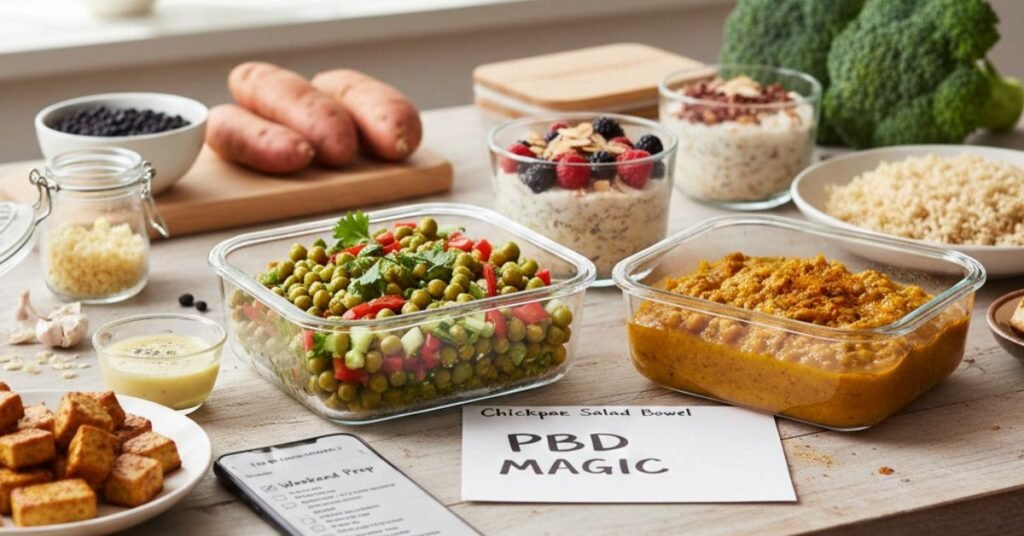
Transitioning to a plant-based diet for beginners is a rewarding journey for your health. The secret to staying consistent is not just motivation, it is preparation. With PBD meal prep for beginners, you can ensure that you always have high-protein plant-based meals ready to eat. Why PBD Meal Prep Works Meal prepping is the practice of preparing your meals or ingredients ahead of time.  Step-By-Step Beginner’s Execution Plan Step 1: The Inventory Check (Saturday) Check what you already have. Look at your beans, grains, and spices. Make a list of only what you need to avoid overspending. Step 2: The Cooking Session (Sunday) Spend 2 hours in the kitchen: Step 3: Proper Storage How you store food determines how good it tastes on Wednesday. Three Easy PBD Recipes for Your Prep Day Here are three essential recipes that are perfect for budget-friendly meal prepping. You can cook these on a Sunday and eat them throughout the week. Recipe 1: The “Everything” Roasted Veggie Tray This is the base for many healthy PBD recipes. You can add these veggies to pasta, rice bowls, or wraps. Recipe 2: High-Protein Chickpea Salad This is one of the best easy vegan meal prep ideas because it requires zero cooking! Recipe 3: One-Pot Red Lentil Stew  Lentils are the king of high-protein plant-based meals.  Sample Weekly Meal Structure Using the recipes above, here is how your week could look: Day Lunch Dinner Monday Chickpea Salad Bowl Lentil Stew with Rice Tuesday Roasted Veggie & Hummus Wrap Lentil Stew with Rice Wednesday Chickpea Salad Bowl Roasted Veggie Pasta Thursday Quinoa & Lentil Bowl Roasted Veggie & Hummus Wrap Friday Leftover “Power Bowl” PBD Tacos (using Chickpeas) Pro-Tips for Freshness  As an experienced meal prepper, here are my top tips for beginners: Common Mistakes to Avoid Conclusion Mastering PBD meal prep for beginners is about making your life easier. Start with these three recipes, keep your pantry stocked, and watch how your health improves week by week. Frequently Asked Questions (FAQs) Q: How do I get enough protein? A: By including lentils, chickpeas, and nuts in your recipes, you will easily hit your protein goals. Q: Is meal prepping expensive? A: No, budget-friendly meal prepping relies on staples like beans and grains, which are much cheaper than meat. Q: Can I use frozen vegetables? A: Yes! Frozen veggies are great for stews and stir-fries and often have more vitamins than “fresh” store-bought ones. 📊 Calculate Your Macros Now

The Ultimate PBD Diet Plan for Weight Loss: A Science-Backed Guide
Weight Loss & Diet Plans

The Ultimate PBD Diet Plan for Weight Loss: A Science-Backed Guide

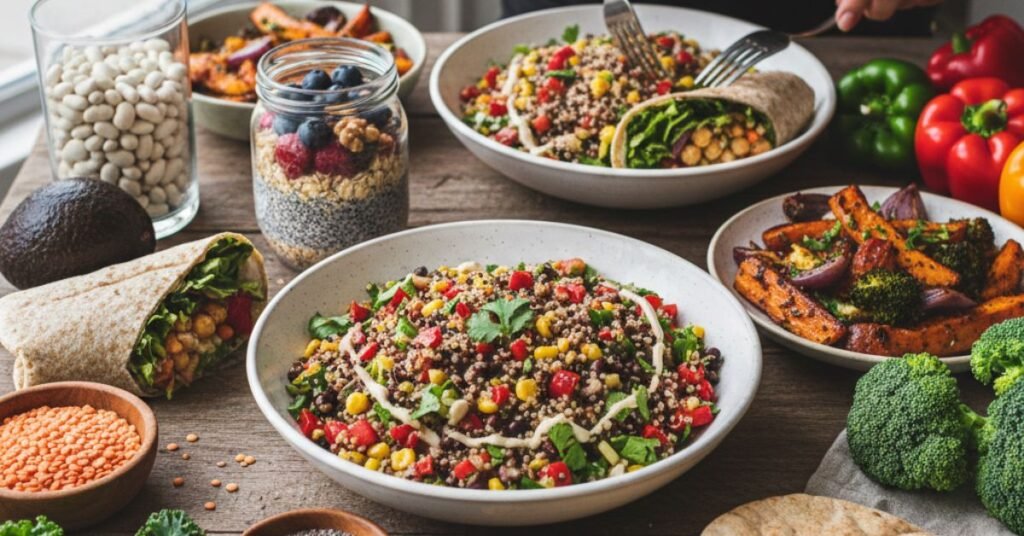
Transitioning to a PBD Diet Plan for Weight Loss is one of the most effective ways to shed unwanted pounds while nourishing your body. Unlike restrictive calorie-counting diets, a Whole-Food, Plant-Based (PBD) approach focuses on the quality of food. By eating plants in their most natural form, you can achieve sustainable weight loss without the constant feeling of hunger. What is a PBD Diet? PBD stands for a diet based on foods derived from plants, including vegetables, whole grains, legumes, and fruits, with little to no highly processed ingredients or animal products. Why PBD Works: The Core Mechanisms To understand why this plan is so effective, we must look at the nutritional science: Essential Foods to Include and Avoid For maximum weight loss, you need to know which foods are your “green light” foods and which ones to limit. The PBD Food Categories Food Group Examples Role in Weight Loss Leafy Greens Spinach, Kale, Lettuce Extremely low calorie; high in nutrients. Legumes Lentils, Chickpeas, Black Beans High plant-based protein sources and fiber. Whole Grains Oats, Quinoa, Brown Rice Provides steady energy and prevents cravings. Cruciferous Veggies Broccoli, Cauliflower, Cabbage Helps with liver detoxification and fat burning. Starchy Veggies Potatoes, Corn, Squash Satisfying “comfort” foods that prevent bingeing. Foods to Minimize (The “Red Light” List) 7-Day PBD Meal Plan Sample Here is a structured look at how your week could look using low-calorie plant-based recipes. Day Breakfast Lunch Dinner Mon Overnight Oats with Berries Chickpea Salad Wrap Lentil Bolognese with Zucchini Noodles Tue Green Smoothie (Spinach/Banana) Quinoa & Black Bean Bowl Roasted Vegetables & Tofu Wed Tofu Scramble with Veggies Red Lentil Soup Baked Sweet Potato with Greens Thu Chia Seed Pudding Hummus & Veggie Sandwich Cauliflower Steak with Mashed Potatoes Fri Fruit Salad with Walnuts Brown Rice & Dal (Lentils) Mushroom & Spinach Stir-fry Sat Whole Grain Pancakes (no oil) Big Garden Salad with Beans Plant-based Chili Sun Savory Oatmeal with Herbs Leftover Chili Vegetable Paella Expert Tips for Success To make your journey successful, follow these sustainable weight loss tips used by nutritional experts: Potential Challenges and Solutions Conclusion The PBD Diet Plan for Weight Loss is not a “starvation diet.” It is an abundance-based way of eating that allows you to enjoy whole, delicious foods while naturally reaching your goal weight. By prioritizing fiber, nutrients, and whole plants, you are choosing a path of long-term health and vitality. FAQs: How fast will I see results on the PBD Diet Plan for weight loss? Most people notice a decrease in bloating within the first 48 hours. Consistent fat loss usually averages 1–2 pounds per week, depending on your starting point and activity level. Is a plant-based diet safe for everyone? Generally, yes. However, people with specific medical conditions like kidney disease should consult a doctor, as certain plant foods are high in potassium or oxalates. Do I need to take supplements? The only mandatory supplement on a strict PBD is Vitamin B12. You might also consider Vitamin D and Omega-3 (Algae-based) depending on your blood work and sunlight exposure. Can I eat pasta on this plan? Yes! Choose whole-wheat, chickpea, or lentil-based pasta. Avoid heavy cream-based sauces and opt for tomato or vegetable-based sauces instead. ⚖️ Check Your BMI Now

The Ultimate Guide to the PBD Diet: Transform Your Health with Plant-Based Living
Weight Loss & Diet Plans

The Ultimate Guide to the PBD Diet: Transform Your Health with Plant-Based Living

In recent years, the conversation around nutrition has shifted dramatically. No longer are we just asking about calories; we are asking about the source, the impact on our bodies, and the impact on our planet. Enter the PBD Diet (Plant-Based Diet)—a lifestyle choice that is backed by science and embraced by millions worldwide. But what exactly is it? Is it just a fancy word for being vegan? Not quite. In this guide, we will explore the nuances of a whole-food plant-based diet (WFPB), its life-changing benefits, and how you can transition smoothly without feeling deprived. 1. What exactly is the PBD Diet? At its core, a PBD focuses on foods derived from plants. This includes not just fruits and vegetables, but also nuts, seeds, oils, whole grains, legumes, and beans. Unlike strict veganism, which is often defined by the total exclusion of animal products, a PBD is defined by the inclusion of nutrient-dense plant foods. PBD vs. Vegan: Key Differences Feature Plant-Based Diet (PBD) Veganism Primary Focus Health and Nutrition Animal Ethics/Rights Food Quality Emphasizes whole, unprocessed foods Can include “junk” vegan food Flexibility May occasionally include small amounts of animal products Strictly zero animal products Lifestyle Focused on dietary habits Includes clothing, makeup, and lifestyle 2. The Science-Backed Benefits of PBD Research consistently shows that shifting toward plant-centric eating is one of the most effective ways to manage long-term health. Key Health Advantages: 3. Addressing the Protein Myth The first question every plant-based eater hears is: “But where do you get your protein?” It is a common misconception that protein only comes from animals. To thrive, you need to diversify your plant-based protein sources. Top Plant-Based Protein Sources Food Item Protein Content (Approx.) Key Nutrients Lentils (1 Cup) 18g Iron, Fiber, Folate Tofu (100g) 8g – 10g Calcium, Manganese Quinoa (1 Cup) 8g All 9 Essential Amino Acids Chia Seeds (2 tbsp) 4g Omega-3 Fatty Acids Chickpeas (1 Cup) 15g Potassium, Magnesium 4. The Environmental Impact Adopting sustainable eating habits isn’t just a personal health win; it’s a win for the Earth. 5. How to Build Your PBD Plate To ensure you are getting a balance of vitamins and minerals, focus on nutrient-dense plant foods. Use the following guide to structure your meals: The Daily Checklist: 6. Overcoming Common Challenges Transitioning doesn’t have to happen overnight. Here is how to build sustainable eating habits that last: Conclusion: A Lifestyle, Not a Sentence The PBD diet is not about perfection; it’s about progress. Whether you go 100% plant-based or simply start enjoying “Meatless Mondays,” your body will thank you. By prioritizing whole-food plant-based diet (WFPB) principles, you are investing in a future of vitality and chronic disease prevention. Frequently Asked Questions (FAQs) Q: Is the PBD diet expensive? A: No. While “vegan specialty products” can be pricey, the staples of a whole-food plant-based diet (WFPB)—like potatoes, rice, lentils, and seasonal vegetables—are the most affordable foods in the world. Q: Will I get enough Iron on a PBD? A: Yes. Spinach, lentils, and fortified cereals are great sources. To increase absorption, always pair iron-rich foods with Vitamin C (like squeezing lemon on your lentils). Q: Do I need to take supplements? A: Most people on a PBD should take a Vitamin B12 supplement, as this is primarily found in animal products. Consult your doctor for personalized advice. Q: Can I still eat out? A: Absolutely. Most restaurants now offer plant-based options. Focus on cuisines like Indian, Mediterranean, or Thai, which naturally feature many plant-centered dishes. Macro Calc MaintainLoseGain Calculate Cal Prot Fat Carb

10 Minute Quick Soup Recipes: Easy & Delicious Meals for Busy Days
Recipes

10 Minute Quick Soup Recipes: Easy & Delicious Meals for Busy Days

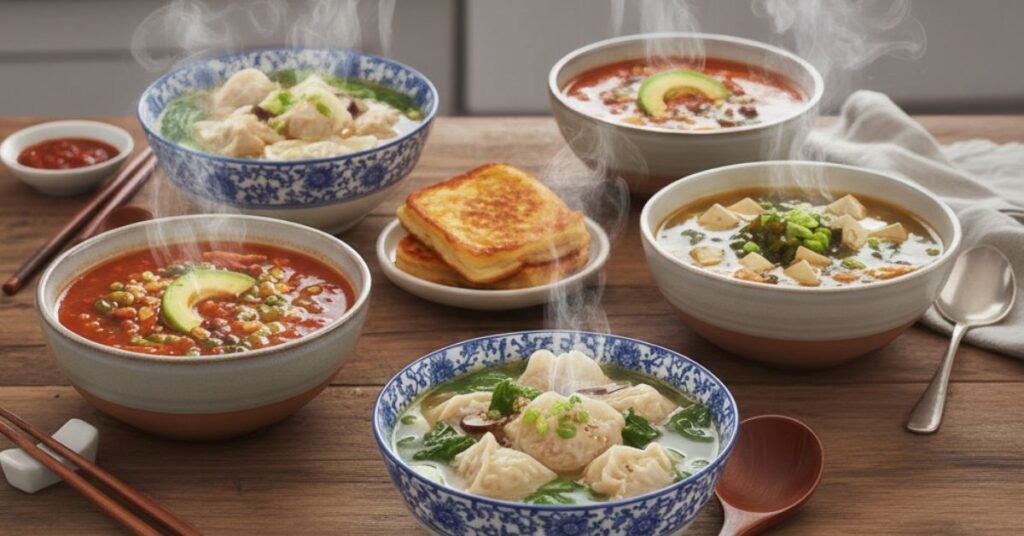
In today’s fast-paced world, finding time to prepare healthy, home-cooked meals can feel like an impossible task. However, what if you could prepare restaurant-quality soups in just 10 minutes? These quick soup recipes are about to transform your weeknight dinners forever. Why Quick Soup Recipes Are Perfect for Modern Living Quick soup recipes have become increasingly popular among home cooks, and for good reason. These fast soup ideas offer the perfect solution when you’re short on time but refuse to compromise on nutrition or taste. Whether you’re a busy professional, a parent juggling multiple responsibilities, or simply someone who values efficiency in the kitchen, 10-minute soups deliver exceptional results without the usual time investment. Key Benefits of 10-Minute Soups Essential Ingredients for Your Quick Soup Pantry Building a well-stocked pantry is the secret to mastering healthy soup recipes in minimal time. Pantry Staples Checklist Category Essential Items Why You Need Them Broths & Stocks Chicken, vegetable, beef broth Forms the flavorful base Canned Goods Diced tomatoes, beans, corn Adds instant nutrition Frozen Items Mixed vegetables, spinach Pre-cut, time-saving Aromatics Garlic, onions, ginger Creates depth of flavor Seasonings Herbs, spices, salt, pepper Elevates taste instantly Must-Have Shopping List Broths and Liquids: Canned Items: Frozen Vegetables: Proteins: Herbs and Spices: Five Amazing 10-Minute Soup Recipes 1. Classic Egg Drop Soup Ingredients: 4 cups chicken broth, 2 eggs (beaten), 1 tbsp soy sauce, 1 tsp sesame oil, 2 green onions, white pepper Instructions: Heat chicken broth until simmering, add soy sauce and sesame oil. While whisking the broth in a circular motion, slowly pour in beaten eggs to create delicate ribbons. Add sliced green onions and white pepper. 2. Quick Tomato Basil Soup Ingredients: 1 can crushed tomatoes, 2 cups vegetable broth, 1 tsp minced garlic, pinch of sugar, fresh basil leaves, splash of cream Instructions: Combine crushed tomatoes with vegetable broth in a pot. Add minced garlic and sugar, bring to a simmer. Stir in fresh basil leaves and cream for richness. 3. Lightning-Fast Wonton Soup Ingredients: 4 cups chicken broth, 12-15 frozen wontons, 1 cup baby spinach, 1/2 cup sliced mushrooms, 1 tsp sesame oil, 2 tbsp soy sauce, scallions Instructions: Bring chicken broth to a boil and add frozen wontons. Cook for 5 minutes. Add baby spinach, mushrooms, sesame oil, soy sauce and garnish with scallions. 4. Speedy Tortilla Soup Ingredients: 3 cups chicken broth, 1 can diced tomatoes with green chilies, 1 can black beans, 1 cup frozen corn, cumin, chili powder, lime juice, toppings (tortilla chips, cheese, avocado) Instructions: Simmer chicken broth with diced tomatoes, black beans, and frozen corn. Season with cumin, chili powder, and lime juice. Top with crushed tortilla chips, cheese, and avocado. 5. Instant Miso Soup with Tofu Ingredients: 4 cups water, 3 tbsp miso paste, 1 cup silken tofu (cubed), 2 tbsp wakame seaweed, 2 green onions Instructions: Heat water until just before boiling. Whisk in miso paste until dissolved. Add cubed tofu, wakame, and green onions. Never boil after adding miso paste. Recipe Comparison Table Soup Type Total Time Difficulty Best For Egg Drop 10 min Easy Light meal,appetizer Tomato Basil 10 min Easy Comfort food Wonton 10 min Very Easy Dinner Tortilla 10 min Easy Hearty meal Miso 10 min Very Easy Healthy option Expert Tips for Maximum Efficiency Time-Saving Strategies Flavor Enhancement Tricks Nutritional Benefits These healthy soup recipes prove that quick cooking doesn’t mean sacrificing nutrition. Health Benefits Benefit Key Ingredients High in Vegetables Spinach, tomatoes, carrots Protein-Rich Chicken, tofu, beans, eggs Low Calorie Broth-based soups Hydrating All liquid-based soups Gut-Friendly Miso, vegetables Key Advantages Conclusion Mastering quick soup recipes transforms how you approach weeknight cooking. These 10-minute wonders prove that delicious, nutritious, homemade meals don’t require hours in the kitchen. By keeping a well-stocked pantry and learning a handful of reliable recipes, you’ll never again feel forced to choose between convenience and quality. The beauty of these simple soup recipes lies in their flexibility. Once you understand the basic techniques, you can improvise with whatever ingredients you have on hand. Start with one or two recipes that appeal to you, and soon you’ll be creating your own speedy soup variations. Your future self will thank you for discovering the magic of 10-minute soups. Frequently Asked Questions Q: Can I make these soups ahead of time? A: Yes! Store in the refrigerator for 3-4 days. Soups with noodles are best made fresh as noodles become mushy when reheated. Q: How do I store leftover soup? A: Cool to room temperature, transfer to airtight containers. Refrigerate up to 4 days or freeze up to 3 months. Q: Can I freeze these soups? A: Most freeze well except those with dairy or pasta. Egg drop and miso soup are best enjoyed fresh. Q: How can I make soup thicker? A: Add cornstarch slurry, mash some vegetables, stir in instant potato flakes, or blend a portion of the soup. Q: Can I substitute ingredients? A: Absolutely! Swap broths, use any vegetables on hand, and substitute dried herbs for fresh (use 1/3 the amount). Q: How do I add more protein? A: Add shredded chicken, cooked shrimp, tofu, canned beans, or a poache eggs. Calculate My Calories
The Ultimate Guide to Soup Recipes: Nourishing Your Soul One Bowl at a Time
Recipes

The Ultimate Guide to Soup Recipes: Nourishing Your Soul One Bowl at a Time

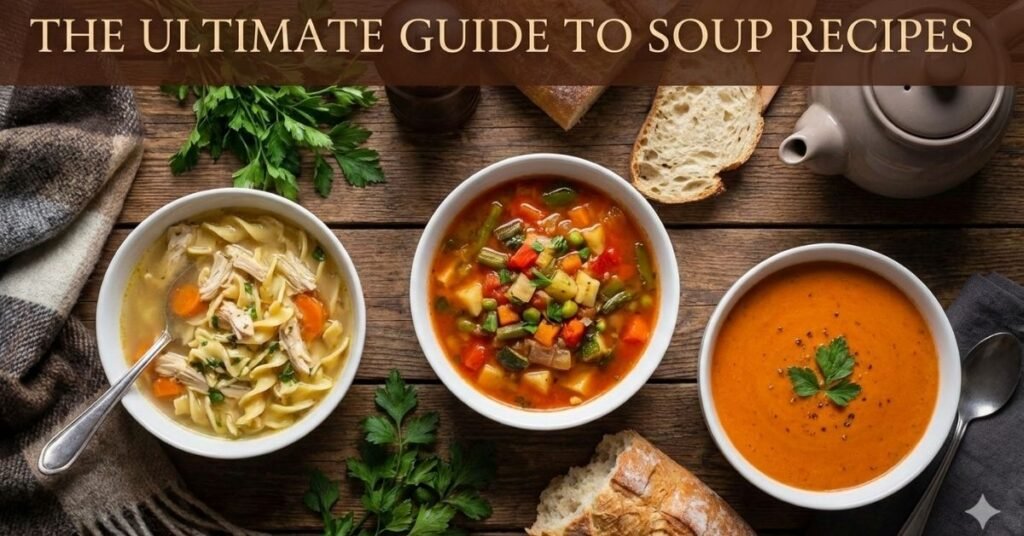
There is something undeniably magical about a simmering pot on the stove. Whether it is the rhythmic bubbling of a broth or the aromatic steam filling the kitchen, soup is more than just a meal—it is a universal language of comfort. In a world of fast food and instant snacks, winter comfort food like a well-crafted soup offers a return to slow, intentional, and healthy eating. 1. Why Soup is the Ultimate Superfood Before diving into the recipes, it is essential to understand why soups have been a dietary staple for centuries. Soup allows you to consume a high volume of vegetables and proteins in a form that is easy for the body to digest. Quick Comparison: Popular Soup Bases Soup Type Primary Benefit Best For Bone Broth High in Collagen & Minerals Joint health and gut healing Vegetable Stock Low Calorie & High Fiber Weight loss and detoxification Cream-Based High Energy & Comfort Satiety and cold winter nights Clear Broth Hydration Recovery from illness (Cold/Flu) 2. The Classic: Easy Chicken Soup When you are feeling under the weather or simply need a “hug in a bowl,” an easy chicken soup is the gold standard. This recipe focuses on simplicity and high-quality ingredients. Ingredients Checklist: Instructions: 3. Hearty & Healthy Vegetable Soup Recipes Vegetable soups often get a bad reputation for being “thin.” However, by using the right techniques, you can create a hearty meal that even meat-eaters will crave. Here are some one-pot soup ideas to keep your kitchen clean and your belly full: Top Vegetables for Richer Flavor: 4. Pro-Level Secrets: How to Thicken Your Soup One of the most common questions in soup recipes is how to achieve that perfect “restaurant-style” consistency. Thickening Methods Comparison Table Method Technique Best Used In Roux Flour and butter cooked together Creamy soups (Chowders) Slurry Cornstarch mixed with cold water Clear soups (Corn Soup) Pureeing Blending a portion of the veggies Bean or Potato soups Grains Adding oats, barley, or rice Broth-based stews 5. Troubleshooting: Common Soup Mistakes Even expert chefs can run into trouble. Here is how to fix common issues: 6. Storage and Food Safety  To ensure your homemade soup for cold storage is safe, follow these expert guidelines: Conclusion Whether you are seeking winter comfort food to survive the chill or looking for easy chicken soup to heal a loved one, mastering these basics will make you a hero in the kitchen. Remember, soup is an art, not just a recipe—don’t be afraid to taste, adjust, and experiment! Frequently Asked Questions (FAQs) Q1: What is the secret to a flavorful soup? The secret is “layering.” Don’t just boil everything at once. Sauté your onions and aromatics first, deglaze the pan with a little liquid to pick up the browned bits, and then add your broth. Q2: Can I make these soup recipes in a Slow Cooker? Absolutely. Most one-pot soup ideas are perfect for slow cookers. Simply add all ingredients (except dairy and fresh herbs) and cook on “Low” for 6-8 hours. Q3: How do I make my soup vegetarian but still “meaty”? Use “Umami” rich ingredients. Adding soy sauce, nutritional yeast, dried mushrooms, or a parmesan rind to a healthy vegetable soup recipe provides a deep, savory flavor similar to meat. Q4: Is soup actually good for a cold? Yes. Scientific studies suggest that chicken soup can inhibit the movement of neutrophils (white blood cells that cause inflammation), effectively reducing upper respiratory cold symptoms. Q5: Which soup is best for weight loss? Broth-based vegetable soups are best. They have low energy density but high volume, meaning they fill you up for very few calories. Calculate My Calories

Is Sushi Healthy for Weight Loss? A Simple Guide
Sushi (Calories & Nutrition)

Is Sushi Healthy for Weight Loss? A Simple Guide

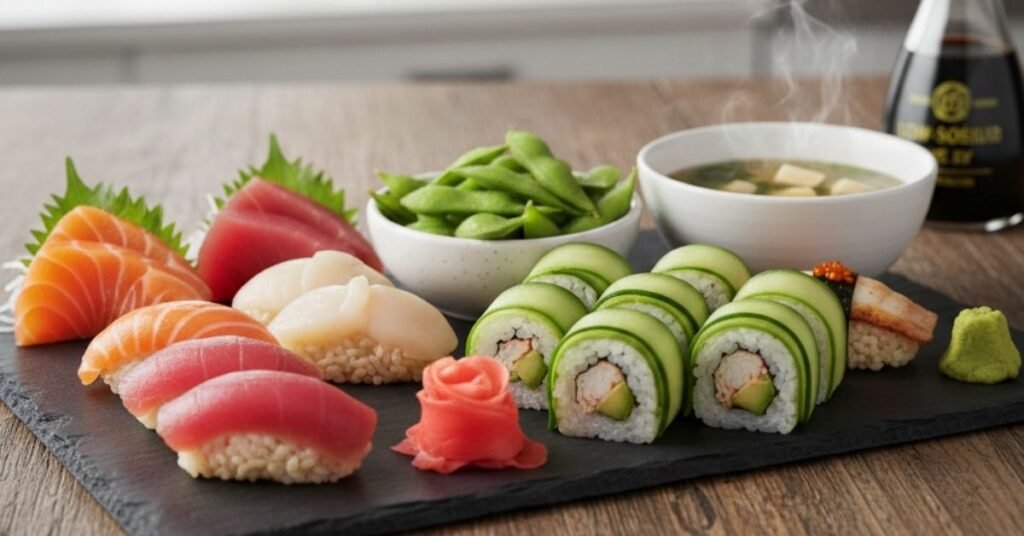
Many people think sushi is the perfect “diet food.” It looks fresh and healthy, but is it really good for losing weight? The answer is: It depends on what you pick. Some sushi can help you lose weight, while other types are full of hidden calories. In this guide, we will look at sushi nutrition facts and help you find the best sushi for weight loss. 1. What is in Your Sushi? (The Basics) To understand if sushi is healthy, we need to look at the ingredients: 2. Best Sushi Choices for Your Diet If you want to lose weight, you should choose simple items. Here are the top picks: Sashimi (The Best Choice) If you ask, “Is sashimi good for dieting?” the answer is a big YES. Sashimi is just slices of fresh fish without any rice. It is pure protein and has very few calories. Naruto Rolls These are special rolls where the chef uses thin cucumber slices instead of rice. These are the ultimate low calorie sushi rolls. Brown Rice Sushi If you must have rice, ask for brown rice. It has more fiber, which keeps you full for a longer time. 3. Comparison Table: Calories in Sushi This table shows which sushi is good for a diet and which one you should avoid. Type of Sushi Calories (6 pieces) Diet Friendly? Why? Salmon Sashimi 120 – 150 Yes No rice, just protein. Cucumber Roll 100 – 130 Yes Very light and healthy. Tuna Nigiri 200 – 240 Okay Some rice, but good protein. California Roll 250 – 300 Be Careful Has mayo and sugar. Spicy Tuna Roll 300 – 400 No High fat due to spicy sauce. Tempura Roll 500+ No Deep-fried and oily. 4. Watch Out for These “Hidden” Calories Sometimes, healthy sushi becomes unhealthy because of these extras: 5. Simple Tips to Eat Sushi and Lose Weight 6. Conclusion  Is sushi healthy for weight loss? Yes, it can be! If you stick to sashimi, vegetable-heavy rolls, and avoid fried toppings and heavy sauces, sushi is a great meal for weight loss. The secret is to keep it simple. The more “natural” the sushi looks, the better it is for your waistline. Frequently Asked Questions (FAQs) 1. How many sushi pieces should I eat for weight loss?  For a balanced weight loss meal, aim for 6 to 8 pieces of sushi. To feel more full without adding many calories, pair your sushi with a side of Miso soup or a green salad. 2. Which sushi roll has the lowest calories?   The Cucumber Roll (Kappa Maki) and the Vegetable Roll are usually the lowest in calories, ranging from 100 to 150 calories per roll. However, Sashimi is the best choice overall because it has no rice and is almost zero carbs. 3. Is the rice in sushi bad for dieting?  Sushi rice isn’t “bad,” but it is a refined carb and contains added sugar and vinegar. If you eat too much, it can increase your calorie intake quickly. Choosing brown rice or asking for “easy rice” (less rice) can help. 4. Can I eat soy sauce while trying to lose weight?  Yes, but be careful. Soy sauce is very high in sodium (salt), which can cause water retention and bloating. Always try to use “Low-Sodium” soy sauce (usually the bottle with the green cap) and use it sparingly. 5. Is spicy tuna healthy for weight loss?  While tuna is healthy, “Spicy Tuna” is usually mixed with mayonnaise, which is high in fat and calories. If you want to lose weight, it is better to order regular tuna and add a little wasabi for heat instead of the spicy mayo.

The Ultimate Guide to different types of sushi: Exploring Japanese Culinary Art
Sushi (Calories & Nutrition)

The Ultimate Guide to different types of sushi: Exploring Japanese Culinary Art

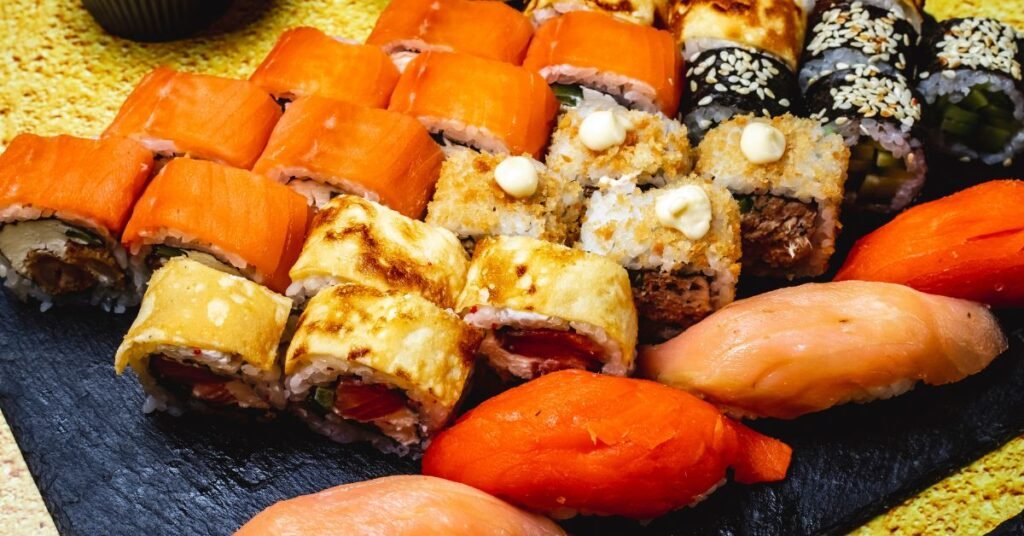
Sushi is more than just a meal; it is a centuries-old Japanese art form that balances flavor, texture, and aesthetics. While many people associate sushi exclusively with “raw fish,” the term actually refers to the vinegared rice, known as Shari, which serves as the foundation for every piece. In this guide, we will explore the most popular varieties, cultural etiquette, and everything you need to know to navigate a sushi menu like an expert. 1. Nigiri (Nigirizushi): The Purest Form of Sushi Nigiri is the most traditional and authentic Japanese sushi. It consists of a hand-pressed mound of vinegared rice topped with a thin slice of fresh seafood. Sometimes, a tiny dab of wasabi is placed between the rice and the fish to enhance the flavor. 2. Maki (Makizushi): The Classic Seaweed Rolls When comparing Nigiri vs Maki, the primary difference is the structure. Maki consists of fish, vegetables, and rice rolled inside a sheet of Nori (dried seaweed) using a bamboo mat. 3. Uramaki: The Famous Inside-Out Rolls Uramaki is a modern twist on traditional sushi that gained massive popularity in Western countries. In this style, the rice is on the outside, and the seaweed is hidden on the inside. Often, the rice is coated with sesame seeds or fish roe for extra texture. 4. Temaki: The Casual Hand-Rolled Cone Temaki is a large, cone-shaped piece of sushi designed to be eaten with your hands rather than chopsticks. It is packed with rice, fish, and julienned vegetables like sprouts or cucumber. 5. Sashimi: Pure Flavor Without the Rice While often served at sushi restaurants, Sashimi is technically not sushi because it does not contain rice. It consists of thin, premium slices of raw fish or meat served with shredded daikon radish. 6. Chirashi: The Beautiful Scattered Sushi Bowl Chirashi, meaning “scattered,” is a bowl of sushi rice topped with a variety of raw fish and garnishes. It is a colorful, easy-to-eat alternative to rolls and is often served on special occasions or at home in Japan. It offers a little bit of everything in one bowl. 7. Summary Comparison: Which Sushi is Right for You? To help you decide what to order, here is a quick comparison table: Sushi Type Rice Position Seaweed (Nori) Best For… Nigiri Bottom (Mound) None (usually) Purists who love fresh fish flavor. Maki Inside Outside Those who like traditional, bite-sized rolls. Uramaki Outside Inside Beginners and fans of Western fusion flavors. Temaki Inside Outside (Cone) A casual, handheld snack or quick meal. Sashimi None None Low-carb lovers focusing solely on the fish. 8. Essential Sushi Eating Etiquette and Safety To show respect for the craft and enjoy the best flavors, follow these professional tips: Conclusion Whether you prefer the simplicity of Nigiri, the variety of Maki, or the bold flavors of Uramaki, there is a type of sushi for every palate. By understanding the different types of sushi, you can appreciate the skill and history behind every bite. Next time you visit a Japanese restaurant, step outside your comfort zone and try something new! Frequently Asked Questions (FAQs) Q1: Is all sushi raw? No. Many types of sushi use cooked ingredients, such as Unagi (grilled eel), Ebi (boiled shrimp), or Tamagoyaki (sweet omelet). There are also many vegetarian options like cucumber or avocado rolls. Q2: Can I eat sushi if I am pregnant? Health experts generally advise pregnant women to avoid raw fish. However, cooked sushi (like California rolls with imitation crab or veggie rolls) is usually considered safe. Q3: What are the health benefits of sushi? Sushi is rich in Omega-3 fatty acids (from fish), which are great for heart health. The seaweed (Nori) provides essential minerals like iodine, and the rice provides a clean source of energy. Q4: How do I know if the fish is fresh? Fresh fish should have no “fishy” smell; it should smell like the ocean. The texture should be firm, not mushy, and the color should be vibrant.

The Ultimate Guide to Perfect Air Fryer Boiled Eggs: A Culinary Game-Changer
Recipes

The Ultimate Guide to Perfect Air Fryer Boiled Eggs: A Culinary Game-Changer

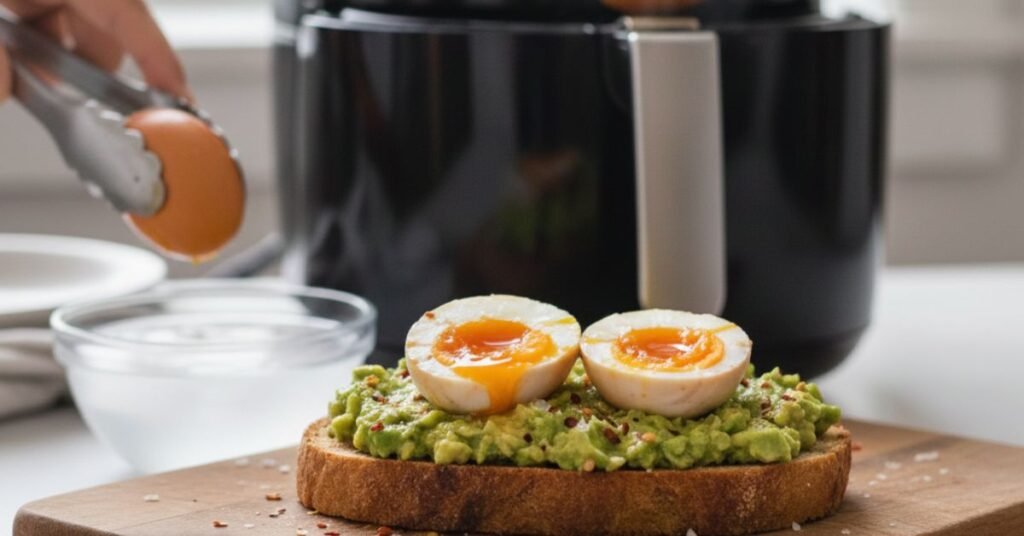
In the fast-paced world of modern cooking, the air fryer has emerged as the undisputed king of convenience. While it is famous for crispy fries, its ability to produce perfect “boiled” eggs without a single drop of boiling water is perhaps its most underrated feature. As a kitchen expert who has tested hundreds of convection-based recipes, I can confirm that the air fryer egg hack is not just a viral trend; it is a scientifically sound method for achieving consistent results. Why the Air Fryer Method Wins Traditional boiling relies on water as the heat conductor. However, water temperature can vary based on altitude and how high you set your stove. An air fryer maintains a steady environment, ensuring the yolk is exactly how you like it every single time. Why This Method is Superior: 1. The Master Timing & Temperature Chart The secret to success is the 250°F (120°C) setting. Higher temperatures can lead to rubbery whites and scorched shells. Use this table as your definitive guide: Desired Result Time at 250°F (120°C) Texture Description Best Used For Soft Boiled 9 – 10 Minutes Liquid gold yolk, set whites Toast soldiers & Dipping Jammy Eggs 11 – 12 Minutes Custard-like, creamy center Ramen & Avocado Toast Medium Boiled 13 Minutes Fully set but tender yolk Niçoise Salads Hard Boiled 15 Minutes Firm, pale yellow yolk Deviled Eggs & Meal Prep 2. Essential Tools and Ingredients Before you start, ensure you have the following ready: 3. Step-by-Step Instructions Step 1: Loading the Basket Place your eggs in the air fryer basket in a single layer. Step 2: Setting the Controls Set the temperature to 250°F (120°C). Select your time based on the chart above. For most beginners, 12 minutes for a jammy egg is the perfect starting point. Step 3: The Thermal Shock (Ice Bath) When the timer dings, move quickly! Step 4: Peeling Gently crack the shell all over. The ice bath causes the egg to contract, making the shell slip off in large, satisfying pieces. 4. Exclusive Air Fryer Egg Recipes Recipe 1: The “Gourmet” Jammy Egg Avocado Toast This recipe is the perfect showcase for the air fryer soft boiled eggs technique, delivering a rich, custard-like yolk every time. Ingredients: Instructions: Recipe 2: Healthy High-Protein Air Fryer Egg Salad Using the easy peel hard boiled eggs air fryer method, this recipe provides a clean, high-protein meal perfect for lunch or post-workout snacking. Ingredients: Instructions: 5. Troubleshooting Common Issues Even with the best guide, things can go wrong. Here is how to fix them: 6. Pro-Tips for Success Conclusion Mastering no-water boiled eggs is a transformative skill for any home cook. By following these precise timings and the mandatory ice bath step, you eliminate the mess and the guesswork. Whether it’s for breakfast, a quick snack, or a sophisticated salad topping, your air fryer is officially the best way to “boil” an egg. Frequently Asked Questions (FAQs) Q1: Can I cook 12 eggs at once? Yes. As long as they are in a single layer. The air fryer egg hack works for any quantity that fits comfortably in your basket. Q2: Is it safe to cook eggs without water? Yes. Scientific studies show that as long as the internal temperature reaches 160°F, the eggs are safe to consume. Convection heat is just as effective as conduction (boiling water). Q3: Why 250°F instead of 400°F? Cooking at high heat makes the proteins in the egg whites tough and rubbery. Low and slow (250°F) keeps them tender. Q4: Do I need to flip the eggs? No. The air fryer circulates air 360 degrees around the eggs, so they cook evenly without being moved.

How to Boil Eggs Perfectly: The Ultimate Fail-Proof Guide (2026)
Recipes

How to Boil Eggs Perfectly: The Ultimate Fail-Proof Guide (2026)

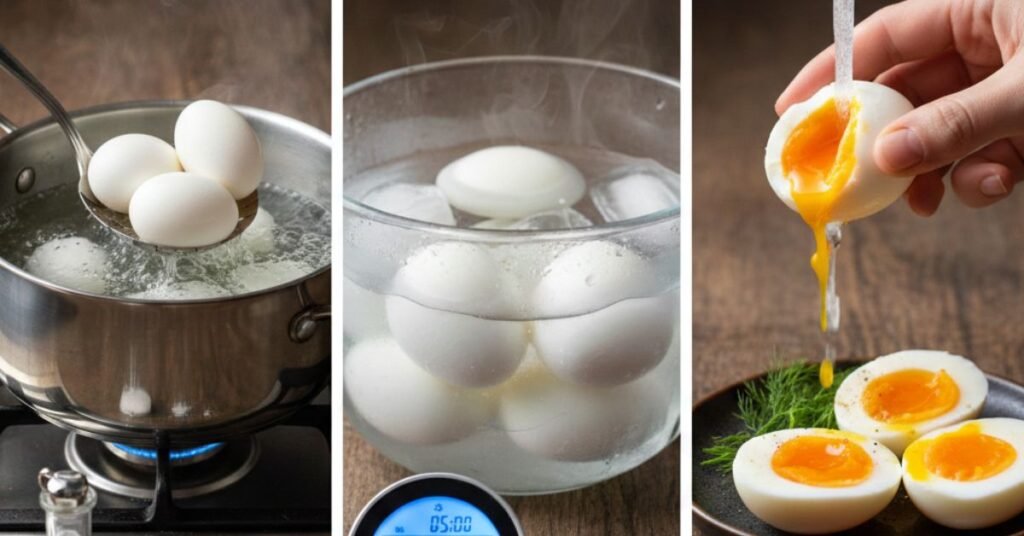
Boiling an egg is often the very first thing we learn in the kitchen, yet it remains one of the most debated topics. This guide provides a scientific approach to achieving the perfect egg every time. 1. Quick Summary: The Essential Checklist Before you start, ensure you have these basics ready: 2. The Definitive Egg Timing Chart Use this table to choose your desired yolk consistency. These timings are based on the “Hot Start” method (dropping eggs into boiling water). Boiling Time Yolk Description Best For… 6 Minutes Liquid gold, very runny Dipping toast soldiers 7 Minutes “Jammy” and custardy Ramen bowls & Avocado toast 8 Minutes Soft-set but creamy gold Protein-packed salads 10 Minutes Fully set, bright yellow Standard breakfast/Snacks 12 Minutes Firm and light yellow Deviled eggs & Egg salad 14+ Minutes Very hard and dry Grating over dishes 3. Comparing Methods: Cold Start vs. Hot Start Which method should you use? Here is a quick comparison: Cold Start Method Hot Start Method (Recommended) 4. Step-by-Step Instructions Follow these bulleted steps for a flawless result: 5. Pro-Tips for “Easy-Peel” Success If you struggle with shells sticking to the whites, try these expert hacks: 6. Troubleshooting Common Mistakes Are your eggs not coming out right? Check these common issues: 7.Conclusion  Mastering the boiled egg is about Control. By using a timer and an ice bath, you take the guesswork out of the process. Whether you want a “Jammy” Ramen egg or a firm egg for your salad, these steps ensure success every single time. 8. Frequently Asked Questions (FAQs)

The Ultimate Guide to Low Carb Meal Prep for Beginners: Master Your Health and Time
meal prep

The Ultimate Guide to Low Carb Meal Prep for Beginners: Master Your Health and Time

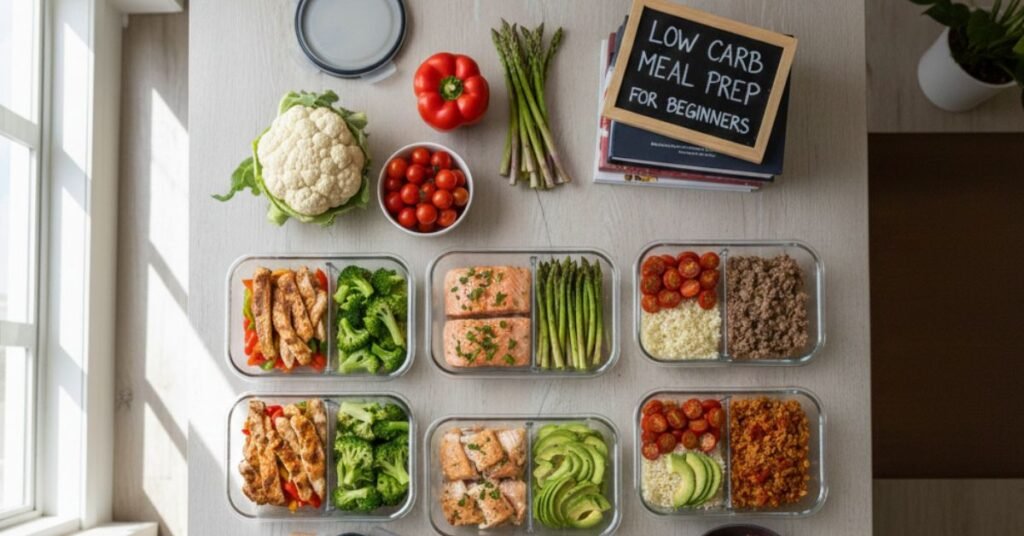
The transition to a low-carb lifestyle is a powerful move for weight management, blood sugar control, and sustained energy levels. However, the most common reason people fail within the first two weeks isn’t a lack of willpower—it’s a lack of preparation. When you are tired after a long workday, your brain naturally seeks the quickest source of energy: carbohydrates. Low carb meal prep for beginners is the strategic solution to this biological trap. By preparing your meals in advance, you remove the “choice” and replace it with a “ready-to-eat” healthy reality. 1. Understanding the Low Carb Framework Before you start chopping vegetables, you must understand what “Low Carb” means for your body. Unlike a standard diet where 50-60% of calories come from carbs, a low-carb diet typically limits intake to between 20g and 100g of net carbs per day, depending on your goals. The “Net Carb” Calculation To meal prep effectively, you need to understand Net Carbs. This is the only number that truly impacts your blood sugar. $$Net\ Carbs = Total\ Carbohydrates – Fiber$$ Since fiber isn’t digested, it doesn’t count toward your daily limit. 2. Essential Low Carb Grocery List A successful meal prep starts at the grocery store. Beginners should focus on “whole foods” found in the outer aisles. Proteins (The Foundation) Vegetables (The Bulk) Focus on “above-ground” vegetables, as they are generally lower in starch: Healthy Fats (The Energy) 3. Weekly Low Carb Prep Strategy (Step-by-Step) Step 1: The “Power Hour” Planning Do not go to the store without a plan. Spend 20 minutes on Friday night picking 3 main proteins and 4 vegetables. This prevents “impulse buying” of high-carb snacks. Step 2: Batch Cooking Instead of cooking 21 individual meals, cook components. Step 3: The Assembly Line Use airtight, BPA-free containers. Layer your food to prevent sogginess: 4. Comparison Table: Low Carb vs. Traditional Meal Prep Feature Traditional Meal Prep Low Carb Meal Prep Main Base Rice, Pasta, or Potatoes Cauliflower Rice, Zoodles, or Greens Primary Energy Source Glucose (Carbohydrates) Healthy Fats & Protein Satiety Level Moderate (may feel hungry fast) High (Protein/Fat keep you full longer) Prep Focus Boiling grains Roasting veggies & Searing meats Blood Sugar Impact High Spikes Stable & Consistent 5. Low Carb Meal Prep on a Budget One of the biggest myths is that low carb is only for the wealthy. Here is how to keep costs down: 6. Sample 3-Day Beginner Meal Plan Day Breakfast Lunch Dinner Day 1 2 Boiled Eggs + 1/2 Avocado Grilled Chicken + Spinach Salad Ground Beef + Zucchini Noodles Day 2 Low-Carb Yogurt + Walnuts Leftover Ground Beef Stir-fry Baked Salmon + Roasted Broccoli Day 3 Spinach & Feta Omelet Tuna Salad (no bread) + Celery Chicken Thighs + Cauliflower Mash 7. Storage, Reheating, and Food Safety To maintain the Experience and Trustworthiness of your prep: 8. Conclusion Success in low carb meal prep for beginners doesn’t require being a chef. It requires a system. By focusing on simple protein-veggie combinations, buying in bulk, and dedicating a few hours a week to batch cooking, you can transform your health without the daily stress of “what’s for dinner?”  (FAQs) Q: Can I eat beans or lentils? A: Most beans are high in starch. For strict low-carb, avoid them. For a moderate approach, black beans can be used in small quantities. Q: How do I handle the “Keto Flu” during the first week? A: This is usually dehydration. Increase your salt (sodium) and magnesium intake. Drinking bone broth is a great beginner hack. Q: Is “Dirty Keto” or “Low Carb Fast Food” okay? A: While it may be low in carbs, processed meats and cheap oils increase inflammation. Stick to whole foods for the best health results. Q: What are the best low-carb snacks? A: Almonds, string cheese, olives, and cucumbers with cream cheese are excellent prep-friendly snacks.

Scroll to Top