prepslim.com

Recipes

3 Best Chicken Sausage Recipes (Nutritionist-Approved)
Recipes

3 Best Chicken Sausage Recipes (Nutritionist-Approved)

Editor’s Note: This article has been comprehensively updated to reflect the latest nutritional guidelines and meal-prepping strategies. Our goal is always to provide high-quality, actionable advice, which is why this guide now includes precise macro details, budget-friendly kitchen swaps, and expert food storage safety tips to help you reach your health goals seamlessly. As a professional nutritionist, I spend my days helping people figure out how to eat well without spending three hours in the kitchen. One of the most common questions I get is: “Kiran, what can I eat that is fast, high in protein, and actually tastes good?” My secret weapon is almost always chicken sausage. I keep my freezer stocked with it because it is the ultimate “emergency” healthy food. In this guide, I’m sharing my three personal favorite chicken sausage recipes that I personally cook at home. These are designed for low carb sausage meal prep and guaranteed weight loss results. The Nutritionist’s Perspective: Why Chicken Sausage? When I look at a client’s meal plan, I look for two things: Satiety and Micronutrients. Chicken sausage wins in both categories. Unlike traditional pork sausages, which are often loaded with saturated fats and fillers, high-quality chicken sausage is lean. Why I Recommend It: Smart Batch Cooking: How to Meal Prep Chicken Sausage Without It Getting Dry One of the biggest complaints I hear from clients looking for a low carb sausage meal prep routine is that pre-cooked chicken sausage can become dry when reheated. To solve this, your intent should be to under-cook your vegetables slightly during your initial prep. When you reheat your meal prep container in the microwave for lunch, the moisture released from veggies like broccoli or bell peppers will naturally steam the chicken sausage links, keeping them incredibly juicy and tender. How to Choose the Right Chicken Sausage Not all sausages are created equal. When you are at the grocery store, I want you to read the labels carefully. As a nutritionist, here is what I look for: 1. My “Busy Weeknight” Sheet Pan Roast This recipe is my personal lifesaver. On days when I have back-to-back consultations and zero energy to cook, I throw everything on a tray and let the oven do the work. Ingredients Needed: Step-by-Step Instructions: Why this works for Weight Loss: This meal is high in volume but low in calories. The fiber from the broccoli and peppers fills your stomach, while the protein from the sausage keeps you full until morning. 2. The 10-Minute Low-Carb Zoodle Skillet When I’m craving pasta but want to stay in a calorie deficit, I turn to “Zoodles” (Zucchini Noodles). This is a staple chicken sausage recipe for weight loss. Ingredients Needed: Instructions: My Personal Tip: Zucchinis are 95% water. If you cook them longer than 2 minutes, they will turn into a watery mess! Nutritionist’s Note: By replacing traditional pasta with zucchini, you are saving over 300 calories and 40g of carbohydrates per serving. This is how you eat “pasta” and still lose weight! Budget Nutritionist Tip: If high-quality organic chicken sausage is out of your budget this week, you can easily substitute it with lean ground chicken rolled into small homemade sausage rounds using garlic powder, dried sage, and red pepper flakes. It gives the exact same macro profile while keeping your grocery bill low! 3. Air Fryer Sausage & Pepper Fajitas If you own an air fryer, you need to try this. It’s a quick dinner idea with chicken sausage that feels like a “cheat meal” but is actually very clean. Ingredients: Instructions: Nutritional Breakdown Table Recipe Name Serving Size Calories Protein Net Carbs Fat Sheet Pan Roast 1 Plate 310 kcal 22g 12g 11g Zoodle Skillet 1 Bowl 240 kcal 19g 8g 9g Air Fryer Fajitas 2 Wraps 290 kcal 21g 10g 10g Why You Should Use a Macro Calculator As a nutritionist, I believe that “what gets measured, gets managed.” Even healthy recipes can lead to weight gain if you eat too much of them. That is why I always recommend using a Macro Calculator. By entering your height, weight, and activity level into our calculator, you can find out exactly how many of these sausage links you should be eating. For most of my female clients, a serving of 1.5 to 2 links per meal is the “sweet spot” for fat loss. 📊 Calculate Your Macros Now The 4-Day Freshness Rule: Storage Tips for Busy Weeks If your goal is to save time during the week, formatting your storage correctly is key. Cooked chicken sausage recipes stay perfectly fresh in airtight glass containers for up to 4 days. Conclusion Your journey to a healthier version of yourself doesn’t have to be boring. These healthy chicken sausage recipes are proof that you can eat delicious, flavorful food while maintaining a calorie deficit. I want you to try the Sheet Pan Roast this week. It’s the easiest way to start your low carb sausage meal prep journey. Don’t forget to use the Macro Calculator on my site to tailor these meals to your specific needs! (FAQs) Disclaimer: Consult your doctor before starting any diet plan. About the Author:Kiran is a professional nutritionist and the founder of Prepslim. With years of experience in performance-driven nutrition and digital wellness, she specializes in creating practical, macro-friendly meal plans and interactive digital health tools that simplify healthy living for busy professionals. Kiran’s food philosophy focuses on high-protein, time-saving recipes that deliver real weight loss results without sacrificing flavor.

The Ultimate Guide to the Perfect Cucumber Salad: 5 Recipes, Tips, and Nutrition
Recipes

The Ultimate Guide to the Perfect Cucumber Salad: 5 Recipes, Tips, and Nutrition

Editor’s Note Editor’s Note: This article has been clinically reviewed and updated for 2026 to ensure all nutritional data, macro metrics, and dietary protocols align with the latest evidence-based guidelines in metabolic health and preventative nutrition. Welcome to the ultimate guide on one of the most versatile and refreshing dishes in the world: The Cucumber Salad. As a professional nutritionist, I believe that healthy eating doesn’t have to be complicated. A simple cucumber can be transformed into a culinary masterpiece that supports your health, keeps you hydrated, and tastes incredible. In this 1200-word guide, we will explore the science of cucumbers, how to keep them crunchy, and five unique recipes from around the world. Why This Blog is Different  Most recipes online leave you with a soggy, watery mess. Based on my professional experience in nutrition and food prep, I will teach you the “Salting Technique” and the nutritional value behind every bite. This isn’t just a recipe; it’s a masterclass in healthy meal prep. Why Cucumber Salads are a Nutritionist’s Ultimate Weight Loss Weapon When it comes to sustainable weight loss and healthy meal prepping, the humble cucumber is an absolute superstar. Cucumbers are roughly 95% water, meaning they provide incredible cellular hydration while being exceptionally low in caloric density. This allows you to eat a massive, satisfying volume of food without overloading your daily calorie budget. But eating plain cucumber slices can get boring quickly. That is why modifying your cucumber salads with diverse culinary profiles, like the Mediterranean zest, German creaminess, or Asian spice, is the ultimate hack to stick to your wellness goals. By swapping heavy, store-bought dressings for nutrient-dense, whole-food alternatives, we can transform a simple side dish into a metabolism-boosting, gut-healthy powerhouse. Let’s dive into these 5 macro-friendly variations that will keep your meal prep exciting! 1. The Nutritional Power of Cucumbers Before we dive into the recipes, let’s look at why you should eat more cucumbers. Key Health Benefits: Nutrition Comparison Table Ingredient (100g) Calories Fiber Water Content Main Vitamin English Cucumber 15 kcal 0.5g 95% Vitamin K Tomato 18 kcal 1.2g 94% Vitamin C Feta Cheese 264 kcal 0g 55% Vitamin B12 Greek Yogurt 59 kcal 0g 80% Calcium Calculate My Calories 2. My Professional Tip: The “Anti-Soggy” Secret Personal Tip: Whenever I prepare a salad for a blog or a client, I never skip the “Sweating Process.” Cucumbers hold a lot of water. If you slice them and immediately add dressing, the salt in the dressing will pull the water out, making your salad soup-like. The Fix: Slice your cucumbers, sprinkle a teaspoon of salt, let them sit in a colander for 15 minutes, then pat them dry with a clean cloth. This ensures your salad stays crunchy for hours! 3. Five Global Cucumber Salad Recipes Recipe 1: The Classic Mediterranean (The Crowd Pleaser) This is the gold standard for healthy side dishes. Recipe 2: Creamy German Gurkensalat (The Comfort Food) A traditional recipe that feels indulgent but stays light. Recipe 3: Spicy Asian “Smashed” Salad (The Flavor Bomb) By “smashing” the cucumbers with a knife, you create crags and nooks that hold the dressing better. Recipe 4: The Mexican Street Style (Zesty & Fresh) Inspired by “Elotes,” this is a refreshing take on street food. Recipe 5: The “Green Goddess” Detox Salad A powerhouse of green nutrients. How to Store Your Cucumber Salads for Meal Prep Because cucumbers have such a high water content, storing them can sometimes result in a soggy salad. To keep your salads crisp and fresh for 2–3 days in the fridge, follow these professional meal-prep storage rules: 4. How to Choose the Best Cucumbers Not all cucumbers are created equal. To ensure your blog readers get the best results, suggest these types: 5. Storage and Meal Prep Tips Conclusion Building a healthy cucumber salad is an art that combines nutrition with flavor. Whether you choose the spicy Asian style or the creamy German version, you are fueling your body with hydration and vitamins. Remember to use my “salting tip” to ensure your salad stays professional and crunchy! (FAQs) Q1: Do I need to peel the cucumbers before making these salads? A: If you are using English or Persian cucumbers, there is no need to peel them! Their skins are thin, tender, and packed with vitamins and insoluble fiber. However, if you are using standard wax-coated slicing cucumbers, it is best to peel them or score them with a fork. Q2: Can I use regular yogurt instead of Greek yogurt for the German salad? A: I highly recommend sticking to plain Greek yogurt. Regular yogurt is much thinner and contains more liquid, which will make your salad watery. Greek yogurt provides that rich, mayonnaise-like creaminess while giving you a solid protein boost. Q3: How long do these salads stay fresh in the fridge? A: When stored properly in airtight glass containers, these salads will stay perfectly crisp and delicious for up to 3 days. Meet the Author Kiran, Professional Nutritionist Kiran is a certified professional nutritionist and the founder of PrepSlim. With a deep passion for clinical nutrition and metabolic health, she specializes in creating practical, macro-balanced, and sustainable meal-prep protocols that bridge the gap between delicious food and optimal wellness. Through her digital platform, Kiran has designed interactive health tools and authored extensive resources to empower thousands of readers to take control of their nutritional journeys through whole-food education.

Healthy Dinner Recipes for Weight Loss: Eat Your Way to a Fitter You
Recipes

Healthy Dinner Recipes for Weight Loss: Eat Your Way to a Fitter You

Editor’s Note: This article was originally published previously and has been fully updated for 2026 with the latest scientific insights on chrono-nutrition, gut health, and brand-new, high-protein dinner recipes to help you reach your weight loss goals faster. Many people believe that losing weight means going to bed hungry. They think that “dieting” is all about skipping meals or eating bland, tasteless food. However, as health experts often suggest, the secret to sustainable weight loss is not eating less, it is eating smart. In this guide, we will explore delicious low-calorie dinner ideas that are packed with nutrition and flavor. By choosing the right ingredients, you can satisfy your cravings while helping your body burn fat overnight. ⚖️ Check Your BMI Now The Power of Chrono-Nutrition Why Alignment Matters: The Science of Chrono-Nutrition Recent health studies highlight a concept called chrono-nutrition, which means aligning your eating habits with your body’s natural internal clock (circadian rhythm). Your body is genetically programmed to process food more efficiently during daylight hours. When you eat a late dinner, your insulin sensitivity drops. This means even a healthy meal eaten at 10 PM can cause a higher blood sugar spike than if you ate the exact same meal at 6 PM. To maximize your weight loss, try to eat your dinner when the sun is setting or at least before your body prepares for deep rest. Why Dinner is Crucial for Weight Loss Your body’s metabolism naturally slows down in the evening. If you consume a heavy, high-carb meal late at night, your body is more likely to store those extra calories as fat rather than burning them for energy. To see real progress, you must focus on high-protein meals for weight loss. Protein keeps you full for longer, reduces late-night cravings, and helps repair muscles while you sleep. Combined with fiber from vegetables, a healthy dinner ensures your digestive system stays active without being overwhelmed. 2. Smart Food Swaps for Better Results Before we dive into the recipes, let’s look at how small changes in your kitchen can lead to big changes on the scale. Use this table as a quick reference: High-Calorie Food Healthy Alternative Why Does It Work? White Rice Cauliflower Rice Cuts carbs by 80% Fried Chicken Grilled Chicken Breast Removes unhealthy saturated fats Sugary Sodas Infused Water / Green Tea Zero calories, boosts metabolism Creamy Pasta Sauce Tomato or Pesto Sauce Lower in fat and sugar Regular Potato Fries Baked Sweet Potato Higher fiber and lower GI 3. Top 5 Healthy Dinner Recipes for Weight Loss Here are five easy-to-make recipes that are perfect for anyone looking for low-carb dinner recipes that actually taste good. A. Lemon Garlic Grilled Chicken This is a staple for anyone focusing on high-protein meals for weight loss. Chicken breast is lean and fills you up without adding unnecessary fat. B. Spicy Chickpea (Chana) Salad For vegetarians, chickpeas are a powerhouse of protein and fiber. C. Baked Fish with Mediterranean Herbs Fish like Salmon or Tilapia are rich in Omega-3 fatty acids, which help reduce inflammation and support weight loss. D. Red Lentil (Masoor Daal) Soup If you want something light and easy on the stomach, a bowl of lentil soup is perfect. It is warm, comforting, and very low in calories. E. Zucchini Noodles (Zoodles) with Garlic and Shrimp If you crave pasta, try “Zoodles.” Use a spiralizer to turn zucchini into noodle shapes. Sauté them with garlic and shrimp for a high-protein, zero-carb meal. F. The 10-Minute Savory Protein Bowl “Food volume” dieting is a major trend because it allows you to eat a massive portion of food for very few calories. Savory bowls are the easiest way to achieve this. 4. Nutritional Overview Understanding the numbers helps you stay on track. Here is the approximate nutritional value per serving for the recipes mentioned above: Recipe Name Approx. Calories Protein (g) Fiber (g) Grilled Chicken 280 kcal 35g 2g Chickpea Salad 210 kcal 12g 8g Baked Fish 250 kcal 25g 0g Lentil Soup 180 kcal 10g 7g Zoodle Pasta 220 kcal 20g 4g Boosting Gut Health for Faster Weight Loss The Secret Weapon: Your Gut Microbiome Weight loss is not just about counting calories; it is also about feeding the good bacteria in your stomach. A healthy gut reduces overall body inflammation, speeds up your metabolism, and directly communicates with your brain to turn off intense sugar cravings. To build a gut-healthy weight loss dinner, you need to combine diverse plant fibers with lean proteins. Adding prebiotic foods like onions, garlic, and colorful vegetables helps create an environment where fat-burning bacteria can thrive naturally. Expert Tip: Try creating a “Gut-Health Power Bowl” once a week. Mix a base of fiber-rich quinoa with plant proteins like roasted chickpeas, healthy fats like avocado, and top it with a light olive oil dressing to keep your digestive system running perfectly. 5. Easy Meal Prep for Beginners One of the biggest obstacles to weight loss is a lack of time. Following an easy meal prep for beginners routine can save you from ordering unhealthy takeout. 6. Habits That Support Weight Loss Even the healthiest meal won’t work if your habits are off. Follow these tips to maximize your results: Conclusion Weight loss is a marathon, not a sprint. By incorporating these low-calorie dinner ideas into your daily routine, you are making a long-term commitment to your health. Remember, the goal is to feel energized and nourished, not deprived. Start with one recipe tonight and see how your body responds! Frequently Asked Questions (FAQs) Q: Can I eat carbs at night? Yes, but choose complex carbs like sweet potatoes or quinoa instead of white bread or sugary snacks. Q: Is it okay to skip dinner to lose weight faster? No. Skipping dinner often leads to a drop in blood sugar, making you extremely hungry the next morning, which usually leads to binge eating. Q: What is the best drink to have with dinner? Stick to plain water,

How to Boil Eggs Perfectly: The Ultimate Fail-Proof Guide (2026)
Recipes

How to Boil Eggs Perfectly: The Ultimate Fail-Proof Guide (2026)

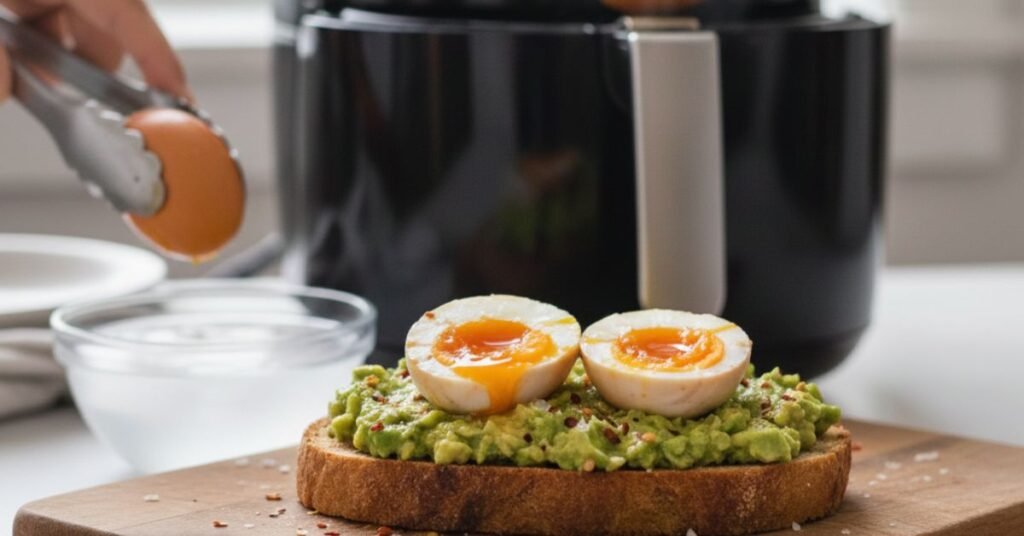
Editor’s Note: “Hi, I’m Kiran! As a professional Nutritionist, I’ve updated this guide for 2026 to ensure you have the most accurate timings and fail-proof techniques for perfect eggs every time. My goal is to combine expert nutritional advice with practical kitchen hacks to help you reach your wellness goals. Enjoy the perfect peel!” Boiling an egg is often the very first thing we learn in the kitchen, yet it remains one of the most debated topics. This guide provides a scientific approach to achieving the perfect egg every time. The 2026 Method: Stovetop vs. Air Fryer Traditional boiling is great, but did you know that steaming or air-frying often leads to easier peeling? The Timing Chart (Precision Matters) Method Soft Boiled (Runny) Medium (Jammy) Hard Boiled (Set) Stovetop 6 Minutes 7-8 Minutes 10-12 Minutes Air Fryer (250°F) 9 Minutes 12 Minutes 15 Minutes 1. Quick Summary: The Essential Checklist Before you start, ensure you have these basics ready: 2. The Definitive Egg Timing Chart Use this table to choose your desired yolk consistency. These timings are based on the “Hot Start” method (dropping eggs into boiling water). Boiling Time Yolk Description Best For… 6 Minutes Liquid gold, very runny Dipping toast soldiers 7 Minutes “Jammy” and custardy Ramen bowls & Avocado toast 8 Minutes Soft-set but creamy gold Protein-packed salads 10 Minutes Fully set, bright yellow Standard breakfast/Snacks 12 Minutes Firm and light yellow Deviled eggs & Egg salad 14+ Minutes Very hard and dry Grating over dishes 3. Comparing Methods: Cold Start vs. Hot Start Which method should you use? Here is a quick comparison: Cold Start Method Hot Start Method (Recommended) Step-by-Step: The “Hot Start” Secret For the easiest peel, always start with boiling water. This “shocks” the membrane, preventing it from sticking to the shell. 4. Step-by-Step Instructions Follow these bulleted steps for a flawless result: Nutrition Facts & Health Benefits Eggs are a powerhouse of high-quality protein and essential vitamins. Nutrient Amount per Large Egg Calories 72 kcal Protein 6.3 g Healthy Fats 4.8 g Vitamin D 6% DV 5. Pro-Tips for “Easy-Peel” Success If you struggle with shells sticking to the whites, try these expert hacks: 6. Troubleshooting Common Mistakes Are your eggs not coming out right? Check these common issues: 7.Conclusion  Mastering the boiled egg is about Control. By using a timer and an ice bath, you take the guesswork out of the process. Whether you want a “Jammy” Ramen egg or a firm egg for your salad, these steps ensure success every single time. 8. Frequently Asked Questions (FAQs) Author Note: “Hi, I’m Kiran! As a professional Nutritionist and the creator of Prepslim.com, I specialize in high-protein, keto-friendly meal planning. I’ve updated this guide for 2026 to bring you the most accurate, fail-proof methods for perfect eggs, helping you simplify your healthy lifestyle. Let’s make meal prep effortless together!”

Best Fruits for Diabetics: A Complete Guide to Managing Blood Sugar Naturally
Recipes

Best Fruits for Diabetics: A Complete Guide to Managing Blood Sugar Naturally

Editor’s Note Meet Your Nutritionist: Hi, I’m Kiran! As a professional Nutritionist, I have updated this guide for 2026 to ensure you have the most current, science-backed information on managing blood sugar. To make your journey easier, I’ve included a Micro Calculator below so you can instantly check safe fruit portions for your specific needs. My goal is to help you enjoy nature’s sweets without the worry of sugar spikes! When you are living with diabetes, your relationship with food changes. One of the most common questions people ask is: “Is fruit safe for me?” Because fruits contain natural sugar (fructose), many people mistakenly believe they should be avoided entirely. However, medical science tells a different story. Fruits are packed with vitamins, minerals, and antioxidants that are essential for your body. The secret lies in choosing the best fruits for diabetics those that provide nutrition without causing dangerous spikes in your glucose levels. In this guide, we will explore how you can enjoy nature’s candy while managing blood sugar naturally. Why the “Color” of Your Fruit Matters; In 2026, nutrition science has moved beyond just counting sugar. We now focus on phytochemicals natural compounds that give fruits their vibrant colors. For someone with diabetes, deep-colored fruits like purple grapes (in moderation) or red berries provide anthocyanins. These compounds don’t just provide flavor; they actively help your cells become more sensitive to insulin. By choosing a variety of colors, you are not just eating a snack; you are providing your body with a toolkit to fight inflammation and stabilize your metabolic health naturally. The Science: Understanding the Glycemic Index (GI) Before we list the fruits, we must understand how they affect your body. Not all sugars are created equal. The impact of a fruit on your blood sugar is measured by the Glycemic Index (GI). Another key factor is fiber. Fiber-rich fruits for diabetes are vital because fiber acts as a “speed bump.” It slows down the digestion process, ensuring that the natural sugar doesn’t hit your system all at once. Top 7 Best Fruits for Diabetics Here is a detailed look at the best options for your daily diet. These fruits are generally low in GI and high in nutrients. 1. Berries (Strawberries, Blueberries, Raspberries) Berries are often called a “superfood” for diabetics. They are loaded with antioxidants called anthocyanins, which help improve insulin sensitivity. 2. Apples (The “Skin-On” Rule) Apples are an excellent choice for diabetes-friendly snacks. They contain a specific type of soluble fiber called pectin. 3. Pears Pears are incredibly nutrient-dense. A small pear has about 5.5 grams of fiber, which is quite high compared to other fruits. This makes them great for keeping you full and satisfied. 4. Citrus Fruits (Oranges and Grapefruits) While orange juice is bad for diabetics, the whole orange is great. Citrus fruits contain “hesperidin” and “naringenin,” which are plant compounds that help reduce inflammation and stabilize blood sugar. 5. Guava (The Fiber King) In many regions, Guava is a staple. It has a very low Glycemic Index and is one of the most fiber-rich fruits for diabetes. Some studies even suggest that guava leaf tea and the fruit itself can help lower blood sugar after a meal. 6. Cherries Cherries have one of the lowest GI scores (around 20). They are particularly good at fighting inflammation, which is a common concern for people with Type 2 diabetes. 7. Apricots Apricots are a great source of Vitamin A and potassium. They provide a sweet taste with very few calories, making them a safe addition to your meal plan. Eating with the Seasons: Summer vs. Winter Choices Your body’s needs change with the weather, and so should your fruit bowl. In the Summer, focus on hydrating low-GI fruits like watermelon (small portions) and peaches, which provide electrolytes without a massive sugar load. In the Winter, pivot towards citrus fruits like oranges and kiwis. Kiwis are a hidden gem for diabetics because they are high in Vitamin C and fiber, which supports the immune system during flu season while keeping blood glucose levels in check. Seasonal eating ensures you get the freshest nutrients with the least amount of artificial preservatives. Comparison Table: Fruit Nutrition at a Glance Fruit Glycemic Index (GI) Key Benefit Serving Size Cherries 20 High Antioxidants 1 Cup Grapefruit 25 Heart Health 1/2 Fruit Pear 38 High Fiber 1 Medium Apple 39 Pectin (Fiber) 1 Small Orange 43 Vitamin C 1 Medium Strawberry 41 Low Calorie 1.25 Cup 📊 Calculate Your Macros Now Whole Fruits vs Fruit Juice: Why it Matters This is the most important rule of thumb for any diabetic. You might think a glass of fresh orange juice is healthy, but for your blood sugar, it is almost the same as drinking a soda. Verdict: Always choose the “crunch” over the “sip.” Practical Tips for Smart Fruit Consumption To get the most out of your diet, follow these expert-backed strategies: 1. The Best Time to Eat Fruit for Diabetics Timing is everything. Eating fruit on an empty stomach might cause a faster rise in sugar. The best time to eat fruit for diabetics is usually during the day when you are active. Avoid eating a large bowl of fruit right before bed, as your body won’t have the chance to burn that energy. 2. Smart Pairing (The “Protein Buffer”) Never eat fruit alone. If you pair a piece of fruit with a source of protein or healthy fat, you further slow down sugar absorption. 3. Portion Control Even low glycemic index fruits contain carbohydrates. You should aim for 2 servings of fruit per day. One serving is generally the size of a tennis ball. Fruits to Eat with Caution (The “Limit” List) No fruit is strictly “forbidden,” but some are very high in sugar and should be eaten in very small amounts: The 2026 “Glucose Hack”: Pairing Fruit with Protein One of the biggest trends in managing blood sugar is “buffering” your carbs. If you eat an

The Best Keto Bread Recipe: How to Enjoy Bread While Losing Weight
Recipes

The Best Keto Bread Recipe: How to Enjoy Bread While Losing Weight

Hi everyone!  I am Kiran, and as a professional nutritionist, the number one thing people tell me is: “I want to lose weight, but I just cannot live without bread!” I completely understand you. Bread is cozy, delicious, and makes life easy when you want a quick sandwich. But regular bread is full of carbs. Those carbs can stop your weight loss goals right in their tracks. That is why I am so excited to share my favorite keto bread recipe with you today. This weight loss bread is healthy, very tasty, and perfect for keeping you on track. Let’s dive into everything you need to know about making the perfect loaf at home. What exactly is Keto Bread? Most bread that you buy at the store is made from wheat flour. Wheat flour is packed with carbohydrates. When you eat carbs, your body turns them into sugar. If you are on a keto diet, your main goal is to eat very few carbs so your body burns fat instead of sugar. Keto bread is a special type of bread made without wheat. Instead, it uses low-carb ingredients. It is a gluten-free keto bread, which means it is very gentle on your stomach. It does not make you feel bloated, tired, or heavy like regular white bread does. Regular Bread vs. Keto Bread To show you why this is so important, look at this simple comparison: Feature Regular White Bread Homemade Keto Bread Main Ingredient Wheat Flour Almond Flour Carbs per Slice 15 to 20 grams Less than 2 grams Blood Sugar Spikes very quickly Stays nice and steady Gluten Yes (Can cause bloating) No (Gluten-free) Fiber Very low High and healthy Why You Will Love This Low-Carb Bread Recipe There are so many reasons to make this bread. Here are the top benefits for your body and your taste buds: The Secret Ingredients We Use To make this amazing bread, we have to swap regular flour for smarter choices. Here is what you need for easy keto baking: Kiran’s Personal Nutrition Tip My Secret for the Best Texture: Always use room-temperature eggs! If you take eggs straight out of the cold fridge and mix them with melted butter, the butter will get hard and chunky. Take your eggs out of the fridge 30 minutes before you start baking. This simple trick makes the bread so much softer! Step-by-Step Instructions Making this bread is so simple. You do not need any fancy machines, and you do not have to wait hours for the dough to rise. Step 1: Prepare Your Pan and Oven First, turn on your oven to 180°C (350°F) to let it get hot. Take a standard loaf pan and line the inside with parchment paper. This paper is magic,it stops the bread from sticking so it pops right out! Step 2: Mix the Dry Ingredients In a large, clean bowl, add your almond flour, baking powder, and a tiny pinch of salt. Use a whisk or a fork to stir it well. Make sure there are no hard lumps in the flour. Step 3: Mix the Wet Ingredients In a different bowl, crack your eggs. Beat them really well until they are light yellow. Slowly pour in your melted butter (make sure it is not boiling hot!) and your apple cider vinegar. Mix it all together. Step 4: Bring It All Together Now, slowly pour your wet egg mixture into the bowl with your dry almond flour. Use a spoon to gently stir it. Keep stirring until it looks like a thick, smooth cake batter. Step 5: Time to Bake! Pour your batter into your loaf pan. Use a spoon to make the top nice and flat. Put it in the oven for 35 to 40 minutes. You will know it is perfectly cooked when the top turns a beautiful golden brown color. You can also poke a toothpick into the middle; if it comes out clean, your bread is done! Step 6: Let It Cool Down I know it smells amazing, but do not cut it yet! Let the bread sit in the pan for 10 minutes, then take it out and put it on a wire rack. Let it cool down completely. If you cut it while it is hot, it will crumble and fall apart. Nutrition Table (Per Slice) As a nutritionist, I know how important it is to track what you eat. Here is the exact breakdown for one slice of this homemade bread: Nutrient Amount per Slice Calories 90 kcal Net Carbs 1.8 grams Protein 4.2 grams Total Fat 7.5 grams Fiber 2.0 grams Just think: A regular piece of bread has around 15 grams of carbs. This one has less than 2 grams! How to Serve and Enjoy Your Keto Bread Now that you have baked your wonderful bread, how should you eat it? Here are my favorite ways: Storage and Meal Prep Guidelines Because this bread does not have any fake chemicals or preservatives in it, it will go bad if you leave it on the kitchen counter for too long. Final Thoughts Losing weight and getting healthy does not mean you have to give up the foods that make you happy. You just need to learn how to make smarter, healthier versions of them. This keto bread is a true game-changer. It is fast, simple, and packed with nutrition. Try baking a loaf this Sunday during your meal prep. I promise it will make your diet so much easier and a lot more fun! (FAQs) 1. Why did my bread turn out too wet or mushy? This usually happens if you do not bake it long enough, or if you cut it while it is still hot. Always wait until it is completely cool before slicing! 2. Can I use coconut flour instead of almond flour? No, please do not swap them directly! Coconut flour drinks up a lot more water than almond flour. If you use the

How to Cook Perfect Rice in the Microwave: The Ultimate Fluffy Guide
Recipes

How to Cook Perfect Rice in the Microwave: The Ultimate Fluffy Guide

If you think making rice is difficult or takes too much time, I have a secret to share with you. For a long time, I used to stand by the stove, worrying about the rice burning or turning into a sticky mess. But one busy weeknight, I decided to try making microwave white rice. To my surprise, it came out perfectly fluffy! Since then, this easy microwave rice recipe has become a lifesaver in my kitchen. Whether you are meal-prepping for the week or just need a quick side dish, learning how to steam rice in the microwave will save you time and effort. In this guide, I will show you exactly how to get perfect results every single time without using a stovetop. Let’s get started! Why Cook Rice in the Microwave? You might be wondering why you should use a microwave instead of a regular pot. Here are a few simple reasons: The Golden Rule: Microwave Rice Water Ratio The ultimate secret to getting fluffy rice in the microwave is measuring the exact amount of water you use. Guessing the water amount is the number one reason rice fails. Different types of rice need slightly different amounts of liquid to cook properly. Here is a handy table showing the perfect microwave rice water ratio: Rice Variety Amount of Dry Rice Amount of Water Required Long-Grain White Rice 1 Cup 1.5 Cups Basmati Rice 1 Cup 1.5 Cups Jasmine Rice 1 Cup 1.25 Cups Brown Rice 1 Cup 2.5 Cups (Cook time varies) Nutritionist Tip: If you prefer your rice to be a little softer for digestion, you can increase the water by 1/4 cup. However, the ratios above generally provide the perfect, non-mushy texture. Step-by-Step Instructions Follow these highly detailed, simple steps for the perfect bowl of rice. Step 1: Rinse the Rice Thoroughly (Do Not Skip!) Put your dry rice in a fine-mesh strainer and wash it directly under cold running water. Use your fingers to move the rice around. Keep washing for about 1 to 2 minutes until the water coming out of the bottom runs completely clear. This removes the surface starch that makes cooked rice gummy and sticky. Step 2: Combine the Ingredients Transfer the freshly washed rice into your large, deep microwave-safe bowl. Add the exact measured amount of water (refer to the ratio table above). Add a pinch of salt for flavor. I also highly recommend adding 1 teaspoon of olive oil, coconut oil, or a tiny bit of butter. The fat coats the grains and completely stops them from sticking together. Stir it very gently just to mix. Step 3: Microwave Uncovered (The Boiling Phase) Place the heavy bowl into the microwave. Do not put the lid on yet! Cook the rice uncovered on HIGH power for exactly 10 minutes. During this time, the water will boil rapidly. After 10 minutes, most of the liquid should be absorbed by the grains, and you will see small “steam holes” on the surface of the rice. Step 4: Cover and Microwave (The Steaming Phase) Now, carefully take the bowl out or just reach in and cover the bowl with your microwave-safe plate or vented lid. Set your microwave to MEDIUM power (or exactly 50% power level). Microwave for another 4 to 5 minutes. This gentle, lower heat steams the inside of the grains perfectly without burning the bottom. Step 5: Let It Rest (The Secret to Perfection) This is the most important step that people often ignore! When the microwave timer stops, do not open the door. Leave the covered bowl inside the microwave for a full 5 minutes. The trapped residual steam will finish cooking the core of the rice gently and allow the moisture to distribute evenly across all grains. Step 6: Fluff and Serve Carefully remove the bowl using oven mitts (it will be extremely hot). Take off the lid, avoiding the hot steam. Take a fork and gently fluff the rice from the outside edges pulling toward the center. You are now ready to serve the most perfect, beautiful rice! Essential Equipment You Will Need Before we start cooking, make sure you have the right tools ready. You do not need anything expensive, just a few basic kitchen items: Flavor Hacks: Making Your Rice Healthier and Tastier Eating plain white rice can sometimes get boring. As a nutritionist, I love finding ways to add flavor and nutritional value to simple dishes. Try these quick additions before you start microwaving: Troubleshooting Common Microwave Rice Problems Even with instructions, sometimes things go wrong. Here is how to fix common issues: Nutrition Information Being mindful of what we eat is crucial. Rice provides excellent, fast-digesting carbohydrates that give your brain and muscles instant energy. When paired with a good protein source and vegetables, it forms a perfectly balanced meal. Nutrient Amount (Per 1 Cup Cooked Standard White Rice) Calories 205 kcal Carbohydrates 45g Protein 4.2g Fat 0.4g Dietary Fiber 0.6g Note: Nutritional values can vary slightly depending on the exact brand and type of rice used. 📊 Calculate Your Macros Now Final Thoughts Mastering how to make rice in the microwave is an incredible kitchen trick that absolutely anyone can achieve. It is highly efficient, consistently fast, and delivers exceptional results for your healthy daily meals. Try this straightforward method the next time you need a hassle-free side dish, and let me know how it turns out in the comments below! (FAQs) Q1: Can I cook brown rice using this exact method? No, brown rice requires significantly more water and much more cooking time because it still has its tough outer bran layer. To cook brown rice, you will need 2.5 cups of water for 1 cup of rice, and it will take about 25-30 minutes on medium power. Q2: Do I need to soak the white rice before microwaving? For standard white, Jasmine, or Basmati rice, soaking is completely optional. While soaking for 15 minutes can make the grains slightly

The Ultimate 2-Ingredient Cottage Cheese Flatbread Recipe: A Complete Guide
Recipes

The Ultimate 2-Ingredient Cottage Cheese Flatbread Recipe: A Complete Guide

If you are looking for a healthy, guilt-free bread alternative that actually tastes amazing, you have landed in the perfect place. Giving up bread is often the hardest part of any health or weight loss journey. As a nutritionist, I am constantly testing new ways to help people enjoy their favorite meals without feeling deprived. Recently, the viral TikTok cottage cheese recipe has taken the internet by storm, and I knew I had to test it thoroughly right here for the prepslim.com community. Let me tell you, the results completely exceeded my expectations! Whether you need a sturdy, low carb wrap for your afternoon lunch or a quick snack base, this recipe is a total game-changer. It is incredibly easy to make, packed with wholesome nutrients, and will never leave you feeling heavy or bloated. In this comprehensive guide, I will walk you through exactly why this works, how to make it perfectly every single time, and how to avoid the common mistakes people make. Why This Recipe Works (A Nutritionist’s Perspective) Replacing regular white or wheat bread with a high protein keto bread alternative can do wonders for your energy levels, digestion, and fitness goals. Here is why I highly recommend adding this flatbread to your weekly meal prep: What You Need: Ingredients and Substitutions You only need two main ingredients to create the base of this amazing flatbread. I also highly recommend adding some spices to elevate the flavor. The Core Ingredients Optional Spices (Highly Recommended) Plain cottage cheese and eggs can taste a bit bland on their own. Adding a few simple spices makes it taste like a premium, savory wrap. Ingredient Substitution Guide If you are missing something or want to experiment, here is a quick table of easy substitutions: Original Ingredient Best Substitute Resulting Texture/Flavor Full-Fat Cottage Cheese Low-Fat Cottage Cheese Slightly thinner flatbread, less flexible Large Eggs Liquid Egg Whites (1/2 cup) Lighter color, more firm texture Garlic Powder Fresh Minced Garlic Stronger, more savory flavor profile Italian Seasoning Everything Bagel Seasoning Crunchy texture, perfect for breakfast Step-by-Step Instructions for the Perfect Flatbread Follow these simple, detailed steps to get the perfect flexible gluten-free flatbread every single time. Step 1: Prep the Oven and Baking Pan Preheat your oven to 350°F (180°C). Take a standard baking sheet and line it completely with parchment paper.Pro Tip: Spray a very light coat of olive oil or cooking spray on the parchment paper. Even though parchment paper is non-stick, this extra step ensures your flatbread will slide right off without tearing. Step 2: Blend the Ingredients Smooth In a high-speed blender or a food processor, add the cottage cheese, the two large eggs, and all your chosen spices. Blend the mixture on high speed for about 30 to 45 seconds. You want the mixture to be completely smooth and liquid. If you leave cheese lumps, your bread will have a bumpy texture and might break. Step 3: Pour and Spread Evenly Pour the smooth batter directly onto your lined baking sheet. Use a silicone spatula to spread it out evenly into a large rectangle or a circle. Pay close attention to the thickness. If it is too thin, it will turn into a crispy cracker. If it is too thick, it will be spongy. Aim for about 1/4 inch of thickness. Step 4: Bake to Golden Perfection Place the tray in the middle rack of your oven and bake for 25 to 30 minutes. You will know it is completely done when the edges turn a beautiful, crispy golden brown and the center is firm to the touch. It should not look wet or jiggly. Step 5: Cool Before Peeling This is the most critical step of the entire recipe! Let the flatbread cool down on the counter for at least 10 to 15 minutes before you touch it. As it cools, it firms up. Once it is cool to the touch, gently and slowly peel the parchment paper away from the back of the bread. Common Mistakes and Troubleshooting First time making this? Don’t worry! Here is a helpful table showing the most common mistakes and how to fix them easily: The Problem Why It Happened How to Fix It Next Time Flatbread tastes too “eggy” Lack of seasoning or using very large eggs. Add more savory spices like garlic, onion, or paprika to mask the egg flavor. It is stuck to the paper Forgot to grease the paper, or used wax paper instead of parchment. Always use true parchment paper and lightly spray it with cooking oil before pouring. It cracked when rolling The batter was spread too thin, or it was overbaked. Spread it slightly thicker next time and take it out as soon as the edges brown. It is too soft/wet Underbaked or not allowed to cool completely. Bake for 5 more minutes. Always let it cool for 15 minutes to set properly. Creative Ways to Serve Your Flatbread This versatile recipe can be used in so many delicious ways. Here are a few of my favorite meal prep ideas: Nutrition Information Here is a detailed look at the approximate nutritional value. This data is for the entire recipe (1 large flatbread, which counts as 1 serving). Nutrient Amount per Serving Total Calories 160 kcal Protein 18 g Total Carbohydrates 4 g Dietary Fiber 1 g Net Carbs 3 g Total Fat 10 g Sodium 380 mg Final Thoughts Making the switch to healthier alternatives does not mean you have to sacrifice taste. This 2-ingredient cottage cheese flatbread is living proof that eating healthy can be delicious, easy, and satisfying. Give this recipe a try this week, and don’t forget to let me know in the comments below what fillings you used to make it your own! Happy cooking and healthy eating! (FAQs) 1. Can I use fat-free cottage cheese for this recipe? Yes, you can! However, fat-free cottage cheese has a higher water content and less fat, which means your flatbread

The Ultimate Guide: 5 High Protein Ninja Creamy Recipes for Weight Loss
Recipes

The Ultimate Guide: 5 High Protein Ninja Creamy Recipes for Weight Loss

Hi everyone, welcome to Prepslim! I’m Kiran, and as a professional nutritionist, one of the most common questions I get from my clients is how to handle sweet cravings without ruining their diet. We all want to reach our fitness goals, but giving up ice cream entirely is simply not sustainable. That is exactly why I invested in a Ninja Creami, and it has completely changed the way I look at dessert. After months of testing different bases, protein powders, and mix-ins in my own kitchen, I have perfected the art of making rich, creamy, and macro-friendly treats. Today, I am sharing my ultimate guide to healthy ice cream alternatives that actually taste like the real deal. Let’s dive in! Why the Ninja Creamy is a Game-Changer When we talk about Ninja Creamy weight loss strategies, we are really talking about the power of “volume eating.” Volume eating means you can consume a large portion of food that keeps you incredibly full, but for very few calories. Most store-bought protein ice creams on the market are expensive, and unfortunately, many of them have a chalky, icy texture. The magic of this machine lies in its unique blade technology. Instead of churning liquid, it shaves frozen solid blocks into a remarkably smooth texture. This gives you total control over your ingredients, making it the absolute best tool for creating sugar-free protein desserts that fit seamlessly into your daily nutrition plan. The Anatomy of the Perfect Protein Base Creating a bakery-style creamy base is easy once you understand the core components. You do not need heavy cream or massive amounts of sugar. You only need three main parts: 📊 Calculate Your Macros Now My Top 5 High-Protein Recipes Here is a collection of my absolute favorite, heavily tested low calorie Ninja Creamy recipes. They take less than 5 minutes to prep! 1. The Vanilla Bean Dream This is the ultimate classic recipe. It is delicious on its own but also serves as the perfect blank canvas for any mix-ins you want to add. Ingredients: Step-by-Step Instructions: Nutrition Profile: Metric Amount Calories 220 kcal Protein 38g Carbs 12g Fats 2g 2. Triple Chocolate Peanut Butter If you love peanut butter cups, this recipe is designed for you. It is incredibly rich, chocolatey, and packed with fuel for your muscle recovery. Ingredients: Step-by-Step Instructions: Nutrition Profile: Metric Amount Calories 210 kcal Protein 33g Carbs 9g Fats 6g 3. Strawberry Cheesecake Fluff Fresh, fruity, and incredibly thick. The addition of cheesecake pudding makes this taste like a decadent slice of real New York cheesecake! Ingredients: Step-by-Step Instructions: Nutrition Profile: Metric Amount Calories 230 kcal Protein 35g Carbs 15g Fats 2g 4. Mint Chocolate Chip Refreshing and perfectly sweet, this flavor is a massive hit during the warmer months. Ingredients: Step-by-Step Instructions: Nutrition Profile: Metric Amount Calories 195 kcal Protein 26g Carbs 8g Fats 7g 5. Salted Caramel Cookie Dough A sweet and salty masterpiece that will easily satisfy your late-night dessert cravings. Ingredients: Step-by-Step Instructions: Nutrition Profile: Metric Amount Calories 280 kcal Protein 42g Carbs 18g Fats 6g The “Science” of the Spin: Pro Tips for Success To ensure you get a professional, bakery-level texture every single time, keep these expert guidelines in mind: Conclusion Eating healthy and staying on track with your fitness goals does not mean you have to give up your favorite sweet treats. By taking a few minutes to prep these high protein Ninja Creamy recipes, you are providing your body with the nutrition it needs while fully satisfying your cravings. I highly recommend starting with the Vanilla Bean Dream. Once you master that base, the flavor possibilities are endless! Which recipe are you going to try first? Let me know! (FAQs) Here are some of the most common questions I receive regarding healthy ice cream prep: 1. Can I use water instead of milk for these recipes? While you technically can, I strongly advise against it. Water lacks the fat and protein needed to create a creamy texture, resulting in an icy, flavorless slush. Unsweetened almond milk is a much better low-calorie alternative. 2. Why is my ice cream coming out powdery? Powdery ice cream usually means your mixture lacks fat or liquid. As mentioned in the pro tips, simply add a splash of milk (about 1 tablespoon) and use the “Re-Spin” function. 3. Is the machine extremely loud? Yes, it is quite loud—similar to a high-powered blender. The spinning process takes about 2 to 3 minutes, so it is best not to run it late at night if people are sleeping nearby! 4. How long do leftovers last in the freezer? Leftovers can last for weeks! If you don’t finish your pint, use a spoon to smooth out the top so it is flat again, put the lid back on, and store it in the freezer. When you are ready to eat it, you will need to run it through the machine on the “Lite Ice Cream” cycle again. 5. Can I use regular instant pudding instead of sugar-free? Absolutely. If you are not strictly tracking calories or carbs, regular instant pudding mix works perfectly and acts as an excellent thickener. Disclaimer: Consult your doctor before starting any diet plan.

The Ultimate Crispy Air Fryer Salmon Bites: A 10-Minute Healthy Recipe
Recipes

The Ultimate Crispy Air Fryer Salmon Bites: A 10-Minute Healthy Recipe

Title Idea: Crispy Air Fryer Salmon Bites – The Best 10-Minute Dinner Category: Dinner / Healthy Recipes / Air Fryer Prep Time: 5 Mins | Cook Time: 8 Mins | Total Time: 13 Mins Introduction Editor’s Note: > “I personally developed this recipe because I believe healthy eating shouldn’t feel like a chore. I’ve updated this post with new step-by-step images and expert tips to ensure you get that ‘perfect crisp’ every single time. Whether you’re on a keto diet or just need a 10-minute dinner, this is my top recommendation for you!” If you are looking for a dinner that tastes like a restaurant meal but takes less effort than ordering pizza, you are in the right place. Air Fryer Salmon Bites have become a viral sensation on the internet, and honestly, they deserve all the hype. We all have those busy weeknights where we want something healthy but don’t have the energy to cook a complicated meal. Maybe you are trying to eat better, or maybe you just bought an air fryer and want to test it out. Whatever the reason, this recipe is a game-changer. I have always looked for healthy alternatives to fast food that don’t sacrifice flavor. When I first experimented with air frying salmon in bite-sized pieces, I was amazed that I could achieve a restaurant-quality crust in just 10 minutes. Today, this has become a staple in my kitchen for busy weeknights, and I am confident it will become your new favorite go-to meal as well. In this guide, I am going to teach you how to make the juiciest, most flavorful salmon bites in under 15 minutes. This isn’t just another recipe; it is a complete guide based on real kitchen testing. I will explain why this method works, the exact science behind getting that crispy texture, and how to avoid dry, rubbery fish. Whether you are looking for easy air fryer recipes for beginners or a low carb seafood dinner, this guide has everything you need. Why This Recipe Works (The Science) You might be wondering, “Why should I cut the salmon into cubes? Why not just cook the whole fillet?” Here is the secret: Surface Area. When you cook a whole fillet, only the top gets seasoned and crispy. But when you cut the salmon into bite-sized pieces (or air fryer salmon nuggets), every single side gets coated in oil and spices. The hot air from the air fryer hits all sides of the cube, creating a 360-degree crust while keeping the inside buttery and soft. Benefits of Air Frying vs. Oven Baking Here is a quick comparison to show why the air fryer wins for this specific recipe: Feature Air Fryer Traditional Oven Cooking Time 8–10 Minutes 20–25 Minutes Texture Super Crispy & Golden Often Soft or Steamed Oil Usage 1 Tablespoon (Low Fat) 2–3 Tablespoons Preheating 2 Minutes 10–15 Minutes Energy Use Uses less electricity Heats up the whole kitchen Ingredients You Will Need To make this dish, you don’t need fancy ingredients. You likely have most of these in your pantry already. 1. The Salmon (The Star of the Show) For the best results, buy fresh salmon fillets. 2. The Oil You need a little bit of fat to help the heat conduct and make the spices stick. 3. The Best Seasoning for Salmon This is where the magic happens. While you can buy store-bought mixes, making your own is healthier and tastier. Here is my go-to mix: Step-by-Step Instructions Follow these steps exactly, and I promise you will get perfect results every time. Step 1: Prep the Fish Take your salmon fillets out of the fridge. Using a sharp knife, carefully remove the skin if it is still on. Cut the salmon into 1-inch cubes. Expert Tip: Try to cut them into the same size. If some are big and some are small, the small ones will burn before the big ones are cooked. Step 2: The “Dry” Technique Before adding oil, pat the salmon cubes dry with a paper towel. This removes excess moisture. If the fish is wet, it creates steam in the air fryer, and you won’t get that crispy edge. Step 3: Seasoning Place the cubes in a large bowl. Drizzle with 1 tablespoon of olive oil. Sprinkle your seasoning mix over the top. Toss the bowl gently until every piece looks well-coated. Step 4: Air Frying For Prep: “Pro-Tip: When patting the salmon dry, ensure there is absolutely no moisture left on the surface. This is the secret to getting that golden, crispy crunch without using extra oil.” For Tossing: “Gentle Reminder: Toss the cubes gently in the bowl so you don’t break the delicate fish before it hits the air fryer. Step 5: Check for Doneness Check one piece. It should flake easily with a fork. If you have a meat thermometer, the internal temperature should be 145°F (63°C). Salmon is not just delicious; it is a nutritional powerhouse. If you are tracking your macros or looking for a heart-healthy meal, here is a quick breakdown of why these salmon bites are a great choice for your body:” Nutrient Benefit for You Omega-3 Fatty Acids Supports heart health and improves brain function. High Quality Protein Essential for muscle repair and keeping you full longer. Vitamin B12 Helps boost energy levels and supports nerve health. Potassium Helps manage blood pressure and reduces stroke risk. Troubleshooting: Common Mistakes to Avoid Even with easy air fryer recipes, things can go wrong. Here is how to fix them: Flavor Variations (Customize Your Meal) One of the best things about this recipe is that it is a blank canvas. Here are three popular variations you can try: 1. Honey Garlic Glaze (The Crowd Pleaser) Mix honey, soy sauce, and minced garlic in a small bowl. Brush this sauce onto the salmon bites during the last 2 minutes of cooking. This is sweet, sticky, and delicious. 2. Spicy Cajun (For Heat Lovers) Replace the paprika

Scroll to Top