prepslim.com

meal prep

The Ultimate High-Protein, High-Fiber Meal Prep Guide for Sustainable Weight Loss
meal prep

The Ultimate High-Protein, High-Fiber Meal Prep Guide for Sustainable Weight Loss

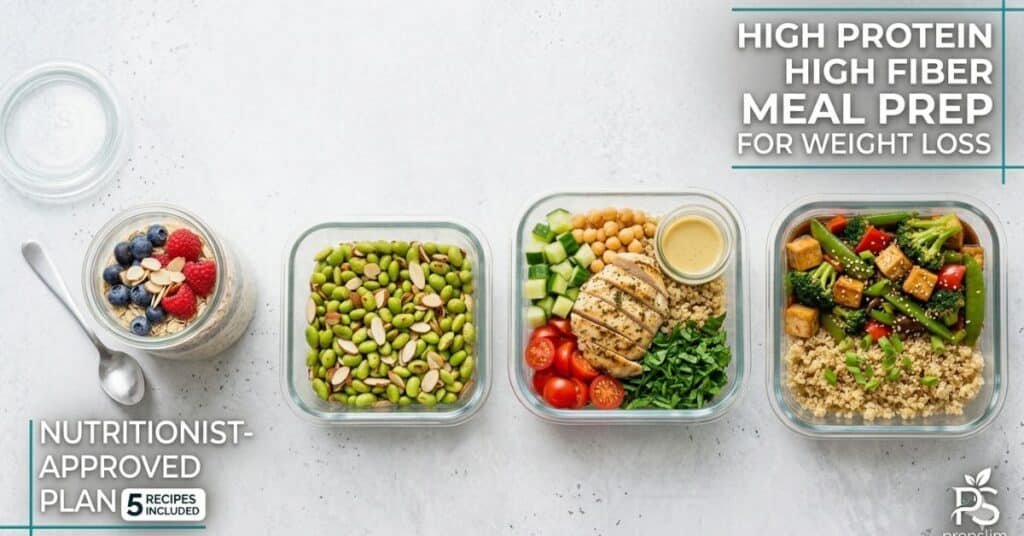
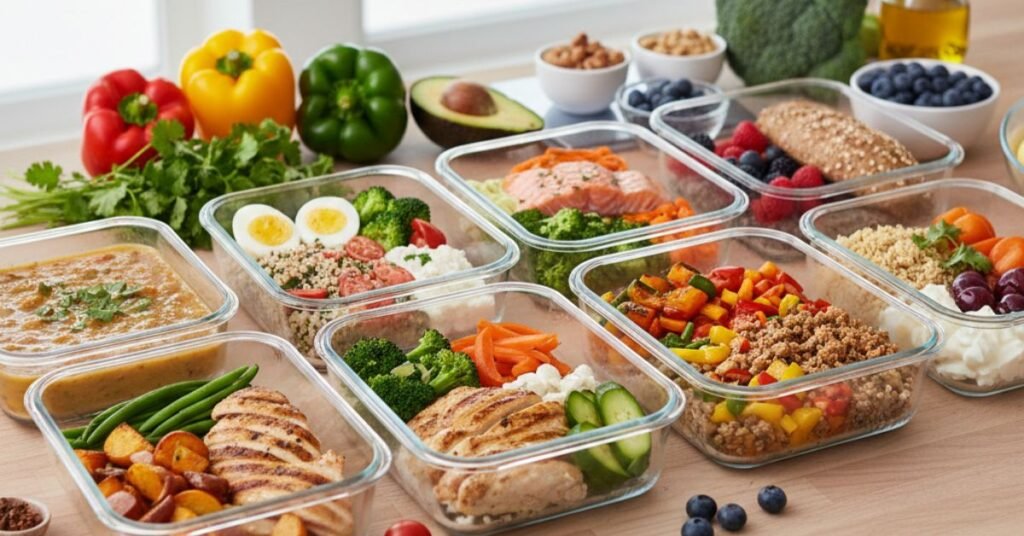
Written by Kiran, Founder of Prepslim Expert Note from Kiran: In my years of working as a professional nutritionist, I have seen hundreds of clients fail on standard restrictive diets. Why? Because they are constantly hungry. True, sustainable fat loss does not come from starving your body. It comes from fueling it with the right combination of macronutrients and micronutrients that control hunger naturally. This guide will show you exactly how to do that. When most people think about losing weight, they instantly think about eating less. They cut down their food portions, skip breakfasts, and live on plain lettuce leaves. However, this old way of dieting always leads to intense cravings, low energy, and eventual burnout. Within a few weeks, the hunger wins, and the weight comes rushing back. To lose fat without losing your mind, you need to focus on two major nutritional powerhouses: Protein and Fiber. When you combine these two elements into your weekly routine using structured high protein high fiber meal prep for weight loss, you completely change how your body handles hunger. You feel full for hours, keep your muscles strong, and give your metabolism a permanent boost. The Science: Why Protein and Fiber Are the Perfect Match To understand why this strategy works so well, let us look at the science of food simplified. When you follow a structured high protein weight loss diet, you are taking advantage of what scientists call the Thermic Effect of Food (TEF). Protein requires much more energy for your body to digest compared to fats or carbohydrates. This means your body naturally burns more calories just by breaking down lean meats, eggs, and plant proteins. Furthermore, protein directly preserves your lean muscle mass. When you are in a calorie deficit, your body naturally wants to burn both fat and muscle for energy. Eating enough protein ensures that you only burn fat, keeping your metabolic rate high. On the other side of the equation, we have fiber. Incorporating high fiber foods for weight loss slows down the rate of digestion significantly. Soluble fiber mixes with water in your stomach to form a thick, gel-like substance. This slows down stomach emptying and keeps your blood sugar levels perfectly stable. As a result, you do not experience the sharp crashes in energy that trigger sugar and carbohydrate cravings in the afternoon. The Synergy Effect: While protein satisfies your brain by signaling fullness hormones (like GLP-1 and PYY), fiber physically stretches your stomach walls to signal physical fullness to your nervous system. Together, they form an unbreakable defense against overeating. The Benefits of Meal Prepping for Busy Lifestyles Knowing what to eat is only half the battle. The real challenge is making healthy food available when you are tired, stressed, or running late for work. This is where mastering healthy meal prep ideas becomes your ultimate superpower. By spending just two hours over the weekend cooking your meals in advance, you remove all food-related decision-making from your busy weekdays. When you have a fridge stocked with nutritious, ready-to-eat meals, you are far less likely to order high-calorie fast food or snack on office sweets. It saves you money, cuts down your mental stress, and keeps you perfectly consistent with your health goals. Essential Ingredients to Stock in Your Kitchen Before you begin cooking, you need to stock your kitchen with high-quality ingredients that stay fresh in the fridge for 3 to 4 days. Here are the top items I recommend for a successful prep session: Lean Protein Sources High-Fiber Superfoods Step-by-Step 5-Recipe Meal Prep Plan Let us turn this theory into clear, actionable steps. Here is a comprehensive 5-recipe plan designed to provide a full day of balanced eating, including main meals and filling snacks. Recipe 1 (Breakfast): High-Protein Chia Berry Overnight Oats This breakfast requires zero cooking time in the morning. Simply mix your ingredients in a glass jar the night before, and it is ready to enjoy as soon as you wake up. Recipe 2 (Mid-Morning Snack): Creamy Greek Yogurt & Flaxseed Parfait A quick, cold snack that introduces gut-friendly probiotics alongside massive protein and healthy fiber textures. Recipe 3 (Lunch): Mediterranean Chicken and Chickpea Power Bowls This lunch option is packed full of vibrant colors, rich textures, and deep Mediterranean flavors that keep well without turning soggy. Recipe 4 (Afternoon Snack): Spicy Roasted Edamame & Almond Crunch An incredible crunchy alternative to potato chips that provides an excellent plant-based source of satisfying dietary fiber and amino acids. Recipe 5 (Dinner): Lean Beef or Tofu Broccoli Quinoa Stir-Fry A comforting, warm dinner option that is low in simple carbohydrates but exceptionally high in protein and satisfying dietary fiber. Complete Nutritional Breakdown For those tracking their daily macronutrients, here is a clear guide to help with your easy macro meal prep. Keeping an accurate track of your intake ensures you remain in a safe, steady calorie deficit. Meal Name Calories (kcal) Protein (g) Dietary Fiber (g) Carbohydrates (g) Fats (g) Chia Berry Overnight Oats 360 kcal 28g 9g 38g 6g Greek Yogurt Parfait 210 kcal 18g 4g 12g 9g Mediterranean Power Bowls 440 kcal 35g 11g 42g 12g Roasted Edamame Crunch 180 kcal 14g 6g 14g 8g Broccoli Quinoa Stir-Fry 410 kcal 32g 10g 36g 11g Daily Total 1,600 kcal 127g 40g 154g 46g Professional Tips for Long-Lasting Freshness To get the best out of your weekly low calorie meal prep, how you store your food matters just as much as how you cook it. Follow these three professional guidelines: Kiran’s Personal Tips for Real-World Success Conclusion: Small Steps Lead to Big Results Losing weight permanently does not require dramatic changes or extreme restrictions. By simply prioritizing protein and fiber in your daily meals and preparing your food in advance, you build an automatic environment for weight loss success. Start small, pick one or two recipes from this guide, and build a consistent routine that works with your life. Disclaimer: Consult your doctor before starting any diet plan. Results

The Ultimate Guide: How to Meal Prep for Weight Loss (2026 Edition)
meal prep

The Ultimate Guide: How to Meal Prep for Weight Loss (2026 Edition)

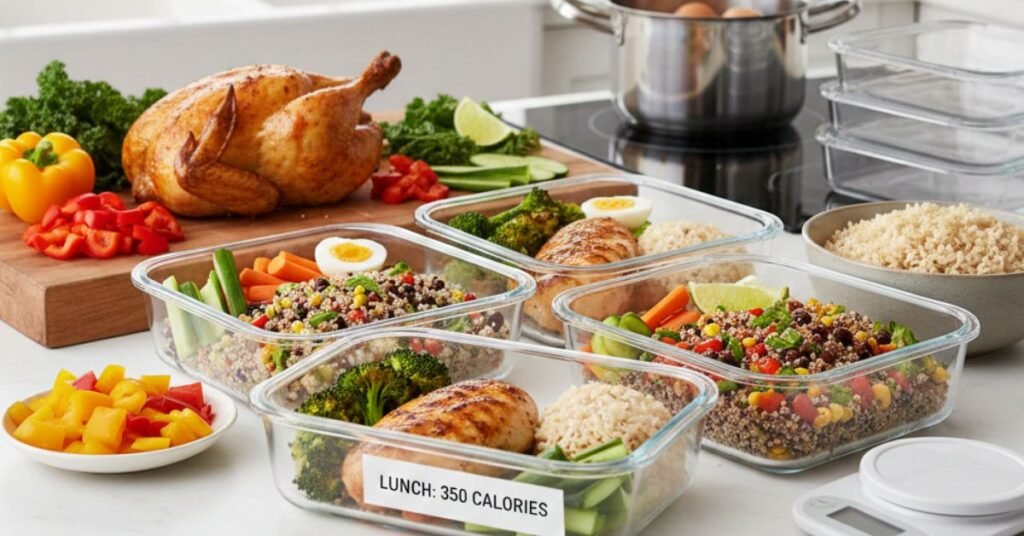
Editor’s Note (Updated for 2026): Welcome back! We have completely refreshed this guide with the latest 2026 nutritional science, including new research on gut health, metabolism, and smart meal-tracking tools. Whether you are a beginner or looking to optimize your current routine, these updated strategies will help you achieve faster, more sustainable weight loss results. Happy prepping! Kiran Losing weight is often portrayed as a battle of willpower, but in reality, it is a battle of environment. If you are surrounded by unhealthy options when hunger strikes, you are likely to succumb to them. This is where meal prepping becomes your secret weapon. By learning how to meal prep for weight loss, you shift from reactive eating to proactive nourishing. In this comprehensive 1,000-word guide, we will explore the science, the strategy, and the practical steps to make meal prepping a permanent part of your lifestyle. The Modern Shift: Gut Health and Metabolism in 2026 Weight loss is no longer viewed strictly through the lens of calories-in versus calories-out. Latest nutritional research emphasizes the critical role of the gut microbiome in regulating metabolism and fat storage. When planning your weekly meals, it is essential to focus on incorporating diverse, prebiotic-rich plant fibers such as asparagus, garlic, leeks, and oats alongside your clean protein. A healthy, diverse gut microbiome actively reduces systemic inflammation, fixes metabolic sluggishness, and makes sustainable weight loss significantly easier to achieve over time. 1. The Science of Meal Prepping and Weight Loss Weight loss fundamentally requires a caloric deficit burning more energy than you consume. However, counting calories on the fly is stressful and often inaccurate. Meal prepping solves this by: 2. Setting Your Foundations: The Essential Keywords To make this work, you need to understand five core pillars of successful weight loss prepping: 3. Step-by-Step Guide to Your First Prep Phase 1: The Planning (Friday/Saturday) Don’t jump into the kitchen without a map. Start by picking two protein sources (e.g., chicken and chickpeas), two grains (e.g., brown rice and sweet potatoes), and four vegetables. Phase 2: The Smart Shopping Trip Using your meal prep grocery list, shop the “perimeter” of the store. This is where the fresh produce, meat, and dairy live. Phase 3: The Prep Session (Sunday) You don’t need all day. With healthy batch cooking, you can finish in 90 minutes: 4. The “Formula” for a Weight Loss Meal Every container you pack should follow a specific nutritional hierarchy to maximize fat loss: Component Role Examples Volume (50%) Fills the stomach with fiber Broccoli, Zucchini, Kale, Cauliflower Protein (25%) Muscle repair & Satiety Turkey, Tofu, Eggs, Lean Beef, Lentils Fuel (25%) Brain energy Quinoa, Brown Rice, Berries, Legumes Flavor (Small Amount) Satisfaction Hummus, Salsa, Avocado, Lemon-Tahini Maximizing Fat Burn with Anti-Inflammatory Ingredients To take your meal prep results a step further, integrate anti-inflammatory spices and healthy fats into your weekly cooking routine. Chronic cellular inflammation can quietly stall weight loss by causing insulin resistance. By seasoning your batch-cooked proteins with turmeric (always paired with black pepper for maximum absorption), ginger, and fresh garlic, you actively lower your body’s stress levels. Additionally, replacing refined cooking oils with extra virgin olive oil or avocado oil in your containers protects heart health and keeps you feeling full for hours. 5. Storage and Food Safety  To maintain the trustworthiness of your food, you must handle it correctly. 6. Overcoming Common Obstacles “I get bored of eating the same thing” This is the biggest hurdle in low-calorie meal plans. The solution is “Component Prepping” rather than “Meal Prepping.” Instead of making five identical bowls of Chili, prep roasted chicken, roasted peppers, and rice. On Monday, make it a burrito bowl with salsa. On Tuesday, add soy sauce for a stir-fry. Same ingredients, different flavors. “I don’t have enough time” If you can’t spare two hours on a Sunday, try “Buffet Prepping.” Just wash and chop your vegetables and marinate your meat. Even if you still have to cook daily, having the “work” (chopping and cleaning) done reduces the barrier to healthy eating. 7. Budget-Friendly Meal Prep Hacks Weight loss is often perceived as a “luxury,” but budget-friendly meal prep proves otherwise. 7. Utilizing Smart Tech and AI for Precision Prepping In 2026, meal prepping has officially gone high-tech. You no longer have to manually calculate every single macro or calorie on a piece of paper. Utilizing personalized nutrition apps and Bluetooth-enabled smart kitchen scales can completely streamline your entire prep process. These modern tools allow you to weigh your raw ingredients and instantly generate highly accurate nutritional breakdowns for your containers. Embracing this technology removes the guesswork, ensuring your low-calorie meal plans stay perfectly aligned with your changing fitness data and weight loss milestones. Calculate My Calories 8. Conclusion: Your 3-Day Challenge Don’t try to prep for the whole month today. Start small. Meal prepping for weight loss isn’t about perfection; it’s about giving your future self a helping hand. When you open that fridge and see a colorful, balanced meal waiting for you, you aren’t just looking at food, you’re looking at a plan that guarantees your success. (FAQs) Q1: How long does meal prep last in the fridge?  Generally, most cooked meals (chicken, grains, roasted veggies) are safe and tasty for 3 to 4 days. For a full week, prep on Sunday and do a “mini-prep” on Wednesday. Q2: Can I freeze my prepped meals?  Yes! Soups, stews, and cooked meats freeze very well. Avoid freezing raw watery vegetables like lettuce or cucumbers as they become mushy. Q3: Is meal prep expensive?  Not at all. In fact, budget-friendly meal prep is cheaper than buying lunch daily. Buying in bulk and using seasonal produce significantly lowers your cost per meal. Q4: How do I stop my food from getting soggy?  Keep your sauces and dressings in separate small containers. Also, ensure your food is completely cool before putting the lid on to avoid steam condensation. Q5: What are the best containers for weight loss meal prep?  Glass

Keto Air Fryer Meal Prep for the Week: The Ultimate Guide to Success
meal prep

Keto Air Fryer Meal Prep for the Week: The Ultimate Guide to Success

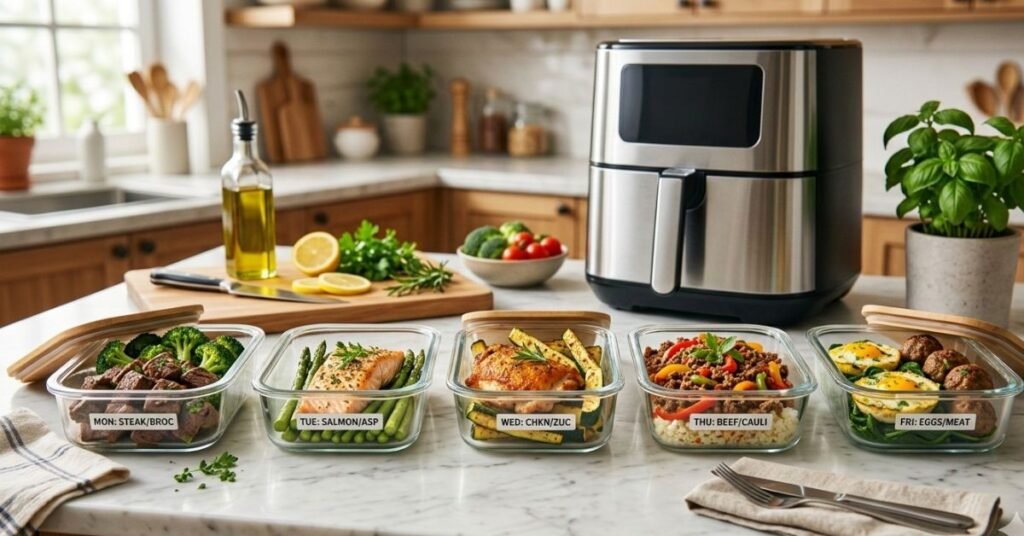
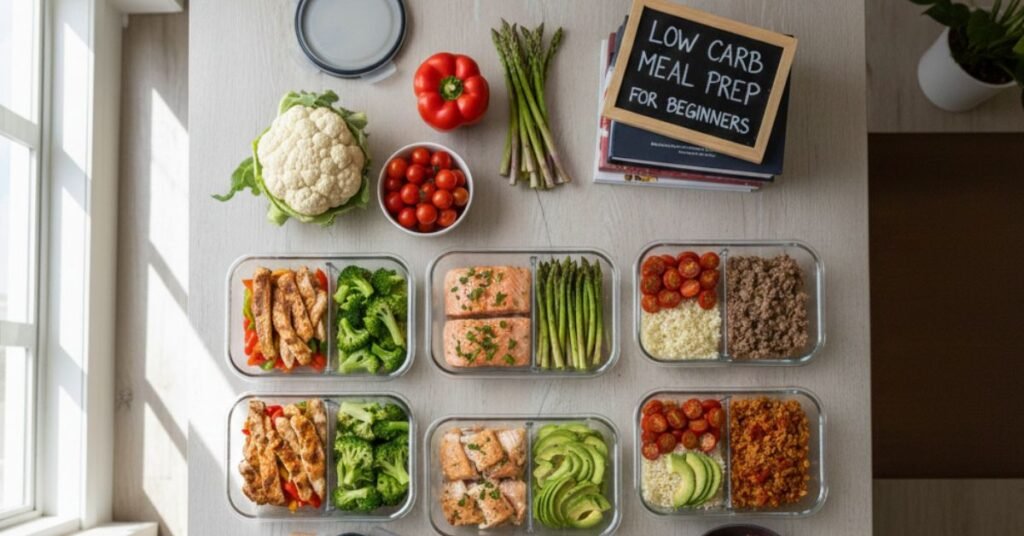
By Kiran | Nutritionist at PrepSlim Editor’s Note: This guide was originally published in 2025 and has been fully updated for 2026 to reflect the latest nutritional research and user feedback. We have included a new “Smart Prep” strategy focused on budget-friendly protein selection and gut-health optimization to ensure your keto journey is both sustainable and scientifically sound. In 2026, meal prepping is no longer just about losing weight; it is about reclaiming your time and managing your budget in an inflationary world. As a nutritionist, I have seen that the biggest barrier to staying in ketosis isn’t a lack of discipline , it’s a lack of a sustainable system. The air fryer has evolved from a trendy gadget into a nutritional powerhouse. By using the Keto Air Fryer Meal Prep for the Week method, you can prepare 15+ high-quality, low-carb meals in under 60 minutes. This guide focuses on the “Smart Prep” philosophy: using affordable protein cuts, seasonal gut-friendly vegetables, and zero-waste cooking techniques. As a nutritionist, I have spent years testing different ways to make healthy eating sustainable. The air fryer is, without a doubt, the most important tool in my kitchen. It allows you to create high-fat, low-carb meals that taste like they were deep-fried, but without the inflammatory vegetable oils. In this guide, I will walk you through everything you need to know to master your weekly meal prep in just one afternoon. Why the Air Fryer is a Keto Secret Weapon Before we get to the recipes, let’s talk about why this tool is essential for low carb meal prep. Essential Tools for Professional Meal Prep To do this like a pro, you need more than just an air fryer. I recommend investing in: Your Keto Air Fryer Shopping List For this week’s healthy keto lunches and dinners, you will need the following: Why the Air Fryer is the Ultimate 2026 Prep Tool Hyper-Efficiency: In 2026, energy costs matter. Air fryers use significantly less power than traditional ovens while cooking 30% faster. Gut Health Focus: Unlike deep frying, air frying requires minimal oil, allowing us to use high-quality fats like avocado or grass-fed ghee that support a healthy microbiome. Texture Retention: The convection technology ensures that even after four days in the fridge, your proteins remain juicy and your vegetables stay crisp. The Weekly Menu Breakdown We aren’t just making one meal; we are creating variety to prevent “diet boredom.” 1. Garlic Butter Steak Bites with Roasted Broccoli Steak bites are perfect for meal prep because they stay tender when reheated. Pairing them with broccoli ensures you get enough fiber. 2. Lemon-Herb Salmon with Asparagus This is one of the easiest keto recipes that feels like a gourmet dinner. Salmon provides the Omega-3 fats your brain needs while on keto. 3. Crispy Chicken Thighs with Zucchini Fries Chicken thighs are higher in fat than breasts, making them a better choice for a ketogenic diet plan. Step-by-Step Meal Prep Instructions Follow this sequence to finish your entire week’s prep in about 60 minutes. Step 1: The Prep Phase (20 Minutes) Wash all your vegetables. Cut the broccoli into florets, the zucchini into sticks, and the steak into 1-inch cubes. Step 2: Seasoning Strategy Do not be afraid of salt! Keto diets require more sodium because your body flushes water faster. Coat your steak in garlic butter and your chicken in smoked paprika and salt. Step 3: The Cooking Sequence Since we are using one air fryer, we cook in rounds: Step 4: Cooling and Boxing Never put hot food directly into your meal prep containers. This creates steam, which makes your vegetables soggy. Let them sit on a wire rack for 15 minutes before closing the lids. Detailed Nutrition Table ,2026 As a nutritionist, I believe in data. Here is exactly what you are putting into your body: Meal Name Calories Net Carbs Protein Healthy Fats Garlic Butter Steak & Broccoli 450 kcal 5g 35g 30g Lemon-Herb Salmon & Asparagus 380 kcal 3g 28g 26g Crispy Chicken & Zucchini 410 kcal 4g 30g 28g Air-Fried Eggs (2 eggs) 140 kcal 1g 12g 10g Calculate My Calories Conclusion:  Keto air fryer meal prep for the week is more than just a way to save time; it is a way to ensure you never have to make a bad food choice out of hunger. By spending just one hour on Sunday, you protect your health, your energy, and your weight loss goals for the entire week. (FAQs) How long do air-fried keto meals last? When stored in airtight glass containers, these meals will stay fresh and safe for 4 to 5 days in the refrigerator. Can I freeze these meals? Yes, but I recommend only freezing the meat. Vegetables like zucchini and broccoli can become watery when thawed. For the best experience, keep them in the fridge. Why is my food not crispy after reheating? The microwave is the enemy of crispiness. To enjoy your easy keto recipes the right way, put your meal back into the air fryer at 350°F for 3 minutes. It will taste brand new! Can I use frozen ingredients? Yes! 2026 air fryer models handle frozen keto-friendly vegetables perfectly. Just add 3-5 minutes to the timer. How do I manage food waste? Any leftover vegetable scraps can be tossed in the air fryer with a bit of parmesan for a “Zero-Waste” keto snack. At PrepSlim, my goal is to make healthy living simple. Start small, try prepping just three days of lunches first, and you will soon see how much easier your life becomes. About the Author: Hi, I’m Kiran! As a professional nutritionist and the founder of PrepSlim, my mission is to simplify healthy living. I specialize in high-protein, keto-friendly meal planning that fits into a busy lifestyle. This air fryer method is my personal favorite because it combines speed with the high-quality textures my clients love. I hope this guide helps you take control of your health one meal at

5 Common Meal Prepping Mistakes That Are Ruining Your Weight Loss
meal prep

5 Common Meal Prepping Mistakes That Are Ruining Your Weight Loss

Editor’s Note: Hi, I’m Kiran! As a professional nutritionist, I have designed this guide to help you avoid the common pitfalls that stall weight loss progress. My goal with prepslim.com is to provide you with high-quality, authoritative content that makes healthy living simple and sustainable. I hope these insights empower your journey toward a healthier you! we have all been there. It is Sunday afternoon. You are feeling motivated. The kitchen counter is full of plastic containers, chicken breasts, and broccoli. You spend three hours cooking, chopping, and packing. You feel proud because you are finally taking control of your health. You are doing everything “right.” But then, two weeks later, you step on the scale  and the number hasn’t moved. Or worse, it has gone up. Frustration sets in. You ask yourself, “Why am I working so hard with no results?” The truth is, meal prep for weight loss is one of the best tools for getting fit, but it is very easy to do it wrong. Just because you are cooking at home doesn’t automatically mean you will lose weight. Small, hidden errors can add up and destroy your progress. In this guide, we will explore the 5 common meal prepping mistakes that might be sabotaging your goals and exactly how to fix them. 1. The “Healthy Food” Portion Trap This is the most common mistake beginners make. There is a big misconception that if a food is “healthy” or “clean,” you can eat as much of it as you want. We often categorize food as “Good” or “Bad.” While avocados, nuts, olive oil, and brown rice are packed with nutrition, they are also very calorie-dense. For example, you might add a “handful” of nuts to your snack box. But if you don’t measure it, that handful could be 300 calories. If you do this every day, you are eating an extra meal’s worth of calories without realizing it. The Calorie Reality Check Look at this table to see how “healthy” foods can pile up calories quickly: Food Item Serving Size Approx. Calories Olive Oil 1 Tablespoon 120 cal Almonds 1 Handful (approx. 23 nuts) 165 cal Avocado 1 Medium Avocado 250-320 cal Peanut Butter 2 Tablespoons 190 cal Salad Dressing 2 Tablespoons (Creamy) 140 cal The Solution: Use a Portion Control Guide 2. Lack of Variety (The Boredom Factor) Imagine this: It is Wednesday. You open your fridge for lunch. You see the same container of plain grilled chicken, steamed broccoli, and white rice that you had on Monday and Tuesday. Suddenly, that meal looks very unappealing. Your coworker offers to order pizza. Because you are bored with your food, your willpower breaks, and you say “Yes.” This is a classic example of avoiding meal prep burnout. Many people think healthy food must be boring or bland to work. They eat the exact same thing every day for 7 days. This is a recipe for failure. Food is not just fuel; it is also enjoyment. The Solution: Rotate Your Flavors You don’t need to cook 5 different meals. You just need healthy meal prep ideas that use different spices. 3. Ignoring “Hidden” Calories (Oils and Sauces) This is the silent killer of weight loss. You might have perfectly measured chicken and vegetables, but how did you cook them? To lose weight, you must be in a calorie deficit. This means you burn more energy than you eat. However, cooking oils are pure fat. Many people also drown their healthy salads in creamy dressings like Ranch or Caesar, which are loaded with fat and sugar. You might think you are eating a low-calorie meal, but the hidden oils are pushing you into a calorie surplus. Calculate My Calories The Solution: Be Smart with Condiments 4. Prepping for Too Many Days Enthusiasm is great, but prepping for 7 days at once is often a mistake. By Thursday or Friday, the food you cooked on Sunday has changed. When your Friday lunch smells a bit weird or looks mushy, you are very likely to throw it in the trash and buy fast food instead. Eco-Friendly and Sustainable Prepping Modern weight loss is not just about what you eat; it is also about how you store it. Many people use cheap plastic containers that can leach harmful chemicals into their healthy food when heated. Switching to glass containers is not only better for the environment but also keeps your food tasting fresher for longer. Additionally, try to reduce food waste by using ‘Scrap Prepping’ save your vegetable peels and ends to make a healthy, low-calorie veggie broth for your next meal. The Solution: The “3-Day Rule” Don’t try to be a superhero. 5. Imbalanced Macros (The “Hunger” Mistake) Have you ever eaten a salad and felt hungry again one hour later? This happens when your meal prep is not balanced. Many people focus only on “low calorie” and forget about “satiety” (feeling full). If your meal is just lettuce and a few cucumbers, your body digests it very quickly. This leads to blood sugar crashes and intense cravings for sugar later in the day. To make a high protein lunch work for you, you need the power couple: Protein and Fiber. One of the biggest reasons people fail their weight loss journey is muscle loss and extreme hunger. To fix this, you must adopt a ‘Protein-First’ strategy. Instead of picking your carbs (like rice or pasta) first, always start your meal prep by choosing your protein source. Protein has a high thermic effect, meaning your body burns more calories just to digest it. When you prep, aim for at least 30 grams of protein per container to keep your metabolism high and your hunger low. The Perfect Plate Formula Structure every meal prep container like this table suggests: Meal Component Weight Loss Benefit Recommended Serving Lean Protein Maintains muscle mass 4 – 6 oz Fibrous Veggies Provides volume & fullness 2 Cups Healthy Fats Supports hormone health 1 – 2

Fermented Foods for Beginners: A Simple Guide to a Happy Gut
meal prep

Fermented Foods for Beginners: A Simple Guide to a Happy Gut

Editor’s Note This guide is written by Kiran, a professional nutritionist. It provides expert insights into natural gut health and easy lifestyle changes for better digestion. Do you often feel bloated, tired, or heavy after eating your everyday meals? The secret to feeling light, active, and healthy might be hiding right inside your kitchen! Today, we are going to talk all about fermented foods for beginners. These are not just ordinary snacks; they are natural “superfoods” that can completely change how your stomach feels and works. As a professional nutritionist, I always tell my clients that a healthy body starts with a healthy stomach. If your stomach is upset, your whole body feels tired. In this complete guide, we will learn what these foods are, why they are so amazing, and how you can easily start eating them every single day. Before we dive into the ‘how-to’, it is important to understand that adding these foods is a lifestyle change. It’s not a temporary diet. By eating fermented foods daily, you are treating your body to natural medicine. What exactly is Fermentation? Fermentation sounds like a big scientific word, but it is actually a very simple and natural process. Tiny, friendly creatures called bacteria and yeast eat the natural sugars found in food. When they eat these sugars, they create something wonderful called natural probiotics in food. Think of these probiotics as a “Tiny Protective Army” living inside your stomach. When you have a big, strong army of these good bacteria, you get a happy stomach and a much healthier body! Fermented vs Pickled Differences: Don’t Be Confused! Many beginners get very confused when they go to the grocery store. They see a jar of pickles and think it is fermented. This is not always true! Here are the main fermented vs pickled differences you need to know: The Golden Rule: If you want real health benefits, always choose foods that are naturally fermented in saltwater, not the ones soaked in vinegar. Why Should You Eat Them? (Amazing Health Benefits) Adding these superfoods to your daily routine brings amazing benefits for your whole body. Here is why you should add them to your fermented diet plan: Top 7 Best Fermented Foods for Gut Health If you are new to this, you do not need to eat strange, expensive, or bad-tasting things. Here are the top 7 easy and delicious options to start with: 1. Yogurt (Dahi) Yogurt is the easiest and most famous way to start. 2. Kefir Kefir is a fantastic drink that tastes like a slightly sour, drinkable yogurt. 3. Sauerkraut This is simply finely cut cabbage fermented with salt. 4. Kombucha If you love drinking fizzy soda, you must replace it with Kombucha. 5. Naturally Fermented Pickles Look for cucumbers or carrots fermented only in saltwater. 6. Miso Miso is a traditional Japanese paste made from fermented soybeans. 7. Tempeh Tempeh is also made from fermented soybeans, but it looks like a firm cake. Nutrition and Serving Guide Table Food Item Primary Health Benefit Calories (per serving) Best Time to Eat Plain Yogurt Bone Health & Digestion ~100 kcal Breakfast Kefir High Probiotics & Protein ~104 kcal After Workout Sauerkraut Vitamin C & Fiber ~27 kcal With Lunch Kombucha Energy Boost ~30 kcal Afternoon Drink Tempeh Muscle Building ~190 kcal Dinner 5 Common Mistakes Beginners Make Fermentation is easy, but nature needs certain conditions. Avoid these traps when you start your journey: Calculate My Calories Step-by-Step Guide: Make Simple Fermented Carrots at Home You can easily make your own healthy snacks at home. It is cheap and fun! Conclusion Starting a healthier life does not have to be difficult. By simply eating a little bit of yogurt or a few fermented carrots every day, you can build a stronger body from the inside out. Remember, take care of your gut, and your gut will take care of you! (FAQs) 1. What are the best probiotics for beginners? Plain yogurt and kefir are the best. They are very gentle and your stomach is already used to dairy. 2. Can I eat fermented foods every day? Yes! Eating a small amount daily is the best way to keep your gut bacteria strong. 3. Do fermented foods cause gas? Sometimes at the start. This is why you should start with just 1-2 spoons a day and slowly increase the amount. 4. Is there a link between fermented foods and weight loss? Yes! A healthy gut balances your hormones and helps you digest food properly, which can help reduce belly fat. Disclaimer: Consult your doctor before starting any diet plan. Meet Your Nutritionist: Hi, I’m Kiran! As a professional Nutritionist and the creator of Prepslim.com, I specialize in high-protein, keto, and weight-loss meal planning. My goal is to provide authoritative, science-backed advice to help you reach your health goals sustainably. Whether you need a 1500-calorie plan or gut-health tips, I am here to guide you every step of the way.

Easy Lunch Meal Prep: Simple Guide for Busy Weeks
meal prep

Easy Lunch Meal Prep: Simple Guide for Busy Weeks

As a professional nutritionist, I know that a busy schedule is often the biggest hurdle to healthy eating. I created this guide to show you that nutritious eating doesn’t have to be complicated or time-consuming. By following these simple meal prep strategies, you can fuel your body effectively while saving precious time and energy. My goal is to help you simplify your nutrition so you can focus on what matters most. Kiran, Nutritionist & Content Creator Tired of the morning rush and daily lunch dilemmas? Easy lunch meal prep can transform your life. This simple technique helps you save time, money, and energy every week while maintaining healthy eating habits. In this article, we’ll share practical tips, recipes, and strategies to help you become a meal prep master. The Rise of Meal Prep Culture In recent years, meal prep has evolved from a niche fitness trend to a mainstream lifestyle choice embraced by busy professionals, students, and families alike. Social media platforms are filled with colorful meal prep containers and inspiring transformation stories. What makes this movement particularly powerful is its accessibility you don’t need to be a professional chef or have expensive equipment to start. With just a few basic containers and some planning, anyone can join the meal prep revolution and experience its transformative benefits. Why Easy Lunch Meal Prep Works for Everyone Meal prep isn’t just a time-saving hack; it improves your overall lifestyle. With weekly meal planning, you prepare yourself for a busy workweek. When you spend 2-3 hours on Sunday doing meal prep, your entire week becomes stress-free. The Triple Benefits of Meal Prepping Benefit Category What You Save Real Impact Time 30-45 min daily 2.5-3.5 hours per week Money $5-8 per lunch $100-150 per month Health 300-500 calories Better portion control From a financial perspective, lunch meal prep is extremely budget-friendly. Daily takeout or restaurant meals can cost 8-12 dollars per day, while homemade meal prep lunches cost only 3-5 dollars per serving. The health benefits are also quite significant. When you prepare your own meals, you can maintain portion control and use fresh, wholesome ingredients. Essential Tools and Pantry Staples For successful meal prep, having the right tools and ingredients is essential. Invest in airtight glass containers or BPA-free plastic containers that are microwave-safe and leak-proof. Mason jars are perfect for salads because they keep greens crispy. Must-Have Items Storage Containers: Pantry Staples Checklist Category Items to Stock Shelf Life Grains Quinoa, brown rice, pasta 6-12 months Proteins Canned beans, tuna 2-5 years Healthy Fats Olive oil, nuts, seeds 6-12 months Flavor Boosters Sauces, spices, herbs 1-3 years Stock your pantry with grains like quinoa, brown rice, and whole grain pasta. Canned beans and lentils are affordable protein sources. For fresh produce, keep pre-washed greens, cherry tomatoes, bell peppers, and cucumbers. Simple Meal Prep Formulas You Can Follow Meal prep doesn’t need to be complicated. The perfect grain bowl formula is simple: choose ½ cup cooked grain, add 3-4 oz protein, include vegetables, add healthy fats, and serve with dressing. The Perfect Grain Bowl Formula Step-by-Step Assembly: Build-Your-Own Salad Blueprint For wraps and sandwiches, use whole grain tortilla or bread, apply healthy spread, add protein filling, include fresh veggies, and complete with flavor additions. Easy No-Cook and Cold Lunch Options If you don’t have microwave access or prefer cold lunches, mason jar salads are a favorite choice. Follow the layering technique: dressing at the bottom, then hard vegetables, beans or grains, soft vegetables, and greens on top. Protein-Packed Snack Additions Don’t underestimate the power of adding protein-rich snacks alongside your main lunch. Hard-boiled eggs prepared in advance, individual portions of hummus with veggie sticks, Greek yogurt with berries, or homemade energy balls can complement your meal and keep you satisfied throughout the afternoon. These mini additions take minimal prep time but significantly boost the nutritional value and satiety factor of your lunch. Plus, they’re perfect for those days when you need an extra energy boost before an important meeting or workout. Mason Jar Salad Layering Guide Popular Cold Lunch Ideas: Smart Storage and Food Safety Tips Proper storage is the key to meal prep success. Cooked grains stay fresh for 4-5 days. Cooked proteins are safe for 3-4 days. Cut vegetables can be stored for 3-5 days. Food Freshness Timeline Food Type Refrigerator Freezer Cooked grains 4-5 days 2-3 months Cooked proteins 3-4 days 2-3 months Cut vegetables 3-5 days Not recommended Soups and stews 3-4 days 3-4 months Essential Food Safety Rules: Common Meal Prep Mistakes to Avoid Even experienced meal preppers occasionally fall into certain traps. One common mistake is choosing overly complicated recipes that require too many ingredients or steps stick to simple, streamlined recipes, especially when starting out. Another pitfall is not accounting for taste fatigue; eating identical meals five days in a row can lead to burnout. The solution? Prep two or three different recipes instead of just one. Finally, many beginners forget to factor in reheating time and access to microwaves. If you work in a place with limited kitchen facilities, prioritize cold lunch options or invest in a good quality thermos for hot meals. (FAQs) Q1: How long can I safely store meal-prepped lunches? Most meal-prepped lunches can be safely stored for 3-4 days in the refrigerator. Cooked grains can last up to 5 days, while salads with dressing should be consumed within 2-3 days. Q2: What type of containers should I use? Both glass and plastic containers work well. Glass containers are microwave-safe and don’t absorb odors. BPA-free plastic containers are lightweight and portable. Q3: Can I meal prep if I don’t like eating the same food? Try the component meal prep method. Prep individual ingredients that can be mixed and matched throughout the week for variety. Q4: How much money can I save with meal prep? Meal-prepped lunches cost $3-5 per serving compared to $8-12 for takeout. This translates to savings of $100-150 per month. Q5: Do I need to reheat my meal-prepped

The Ultimate Guide to Healthy Chick-fil-A Options: A Nutritionist’s Top Picks
meal prep

The Ultimate Guide to Healthy Chick-fil-A Options: A Nutritionist’s Top Picks

prepslim.com When you are living a busy life, cooking every single meal at home is not always possible. Eventually, you will find yourself in a drive-thru line wondering what to order. A common misconception is that eating fast food automatically ruins your diet and sets back your health goals. But does it really have to? Absolutely not. Finding healthy fast food options is entirely possible if you know what to look for and how to customize your order. As a nutritionist, I am constantly analyzing restaurant menus to help my readers make better choices. Chick-fil-A stands out in the fast-food industry because of its commitment to quality ingredients, fresh produce, and highly customizable menu. Whether your goal is to build lean muscle mass, maintain your current weight, or drop a few pounds, having a reliable Chick-fil-A diet menu strategy can be a total lifesaver. In this comprehensive guide, we are going to break down the best menu items to keep your calories low and your protein high. Let’s dive into the ultimate list of low-calorie fast food choices that actually taste great. 1. High-Protein Breakfast Choices A productive day begins with a solid, nutritious breakfast. Skipping heavy, greasy breakfast sandwiches and opting for a protein-packed meal will stabilize your blood sugar and provide sustained energy. This is especially important if you are following modern health trends like the 30-30-30 rule, which emphasizes getting 30 grams of protein early in the morning. 2. The Core Entrées: Grilled vs. Fried When you are searching for weight loss fast food, the golden rule is always the same: choose grilled over fried. The breading and deep-frying process add significant amounts of hidden saturated fats, sodium, and empty calories that can hinder your progress. 3. Nutrient-Dense Salads and Sides Many people assume salads are automatically healthy, but that is not always true. However, Chick-fil-A offers some genuinely nutritious side options that allow you to skip the heavy waffle fries. 4. The Hidden Calories: Dressings & Sauces You can order the healthiest grilled chicken salad on the menu, but if you drench it in the wrong dressing, you can easily add 300 to 400 unnecessary calories. Being mindful of condiments is a crucial part of eating out. Smart Sauce Choices (Use These): Sauces to Avoid or Limit: Calculate My Calories 5. Nutrition Table: At a Glance To make your next drive-thru visit as easy as possible, I have created this quick reference cheat sheet. Save this table so you always know your macros: Menu Item Calories Protein (g) Carbs (g) Fat (g) Egg White Grill 290 26 30 8 Greek Yogurt Parfait 270 13 36 9 Grilled Nuggets (8-ct) 130 25 1 3 Grilled Chicken Sandwich 380 28 44 12 Grilled Chicken Cool Wrap 350 42 29 13 Market Salad (No Dressing) 330 29 26 13 Kale Crunch Side 120 3 8 9 Fruit Cup (Medium) 60 1 15 0 6. Editor’s Note: My Personal Strategy As a nutritionist who is constantly testing recipes and writing content for prepslim.com, I need meals that won’t cause a mid-afternoon energy crash. Heavy, carb-loaded fast food usually makes me feel sluggish and unmotivated. When I am pressed for time, my absolute favorite go-to order is the 8-count Grilled Nuggets paired with a Kale Crunch Side and a large Diet Lemonade. This entire meal comes out to just 250 calories and provides 28 grams of high-quality protein. It is incredibly filling, satisfyingly crunchy, and keeps my focus sharp so I can get back to work without feeling weighed down. Conclusion      Eating on the go does not mean you have to surrender your health goals. By making smart, informed choices like opting for grilled proteins, swapping fries for greens, and being careful with heavy dressings you can easily enjoy a delicious meal that supports your fitness journey. Remember, consistency is key, and having a plan before you reach the drive-thru speaker is half the batt (FAQs) Q: Is Chick-fil-A healthy for weight loss? Yes, it certainly can be! Weight loss ultimately comes down to maintaining a calorie deficit. Because Chick-fil-A offers grilled chicken options, fresh fruit, and low-calorie salads, it is very easy to build a meal that fits into a strict weight loss plan. Q: What is the lowest calorie item at Chick-fil-A? If we are looking at side items, the lowest calorie option is the small Fruit Cup, which has only 45 calories. If we are looking at entrées, the 8-count Grilled Nuggets are the lowest at just 130 calories. Q: Are Chick-fil-A waffle fries healthy? While they are delicious and cooked in canola oil, waffle fries are still a deep-fried carbohydrate. A medium order contains 420 calories and 21 grams of fat. They are fine as an occasional treat, but if you are eating for health and weight loss, swapping them for the Kale Crunch Side or a side salad is a much better everyday choice. Q: Can I eat Chick-fil-A on a keto or low-carb diet? Absolutely. The Grilled Nuggets contain only 1 gram of carbohydrates, making them perfectly keto-friendly. You can also order the Grilled Chicken Sandwich without the bun, or get a side salad and use the Light Italian dressing to keep your net carbs extremely low. Q: What is the best healthy drink to order? Always try to avoid liquid calories. Sugary sodas provide zero nutritional value. The best options are plain water, Unsweetened Iced Tea (0 calories), or the famous Diet Lemonade, which uses Splenda and contains only 15 calories for a medium cup. Disclaimer: The information provided in this blog is for educational purposes only. Consult your doctor before starting any diet plan.

The Ultimate Gym Meal Plan for Weight Loss: A Complete Guide
meal prep

The Ultimate Gym Meal Plan for Weight Loss: A Complete Guide

Starting a fitness journey is exciting, but many people make a big mistake: they focus only on the gym and forget the kitchen. If you want to lose weight and tone your body, your diet is 70% of the work. You need a fat loss nutrition guide that supports your workouts without making you feel weak. In this guide, we will break down exactly what you should eat, why it works, and how to stay consistent. This plan is designed in easy English so everyone can follow it and get results. Why Your Diet Matters More Than the Gym Many people think that if they run for an hour, they can eat anything. Unfortunately, a single burger can have more calories than you burn in two hours of exercise. To lose weight, you must be in a Caloric Deficit. This means you burn more calories than you consume. However, just eating “less” isn’t enough. If you don’t eat enough protein, your body will burn muscle instead of fat. Our goal is to keep the muscle and lose the fat. 1. Understanding Your Macros To follow a high protein diet for weight loss, you need to understand the three main building blocks of food: 2. A Detailed 7-Day Gym Meal Plan This table provides a simple structure for your week. You can mix and match these low calorie gym meals based on what you like. Day Breakfast Lunch Snack Dinner Mon Oats with Milk & Almonds Grilled Chicken & Broccoli 1 Banana Lentil Soup (Daal) & Salad Tue 3 Egg White Omelet Chickpea (Cholay) Salad Greek Yogurt Baked Fish & Veggies Wed Fruit Smoothie with Protein Brown Rice & Grilled Fish Handful of Walnuts Paneer Stir-fry Thu Boiled Eggs & Whole Wheat Toast Quinoa & Black Beans 1 Apple Chicken Clear Soup Fri Chia Seed Pudding Turkey or Lean Beef Wrap Peanut Butter on Rice Cake Roasted Cauliflower & Tofu Sat Vegetable Poha or Upma Large Mixed Green Salad Cottage Cheese Grilled Chicken Breast Sun Scrambled Eggs with Spinach Lentils & Small portion of Rice Orange or Berries Light Vegetable Soup 3. Pre-Workout and Post-Workout Nutrition What you eat before and after the gym determines how much fat you burn and how fast your muscles recover. Best Pre-Workout Snacks You need quick energy about 30–60 minutes before you train. Good options include: Post-Workout Recovery Your muscles are like sponges after a workout. They need nutrients to grow stronger. 4. Professional Tips for Success Following a plan is easy for two days, but staying consistent is the hard part. Here are some professional tips: 5. Meal Prep for Gym Beginners One of the main reasons people fail their diet is because they are too tired to cook after work. This is where meal prep for gym beginners comes in. 6. Common Weight Loss Myths Daily Nutrition Summary Table Nutrient Goal for Weight Loss Best Sources Protein 1.2g – 1.5g per kg of body weight Chicken, Eggs, Fish, Lentils, Paneer Carbohydrates 30% – 40% of daily calories Oats, Sweet Potato, Brown Rice, Fruits Fats 20% – 25% of daily calories Almonds, Walnuts, Olive Oil, Avocado Fiber 25g – 30g per day Leafy Greens, Beans, Whole Grains ⚖️ Check Your BMI Now Conclusion Losing weight is a marathon, not a sprint. By using this gym meal plan for weight loss, you are giving your body the fuel it needs to perform in the gym and the nutrients it needs to recover. Start small, be consistent, and you will see amazing changes in your body and energy levels. (FAQs) Q1: Can I lose weight without going to the gym? Yes, weight loss is mostly about your diet. However, the gym helps you tone your body and keeps your heart healthy. Q2: Is a “Cheat Meal” okay? Yes. Having one meal where you eat your favorite food (like pizza or a burger) once a week can help you stay motivated. Just don’t let a “cheat meal” turn into a “cheat weekend.” Q3: Should I take supplements? Supplements like Whey protein are helpful if you cannot get enough protein from whole foods, but they are not mandatory. Focus on real food first. Q4: How much weight can I lose in a month? A healthy and sustainable rate is 0.5kg to 1kg per week. Losing weight too fast can be dangerous and usually leads to gaining it back quickly. Q5: What if I feel hungry all the time? Increase your intake of green vegetables and protein. These foods take longer to digest and keep you full. Consult your doctor before starting any diet plan.

The Ultimate Mediterranean Meal Plan for Men: Build Muscle & Boost Energy
meal prep

The Ultimate Mediterranean Meal Plan for Men: Build Muscle & Boost Energy

Let’s be honest:    most “diets” feel like they were designed for someone else. As men, we often feel we have to choose between eating “healthy” and feeling strong or satisfied. For years, I struggled to find a balance between keeping my energy up for a busy workday and maintaining muscle at the gym without feeling bloated or sluggish by noon. The Mediterranean Diet isn’t just about salads; it’s a high-performance fuel system. By focusing on healthy fats, lean proteins, and complex carbs, you can optimize your testosterone levels, heart health, and physical stamina. Here is exactly how to do it. Why This Plan Works Specifically for Men Men have unique nutritional requirements. We typically need more calories and specific nutrients like Zinc and Omega-3s for hormonal balance. Key Benefits for the Male Body Step-by-Step Implementation for Men Step 1: Upgrade Your Protein Sources For men, protein is non-negotiable. However, instead of heavy red meats every night, we shift toward “high-performance” proteins. Aim for fatty fish twice a week and lean poultry or plant-based proteins like lentils on other days. This provides the amino acids you need without the saturated fat that slows you down. Step 2: Swap the “White” Carbs for “Power” Carbs Refined carbs cause insulin spikes that lead to fatigue. Switch to whole grains. Quinoa, oats, and sweet potatoes provide a slow release of energy, which is crucial if you are hitting the gym or have a high-stress job. Step 3: Don’t Fear the Fats The Mediterranean diet is high in fat, but the right kind. For men, monounsaturated fats are essential for brain function and keeping your joints lubricated. Use olive oil as your primary fat source for everything. 7-Day Mediterranean Meal Plan for Men (2,500 Calories) This table is designed for a moderately active man looking to maintain weight and high energy levels. Day Breakfast Lunch Dinner Post-Workout/Snack Mon 3 Scrambled eggs with spinach and feta on whole-grain toast. Large Greek salad with 150g grilled chicken and extra olive oil. 200g Baked Salmon with roasted asparagus and 1 cup quinoa. Protein shake with almond butter and a banana. Tue 1 cup Greek Yogurt with walnuts, chia seeds, and honey. Tuna salad (olive oil based) in a whole-wheat wrap with greens. Turkey meatballs with whole-grain pasta and marinara sauce. Handful of almonds and an orange. Wed Large bowl of oatmeal with peanut butter and blueberries. Mediterranean bowl: Chickpeas, cucumbers, olives, and grilled chicken. Grilled Steak (limit to once a week) with a large sweet potato. Hummus with sliced bell peppers and carrots. Thu Avocado toast topped with 2 poached eggs and hemp seeds. Leftover Turkey meatballs and pasta. Baked Cod with lemon, herbs, and a side of roasted broccoli. Cottage cheese with sliced pineapple. Fri Smoothie: Spinach, protein powder, Greek yogurt, and berries. Lentil soup with a side of whole-grain sourdough bread. Grilled Shrimp skewers with brown rice and grilled zucchini. Apple slices with walnut butter. Sat Whole-grain pancakes topped with Greek yogurt and berries. Chicken Shawarma plate (no fries) with extra hummus and salad. Homemade Mediterranean Pizza on thin whole-wheat crust. Trail mix (nuts and dark chocolate). Sun Omelet with mushrooms, onions, and goat cheese. Roasted veggie and quinoa power bowl with tahini dressing. Lemon Herb Roasted Chicken with a side of sautéed kale. Greek yogurt with a few strawberries. Nutritional Table (Daily Average for Men) Nutrient Daily Goal Role in Male Health Calories 2,500 kcal Sustains energy for work and exercise. Protein 125g – 150g Muscle repair and hormone production. Fiber 38g Gut health and lowering cholesterol. Healthy Fats 80g – 90g Testosterone support and brain health. Zinc 11mg Vital for reproductive health and immunity. 📊 Calculate Your Macros Now Conclusion By following this sequence, you aren’t just “going on a diet” you are upgrading your entire biological operating system. (FAQs) 1. Is the Mediterranean diet enough for muscle building? Yes. By emphasizing Greek yogurt, lean poultry, fish, and legumes, you can easily hit your protein targets. If you are training heavy, simply increase the portion sizes of these protein sources. 2. Can I drink coffee or tea? Absolutely. Coffee and tea are staples, but keep them “clean.” Avoid adding heavy creams or refined sugars. A splash of milk or a tiny bit of honey is perfectly fine. 3. Do I have to give up red meat entirely? No. The Mediterranean lifestyle suggests limiting red meat to a few times a month, but for active men, having a lean steak once a week is a common modification that fits well within the spirit of the diet. 4. How do I handle social events or “beer nights”? The Mediterranean lifestyle values social connection. If you’re out, opt for red wine (in moderation) instead of heavy beers, and choose grilled appetizers like calamari or skewers instead of fried wings. 5. Will I lose weight on this plan? If you are coming from a diet high in processed foods and sugar, you will likely see a reduction in body fat, especially around the midsection, due to the high fiber and clean protein content. Disclaimer; Consult your doctor before starting any diet plan.

The Ultimate 100g Protein Meal Plan: Eat Your Way to a Stronger You!
meal prep

The Ultimate 100g Protein Meal Plan: Eat Your Way to a Stronger You!

Have you ever felt like you’re eating all day but still feel tired or hungry? Or maybe you want to get stronger but don’t know which foods to pick? Well, you are in the right place! I know that starting a new way of eating can feel like a big puzzle. But here is a secret: it doesn’t have to be hard. One of the best things you can do for your body is to follow a high-protein diet for weight loss and muscle strength. In this guide, I’m going to show you exactly how to eat 100 grams of protein every single day. We will use real, yummy food that you can find at any grocery store. No confusing science words, just a simple plan that works. Why is 100 Grams of Protein the “Magic Number”? Your body is like a car. If you give a car bad fuel, it won’t run well. Protein is the “premium fuel” for humans. When you keep track of your daily protein intake, amazing things start to happen: Most people find that 100 grams is the perfect amount. It’s enough to see real changes in how you look and feel, but it’s not so much that you feel stuffed. Best Healthy Protein Sources (Your Shopping List) Before we start cooking, we need to know what to buy. To reach 100g, we want healthy protein sources that are also good for our hearts. Here are my top favorites: The Step-by-Step 1200-Calorie Meal Plan This plan is built for someone who wants to hit 100g of protein while staying around 1200–1400 calories. This is a great muscle building meals strategy for beginners. 1. Breakfast: The Sunny Start (25g Protein) Don’t just have toast! We need to wake up those muscles. 2. Lunch: The Power Bowl (30g Protein) This lunch will stop that “afternoon slump” where you feel like taking a nap. 3. Snack: The Bridge Snack (15g Protein) The time between lunch and dinner is when most people give up on their diet. Let’s fix that with easy high-protein snacks. 4. Dinner: The Lean Feast (30g Protein) We want to end the day feeling satisfied but not “heavy.” Your Daily Nutrition Breakdown Here is a simple table so you can see how the numbers add up. It’s like a cheat sheet for your health! Meal Time Food Description Protein (Grams) Calories (Approx) Breakfast 3 Eggs + Greek Yogurt 26g 360 Lunch Grilled Chicken + Quinoa 32g 400 Snack Cottage Cheese / Bar 14g 180 Dinner Baked Fish + Veggies 28g 350 Total 100g 1290 📊 Calculate Your Macros Now 3 Secrets to Hit 100g Every Day Final Thoughts Eating 100 grams of protein isn’t about being “perfect.” It’s about making better choices one meal at a time. If you miss your goal one day, don’t worry! Just start again the next morning with your eggs and yogurt. Success comes from doing the small things every day. You have the plan, you have the list, and now you have the power to change your health! (FAQs) Q: Is 100g of protein safe for everyone? A: For most healthy people, yes! It is a very normal amount. However, if you have any kidney issues, you should always talk to your doctor first. Q: Can I reach 100g without eating meat? A: Yes, but you have to be smart. You will need to eat a lot of eggs, lentils, soy (tofu), and Greek yogurt. It takes a bit more planning, but it’s totally possible! Q: Do I have to use protein powder? A: Nope! Protein powder is just a tool. If you can eat enough chicken, fish, and eggs, you don’t need it. But it is very helpful if you are in a rush. Q: What if I go over 100g? A: That’s usually fine! Your body will just use it for energy. Just make sure you aren’t eating too many total calories for your goal. Consult your doctor before starting any diet plan.

Scroll to Top