prepslim.com

Author name: Kiran

30-30-30 Rule vs Intermittent Fasting: Which is Better for Weight Loss?
Weight Loss & Diet Plans

30-30-30 Rule vs Intermittent Fasting: Which is Better for Weight Loss?

In the ever-evolving world of health and fitness, two major names are dominating the conversation today: Intermittent Fasting (IF), the proven and time-tested classic, and the highly viral 30-30-30 Rule. If you are trying to shed some extra pounds and get healthier, you have probably asked yourself: “Should I skip breakfast completely, or should I eat a heavy protein meal the moment I wake up?” It can be incredibly confusing! In this comprehensive guide, we are going to dive deep into the science behind both methods. By comparing the 30-30-30 rule and intermittent fasting side-by-side, we will help you figure out exactly which approach is the best fit for your unique body and lifestyle. Let’s dive in!  1. What is the 30-30-30 Rule? (The Viral Trend) The 30-30-30 rule was recently popularized by human biologist and researcher Gary Brecka. Unlike restrictive diets, this method is all about firing up your metabolism first thing in the morning. It consists of three very simple, structured steps: The Science: Starting your day with protein is one of the most effective metabolism boosting habits you can develop. It requires your body to use more energy to digest the food (known as the Thermic Effect of Food). Furthermore, the high-protein breakfast benefits are massive: it stabilizes your blood sugar for the rest of the day, protects your muscle mass, and completely crushes those mid-day sugar cravings. 2. What is Intermittent Fasting? (The Proven Classic) Intermittent Fasting (IF) isn’t a diet that tells you what to eat; it is an eating schedule that tells you when to eat. The most popular variation is the 16:8 method. This means you fast (eat nothing) for 16 hours and consume all your daily calories within an 8-hour window. For most people, this simply means skipping breakfast and eating from noon to 8:00 PM. The Science: The true magic of this method lies in the connection between insulin sensitivity and fasting. Every time you eat, your body releases insulin. When you fast for extended periods, your insulin levels drop significantly. This low-insulin state signals your body to stop storing fat and start burning stored body fat for energy. It also triggers a process called autophagy, where your body cleans out damaged cells, promoting longevity and a healthy gut. 3. Direct Comparison: 30-30-30 vs. Intermittent Fasting Both methods are fantastic, but they work in entirely different ways. Let’s look at a side-by-side comparison to see the differences clearly: Feature 30-30-30 Rule  Intermittent Fasting  Main Focus Eating protein right away Restricting your eating time Breakfast Absolutely mandatory Usually skipped entirely Energy Levels High and stable all day long Might cause fatigue in the beginning Ease of Use Requires morning discipline & cooking Very easy for busy people Sugar Cravings Protein eliminates sweet cravings early Fasting window might trigger hunger 4. The Hidden Factor: Stress and Hormones Here is a crucial biological fact that many fitness influencers forget to mention: the powerful link between cortisol levels and weight gain. Cortisol is your body’s primary stress hormone. 5. Which Rule is Best for YOU? Because of “bio-individuality,” no two bodies are exactly the same. You need to choose the method that fits your daily life. You should choose the 30-30-30 Rule if: You should choose Intermittent Fasting if: 6. Top Tips for Success If you are just starting your fitness journey, remember that neither of these methods is a magic pill. You need solid foundations. Here are some of the best weight loss tips for beginners: 📊 Calculate Your Macros Now Final Verdict Both the 30-30-30 rule and Intermittent Fasting are incredible tools in the fitness world. However, at the end of the day, successful weight loss comes down to managing your calories, balancing your hormones, and finding a routine you can actually stick to for years, not just weeks. Listen to your body. Try the 30-30-30 rule for a couple of weeks if you feel energetic and your cravings disappear, keep going! If you feel overly full and sluggish in the mornings, switch to Intermittent Fasting. (FAQs) Q1: Can I drink coffee while doing the 30-30-30 rule? Yes, absolutely! However, try to drink black coffee or coffee with minimal milk/sugar. It is best to drink it alongside or right after your high-protein breakfast to prevent an unnecessary cortisol spike. Q2: Which method causes faster weight loss? Both create weight loss by helping you maintain a calorie deficit. IF is often “faster” for people who find it easy to skip meals. However, if skipping breakfast makes you binge-eat later in the day, the 30-30-30 rule will give you better, more sustainable results long-term. Q3: Can I do Intermittent Fasting and the 30-30-30 rule at the same time? Technically, it is very difficult. The 30-30-30 rule requires eating immediately upon waking, while IF usually requires skipping morning meals. It is much more effective to focus 100% on just one method. Q4: What should I eat to get 30 grams of protein in the morning? Great options include 3 whole eggs paired with some Greek yogurt, a high-quality whey protein shake, cottage cheese, or leftover chicken/steak from the night before. Which of these two methods sounds easier for your daily routine? Have you tried either of them? Let me know your thoughts in the comments below!

The Ultimate Guide to the 30-30-30 Diet: A Simple Morning Routine for Fat Loss
Weight Loss & Diet Plans

The Ultimate Guide to the 30-30-30 Diet: A Simple Morning Routine for Fat Loss

Have you ever tried strict diets that leave you feeling hungry and tired? If counting every calorie is not working for you, there is a new, viral trend that is very easy to follow. It is called the 30-30-30 rule. Unlike hard diets where you have to starve, this method is simply about how you start your morning. Popularized by human biologist Gary Brecka, this routine helps balance your hormones and tells your body to burn fat all day long. In this complete guide, we will explore what the 30-30-30 diet for weight loss is, why it works, and how you can easily make it a part of your daily life. Calculate My Calories What is the 30-30-30 Rule? The best thing about the 30-30-30 rule is that it is very simple. It is not a hard meal plan. It is just a morning habit. Quick Summary Table Step Action Why It Helps Step 1 Eat 30 Grams of Protein Keeps you full and controls blood sugar. Step 2 Within 30 Minutes of Waking Stops your body from storing fat due to stress. Step 3 30 Minutes of Light Exercise Burns stored body fat instead of sugar. The Science: Why Does It Work? When you wake up after a full night of sleep, your body has low blood sugar. If you drink sugary tea or eat sweet bread right away, your blood sugar shoots up. A few hours later, it drops fast, making you tired and hungry again. Here is how to boost metabolism naturally using this rule: Step 1: Eat 30 Grams of Protein The first part of the rule is to make sure you get enough protein. Thirty grams might sound like a lot, but it is easy if you pick the right foods. Eating a high-protein breakfast keeps you full, preserves your muscle mass, and stops you from snacking before lunch. Here are some quick and easy high protein breakfast ideas to help you hit your goal: Food Item Amount Needed Estimated Protein Whole Eggs 4 large eggs 24 grams (Add cheese to reach 30g) Greek Yogurt 1.5 cups (Plain) 30 grams Cottage Cheese 1 cup 25-28 grams Protein Powder 1 scoop mixed with water 25-30 grams Smoked Salmon 4-5 ounces 25-30 grams Step 2: Eat Within 30 Minutes of Waking Up Timing is the second most important part of this rule. You must eat your protein within the first 30 minutes of waking up. Why the 30-minute window? When you wake up, your body’s stress hormone (cortisol) is high. If you wait too long to eat, your body thinks it is starving and starts to store fat to save energy. By eating protein quickly, you tell your body that food is available, and it is safe to start burning fat for fuel. Step 3: Do 30 Minutes of Light Exercise The final step is to move your body for 30 minutes. But there is a very important rule here: Do not do heavy or fast workouts. This routine requires low-intensity steady state cardio (LISS). If you do a hard workout (like running fast or heavy weightlifting) right after eating, your body gets stressed. It might burn your muscles for quick energy instead of burning fat. Best Exercises for Step 3 Your heart rate should go up just a little bit. You should be able to talk easily while doing this exercise without losing your breath. Good (Light Exercise) Bad (Heavy Exercise) Normal Walking Fast Running or Sprinting Slow Cycling Hard Gym Workouts (Heavy Weights) Gentle Yoga Jumping Jacks or CrossFit The Benefits of This Morning Routine Creating a solid morning routine for fat loss improves your whole day. Here is what happens when you follow this rule consistently: Common Mistakes to Avoid To get the best results, make sure you do not make these simple mistakes: Final Thoughts The 30-30-30 rule is a very safe and healthy way to live. It is not a magic trick, but it is a great way to fix your daily habits. By simply waking up, eating 30 grams of good protein, and taking an easy 30-minute walk, you can completely change your body and your health. It needs no expensive gym machines and no starving. Try it for 30 days and see how much better you feel! (FAQs) To help you understand this diet better, here are the most common questions people ask: 1. Can I drink coffee or tea before my 30 grams of protein?  It is better to eat your protein first. However, if you must have coffee, try to avoid adding sugar or heavy cream, as these can spike your insulin and stop the fat-burning process. 2. What if I am not hungry within 30 minutes of waking up?  Many people find it hard to eat a big meal so early. If you are not hungry, try a liquid option like a protein shake. It is easier to consume and still follows the rule. 3. Can vegetarians follow the 30-30-30 rule?  Yes! Vegetarians can use Greek yogurt, cottage cheese, soy milk, or plant-based protein powders. Just make sure the total protein reaches 30 grams. 4. Do I have to do this every single day?  Consistency is key. While doing it 5 days a week is good, doing it every day for the first 30 days will give you the best results for your metabolism. 5. Is this rule okay for people with Type 2 Diabetes?  This rule is often great for blood sugar control, but because it involves a high-protein intake, you should always talk to your doctor first to make sure it is safe for your specific health needs. 6. Can I do the exercise first and then eat?  No. The sequence is very important. You must eat the protein before the 30 minutes of light exercise to protect your muscles and signal your body to burn stored fat. (Note: If you have diabetes or kidney problems, always ask your doctor before starting any high-protein

High Protein Breakfast Ideas for Weight Loss: The Ultimate Science-Backed Guide
Recipes

High Protein Breakfast Ideas for Weight Loss: The Ultimate Science-Backed Guide

Editor’s Note (Updated February 2026): This guide has been updated with the latest metabolic research, including the viral 30/30/30 Rule for accelerated fat loss. We have also added a dedicated Safety & Myths section to address common concerns regarding protein intake and kidney health, ensuring our readers have the most accurate, science-backed information for their journey. In the world of fitness and nutrition, there is a famous saying: “Abs are made in the kitchen.” While exercise is vital, your diet carries the heavy weight of your success. Specifically, your first meal of the day sets the metabolic tone for the next 16 hours. If you start with sugar and refined carbs, you trap yourself in a cycle of hunger. However, if you switch to high protein breakfast ideas for weight loss, you unlock a biological shortcut to burning fat. This guide provides an in-depth look at why protein is your best ally, a variety of delicious recipes, and a strategic plan to help you reach your goal weight. The Science: Why Protein is the “Gold Standard” for Weight Loss To understand why protein-rich morning meals are superior, we must look at the three major ways protein affects human biology: A. The Thermic Effect of Food (TEF) Not all calories are created equal. Your body requires energy to break down, absorb, and process nutrients. This is known as TEF. B. Appetite Regulation (The Hunger Hormones) Protein is the most satiating macronutrient. It suppresses Ghrelin, the hormone that tells your brain you are hungry. Simultaneously, it boosts Peptide YY and GLP-1, hormones that tell your brain you are full. By eating a high-protein breakfast, you are chemically signaling your body to stop craving snacks. C. Muscle Preservation When people lose weight, they often lose muscle along with fat. This is a mistake because muscle burns more calories at rest than fat does. A high-protein diet ensures that the weight you lose comes from your fat stores, not your lean muscle mass. The 30/30/30 Rule: Why Eating 30g of Protein After Waking is a Game Changer One of the most talked-about trends in 2026 is the “30/30/30 Rule.” This strategy suggests eating 30 grams of protein within 30 minutes of waking up, followed by 30 minutes of low-intensity exercise. By fueling your body with high-quality protein immediately after sleep, you stabilize your blood sugar and prevent the mid-day insulin spikes that lead to fat storage. This simple habit shift ensures that your body stays in a fat-burning state for a longer duration of the day, making weight loss feel effortless rather than a constant struggle against hunger. Comparing the Best Protein Sources for Breakfast To build a successful meal plan, you need to know which foods offer the most “bang for your buck.” Food Source Protein Amount Calories (Approx) Best For… Egg Whites (4) 14g 70 kcal Pure lean protein, very low calorie. Greek Yogurt (1 cup) 20g 150 kcal Probiotics and gut health. Cottage Cheese (1 cup) 25g 180 kcal Slow-release energy for long days. Smoked Salmon (100g) 20g 120 kcal Brain-boosting Omega-3s. Tofu (1/2 cup) 10g 95 kcal Plant-based muscle building. Chicken Breast (100g) 31g 165 kcal Maximum satiety and volume. Top 7 High Protein Breakfast Recipes for Weight Loss 1. The Mediterranean Spinach & Feta Omelet This is a classic low-calorie high protein breakfast. 2. Savory Indian-Style Paneer Bhurji For a high protein vegetarian breakfast for weight loss, paneer is unmatched in the Desi diet. 3. Berry & Nut Greek Yogurt Power Bowl A perfect choice for those who prefer healthy breakfast recipes for fat loss that are quick and cold. 4. Smoked Salmon and Avocado “Toast” (Low Carb) 5. Overnight High-Protein “Proats” 6. Tofu Scramble with Turmeric (Vegan Option) 7. Chickpea (Chana) & Quinoa Salad Strategies for Success: Beyond the Recipe To reach a 1200-word depth of knowledge, we must discuss the habits that make these meals work. Debunking 2026 Protein Myths: Is a High-Protein Diet Safe for Your Kidneys? As protein becomes more popular, so do the myths surrounding it. A common concern is whether a high-protein diet can damage the kidneys. According to the latest 2026 health reviews, for individuals with healthy kidney function, high protein intake is perfectly safe and even beneficial. It helps prevent bone loss and maintains muscle mass as you age. The key is balance; as long as you stay hydrated and include plenty of greens in your healthy breakfast recipes for fat loss, protein remains the safest and most effective tool for long-term health. The Verdict: Your Path Forward Switching to high protein breakfast ideas for weight loss is more than just a diet change; it is a lifestyle upgrade. By focusing on quality protein sources like eggs, Greek yogurt, paneer, and lean meats, you are giving your body the best chance to succeed. Frequently Asked Questions (FAQs) Q1: Is it bad to eat too much protein? For a healthy individual, a high-protein diet is generally safe. Your kidneys are designed to process protein efficiently. However, if you have pre-existing kidney issues, consult a doctor first. Q2: What if I am not hungry in the morning? If you practice Intermittent Fasting, your “breakfast” is simply your first meal of the day. Whenever you break your fast, ensure that meal is high in protein to prevent overeating later. Q3: Can I drink protein shakes instead of eating a meal? Yes, but whole foods are better. Whole foods require more energy to digest and keep you fuller for longer due to the texture and volume. Q4: Will a high-protein breakfast make me “bulky”? No. Building “bulk” requires heavy lifting and a massive calorie surplus. For weight loss, protein simply helps you maintain your shape while your body burns fat. Q5: Can I have tea or coffee with my high-protein breakfast? Yes, but avoid adding sugar or heavy cream. Black coffee or tea with a splash of low-fat milk is fine. Meet Your Nutritionist: Hi, I’m Kiran! I’m a professional Nutritionist on a mission

The Ultimate Guide to Easy Meal Prep Recipes: Save Time and Money
meal prep

The Ultimate Guide to Easy Meal Prep Recipes: Save Time and Money

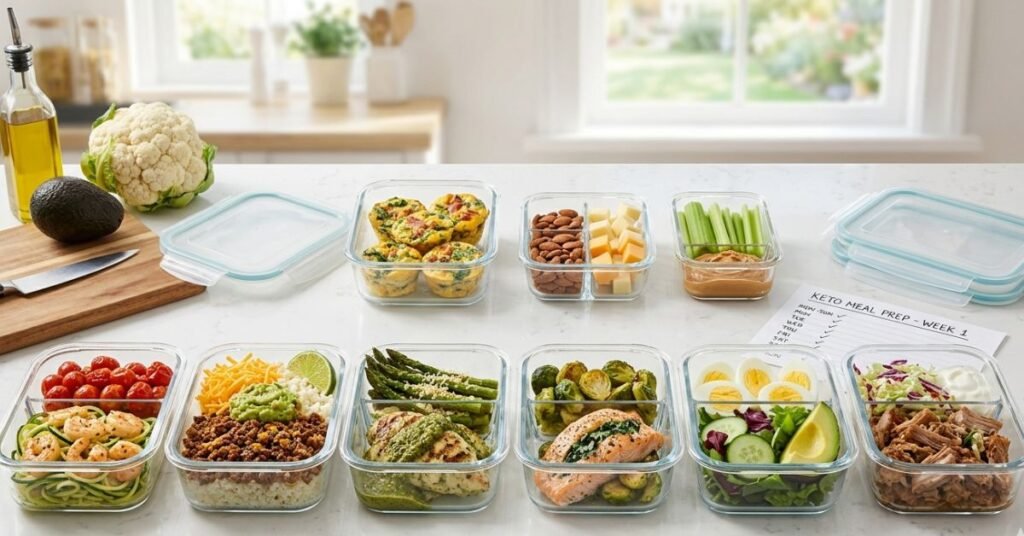
Do you feel tired after a long day at work? Do you hate deciding what to cook every single night? If you end up eating junk food because you are too tired to cook, you are not alone. Cooking every single day is hard. But there is a very easy solution: Meal Prepping. Meal prepping simply means cooking your food for the next few days all at once (usually on a Sunday). In this guide, we will share the best and most easy meal prep recipes. They are simple, fast, and very tasty. Why You Must Try Meal Prepping Why do so many people love meal prep? Here are the top three reasons: 3 Simple Rules for Meal Prep for Beginners If you are trying meal prep for beginners, do not cook for the whole month. It will make you tired. Just follow these easy rules: 5 Easy Meal Prep Recipes for Busy People Here are 5 simple recipes. We have added tables and simple steps so you can make them quickly. 1. Sheet Pan Chicken and Vegetables This is one of the best healthy lunch ideas for work. You put everything on one tray and put it in the oven. It is that simple! Recipe Info Details Prep Time 10 minutes Cook Time 25 minutes Servings 4 meals Ingredients You Need: How to Make It: 2. 5-Minute Overnight Oats (No Cooking!) Mornings are always busy. This breakfast recipe needs zero cooking. You make it at night and eat it in the morning. Recipe Info Details Prep Time 5 minutes Cook Time 0 minutes Servings 1 meal Ingredients You Need: How to Make It: 3. Quick Chickpea and Cucumber Salad If you do not want to use the stove, make this fresh salad. It is full of protein and keeps you full. Recipe Info Details Prep Time 10 minutes Cook Time 0 minutes Servings 3 meals Ingredients You Need: How to Make It: 4. Baked Egg Muffins Frying an egg every morning takes time. This is a very smart 15-minute meal prep idea. You bake the eggs once and eat them all week. Recipe Info Details Prep Time 15 minutes Cook Time 20 minutes Servings 4 to 6 meals Ingredients You Need: How to Make It: 5. Garlic Butter Shrimp and Zucchini Shrimp (jhinga) cooks very fast. This is a great dinner recipe that looks fancy but is very easy. Recipe Info Details Prep Time 10 minutes Cook Time 10 minutes Servings 2 meals Ingredients You Need: How to Make It: How to Store Your Food Safely Keeping your food safe is very important. If you eat old food, you can get sick. Here is a simple table to show you how long food stays good: Food Name Safe in the Fridge Safe in the Freezer Cooked Chicken / Meat 3 to 4 Days Yes (for 3 months) Boiled Eggs 7 Days No (they taste bad) Cut Fresh Fruit 3 to 5 Days Yes Cooked Rice 4 to 5 Days Yes Salads with Oil/Lemon 1 to 2 Days No Important Rule: Never put very hot food in the fridge. Let it cool down in the kitchen for 30 minutes first. Conclusion Meal prepping is not hard. It is just a new habit. Start with just one recipe this Sunday. Put on your favorite music, cook your food, and put it in boxes. When you wake up on Monday and your food is already ready, you will feel so happy and relaxed! (FAQs) People often ask these questions about easy meal prep recipes. Here are the simple answers: 1. How long does meal prep food stay fresh? Most cooked meals, like chicken, rice, and roasted vegetables, stay fresh in the fridge for 3 to 4 days. If you want to keep food for longer, it is better to put it in the freezer. 2. Can I meal prep for the whole week? Yes, but it is better to prepare twice a week (for example, on Sunday and Wednesday). This keeps the food tasting fresh. If you prepare everything on Sunday, some meals might lose their taste by Friday. 3. Is meal prepping expensive? No, it is actually cheaper! When you do budget-friendly meal prep, you buy ingredients in bulk and stop wasting money on fast food or expensive snacks. 4. Do I need to reheat my prepped meals? It depends on the recipe. Meals like chicken, pasta, and stir-fry taste better when reheated in a microwave for 1-2 minutes. However, meals like chickpea salads or overnight oats are meant to be eaten cold. Which recipe will you try first? Tell us in the comments below!

The Ultimate Guide to Intermittent Fasting for Busy Professionals
Weight Loss & Diet Plans

The Ultimate Guide to Intermittent Fasting for Busy Professionals

Imagine this daily scenario: It is 6:30 AM. Your alarm rings, and the morning rush begins. You take a quick shower, check a dozen urgent work emails, get dressed, and run out the door to beat the morning traffic. You have back-to-back meetings, project deadlines, and maybe a business lunch. In a routine like this, who actually has the time to cook a perfectly balanced, healthy breakfast every single morning? For people with demanding jobs, staying healthy often feels like an impossible task. Traditional diets usually ask you to eat five to six small meals a day, count every single calorie, and carry plastic boxes of food everywhere you go. Busy people simply do not have the time or mental energy for that. But do not worry. There is a much simpler, highly effective solution: Intermittent Fasting (IF). What Exactly is Intermittent Fasting? Let us clear up a common misunderstanding right away. Intermittent Fasting is not a strict “diet.” It is a very simple eating pattern. It does not give you a long list of what you can and cannot eat. Instead, it only tells you when you should eat. When you practice IF, your day is divided into two distinct parts: By giving your stomach and digestive system a break, your body gets the time it needs to heal, repair cells, and burn stored body fat for energy. It is incredibly easy to follow, and the best part is that you do not need to think about food all day long. Popular Fasting Methods (Choose Your Style) There are a few different ways to practice fasting. You do not have to follow strict rules; you can pick the schedule that best fits your daily office routine. Here is a simple table to help you choose the right method for your lifestyle: Fasting Method How to Do It Who is it Best For? 16/8 Method Fast for 16 hours, eat for 8 hours (e.g., Eat only from 12 PM to 8 PM). Beginners and people with regular 9-to-5 office jobs. This is the most popular method. OMAD (One Meal A Day) Fast for 23 hours, eat one large meal in a 1-hour window. Extremely busy executives who travel often or have back-to-back meetings all day. The 5:2 Method Eat normally for 5 days. Eat very few calories (around 500) for 2 days. People who must attend daily business lunches and prefer to fast on their weekends. A Simple Daily Routine (Using the 16/8 Method) Starting intermittent fasting is very easy once you know what a normal day looks like. Here is a step-by-step example of a typical 16/8 day: 4 Quick & Easy Recipes for Busy Professionals When you finally open your healthy eating window, you need meals that are fast to make and highly nutritious. Here are 4 quick recipes that take less than 15 minutes to prepare: 1. The 5-Minute Avocado & Egg Bowl This is a perfect, high-protein meal to break your fast at the office. 2. Quick Chicken & Quinoa Mason Jar This is the ultimate quick lunch for the office. 3. Greek Yogurt & Nut Power Bowl If you want something sweet but healthy, this is the best option. 4. Tuna & Cucumber “Boats” A super-fast, low-carb meal that requires absolutely no cooking. What to Eat vs. What to Avoid To get the best results from fasting, you must eat good quality food. Do not fill your stomach with junk food just because you fasted all morning. Use this simple table as a guide for your grocery shopping: Eat More of These (Good Foods) Avoid These (Bad Foods) Grilled chicken, fish, and eggs Sugary energy drinks and sodas Green leafy vegetables and salads White bread and heavy, creamy pasta Nuts, chia seeds, and olive oil Cakes, sweet cookies, and potato chips Lots of plain, filtered water Greasy fast food (burgers, fries) Quick Tips to Survive Your First Week If you are starting intermittent fasting for the very first time, the first few days might feel a little difficult. Keep these simple rules in mind to succeed: Conclusion Intermittent fasting is not just a quick trick; it is a powerful lifestyle change. For busy professionals, it removes the daily stress of meal planning, saves precious time in the morning, and provides the clear, sharp mind needed to succeed in a tough career. Start small. Tomorrow morning, try eating your breakfast just one hour later than usual. Slowly build up your tolerance until you easily reach a 16-hour fast. Your mind, your body, and your career will thank you for it. Frequently Asked Questions (FAQs) 1. Can I drink anything during the fasting window? Yes, but only drinks with zero calories. You can drink plain water, sparkling water, black coffee (no sugar, no milk), and plain green or black tea. These drinks will not break your fast and can actually help you feel less hungry during a busy morning. 2. Will I feel too tired to work if I don’t eat breakfast? Actually, most people feel more energetic. When you aren’t digesting food, your body uses its stored fat for energy. This often leads to better focus and “mental clarity” at the office. If you feel a little tired in the first few days, it is usually because your body is just adjusting to the new routine. 3. What should I do if I have a headache? Headaches are common in the first week. They usually happen because you are dehydrated or low on salt. Make sure you are drinking plenty of water throughout the day. Adding a tiny pinch of salt to your water can also help balance your electrolytes and stop the headache. We want to hear from you! What is the hardest part about trying to stay healthy at your busy job? Let us know in the comments below! Medical Disclaimer: This article is for informational purposes only. Always consult with a doctor or healthcare provider before starting any new diet or fasting

The Ultimate Guide to Intermittent Fasting and Meal Prep: Your Simple Path to Success
Weight Loss & Diet Plans

The Ultimate Guide to Intermittent Fasting and Meal Prep: Your Simple Path to Success

Do you ever feel like you are doing everything right with your diet, but the weight just won’t budge? Or maybe you start Intermittent Fasting with high hopes, but by 2:00 PM, you are so hungry that you eat the first bag of chips you see? The truth is, fasting is easy, but “breaking the fast” is the hard part. This is why combining Intermittent Fasting and Meal Prep is the ultimate “cheat code” for health. In this guide, we will show you how to plan your meals so you never have to worry about what to eat again. 1. Why You Need Meal Prep for Intermittent Fasting Intermittent Fasting (IF) is not about starving; it is about timing. However, when your eating window opens, your hunger hormones (like Ghrelin) are very high. If you don’t have a healthy meal ready, you will likely choose high-calorie junk food. The Benefits of Prepping Your Meals: 2. Understanding Intermittent Fasting Benefits Before we look at the food, let’s remind ourselves why we are doing this. Research shows that Intermittent Fasting benefits go way beyond just looking good in the mirror. 3. Comparing Popular Fasting Methods Before you start your Weekly Meal Plan for Beginners, you need to pick a fasting style that fits your life. Fasting Method Eating Window Best For Prep Strategy 16/8 Method 8 Hours (e.g., 12 PM – 8 PM) Beginners Prep 2 main meals + 1 snack. 20/4 (Warrior) 4 Hours (e.g., 4 PM – 8 PM) Experienced Prep 1 huge nutrient-dense meal. OMAD 1 Hour (One Meal A Day) Weight Loss Focus on high protein & healthy fats. 5:2 Diet 5 Days normal / 2 Days low cal Busy Schedules Prep low-calorie soups for fast days. 4. Essential Nutrition for Fasting What you put in your body after a fast is crucial. If you eat sugar right away, your insulin will spike, and you might feel a “sugar crash” or headache. Your Nutrition for Fasting should focus on these three pillars: A. High Protein Protein keeps your muscles strong and keeps you full for longer. B. Healthy Fats Fats provide slow-burning energy that lasts through your next fasting window. C. Complex Carbohydrates Instead of white bread or sugar, go for carbs that have fiber. 5. Your Step-by-Step Weekly Meal Plan for Beginners Follow this simple 4-step process to start your meal prep journey this Sunday. Step 1: The Grocery List Don’t go to the store without a list! Here is a basic “Fasting Starter Kit”: Step 2: The “Batch Cook” Session Spend 2 hours on your day off. Step 3: Assembly Use airtight containers. Put 1 portion of protein, 1 portion of grains, and lots of veggies in each box. Step 4: Storage Keep 3 days of food in the fridge and put the rest in the freezer to keep it fresh. 6. Healthy Meal Prep Recipes (Easy & Fast) Here are three Healthy Meal Prep Recipes that are perfect for breaking your fast. Recipe Name Ingredients Why is it great? The Power Bowl Quinoa, Chickpeas, Spinach, Avocado. High fiber keeps you full for 6+ hours. Egg & Veggie Muffin Eggs, Bell peppers, Onions, Cheese. Easy to grab if you break your fast at work. Lemon Garlic Chicken Grilled chicken, Broccoli, and brown rice. Perfect balance of protein and clean carbs. 7. Weight Loss Strategies: Avoiding Common Mistakes Even with meal prep, people sometimes struggle. Here is how to stay on track: 8. Tips for Staying Consistent Consistency is the most important part of Weight Loss Strategies. Conclusion Mastering Intermittent Fasting and Meal Prep is not about being perfect from day one. It is about making your life easier. When you have a Weekly Meal Plan for Beginners, you remove the stress and the hunger-driven bad decisions. Start small this week. Prep for just 3 days of lunches. Once you see how much energy you have and how much weight you lose, you will never want to go back to your old ways. Remember: Your body is a reflection of what you eat and when you eat. Give it the best fuel possible! (FAQ) Q: Can I drink “Zero Calorie” soda during my fast? A: It is better to avoid it. The sweetness can make your brain think food is coming, making you even hungrier. Q: How do I handle social dinners? A: If you have a dinner party at night, simply start your fasting window later the next day. Be flexible! Q: Is meal prep expensive? A: Actually, it’s cheaper! When you buy in bulk (like a big bag of rice or lentils), you save a lot of money compared to buying individual meals. Disclaimer: This blog is for informational purposes only. Please consult a doctor before starting any new diet or fasting routine.

The Ultimate Guide to Extra Crispy Air Fryer Chicken Wings: Better Than Deep Fried!
Recipes

The Ultimate Guide to Extra Crispy Air Fryer Chicken Wings: Better Than Deep Fried!

If there is one food that defines “comfort,” it is a plate of perfectly cooked chicken wings. Whether you are hosting a game night, a family dinner, or just craving a midnight snack, wings are the go to choice. However, for a long time, getting that restaurant quality “crunch” meant dealing with a deep fryer, gallons of messy oil, and a kitchen that smells like a fast-food joint for days. Enter the Air Fryer. This kitchen gadget has revolutionized how we cook at home. By using high speed hot air instead of hot oil, it mimics the effects of deep frying perfectly. In this guide, I will share my tested and perfected method for making the best air fryer recipes for chicken wings. These are not just “good for home” wings, they are arguably the best wings you will ever eat. Why You Should Master Air Fryer Chicken Wings Before we dive into the recipe, let’s talk about why the air fryer is superior. 1. The Health Factor A traditional deep-fried wing is submerged in oil, which it absorbs into the skin. By switching to an air fryer, you reduce the fat content significantly. This makes it a truly healthy chicken wing recipe that you can enjoy without the guilt. 2. Efficiency and Speed You don’t have to wait for a large pot of oil to heat up. Most air fryers preheat in less than 3 minutes. From start to finish, you can have a batch of crispy air fryer chicken wings on your table in under 30 minutes. 3. Texture Control With an air fryer, you have precise control over the temperature. You can start low to render the fat and finish high to crisp the skin, ensuring the meat stays juicy inside while the outside stays crunchy. The Secret Ingredient: Why Baking Powder Matters If you’ve ever tried air frying wings and they came out “rubbery,” you likely missed one key ingredient: Baking Powder. The Science of the Crunch Baking powder (specifically aluminum-free) is alkaline. When you coat chicken skin with it, it raises the pH level. This helps break down the peptide bonds in the skin, allowing it to crisp up and brown much faster than it would on its own. It creates tiny bubbles on the surface, which turn into that satisfying “crunch” we all love. Important Note: Never use baking soda by mistake. Baking soda will leave a bitter, metallic taste. Stick to aluminum-free baking powder for the best results. Essential Ingredients for Your Dry Rub A great wing starts with a great dry rub for chicken wings. This base layer of flavor is what sets apart a “good” wing from a “gourmet” wing. The Ingredients List: Step-by-Step Instructions: The “Dry and High” Method Follow these steps exactly to ensure your wings turn out perfect every single time. Step 1: The Drying Phase (Crucial!) Take your wings out of the package and place them on a clean surface. Use paper towels to pat every single wing completely dry. Moisture is the enemy of crispiness. If the wings are wet, they will steam in the air fryer, and the skin will be soft. Step 2: Coating the Wings In a large mixing bowl, combine the baking powder and all your spices. Add the dried wings to the bowl and toss them thoroughly. Every wing should have a very light, even coating of the powder. It shouldn’t look “breaded”—just slightly dusty. Step 3: Preheating the Air Fryer Set your air fryer to 380°F (190°C). Let it run for 3–5 minutes. A hot start is essential to prevent the wings from sticking and to begin the fat-rendering process immediately. Step 4: Arrange Without Overcrowding Place the wings in the basket. Make sure they are in a single layer. If you have too many wings, cook them in two batches. If they overlap, the air cannot reach the sides, and you will end up with soggy spots. Step 5: The Cooking Cycle Cooking Times and Temperature Chart Because air fryers vary by brand (Ninja, Cosori, Philips, etc.), use this table as your ultimate reference guide: Wing Condition Initial Temp (380°F) Final Crisp (400°F) Total Time Fresh Wings (Small/Med) 15 Mins 5 Mins 20 Mins Fresh Wings (Jumbo) 18 Mins 5-7 Mins 25 Mins Frozen Wings 20 Mins 10 Mins 30 Mins Reheating Leftovers 5 Mins N/A 5 Mins How to Handle Frozen Wings We have all been there, it’s dinner time, and the chicken is still in the freezer. The good news is that cooking frozen chicken wings in an air fryer is surprisingly effective. The Frozen Method: Diet-Friendly Options: Keto and Low Carb One of the best things about this recipe is that it fits almost any lifestyle. These are 100% keto friendly chicken wings. By avoiding flour, cornstarch, or sugary marinades during the cooking process, you keep the carb count near zero. To keep them keto-friendly after cooking, toss them in: Pro-Tips for Success (Experience-Based Advice) Based on my experience cooking hundreds of pounds of wings, keep these tips in mind: Top 3 Wing Sauce Recipes Once your wings are out of the air fryer, it’s time to add the flavor! 1. Classic Buffalo 2. Garlic Parmesan 3. Sticky Honey BBQ Conclusion Making the perfect chicken wing doesn’t require a professional kitchen or a vat of oil. With the right technique of drying the meat, using baking powder, and mastering the temperature you can create a masterpiece in your own home. This healthy chicken wing recipe is proof that you don’t have to sacrifice flavor for health. Whether you prefer them spicy, savory, or plain, the air fryer is your best friend for achieving that perfect crunch. Frequently Asked Questions (FAQs) Q: Why are my wings still white after 20 minutes? A: This usually means you didn’t use enough paprika for color or the temperature wasn’t high enough. Make sure to do the final 5-minute blast at 400°F. Q: Can I use cornstarch instead of baking

2500 Calorie Meal Plan: A Complete Guide to High-Protein Diets for an Active Lifestyle
Weight Loss & Diet Plans

2500 Calorie Meal Plan: A Complete Guide to High-Protein Diets for an Active Lifestyle

A Quick Update from Kiran: “I’ve revisited this guide for February 2026 to ensure our community has the most accurate data. Since nutrition science is always evolving, I’ve added new insights on protein bioavailability and cost-effective meal prepping to help you hit your 2500-calorie goal without the guesswork. Enjoy the fresh tips!” Are you trying to build muscle mass, or is your lifestyle so active that you require a high amount of energy throughout the day? If yes, you need a structured 2500 Calorie Meal Plan. This calorie intake is ideal for bodybuilders, athletes, or those who need high energy. In this guide, we will provide you with a detailed high-protein diet chart, macronutrient breakdown, and essential tips. The 2026 Approach to Performance Nutrition In recent years, the conversation around high-calorie diets has shifted from “dirty bulking” (eating anything to hit calorie goals) to “metabolic efficiency.” In 2026, a 2500-calorie plan isn’t just about hitting a number; it is about fueling your body with nutrient-dense foods that reduce inflammation and improve recovery times. This updated guide focuses not only on muscle protein synthesis but also on gut health and sustained energy release, ensuring you don’t just look strong, but feel energetic throughout the day. Understanding Your Needs: What Does 2,500 Calories Look Like? Typically, an average adult requires around 2000 calories for maintenance. A 2500-calorie plan indicates that you are either: Based on your goals, this plan supports healthy weight gain and muscle recovery. Calculate My Calories 2500-Calorie High-Protein Meal Plan (Diet Chart) In a High-Protein plan, our objective is to include maximum protein to support muscle repair and growth. Macronutrient Breakdown For a high-protein plan, we will target the following ratio: Nutrient Percentage (Approx.) Calories Grams (Approx.) Protein 35% 875 Cal 218g Carbohydrates 45% 1125 Cal 281g Fats 20% 500 Cal 55g The High-Protein Gut Connection One aspect often overlooked in high-protein diets is digestion. Consuming over 180g of protein daily can tax your digestive system if not paired with the right fiber intake. To maximize nutrient absorption (bioavailability), this updated plan emphasizes “digestive support.” We recommend adding fermented foods like yogurt, kimchi, or a quality probiotic supplement to your routine. Remember, it’s not just about what you eat, but what your body actually absorbs. 7-Day Sample 2500 Calorie Diet Plan This 2500 calories per day plan provides variety and balance for the entire week. Day Breakfast Lunch Evening Snack Dinner Monday 4 Egg Omelette + 1 cup Oatmeal + Apple 200g Grilled Chicken + 1.5 cup Brown Rice + Salad Protein Shake + Almonds (10) 200g Fish Curry + 2 Roti + Mixed Vegetables Tuesday 1 cup Greek Yogurt + Berries + Honey 200g Paneer Bhurji + 2 Whole Wheat Roti + Salad Peanut Butter (2 tbsp) Sandwich (Whole Wheat) 200g Lean Beef/Mutton (less oil) + Baked Potato Wednesday Protein Pancakes (2) + Banana 200g Lentils (Daal) + 1.5 cup Rice + Curd Hard-boiled Eggs (2) + Fruit Chicken Biryani (moderate portion) + Raita Thursday 4 Egg Whites (scrambled) + 2 Whole Wheat Toast + Avocado 200g Fish Fillet + 1 cup Sweet Potato + Salad Protein Bar + Coffee/Tea (sugar-free) Chicken/Veggie Stir-fry + 1 cup Noodles Friday 1 cup Cottage Cheese (Paneer) + Fruits 200g Grilled Tofu + Quinoa (1.5 cup) + Salad Protein Shake + Orange 200g Turkey/Chicken Breast + Roasted Vegetables Saturday 4 Whole Eggs + Whole Wheat Bread Toast (2) + Juice Chicken/Vegetable Sandwich (Large) + Soup Greek Yogurt + Walnuts (7) Rajma-Chawal (kidney beans and rice, large portion) Sunday Smoothy (Protein Powder, Spinach, Banana, Milk) Chicken/Paneer Salad (Large portion) + Sweet Potato Apple slices with Peanut Butter Whole Wheat Pasta with Chicken/Lentil Sauce Food Items To Limit Even when consuming 2500 calories, it is essential to maintain healthy eating habits. Focus on quality and limit these items: Do’s and Don’ts: Essential Tips for the 2500-Calorie Plan To successfully follow a 2500 calorie diet plan for muscle gain, keep these essential tips in mind: Do’s Don’ts Conclusion A 2500-Calorie High-Protein Meal Plan is a strong foundation for achieving your fitness goals. By bringing quality food, excellent timing, and consistency into your diet, you can certainly achieve your goals.  FAQs; Q1: Who is the 2500-Calorie Diet Plan for? A: It is for individuals who want to build muscle mass (bulking) or engage in high-intensity physical activity. Q2: Can I meet 2500 calories using junk food? A: No. For healthy results, consuming nutrient-dense and high-protein foods is essential. Focus on quality calories. Q3: How much protein should be in this plan? A: In a high-protein plan, target about 30% to 35% protein of your total calories (i.e., approximately 180g to 220g). Q4: Can this plan be used for weight loss? A: Generally no, this plan is for a calorie surplus. For weight loss, you need a calorie deficit (fewer calories than you burn). Q5: What should I do before starting the plan? A: Always consult a certified Dietitian/Nutritionist so they can customize the plan according to your specific needs. Meet Your Nutritionist: Hi, I’m Kiran! As a professional Nutritionist, I believe that food is your greatest tool for performance. I’ve designed this high-protein meal plan not just to help you hit your calorie targets, but to fuel your body with the right quality of nutrients. My mission is to simplify complex nutrition so you can focus on what matters your results!

The Ultimate Cinnamon Coffee Recipe for Fat Burn: A Science-Backed Guide
Weight Loss Drinks

The Ultimate Cinnamon Coffee Recipe for Fat Burn: A Science-Backed Guide

Category: Weight Loss / Healthy Drinks Reading Time: 8 Minutes Introduction We all love our morning cup of coffee. It wakes us up, gives us energy, and helps us start the day. But what if your simple morning cup could also help you lose weight? This is not magic; it is simple science. By adding just one common spice from your kitchen to your coffee, you can turn it into a powerful tool for weight loss. That spice is Cinnamon. For a long time, people have been looking for an easy way to boost their health without spending hours in the gym. The Cinnamon Coffee Recipe for Fat Burn has become very popular because it is easy to make, very cheap, and actually effective. In this complete guide, I will share the exact recipe, the science behind why it works, and how to drink it safely. If you are looking for a natural appetite suppressant that tastes delicious, this guide is for you. ⚖️ Check Your BMI Now Why Combine Coffee and Cinnamon? (The Science) You might ask, “Why should I mix spice with my coffee?” To understand this, we need to look at what coffee and cinnamon do to your body. 1. Coffee: The Energy Booster Coffee contains caffeine. Caffeine is famous because it boosts your metabolic rate. 2. Cinnamon: The Sugar Controller Cinnamon is not just for flavor. It is a medicinal spice. One of the biggest benefits of cinnamon in coffee is its ability to manage insulin. 3. The Combination Effect When you mix caffeine (energy) with cinnamon (blood sugar control), you get a metabolism booster drink that stops you from snacking on junk food. Safety First: Ceylon vs. Cassia Cinnamon Before you start making this coffee, you must read this section. This is crucial for your health. Not all cinnamon is the same. There are two main types, and choosing the wrong one can be harmful if used every day. We compare the two types below so you can choose the safe option: Feature Cassia Cinnamon (Common) Ceylon Cinnamon (True) Availability Found in every supermarket. Very cheap. Harder to find. Usually in health stores. Color Dark reddish-brown. Light tan or brown. Texture Hard and thick bark. Soft, thin layers (like a cigar). Flavor Strong, spicy, and pungent. Mild, sweet, and delicate. Safety Issue High in Coumarin (can damage the liver). Very low in Coumarin (Safe). Recommendation Avoid for daily use. Best for daily weight loss coffee. Expert Tip: For this Cinnamon Coffee Recipe for Fat Burn, always try to buy Ceylon vs Cassia cinnamon. If you only have Cassia, use a very small pinch (not a full spoon) and do not drink it every single day. The Perfect Cinnamon Coffee Recipe Here is the step-by-step guide to making this fat-burning brew. It is simple, fast, and tasty. Prep time: 5 Minutes Calories: Approx. 5-10 calories (if black) Ingredients You Need: Step-by-Step Instructions: 3 Delicious Variations If you get bored of the same taste, try these variations. They all keep the fat-burning benefits alive. Best Practices for Maximum Results Drinking this coffee is good, but drinking it at the right time is better. Here is a simple table to help you schedule your coffee intake. Time of Day Why Drink It? Benefit Level Morning (Empty Stomach) Your body absorbs it fast. It wakes up your metabolism immediately. (Best) Pre-Workout (30 mins before) Caffeine boosts physical performance and endurance. (Excellent) Mid-Afternoon (3 PM) Helps cure the “afternoon slump” and stops sugar cravings. (Good) Evening (After 5 PM) Avoid. It will disturb your sleep, which causes weight gain. (Bad) Common Mistakes to Avoid I have seen many people try this trend and fail. Why? Because they make small mistakes that ruin the benefits. eat pizza and burgers all day and expect this coffee to make you thin. You must eat healthy food and move your body. Conclusion The Cinnamon Coffee Recipe for Fat Burn is a wonderful addition to your daily routine. It is simple, natural, and backed by science. By combining the energy of caffeine with the stabilizing power of cinnamon, you create a drink that fights fat and keeps you focused. To summarize, remember these 3 steps: (FAQs) Here are the most common questions people ask about this recipe. Q1: Can I add milk to my cinnamon coffee? A: Yes, but be careful. Regular cow’s milk has sugar (lactose) and calories. For weight loss, it is better to use unsweetened plant-based milk like Almond milk, Soy milk, or Oat milk. Q2: Will this break my Intermittent Fasting? A: Great question. Q3: Can I use cinnamon sticks instead of powder? A: Yes! You can put a whole cinnamon stick in your cup while the coffee brews. This gives a very mild and sweet flavor. It is also less “gritty” than powder. Q4: How much weight can I lose with this? A: It is different for everyone. However, if you combine this drink with a good diet and light exercise, it can help speed up your progress. Many people report feeling less bloated within a week. Q5: Is it safe for everyone? A: Generally, yes. But if you are pregnant, breastfeeding, or taking medication for diabetes, you should talk to your doctor first. Cinnamon lowers blood sugar, so it might react with diabetes medicine. Medical Disclaimer Important: The information in this blog is for educational purposes only. I am not a doctor. While cinnamon and coffee have natural health benefits, you should always consult a healthcare professional before making major changes to your diet, especially if you have low blood sugar, heart issues, or are pregnant. Do you have more questions about this recipe? Let me know in the comments below!

The Ultimate Guide to the Coffee Method Weight Loss: Drink Your Way to Fitness
Weight Loss Drinks

The Ultimate Guide to the Coffee Method Weight Loss: Drink Your Way to Fitness

Coffee is more than just a morning ritual. For many, it is the fuel that starts the day. But in the world of health and fitness, the “coffee method weight loss” strategy has become a massive trend. From celebrities to athletes, everyone is talking about how their cup of joe helps them stay lean. But can coffee really help you lose weight? The short answer is yes if you do it correctly. This guide will walk you through everything you need to know about using coffee as a tool to burn fat, boost energy, and reach your fitness goals. The Science: How Coffee Helps You Lose Weight To understand how coffee works, we need to look at its primary active ingredient: Caffeine. Caffeine is a natural stimulant that affects the body in several positive ways. 1. Metabolic Boost (Thermogenesis) Metabolism is the rate at which your body burns calories. Caffeine helps boost metabolism naturally by increasing “thermogenesis”—the process of heat production in the body. When your body produces more heat, it uses more energy. 2. Fat Cell Breakdown Caffeine increases blood levels of the hormone epinephrine (adrenaline). This hormone travels through your blood to the fat tissues, signaling them to break down fats and release them into your blood. 3. Appetite Suppression Coffee can act as a natural “hunger blocker.” It reduces the levels of ghrelin (the hunger hormone) in your system, making it easier to skip unnecessary snacks. Comparison: Different Coffee Methods Not every coffee drink is good for weight loss. A black coffee is very different from a creamy latte. Here is a quick comparison table: Coffee Method Calories (Approx.) Weight Loss Potential Best Use Case Black Coffee 2 – 5 kcal High Daily fasting / General fat burn Bulletproof Coffee 250 – 400 kcal Medium Keto diet / Replacing a meal Lemon Coffee 10 – 15 kcal Medium Digestion / Morning detox Green Coffee Bean 0 – 5 kcal High Metabolism boost via supplements Iced Latte (Sugary) 250 – 500 kcal Low / Negative Avoid during weight loss Top 4 Coffee Methods for Weight Loss 1. The Classic Black Coffee Method This is the “Gold Standard” for weight loss. Since it has almost zero calories, it keeps you in a calorie deficit. 2. The Bulletproof Coffee Method Popular in the Keto community, this involves blending high-quality coffee with healthy fats like grass-fed butter or MCT oil. 3. The Green Coffee Method Green coffee bean extract comes from unroasted coffee beans. These beans contain a high amount of Chlorogenic Acid, which is often lost during the roasting process. 4. The Pre-Workout Coffee Hack Drinking coffee before the gym is a secret weapon for many fitness experts. When is the Best Time to Drink? Timing is crucial to ensure the coffee works with your body’s natural rhythms. Important Rules for Success (The “Dos and Don’ts”) To make the coffee diet plan work, you must follow these simple rules: The Dos: The Don’ts: Common Myths vs. Facts Myth: Coffee causes permanent weight loss. Fact: Coffee helps you burn fat now, but if you stop exercising and eat poorly, the weight will come back. Myth: The darker the roast, the more caffeine it has. Fact: Actually, light roasts usually have slightly more caffeine than dark roasts! Conclusion: The coffee method weight loss strategy is one of the easiest “hacks” to implement in your daily life. It doesn’t require expensive equipment or complicated recipes. By switching to black coffee, timing your intake correctly, and avoiding sugary traps, you can turn your favorite drink into a fat-burning powerhouse. Frequently Asked Questions (FAQs) Q1: Can I lose weight by just drinking coffee? A: No. Coffee is a tool, not a miracle. To lose weight, you must still maintain a healthy diet and stay active. Coffee simply makes the process faster and easier by boosting your metabolism. Q2: Does adding milk to my coffee stop weight loss? A: A splash of skimmed milk or almond milk is okay (about 20-30 calories). However, if you add full-fat milk and sugar, you are adding “empty calories” that can stop your progress. Q3: Is intermittent fasting coffee different? A: During intermittent fasting, you should only drink plain black coffee. Adding even a little milk or sugar can trigger an insulin response and “break” your fast. Q4: How many cups should I drink a day? A: Most health experts recommend 2 to 4 cups (maximum 400mg of caffeine) per day. Overdoing it can lead to anxiety, heart palpitations, and poor sleep. Q5: Can coffee help reduce belly fat specifically? A: You cannot “spot reduce” fat. However, because coffee helps increase overall fat oxidation, it will eventually help reduce fat from all over the body, including the belly. Remember, the best results come from consistency. Combine your coffee with weight loss drinks like green tea and lemon water, eat whole foods, and keep moving.

Scroll to Top