
“Last Updated: May 9, 2026”
Editor’s Note
Hi, I’m Kiran! As a professional nutritionist and the founder of prepslim.com, I specialize in high-protein meal planning and weight-loss-oriented recipes. My goal is to help you enjoy delicious foods like sushi while maintaining a healthy lifestyle. I have designed this guide to provide you with expert, authoritative, and science-backed information to help you make informed and healthy dining choices.
Sushi is more than just a meal; it is a centuries-old Japanese art form that balances flavor, texture, and aesthetics. While many people associate sushi exclusively with “raw fish,” the term actually refers to the vinegared rice, known as Shari, which serves as the foundation for every piece.
In this guide, we will explore the most popular varieties, cultural etiquette, and everything you need to know to navigate a sushi menu like an expert.
A Nutritionist’s Perspective: Why Sushi is a Superfood
As a nutritionist, I often recommend sushi to those looking for a high-protein, heart-healthy meal. The combination of lean seafood and seaweed offers a unique nutritional profile:
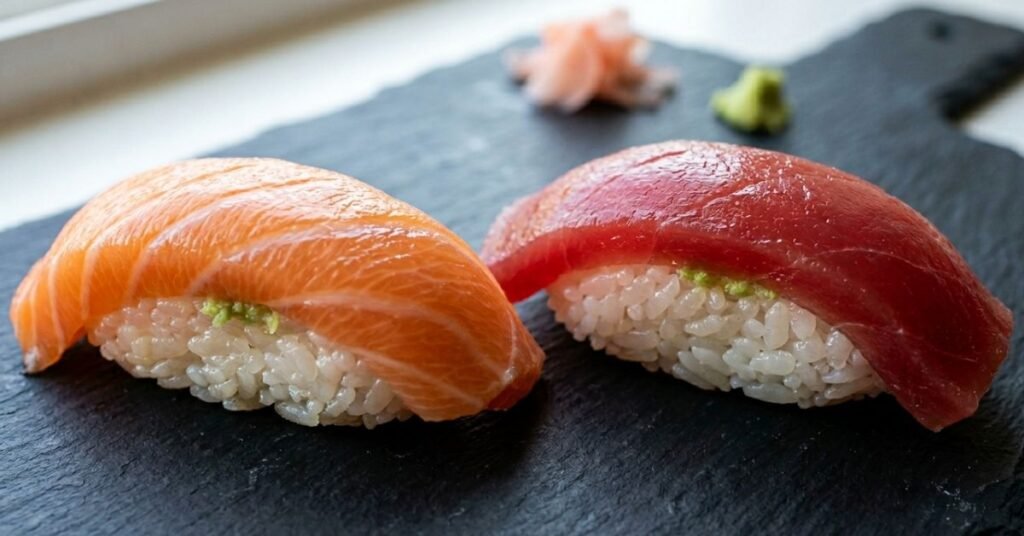
- High-Quality Protein: Fish like Tuna and Yellowtail provide essential amino acids necessary for muscle repair.
- Omega-3 Fatty Acids: Salmon is rich in healthy fats that support brain health and reduce inflammation.
- Mineral-Rich Seaweed: The Nori used in rolls is a rare plant-based source of iodine, which is vital for thyroid function.
1. Nigiri (Nigirizushi): The Purest Form of Sushi
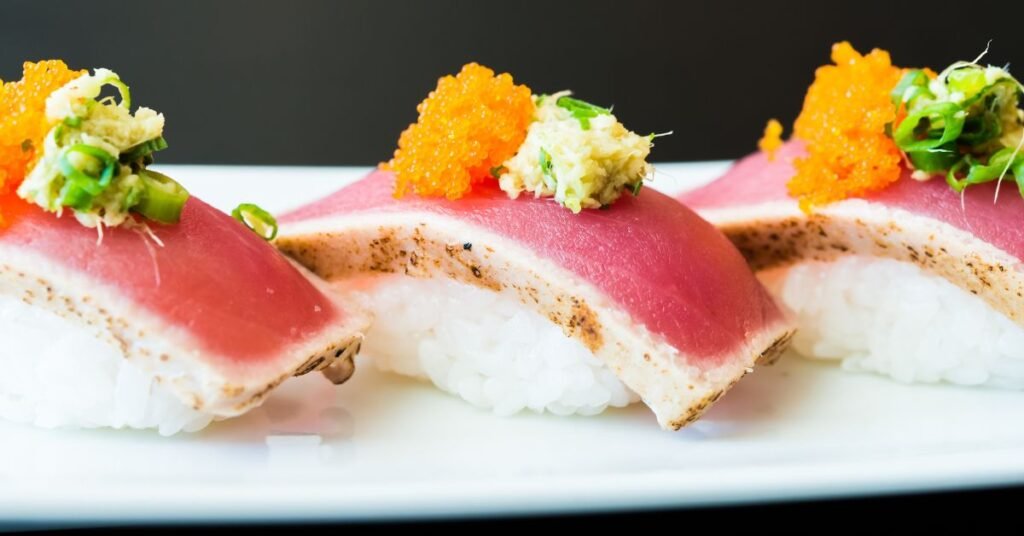
Nigiri is the most traditional and authentic Japanese sushi. It consists of a hand-pressed mound of vinegared rice topped with a thin slice of fresh seafood. Sometimes, a tiny dab of wasabi is placed between the rice and the fish to enhance the flavor.
- Best Sushi Fish Types: Salmon (Sake), Tuna (Maguro), and Yellowtail (Hamachi) are the most common toppings.
- The Experience: Because there is no seaweed or heavy sauce, the quality of the fish is the star of the show.
- Etiquette Tip: Use your fingers or chopsticks, but always dip the fish side into the soy sauce, never the rice.
2. Maki (Makizushi): The Classic Seaweed Rolls
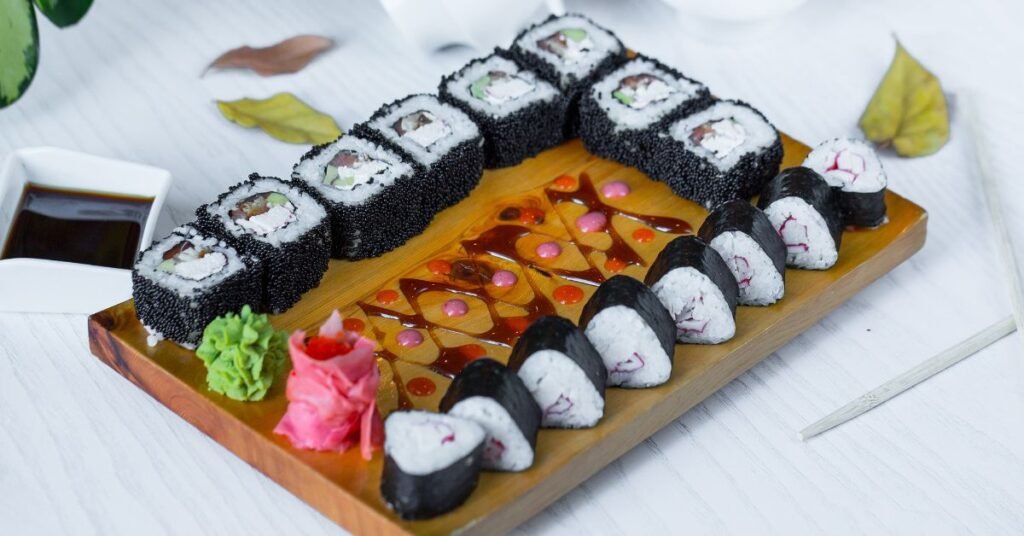
When comparing Nigiri vs Maki, the primary difference is the structure. Maki consists of fish, vegetables, and rice rolled inside a sheet of Nori (dried seaweed) using a bamboo mat.
- Hosomaki: Thin rolls containing only one ingredient (e.g., Cucumber or Tuna).
- Futomaki: Thick rolls containing multiple fillings, often including egg, vegetables, and fish.
- Nori: The seaweed provides a salty, umami crunch that complements the soft rice.
3. Uramaki: The Famous Inside-Out Rolls
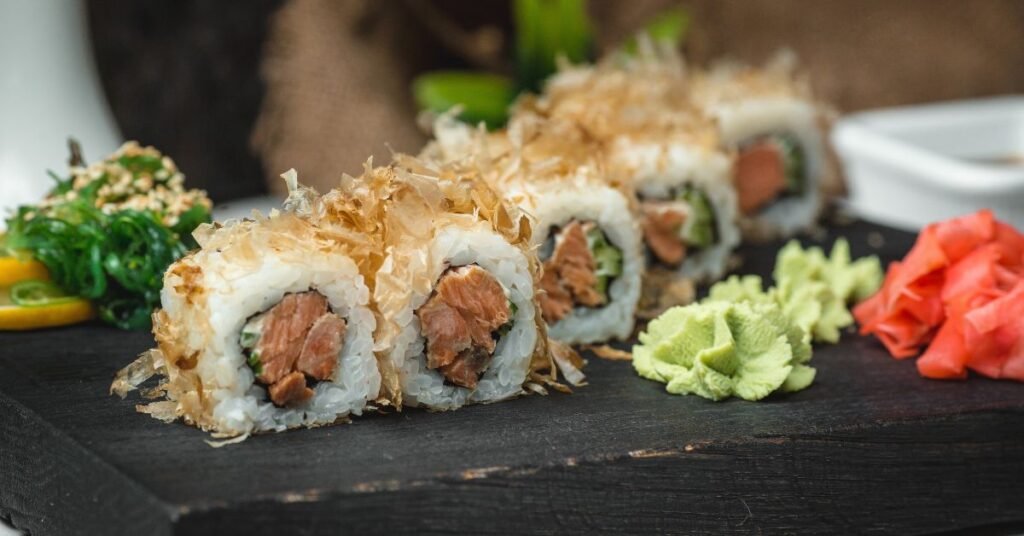
Uramaki is a modern twist on traditional sushi that gained massive popularity in Western countries. In this style, the rice is on the outside, and the seaweed is hidden on the inside. Often, the rice is coated with sesame seeds or fish roe for extra texture.
- Popular Choice: The California Roll and Rainbow Roll are iconic examples. These are excellent sushi rolls for beginners who might find the texture of seaweed on the outside unfamiliar.
4. Temaki: The Casual Hand-Rolled Cone
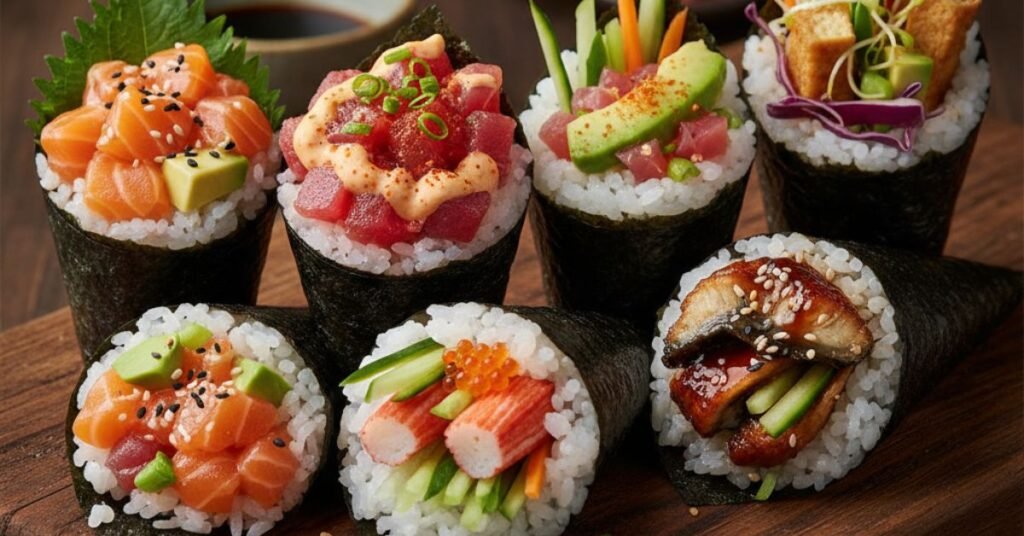
Temaki is a large, cone-shaped piece of sushi designed to be eaten with your hands rather than chopsticks. It is packed with rice, fish, and julienned vegetables like sprouts or cucumber.
- Key Tip: Temaki should be eaten immediately after it is prepared. If left to sit, the Nori absorbs moisture from the rice and loses its signature crispiness, becoming chewy.
5. Sashimi: Pure Flavor Without the Rice
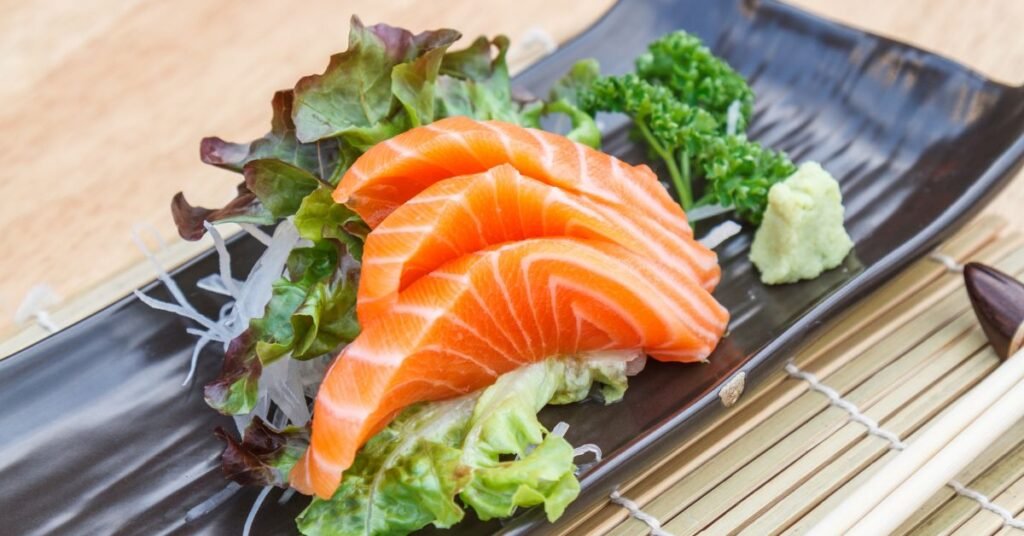
While often served at sushi restaurants, Sashimi is technically not sushi because it does not contain rice. It consists of thin, premium slices of raw fish or meat served with shredded daikon radish.
- Expertise: Because there is no rice to mask the flavor, chefs must use the highest “sushi-grade” fish to ensure safety and an buttery texture.
6. Chirashi: The Beautiful Scattered Sushi Bowl
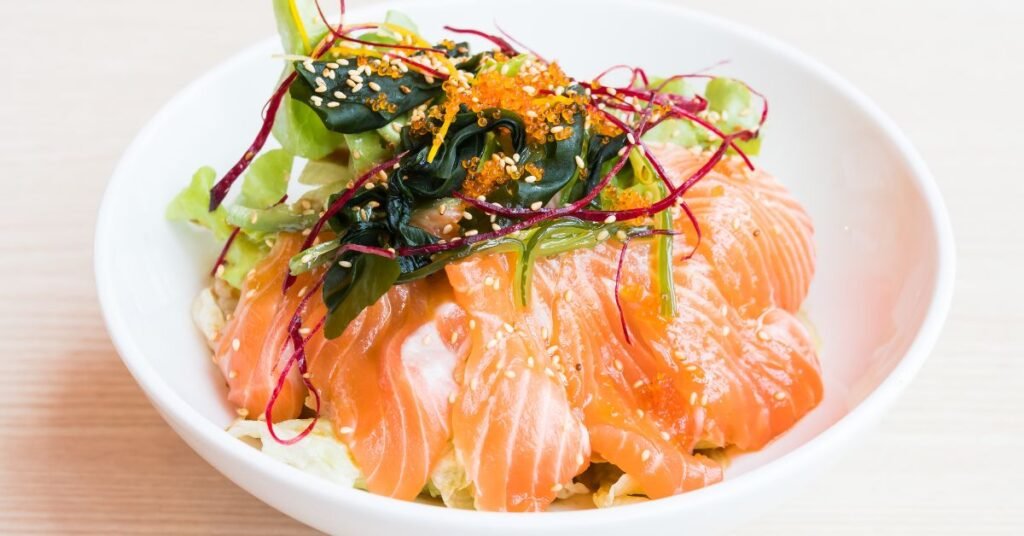
Chirashi, meaning “scattered,” is a bowl of sushi rice topped with a variety of raw fish and garnishes. It is a colorful, easy-to-eat alternative to rolls and is often served on special occasions or at home in Japan. It offers a little bit of everything in one bowl.
Nutritional Value of Popular Sushi
Understanding what you eat is part of a high-quality food experience. Below is a breakdown of the nutritional content for common sushi choices.
Sushi Nutrition Table
| Sushi Type | Main Ingredient | Approx. Calories (per piece/roll) | Protein (g) |
| Salmon Nigiri | Fresh Salmon | 50 – 60 kcal | 3g |
| Tuna Nigiri | Fresh Tuna | 45 – 55 kcal | 4g |
| California Roll | Crab/Avocado | 250 – 300 kcal (roll) | 9g |
| Cucumber Maki | Cucumber | 130 – 150 kcal (roll) | 2g |
| Spicy Tuna Roll | Tuna / Spicy Mayo | 290 – 350 kcal (roll) | 11g |
Step-by-Step: How to Identify the Freshest Sushi
When you are dining out, your experience depends entirely on the quality of the fish. Follow these steps to ensure you are getting the best:
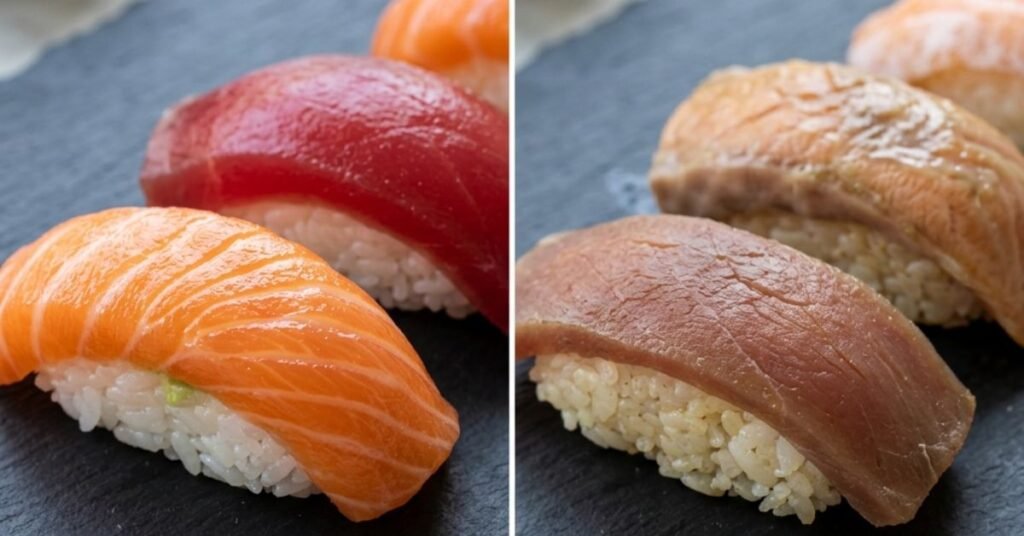
- Check the Aroma: Fresh fish should never smell “fishy.” It should have a clean, light scent like the ocean.
- Observe the Color: Look for vibrant, translucent colors. Salmon should be a bright orange, and Tuna should be a deep, clear red not brownish or dull.
- Inspect the Texture: The fish should look firm and moist. If it appears slimy or has a milky liquid around it, it is likely not fresh.
- Look at the Rice: The rice grains should be distinct and slightly shiny, indicating they were seasoned properly with high-quality vinegar.
7. Summary Comparison: Which Sushi is Right for You?
To help you decide what to order, here is a quick comparison table:
| Sushi Type | Rice Position | Seaweed (Nori) | Best For… |
| Nigiri | Bottom (Mound) | None (usually) | Purists who love fresh fish flavor. |
| Maki | Inside | Outside | Those who like traditional, bite-sized rolls. |
| Uramaki | Outside | Inside | Beginners and fans of Western fusion flavors. |
| Temaki | Inside | Outside (Cone) | A casual, handheld snack or quick meal. |
| Sashimi | None | None | Low-carb lovers focusing solely on the fish. |
8. Essential Sushi Eating Etiquette and Safety
To show respect for the craft and enjoy the best flavors, follow these professional tips:
- The Soy Sauce Rule: Never soak the rice in soy sauce. For Nigiri, flip it slightly and dip it fish-side down.
- Wasabi Etiquette: Avoid mixing wasabi into your soy sauce bowl; instead, place a small amount directly on the fish.
- Palate Cleanser: Eat the pickled ginger (Gari) between different types of sushi to refresh your taste buds not as a sandwich topping.
- Health Safety: Ensure you eat at reputable establishments that use “sushi-grade” seafood, which has been flash-frozen to eliminate parasites.
Personal Touch: I remember the first time I tried a Dragon Roll; it was the perfect “bridge” for me to start appreciating more traditional Nigiri. Don’t be afraid to start slow!
Conclusion
Whether you prefer the simplicity of Nigiri, the variety of Maki, or the bold flavors of Uramaki, there is a type of sushi for every palate. By understanding the different types of sushi, you can appreciate the skill and history behind every bite. Next time you visit a Japanese restaurant, step outside your comfort zone and try something new!
Frequently Asked Questions (FAQs)
Q1: Is all sushi raw?
No. Many types of sushi use cooked ingredients, such as Unagi (grilled eel), Ebi (boiled shrimp), or Tamagoyaki (sweet omelet). There are also many vegetarian options like cucumber or avocado rolls.
Q2: Can I eat sushi if I am pregnant?
Health experts generally advise pregnant women to avoid raw fish. However, cooked sushi (like California rolls with imitation crab or veggie rolls) is usually considered safe.
Q3: What are the health benefits of sushi?
Sushi is rich in Omega-3 fatty acids (from fish), which are great for heart health. The seaweed (Nori) provides essential minerals like iodine, and the rice provides a clean source of energy.
Q4: How do I know if the fish is fresh?
Fresh fish should have no “fishy” smell; it should smell like the ocean. The texture should be firm, not mushy, and the color should be vibrant.
Author Note
Hi, I’m Kiran! As a professional nutritionist, I am dedicated to creating high-quality, authoritative content that helps you live a healthier life. Through prepslim.com, I share expert meal plans and weight-loss-oriented recipes to make wellness simple and sustainable. My goal is to empower you with the knowledge to make smart, nutritious food choices every day.