prepslim.com

Author name: Kiran

Healthy Dinner Recipes for Weight Loss: Eat Your Way to a Fitter You
Recipes

Healthy Dinner Recipes for Weight Loss: Eat Your Way to a Fitter You

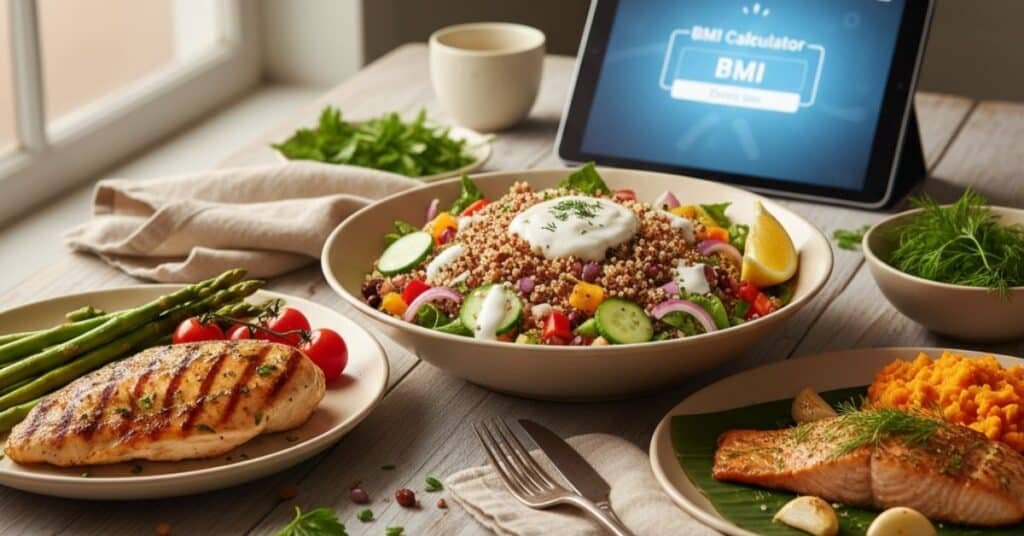
Editor’s Note: This article was originally published previously and has been fully updated for 2026 with the latest scientific insights on chrono-nutrition, gut health, and brand-new, high-protein dinner recipes to help you reach your weight loss goals faster. Many people believe that losing weight means going to bed hungry. They think that “dieting” is all about skipping meals or eating bland, tasteless food. However, as health experts often suggest, the secret to sustainable weight loss is not eating less, it is eating smart. In this guide, we will explore delicious low-calorie dinner ideas that are packed with nutrition and flavor. By choosing the right ingredients, you can satisfy your cravings while helping your body burn fat overnight. ⚖️ Check Your BMI Now The Power of Chrono-Nutrition Why Alignment Matters: The Science of Chrono-Nutrition Recent health studies highlight a concept called chrono-nutrition, which means aligning your eating habits with your body’s natural internal clock (circadian rhythm). Your body is genetically programmed to process food more efficiently during daylight hours. When you eat a late dinner, your insulin sensitivity drops. This means even a healthy meal eaten at 10 PM can cause a higher blood sugar spike than if you ate the exact same meal at 6 PM. To maximize your weight loss, try to eat your dinner when the sun is setting or at least before your body prepares for deep rest. Why Dinner is Crucial for Weight Loss Your body’s metabolism naturally slows down in the evening. If you consume a heavy, high-carb meal late at night, your body is more likely to store those extra calories as fat rather than burning them for energy. To see real progress, you must focus on high-protein meals for weight loss. Protein keeps you full for longer, reduces late-night cravings, and helps repair muscles while you sleep. Combined with fiber from vegetables, a healthy dinner ensures your digestive system stays active without being overwhelmed. 2. Smart Food Swaps for Better Results Before we dive into the recipes, let’s look at how small changes in your kitchen can lead to big changes on the scale. Use this table as a quick reference: High-Calorie Food Healthy Alternative Why Does It Work? White Rice Cauliflower Rice Cuts carbs by 80% Fried Chicken Grilled Chicken Breast Removes unhealthy saturated fats Sugary Sodas Infused Water / Green Tea Zero calories, boosts metabolism Creamy Pasta Sauce Tomato or Pesto Sauce Lower in fat and sugar Regular Potato Fries Baked Sweet Potato Higher fiber and lower GI 3. Top 5 Healthy Dinner Recipes for Weight Loss Here are five easy-to-make recipes that are perfect for anyone looking for low-carb dinner recipes that actually taste good. A. Lemon Garlic Grilled Chicken This is a staple for anyone focusing on high-protein meals for weight loss. Chicken breast is lean and fills you up without adding unnecessary fat. B. Spicy Chickpea (Chana) Salad For vegetarians, chickpeas are a powerhouse of protein and fiber. C. Baked Fish with Mediterranean Herbs Fish like Salmon or Tilapia are rich in Omega-3 fatty acids, which help reduce inflammation and support weight loss. D. Red Lentil (Masoor Daal) Soup If you want something light and easy on the stomach, a bowl of lentil soup is perfect. It is warm, comforting, and very low in calories. E. Zucchini Noodles (Zoodles) with Garlic and Shrimp If you crave pasta, try “Zoodles.” Use a spiralizer to turn zucchini into noodle shapes. Sauté them with garlic and shrimp for a high-protein, zero-carb meal. F. The 10-Minute Savory Protein Bowl “Food volume” dieting is a major trend because it allows you to eat a massive portion of food for very few calories. Savory bowls are the easiest way to achieve this. 4. Nutritional Overview Understanding the numbers helps you stay on track. Here is the approximate nutritional value per serving for the recipes mentioned above: Recipe Name Approx. Calories Protein (g) Fiber (g) Grilled Chicken 280 kcal 35g 2g Chickpea Salad 210 kcal 12g 8g Baked Fish 250 kcal 25g 0g Lentil Soup 180 kcal 10g 7g Zoodle Pasta 220 kcal 20g 4g Boosting Gut Health for Faster Weight Loss The Secret Weapon: Your Gut Microbiome Weight loss is not just about counting calories; it is also about feeding the good bacteria in your stomach. A healthy gut reduces overall body inflammation, speeds up your metabolism, and directly communicates with your brain to turn off intense sugar cravings. To build a gut-healthy weight loss dinner, you need to combine diverse plant fibers with lean proteins. Adding prebiotic foods like onions, garlic, and colorful vegetables helps create an environment where fat-burning bacteria can thrive naturally. Expert Tip: Try creating a “Gut-Health Power Bowl” once a week. Mix a base of fiber-rich quinoa with plant proteins like roasted chickpeas, healthy fats like avocado, and top it with a light olive oil dressing to keep your digestive system running perfectly. 5. Easy Meal Prep for Beginners One of the biggest obstacles to weight loss is a lack of time. Following an easy meal prep for beginners routine can save you from ordering unhealthy takeout. 6. Habits That Support Weight Loss Even the healthiest meal won’t work if your habits are off. Follow these tips to maximize your results: Conclusion Weight loss is a marathon, not a sprint. By incorporating these low-calorie dinner ideas into your daily routine, you are making a long-term commitment to your health. Remember, the goal is to feel energized and nourished, not deprived. Start with one recipe tonight and see how your body responds! Frequently Asked Questions (FAQs) Q: Can I eat carbs at night? Yes, but choose complex carbs like sweet potatoes or quinoa instead of white bread or sugary snacks. Q: Is it okay to skip dinner to lose weight faster? No. Skipping dinner often leads to a drop in blood sugar, making you extremely hungry the next morning, which usually leads to binge eating. Q: What is the best drink to have with dinner? Stick to plain water,
Healthy Snacks for Weight Loss (Eat More, Lose More)
Weight Loss & Diet Plans

Healthy Snacks for Weight Loss (Eat More, Lose More)

Editor’s Note: This article was completely updated for 2026 to reflect the latest nutritional research on gut health, microbiome science, and behavioral snacking psychology. At Prepslim, we continuously refresh our content to provide you with the most accurate, evidence-based, and actionable weight loss strategies. Losing weight is often associated with the phrase “stop eating.” However, modern nutritional science in 2026 tells a different story. To lose weight effectively and keep it off, you shouldn’t stop eating,you should start snacking smarter. Strategic snacking keeps your metabolism firing, prevents energy crashes, and stops you from overeating during lunch or dinner. In this guide, we will explore the best healthy snacks for weight loss and how understanding your body’s needs through a calorie deficit calculator can transform your results. The Gut-Brain Connection in Weight Loss In 2026, weight loss science has moved beyond just counting calories. Groundbreaking research shows that your gut health controls your weight loss speed and cravings. When you choose snacks rich in prebiotics like raw almonds, chia seeds, and green apples,you feed the good bacteria in your stomach. These good bacteria release natural hormones that signal your brain to feel full and happy. By healing your gut with clean, whole-food snacks, you automatically reduce intense sugar cravings, making it much easier to stay in your calorie deficit without forcing yourself. 1. The Science of the Calorie Deficit Before choosing your snacks, you must understand the foundation of fat loss: the Calorie Deficit. A calorie deficit means you provide your body with slightly less energy (calories) than it burns. When this happens, your body is forced to burn stored fat for fuel. Most people fail their diets because they try to go 6-7 hours without food. This causes blood sugar to drop, leading to intense hunger. By adding low-calorie snack ideas into your day, you keep your hunger levels stable. This makes it much easier to stay within the limit provided by your calorie deficit calculator without feeling deprived. Calculate My Calories 2. Greek Yogurt with Mixed Berries Greek yogurt is a powerhouse of protein, containing nearly double the amount found in regular yogurt. When you mix it with berries, you add fiber and antioxidants. This combination is one of the best high-protein snacks for fat loss because it keeps you full for hours while satisfying your sweet tooth. 3. Hard-Boiled Eggs Eggs are often called the “gold standard” of protein. They are pre-portioned, easy to carry to work, and very affordable. Two large hard-boiled eggs contain about 140 calories and 12 grams of protein. They help stabilize blood sugar and prevent the “afternoon slump” that leads to unhealthy eating. 4. Air-Popped Popcorn If you are a “volume eater” who likes to eat a lot at once, popcorn is your best friend. Because it is high in air and fiber, you can eat 3 full cups for under 100 calories. It is much better than potato chips, which are loaded with unhealthy fats and high calories. 5. Roasted Makhane (Fox Nuts) Makhane is a fantastic low-calorie snack idea that has gained global popularity in 2026. They are gluten-free, low in sodium, and high in magnesium. Roasting them with a tiny bit of olive oil and salt makes them a crunchy, satisfying alternative to processed junk food. 6. Apple Slices with Almond Butter This is a classic nutrient-dense snack for weight management. The apple provides water and fiber, while the almond butter provides healthy fats and protein. This pairing slows down the digestion of fruit sugar, giving you steady energy instead of a sugar spike. 7. Cucumber and Hummus Cucumbers are almost entirely water, making them extremely low in calories. Dipping them in hummus adds a creamy texture and plant-based protein. This is a perfect “functional snack” to keep you hydrated and full during a busy workday. The Psychology of Snacking: Smart Swaps for Emotional Cravings Successful weight loss requires a personal touch and an understanding of your emotional triggers. Cravings are rarely just about physical hunger; they are often emotional signals. If you crave savory, crunchy foods (like chips) when stressed, your body is looking for a sensory release. You can easily fix this by swapping chips for air-popped popcorn or roasted makhane. If you crave sweets, your energy levels are likely dropping. Instead of a chocolate bar, choose fiber-rich apple slices with a touch of almond butter. Recognizing these personal patterns helps you satisfy your mind without breaking your diet. 8. Comparison Table: Snacks at a Glance Snack Option Primary Benefit Calories (Approx.) Protein Content Boiled Eggs (2) High Satiety 140 kcal 12g Makhane (1 Bowl) Low Calorie 100 kcal 2g Greek Yogurt Gut Health 120 kcal 15g Almonds (15 seeds) Healthy Fats 110 kcal 4g Popcorn (3 cups) Volume Eating 90 kcal 3g 9. Developing Healthy Snacking Habits To succeed, you need more than just food; you need a system. Here are the best healthy snacking habits for 2026: 10. Metabolism-Boosting Snacks: Fact or Fiction? Can food really speed up your metabolism? Yes, through the “Thermic Effect of Food” (TEF). Your body uses more energy to digest protein and fiber than it does for fats or sugars. By choosing metabolism-boosting snacks like roasted chickpeas or edamame, you are helping your body burn more calories even while you are resting. 11. Conclusion: Consistency is Everything Weight loss is a journey, not a sprint. By incorporating healthy snacks for weight loss into your daily routine, you make the process enjoyable and sustainable. Don’t be afraid to eat! Just be smart about your choices. Use a calorie deficit calculator to find your daily limit, pick your favorite snacks from the list above, and watch your body change. 12. Frequently Asked Questions (FAQs) Q1: What is the best time to snack? The best time is usually 3-4 hours after breakfast and 3-4 hours after lunch. This prevents the “afternoon slump.” Q2: Can I eat snacks at night? Yes. Choose something light like a few walnuts or a small piece of cheese.

Keto Air Fryer Meal Prep for the Week: The Ultimate Guide to Success
meal prep

Keto Air Fryer Meal Prep for the Week: The Ultimate Guide to Success

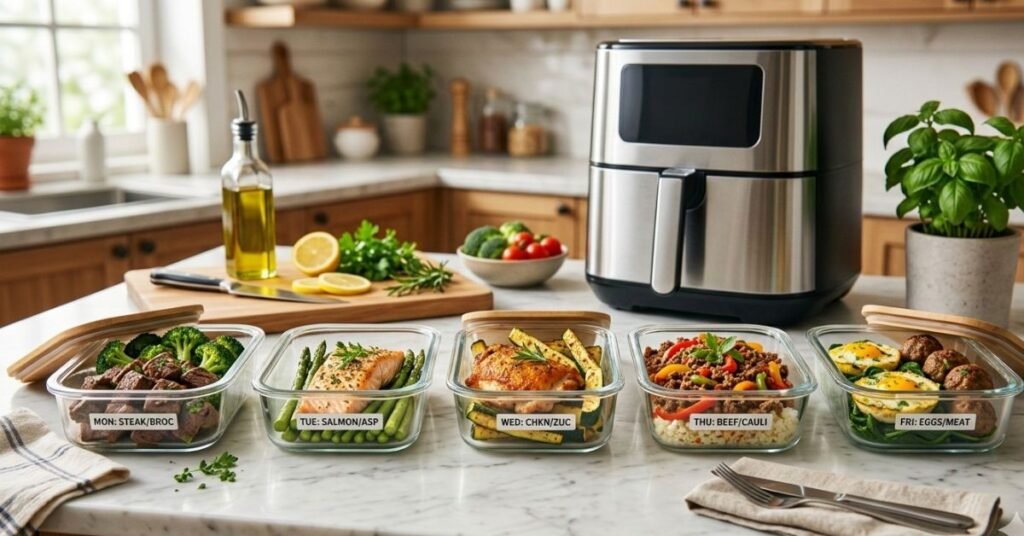
By Kiran | Nutritionist at PrepSlim Editor’s Note: This guide was originally published in 2025 and has been fully updated for 2026 to reflect the latest nutritional research and user feedback. We have included a new “Smart Prep” strategy focused on budget-friendly protein selection and gut-health optimization to ensure your keto journey is both sustainable and scientifically sound. In 2026, meal prepping is no longer just about losing weight; it is about reclaiming your time and managing your budget in an inflationary world. As a nutritionist, I have seen that the biggest barrier to staying in ketosis isn’t a lack of discipline , it’s a lack of a sustainable system. The air fryer has evolved from a trendy gadget into a nutritional powerhouse. By using the Keto Air Fryer Meal Prep for the Week method, you can prepare 15+ high-quality, low-carb meals in under 60 minutes. This guide focuses on the “Smart Prep” philosophy: using affordable protein cuts, seasonal gut-friendly vegetables, and zero-waste cooking techniques. As a nutritionist, I have spent years testing different ways to make healthy eating sustainable. The air fryer is, without a doubt, the most important tool in my kitchen. It allows you to create high-fat, low-carb meals that taste like they were deep-fried, but without the inflammatory vegetable oils. In this guide, I will walk you through everything you need to know to master your weekly meal prep in just one afternoon. Why the Air Fryer is a Keto Secret Weapon Before we get to the recipes, let’s talk about why this tool is essential for low carb meal prep. Essential Tools for Professional Meal Prep To do this like a pro, you need more than just an air fryer. I recommend investing in: Your Keto Air Fryer Shopping List For this week’s healthy keto lunches and dinners, you will need the following: Why the Air Fryer is the Ultimate 2026 Prep Tool Hyper-Efficiency: In 2026, energy costs matter. Air fryers use significantly less power than traditional ovens while cooking 30% faster. Gut Health Focus: Unlike deep frying, air frying requires minimal oil, allowing us to use high-quality fats like avocado or grass-fed ghee that support a healthy microbiome. Texture Retention: The convection technology ensures that even after four days in the fridge, your proteins remain juicy and your vegetables stay crisp. The Weekly Menu Breakdown We aren’t just making one meal; we are creating variety to prevent “diet boredom.” 1. Garlic Butter Steak Bites with Roasted Broccoli Steak bites are perfect for meal prep because they stay tender when reheated. Pairing them with broccoli ensures you get enough fiber. 2. Lemon-Herb Salmon with Asparagus This is one of the easiest keto recipes that feels like a gourmet dinner. Salmon provides the Omega-3 fats your brain needs while on keto. 3. Crispy Chicken Thighs with Zucchini Fries Chicken thighs are higher in fat than breasts, making them a better choice for a ketogenic diet plan. Step-by-Step Meal Prep Instructions Follow this sequence to finish your entire week’s prep in about 60 minutes. Step 1: The Prep Phase (20 Minutes) Wash all your vegetables. Cut the broccoli into florets, the zucchini into sticks, and the steak into 1-inch cubes. Step 2: Seasoning Strategy Do not be afraid of salt! Keto diets require more sodium because your body flushes water faster. Coat your steak in garlic butter and your chicken in smoked paprika and salt. Step 3: The Cooking Sequence Since we are using one air fryer, we cook in rounds: Step 4: Cooling and Boxing Never put hot food directly into your meal prep containers. This creates steam, which makes your vegetables soggy. Let them sit on a wire rack for 15 minutes before closing the lids. Detailed Nutrition Table ,2026 As a nutritionist, I believe in data. Here is exactly what you are putting into your body: Meal Name Calories Net Carbs Protein Healthy Fats Garlic Butter Steak & Broccoli 450 kcal 5g 35g 30g Lemon-Herb Salmon & Asparagus 380 kcal 3g 28g 26g Crispy Chicken & Zucchini 410 kcal 4g 30g 28g Air-Fried Eggs (2 eggs) 140 kcal 1g 12g 10g Calculate My Calories Conclusion:  Keto air fryer meal prep for the week is more than just a way to save time; it is a way to ensure you never have to make a bad food choice out of hunger. By spending just one hour on Sunday, you protect your health, your energy, and your weight loss goals for the entire week. (FAQs) How long do air-fried keto meals last? When stored in airtight glass containers, these meals will stay fresh and safe for 4 to 5 days in the refrigerator. Can I freeze these meals? Yes, but I recommend only freezing the meat. Vegetables like zucchini and broccoli can become watery when thawed. For the best experience, keep them in the fridge. Why is my food not crispy after reheating? The microwave is the enemy of crispiness. To enjoy your easy keto recipes the right way, put your meal back into the air fryer at 350°F for 3 minutes. It will taste brand new! Can I use frozen ingredients? Yes! 2026 air fryer models handle frozen keto-friendly vegetables perfectly. Just add 3-5 minutes to the timer. How do I manage food waste? Any leftover vegetable scraps can be tossed in the air fryer with a bit of parmesan for a “Zero-Waste” keto snack. At PrepSlim, my goal is to make healthy living simple. Start small, try prepping just three days of lunches first, and you will soon see how much easier your life becomes. About the Author: Hi, I’m Kiran! As a professional nutritionist and the founder of PrepSlim, my mission is to simplify healthy living. I specialize in high-protein, keto-friendly meal planning that fits into a busy lifestyle. This air fryer method is my personal favorite because it combines speed with the high-quality textures my clients love. I hope this guide helps you take control of your health one meal at

How to Boil Eggs Perfectly: The Ultimate Fail-Proof Guide (2026)
Recipes

How to Boil Eggs Perfectly: The Ultimate Fail-Proof Guide (2026)

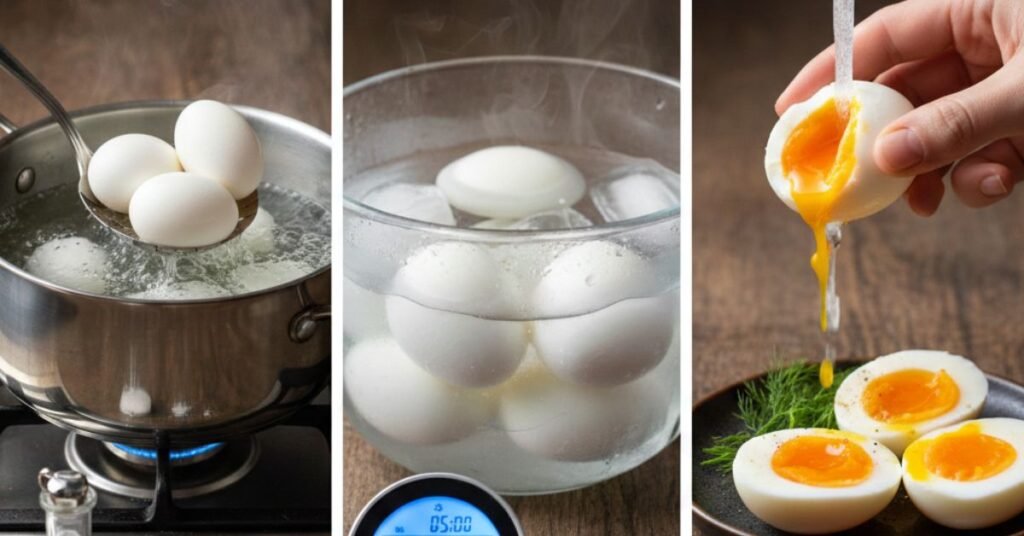
Editor’s Note: “Hi, I’m Kiran! As a professional Nutritionist, I’ve updated this guide for 2026 to ensure you have the most accurate timings and fail-proof techniques for perfect eggs every time. My goal is to combine expert nutritional advice with practical kitchen hacks to help you reach your wellness goals. Enjoy the perfect peel!” Boiling an egg is often the very first thing we learn in the kitchen, yet it remains one of the most debated topics. This guide provides a scientific approach to achieving the perfect egg every time. The 2026 Method: Stovetop vs. Air Fryer Traditional boiling is great, but did you know that steaming or air-frying often leads to easier peeling? The Timing Chart (Precision Matters) Method Soft Boiled (Runny) Medium (Jammy) Hard Boiled (Set) Stovetop 6 Minutes 7-8 Minutes 10-12 Minutes Air Fryer (250°F) 9 Minutes 12 Minutes 15 Minutes 1. Quick Summary: The Essential Checklist Before you start, ensure you have these basics ready: 2. The Definitive Egg Timing Chart Use this table to choose your desired yolk consistency. These timings are based on the “Hot Start” method (dropping eggs into boiling water). Boiling Time Yolk Description Best For… 6 Minutes Liquid gold, very runny Dipping toast soldiers 7 Minutes “Jammy” and custardy Ramen bowls & Avocado toast 8 Minutes Soft-set but creamy gold Protein-packed salads 10 Minutes Fully set, bright yellow Standard breakfast/Snacks 12 Minutes Firm and light yellow Deviled eggs & Egg salad 14+ Minutes Very hard and dry Grating over dishes 3. Comparing Methods: Cold Start vs. Hot Start Which method should you use? Here is a quick comparison: Cold Start Method Hot Start Method (Recommended) Step-by-Step: The “Hot Start” Secret For the easiest peel, always start with boiling water. This “shocks” the membrane, preventing it from sticking to the shell. 4. Step-by-Step Instructions Follow these bulleted steps for a flawless result: Nutrition Facts & Health Benefits Eggs are a powerhouse of high-quality protein and essential vitamins. Nutrient Amount per Large Egg Calories 72 kcal Protein 6.3 g Healthy Fats 4.8 g Vitamin D 6% DV 5. Pro-Tips for “Easy-Peel” Success If you struggle with shells sticking to the whites, try these expert hacks: 6. Troubleshooting Common Mistakes Are your eggs not coming out right? Check these common issues: 7.Conclusion  Mastering the boiled egg is about Control. By using a timer and an ice bath, you take the guesswork out of the process. Whether you want a “Jammy” Ramen egg or a firm egg for your salad, these steps ensure success every single time. 8. Frequently Asked Questions (FAQs) Author Note: “Hi, I’m Kiran! As a professional Nutritionist and the creator of Prepslim.com, I specialize in high-protein, keto-friendly meal planning. I’ve updated this guide for 2026 to bring you the most accurate, fail-proof methods for perfect eggs, helping you simplify your healthy lifestyle. Let’s make meal prep effortless together!”

Best Fruits for Diabetics: A Complete Guide to Managing Blood Sugar Naturally
Recipes

Best Fruits for Diabetics: A Complete Guide to Managing Blood Sugar Naturally

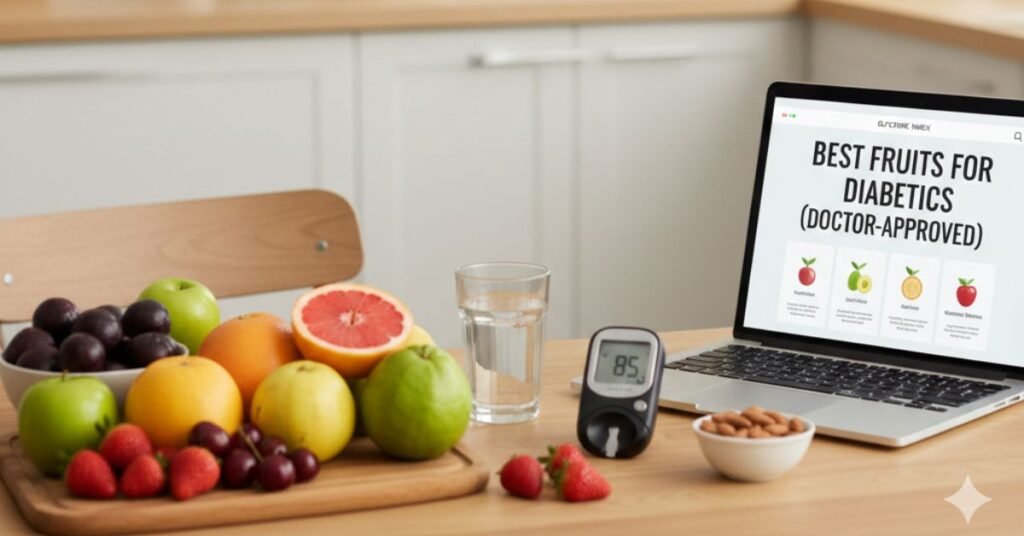
Editor’s Note Meet Your Nutritionist: Hi, I’m Kiran! As a professional Nutritionist, I have updated this guide for 2026 to ensure you have the most current, science-backed information on managing blood sugar. To make your journey easier, I’ve included a Micro Calculator below so you can instantly check safe fruit portions for your specific needs. My goal is to help you enjoy nature’s sweets without the worry of sugar spikes! When you are living with diabetes, your relationship with food changes. One of the most common questions people ask is: “Is fruit safe for me?” Because fruits contain natural sugar (fructose), many people mistakenly believe they should be avoided entirely. However, medical science tells a different story. Fruits are packed with vitamins, minerals, and antioxidants that are essential for your body. The secret lies in choosing the best fruits for diabetics those that provide nutrition without causing dangerous spikes in your glucose levels. In this guide, we will explore how you can enjoy nature’s candy while managing blood sugar naturally. Why the “Color” of Your Fruit Matters; In 2026, nutrition science has moved beyond just counting sugar. We now focus on phytochemicals natural compounds that give fruits their vibrant colors. For someone with diabetes, deep-colored fruits like purple grapes (in moderation) or red berries provide anthocyanins. These compounds don’t just provide flavor; they actively help your cells become more sensitive to insulin. By choosing a variety of colors, you are not just eating a snack; you are providing your body with a toolkit to fight inflammation and stabilize your metabolic health naturally. The Science: Understanding the Glycemic Index (GI) Before we list the fruits, we must understand how they affect your body. Not all sugars are created equal. The impact of a fruit on your blood sugar is measured by the Glycemic Index (GI). Another key factor is fiber. Fiber-rich fruits for diabetes are vital because fiber acts as a “speed bump.” It slows down the digestion process, ensuring that the natural sugar doesn’t hit your system all at once. Top 7 Best Fruits for Diabetics Here is a detailed look at the best options for your daily diet. These fruits are generally low in GI and high in nutrients. 1. Berries (Strawberries, Blueberries, Raspberries) Berries are often called a “superfood” for diabetics. They are loaded with antioxidants called anthocyanins, which help improve insulin sensitivity. 2. Apples (The “Skin-On” Rule) Apples are an excellent choice for diabetes-friendly snacks. They contain a specific type of soluble fiber called pectin. 3. Pears Pears are incredibly nutrient-dense. A small pear has about 5.5 grams of fiber, which is quite high compared to other fruits. This makes them great for keeping you full and satisfied. 4. Citrus Fruits (Oranges and Grapefruits) While orange juice is bad for diabetics, the whole orange is great. Citrus fruits contain “hesperidin” and “naringenin,” which are plant compounds that help reduce inflammation and stabilize blood sugar. 5. Guava (The Fiber King) In many regions, Guava is a staple. It has a very low Glycemic Index and is one of the most fiber-rich fruits for diabetes. Some studies even suggest that guava leaf tea and the fruit itself can help lower blood sugar after a meal. 6. Cherries Cherries have one of the lowest GI scores (around 20). They are particularly good at fighting inflammation, which is a common concern for people with Type 2 diabetes. 7. Apricots Apricots are a great source of Vitamin A and potassium. They provide a sweet taste with very few calories, making them a safe addition to your meal plan. Eating with the Seasons: Summer vs. Winter Choices Your body’s needs change with the weather, and so should your fruit bowl. In the Summer, focus on hydrating low-GI fruits like watermelon (small portions) and peaches, which provide electrolytes without a massive sugar load. In the Winter, pivot towards citrus fruits like oranges and kiwis. Kiwis are a hidden gem for diabetics because they are high in Vitamin C and fiber, which supports the immune system during flu season while keeping blood glucose levels in check. Seasonal eating ensures you get the freshest nutrients with the least amount of artificial preservatives. Comparison Table: Fruit Nutrition at a Glance Fruit Glycemic Index (GI) Key Benefit Serving Size Cherries 20 High Antioxidants 1 Cup Grapefruit 25 Heart Health 1/2 Fruit Pear 38 High Fiber 1 Medium Apple 39 Pectin (Fiber) 1 Small Orange 43 Vitamin C 1 Medium Strawberry 41 Low Calorie 1.25 Cup 📊 Calculate Your Macros Now Whole Fruits vs Fruit Juice: Why it Matters This is the most important rule of thumb for any diabetic. You might think a glass of fresh orange juice is healthy, but for your blood sugar, it is almost the same as drinking a soda. Verdict: Always choose the “crunch” over the “sip.” Practical Tips for Smart Fruit Consumption To get the most out of your diet, follow these expert-backed strategies: 1. The Best Time to Eat Fruit for Diabetics Timing is everything. Eating fruit on an empty stomach might cause a faster rise in sugar. The best time to eat fruit for diabetics is usually during the day when you are active. Avoid eating a large bowl of fruit right before bed, as your body won’t have the chance to burn that energy. 2. Smart Pairing (The “Protein Buffer”) Never eat fruit alone. If you pair a piece of fruit with a source of protein or healthy fat, you further slow down sugar absorption. 3. Portion Control Even low glycemic index fruits contain carbohydrates. You should aim for 2 servings of fruit per day. One serving is generally the size of a tennis ball. Fruits to Eat with Caution (The “Limit” List) No fruit is strictly “forbidden,” but some are very high in sugar and should be eaten in very small amounts: The 2026 “Glucose Hack”: Pairing Fruit with Protein One of the biggest trends in managing blood sugar is “buffering” your carbs. If you eat an

5 Common Meal Prepping Mistakes That Are Ruining Your Weight Loss
meal prep

5 Common Meal Prepping Mistakes That Are Ruining Your Weight Loss

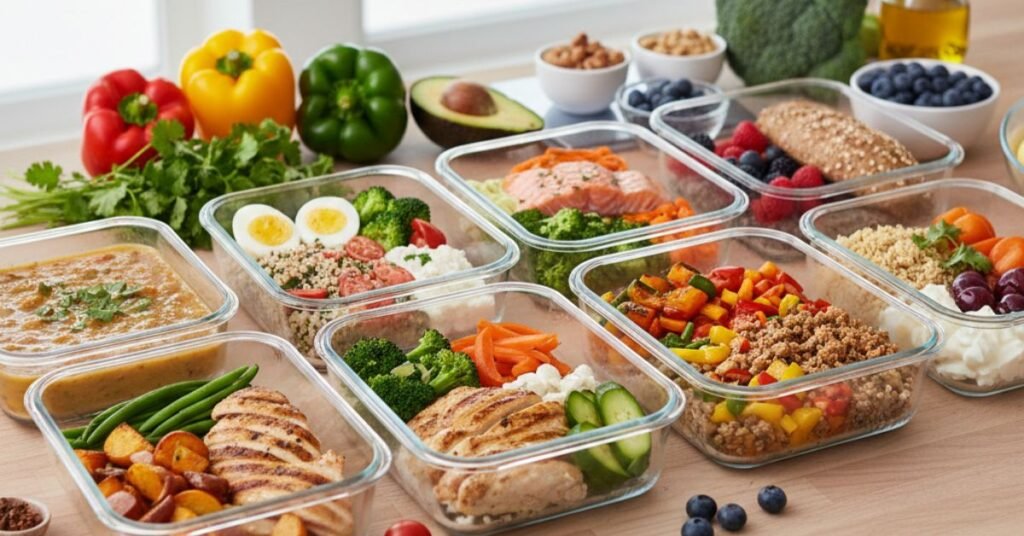
Editor’s Note: Hi, I’m Kiran! As a professional nutritionist, I have designed this guide to help you avoid the common pitfalls that stall weight loss progress. My goal with prepslim.com is to provide you with high-quality, authoritative content that makes healthy living simple and sustainable. I hope these insights empower your journey toward a healthier you! we have all been there. It is Sunday afternoon. You are feeling motivated. The kitchen counter is full of plastic containers, chicken breasts, and broccoli. You spend three hours cooking, chopping, and packing. You feel proud because you are finally taking control of your health. You are doing everything “right.” But then, two weeks later, you step on the scale  and the number hasn’t moved. Or worse, it has gone up. Frustration sets in. You ask yourself, “Why am I working so hard with no results?” The truth is, meal prep for weight loss is one of the best tools for getting fit, but it is very easy to do it wrong. Just because you are cooking at home doesn’t automatically mean you will lose weight. Small, hidden errors can add up and destroy your progress. In this guide, we will explore the 5 common meal prepping mistakes that might be sabotaging your goals and exactly how to fix them. 1. The “Healthy Food” Portion Trap This is the most common mistake beginners make. There is a big misconception that if a food is “healthy” or “clean,” you can eat as much of it as you want. We often categorize food as “Good” or “Bad.” While avocados, nuts, olive oil, and brown rice are packed with nutrition, they are also very calorie-dense. For example, you might add a “handful” of nuts to your snack box. But if you don’t measure it, that handful could be 300 calories. If you do this every day, you are eating an extra meal’s worth of calories without realizing it. The Calorie Reality Check Look at this table to see how “healthy” foods can pile up calories quickly: Food Item Serving Size Approx. Calories Olive Oil 1 Tablespoon 120 cal Almonds 1 Handful (approx. 23 nuts) 165 cal Avocado 1 Medium Avocado 250-320 cal Peanut Butter 2 Tablespoons 190 cal Salad Dressing 2 Tablespoons (Creamy) 140 cal The Solution: Use a Portion Control Guide 2. Lack of Variety (The Boredom Factor) Imagine this: It is Wednesday. You open your fridge for lunch. You see the same container of plain grilled chicken, steamed broccoli, and white rice that you had on Monday and Tuesday. Suddenly, that meal looks very unappealing. Your coworker offers to order pizza. Because you are bored with your food, your willpower breaks, and you say “Yes.” This is a classic example of avoiding meal prep burnout. Many people think healthy food must be boring or bland to work. They eat the exact same thing every day for 7 days. This is a recipe for failure. Food is not just fuel; it is also enjoyment. The Solution: Rotate Your Flavors You don’t need to cook 5 different meals. You just need healthy meal prep ideas that use different spices. 3. Ignoring “Hidden” Calories (Oils and Sauces) This is the silent killer of weight loss. You might have perfectly measured chicken and vegetables, but how did you cook them? To lose weight, you must be in a calorie deficit. This means you burn more energy than you eat. However, cooking oils are pure fat. Many people also drown their healthy salads in creamy dressings like Ranch or Caesar, which are loaded with fat and sugar. You might think you are eating a low-calorie meal, but the hidden oils are pushing you into a calorie surplus. Calculate My Calories The Solution: Be Smart with Condiments 4. Prepping for Too Many Days Enthusiasm is great, but prepping for 7 days at once is often a mistake. By Thursday or Friday, the food you cooked on Sunday has changed. When your Friday lunch smells a bit weird or looks mushy, you are very likely to throw it in the trash and buy fast food instead. Eco-Friendly and Sustainable Prepping Modern weight loss is not just about what you eat; it is also about how you store it. Many people use cheap plastic containers that can leach harmful chemicals into their healthy food when heated. Switching to glass containers is not only better for the environment but also keeps your food tasting fresher for longer. Additionally, try to reduce food waste by using ‘Scrap Prepping’ save your vegetable peels and ends to make a healthy, low-calorie veggie broth for your next meal. The Solution: The “3-Day Rule” Don’t try to be a superhero. 5. Imbalanced Macros (The “Hunger” Mistake) Have you ever eaten a salad and felt hungry again one hour later? This happens when your meal prep is not balanced. Many people focus only on “low calorie” and forget about “satiety” (feeling full). If your meal is just lettuce and a few cucumbers, your body digests it very quickly. This leads to blood sugar crashes and intense cravings for sugar later in the day. To make a high protein lunch work for you, you need the power couple: Protein and Fiber. One of the biggest reasons people fail their weight loss journey is muscle loss and extreme hunger. To fix this, you must adopt a ‘Protein-First’ strategy. Instead of picking your carbs (like rice or pasta) first, always start your meal prep by choosing your protein source. Protein has a high thermic effect, meaning your body burns more calories just to digest it. When you prep, aim for at least 30 grams of protein per container to keep your metabolism high and your hunger low. The Perfect Plate Formula Structure every meal prep container like this table suggests: Meal Component Weight Loss Benefit Recommended Serving Lean Protein Maintains muscle mass 4 – 6 oz Fibrous Veggies Provides volume & fullness 2 Cups Healthy Fats Supports hormone health 1 – 2

Fermented Foods for Beginners: A Simple Guide to a Happy Gut
meal prep

Fermented Foods for Beginners: A Simple Guide to a Happy Gut

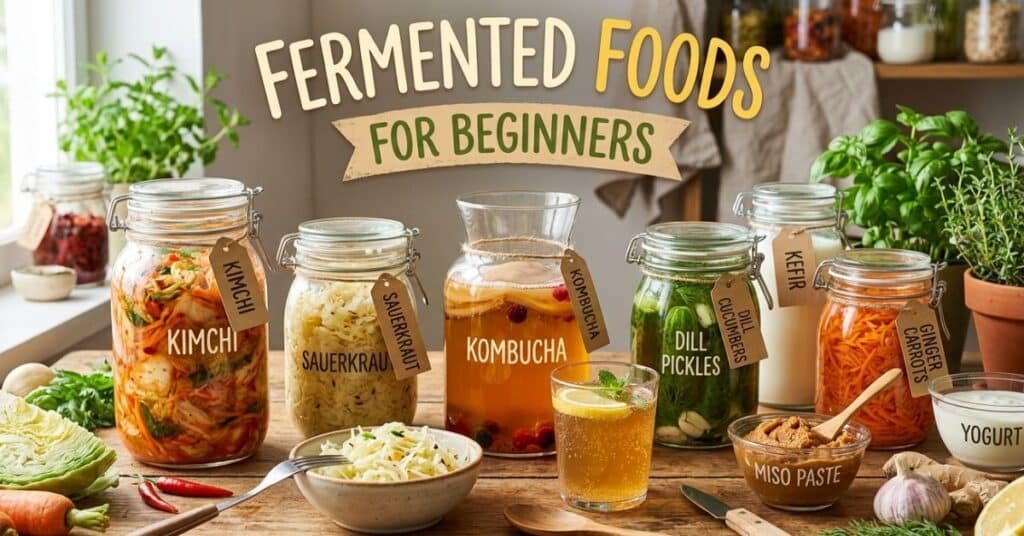
Editor’s Note This guide is written by Kiran, a professional nutritionist. It provides expert insights into natural gut health and easy lifestyle changes for better digestion. Do you often feel bloated, tired, or heavy after eating your everyday meals? The secret to feeling light, active, and healthy might be hiding right inside your kitchen! Today, we are going to talk all about fermented foods for beginners. These are not just ordinary snacks; they are natural “superfoods” that can completely change how your stomach feels and works. As a professional nutritionist, I always tell my clients that a healthy body starts with a healthy stomach. If your stomach is upset, your whole body feels tired. In this complete guide, we will learn what these foods are, why they are so amazing, and how you can easily start eating them every single day. Before we dive into the ‘how-to’, it is important to understand that adding these foods is a lifestyle change. It’s not a temporary diet. By eating fermented foods daily, you are treating your body to natural medicine. What exactly is Fermentation? Fermentation sounds like a big scientific word, but it is actually a very simple and natural process. Tiny, friendly creatures called bacteria and yeast eat the natural sugars found in food. When they eat these sugars, they create something wonderful called natural probiotics in food. Think of these probiotics as a “Tiny Protective Army” living inside your stomach. When you have a big, strong army of these good bacteria, you get a happy stomach and a much healthier body! Fermented vs Pickled Differences: Don’t Be Confused! Many beginners get very confused when they go to the grocery store. They see a jar of pickles and think it is fermented. This is not always true! Here are the main fermented vs pickled differences you need to know: The Golden Rule: If you want real health benefits, always choose foods that are naturally fermented in saltwater, not the ones soaked in vinegar. Why Should You Eat Them? (Amazing Health Benefits) Adding these superfoods to your daily routine brings amazing benefits for your whole body. Here is why you should add them to your fermented diet plan: Top 7 Best Fermented Foods for Gut Health If you are new to this, you do not need to eat strange, expensive, or bad-tasting things. Here are the top 7 easy and delicious options to start with: 1. Yogurt (Dahi) Yogurt is the easiest and most famous way to start. 2. Kefir Kefir is a fantastic drink that tastes like a slightly sour, drinkable yogurt. 3. Sauerkraut This is simply finely cut cabbage fermented with salt. 4. Kombucha If you love drinking fizzy soda, you must replace it with Kombucha. 5. Naturally Fermented Pickles Look for cucumbers or carrots fermented only in saltwater. 6. Miso Miso is a traditional Japanese paste made from fermented soybeans. 7. Tempeh Tempeh is also made from fermented soybeans, but it looks like a firm cake. Nutrition and Serving Guide Table Food Item Primary Health Benefit Calories (per serving) Best Time to Eat Plain Yogurt Bone Health & Digestion ~100 kcal Breakfast Kefir High Probiotics & Protein ~104 kcal After Workout Sauerkraut Vitamin C & Fiber ~27 kcal With Lunch Kombucha Energy Boost ~30 kcal Afternoon Drink Tempeh Muscle Building ~190 kcal Dinner 5 Common Mistakes Beginners Make Fermentation is easy, but nature needs certain conditions. Avoid these traps when you start your journey: Calculate My Calories Step-by-Step Guide: Make Simple Fermented Carrots at Home You can easily make your own healthy snacks at home. It is cheap and fun! Conclusion Starting a healthier life does not have to be difficult. By simply eating a little bit of yogurt or a few fermented carrots every day, you can build a stronger body from the inside out. Remember, take care of your gut, and your gut will take care of you! (FAQs) 1. What are the best probiotics for beginners? Plain yogurt and kefir are the best. They are very gentle and your stomach is already used to dairy. 2. Can I eat fermented foods every day? Yes! Eating a small amount daily is the best way to keep your gut bacteria strong. 3. Do fermented foods cause gas? Sometimes at the start. This is why you should start with just 1-2 spoons a day and slowly increase the amount. 4. Is there a link between fermented foods and weight loss? Yes! A healthy gut balances your hormones and helps you digest food properly, which can help reduce belly fat. Disclaimer: Consult your doctor before starting any diet plan. Meet Your Nutritionist: Hi, I’m Kiran! As a professional Nutritionist and the creator of Prepslim.com, I specialize in high-protein, keto, and weight-loss meal planning. My goal is to provide authoritative, science-backed advice to help you reach your health goals sustainably. Whether you need a 1500-calorie plan or gut-health tips, I am here to guide you every step of the way.

The Ultimate Guide to different types of sushi: Exploring Japanese Culinary Art
Sushi (Calories & Nutrition)

The Ultimate Guide to different types of sushi: Exploring Japanese Culinary Art

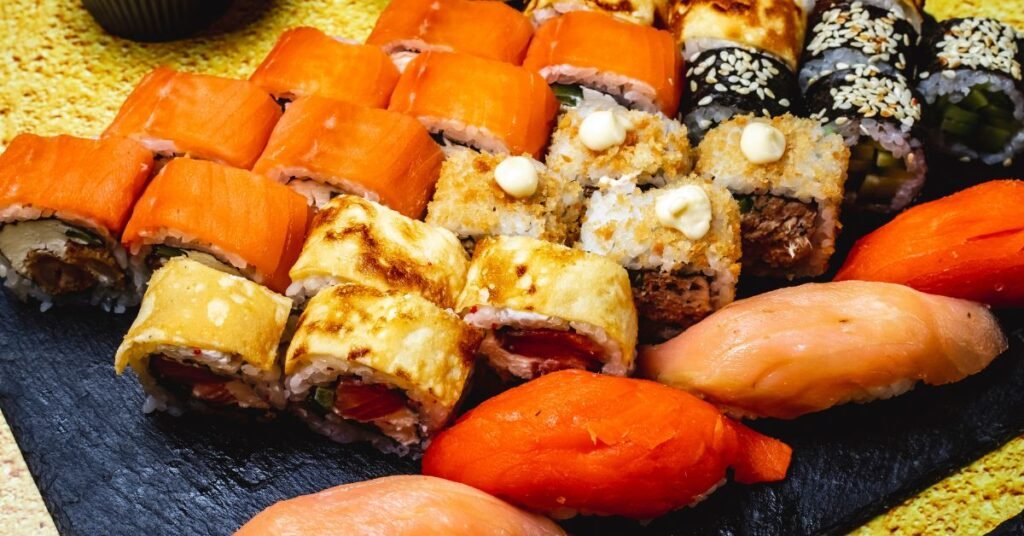
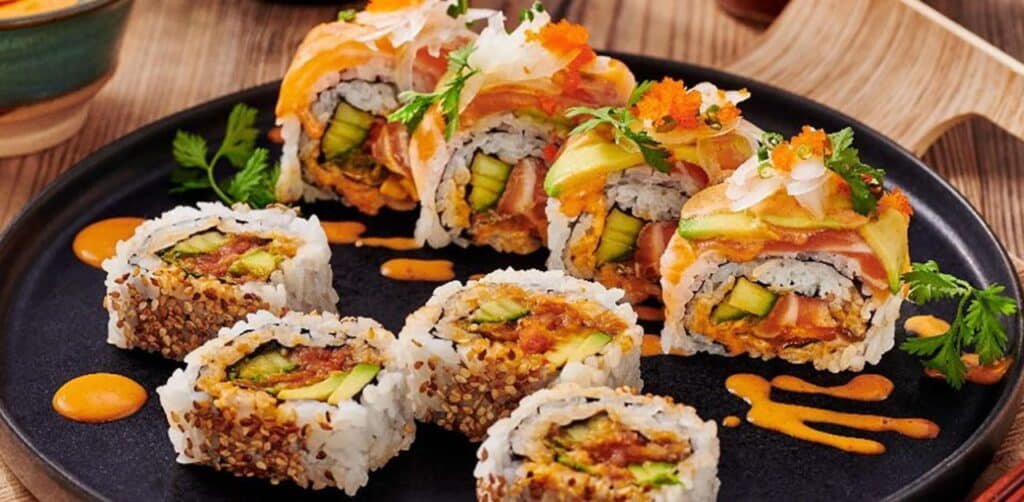
“Last Updated: May 9, 2026” Editor’s Note Hi, I’m Kiran! As a professional nutritionist and the founder of prepslim.com, I specialize in high-protein meal planning and weight-loss-oriented recipes. My goal is to help you enjoy delicious foods like sushi while maintaining a healthy lifestyle. I have designed this guide to provide you with expert, authoritative, and science-backed information to help you make informed and healthy dining choices. Sushi is more than just a meal; it is a centuries-old Japanese art form that balances flavor, texture, and aesthetics. While many people associate sushi exclusively with “raw fish,” the term actually refers to the vinegared rice, known as Shari, which serves as the foundation for every piece. In this guide, we will explore the most popular varieties, cultural etiquette, and everything you need to know to navigate a sushi menu like an expert. A Nutritionist’s Perspective: Why Sushi is a Superfood As a nutritionist, I often recommend sushi to those looking for a high-protein, heart-healthy meal. The combination of lean seafood and seaweed offers a unique nutritional profile: 1. Nigiri (Nigirizushi): The Purest Form of Sushi Nigiri is the most traditional and authentic Japanese sushi. It consists of a hand-pressed mound of vinegared rice topped with a thin slice of fresh seafood. Sometimes, a tiny dab of wasabi is placed between the rice and the fish to enhance the flavor. 2. Maki (Makizushi): The Classic Seaweed Rolls When comparing Nigiri vs Maki, the primary difference is the structure. Maki consists of fish, vegetables, and rice rolled inside a sheet of Nori (dried seaweed) using a bamboo mat. 3. Uramaki: The Famous Inside-Out Rolls Uramaki is a modern twist on traditional sushi that gained massive popularity in Western countries. In this style, the rice is on the outside, and the seaweed is hidden on the inside. Often, the rice is coated with sesame seeds or fish roe for extra texture. 4. Temaki: The Casual Hand-Rolled Cone Temaki is a large, cone-shaped piece of sushi designed to be eaten with your hands rather than chopsticks. It is packed with rice, fish, and julienned vegetables like sprouts or cucumber. 5. Sashimi: Pure Flavor Without the Rice While often served at sushi restaurants, Sashimi is technically not sushi because it does not contain rice. It consists of thin, premium slices of raw fish or meat served with shredded daikon radish. 6. Chirashi: The Beautiful Scattered Sushi Bowl Chirashi, meaning “scattered,” is a bowl of sushi rice topped with a variety of raw fish and garnishes. It is a colorful, easy-to-eat alternative to rolls and is often served on special occasions or at home in Japan. It offers a little bit of everything in one bowl. Nutritional Value of Popular Sushi Understanding what you eat is part of a high-quality food experience. Below is a breakdown of the nutritional content for common sushi choices. Sushi Nutrition Table Sushi Type Main Ingredient Approx. Calories (per piece/roll) Protein (g) Salmon Nigiri Fresh Salmon 50 – 60 kcal 3g Tuna Nigiri Fresh Tuna 45 – 55 kcal 4g California Roll Crab/Avocado 250 – 300 kcal (roll) 9g Cucumber Maki Cucumber 130 – 150 kcal (roll) 2g Spicy Tuna Roll Tuna / Spicy Mayo 290 – 350 kcal (roll) 11g Step-by-Step: How to Identify the Freshest Sushi When you are dining out, your experience depends entirely on the quality of the fish. Follow these steps to ensure you are getting the best: 7. Summary Comparison: Which Sushi is Right for You? To help you decide what to order, here is a quick comparison table: Sushi Type Rice Position Seaweed (Nori) Best For… Nigiri Bottom (Mound) None (usually) Purists who love fresh fish flavor. Maki Inside Outside Those who like traditional, bite-sized rolls. Uramaki Outside Inside Beginners and fans of Western fusion flavors. Temaki Inside Outside (Cone) A casual, handheld snack or quick meal. Sashimi None None Low-carb lovers focusing solely on the fish. 8. Essential Sushi Eating Etiquette and Safety To show respect for the craft and enjoy the best flavors, follow these professional tips: Personal Touch: I remember the first time I tried a Dragon Roll; it was the perfect “bridge” for me to start appreciating more traditional Nigiri. Don’t be afraid to start slow! Conclusion Whether you prefer the simplicity of Nigiri, the variety of Maki, or the bold flavors of Uramaki, there is a type of sushi for every palate. By understanding the different types of sushi, you can appreciate the skill and history behind every bite. Next time you visit a Japanese restaurant, step outside your comfort zone and try something new! Frequently Asked Questions (FAQs) Q1: Is all sushi raw? No. Many types of sushi use cooked ingredients, such as Unagi (grilled eel), Ebi (boiled shrimp), or Tamagoyaki (sweet omelet). There are also many vegetarian options like cucumber or avocado rolls. Q2: Can I eat sushi if I am pregnant? Health experts generally advise pregnant women to avoid raw fish. However, cooked sushi (like California rolls with imitation crab or veggie rolls) is usually considered safe. Q3: What are the health benefits of sushi? Sushi is rich in Omega-3 fatty acids (from fish), which are great for heart health. The seaweed (Nori) provides essential minerals like iodine, and the rice provides a clean source of energy. Q4: How do I know if the fish is fresh? Fresh fish should have no “fishy” smell; it should smell like the ocean. The texture should be firm, not mushy, and the color should be vibrant. Author Note Hi, I’m Kiran! As a professional nutritionist, I am dedicated to creating high-quality, authoritative content that helps you live a healthier life. Through prepslim.com, I share expert meal plans and weight-loss-oriented recipes to make wellness simple and sustainable. My goal is to empower you with the knowledge to make smart, nutritious food choices every day.

 Is the Spicy Tuna Roll Healthy? Facts on Calories, Protein, and Fat!
Sushi (Calories & Nutrition)

 Is the Spicy Tuna Roll Healthy? Facts on Calories, Protein, and Fat!

Editor’s Note;Hi, I’m Kiran! As a professional Nutritionist and the founder of prepslim.com, I specialize in high-protein, keto, and weight-loss meal planning. My goal is to simplify sushi nutritional facts so you can enjoy your favorite meals while hitting your fitness targets. This guide is designed to provide you with the most accurate, expert-backed information to help you eat smart and live well. Introduction Sushi is now famous everywhere! One of the most loved sushi rolls is the Spicy Tuna Roll. People love its tasty, slightly creamy, and spicy flavor. But if you are trying to eat healthy and need to know the Sushi Nutritional Facts, you might ask: “Is Spicy Tuna Roll Healthy?” This article will break down the nutritional facts of the Spicy Tuna Roll in a simple way. By the end, you will know the exact Tuna Roll Calories and how to make a smart choice when you order next time! I remember the first time I tried a Spicy Tuna Roll; the mix of spicy sauce and cool fish was amazing! But as I started looking closer at what I was eating, I realized that sushi nutritional facts can be surprising. If you want to enjoy your meal while staying healthy, you need the right spicy tuna roll nutritional information. Spicy Tuna Roll: What’s Inside? (For 6 or 10 Pieces) We will look at the average nutrition for a standard 6-piece roll. Remember, these numbers can change a little depending on the restaurant. Knowing the Tuna Roll Calories is the first step toward smart eating.  Nutrition Facts: Calories, Protein, and Carbs Nutrient Value (Standard 6-Piece Roll) Why it Matters Calories (Energy) 170 – 190 kcal This is a good number for a light snack. Protein 10 – 12 grams Excellent! Helps your muscles and keeps you full. Total Carbs 20 – 24 grams Mostly comes from the sticky sushi rice. (This figure relates directly to Spicy Tuna Roll Carbs). Total Fat 3 – 6 grams Low to medium. The “spicy sauce” adds most of this fat. Sodium (Salt) 330 – 350 mg A bit high. Be careful with extra soy sauce! Quick Tip: If you eat a 10-piece roll, the Tuna Roll Calories can jump up to around 280-320 kcal. Step-by-Step: What Makes it Spicy? Let’s look at how this roll is made so you can see where the nutrition comes from. Step 1: The Fresh Tuna The base is raw tuna. This is great because it is full of Tuna Roll Protein and healthy Omega-3 fats that help your brain stay sharp. Step 2: The Spicy Mayo This is where the “spicy” happens! Chefs mix mayonnaise with chili sauce. While it tastes great, the mayo adds most of the fat to the roll. Step 3: Rolling with Rice The tuna is rolled inside white sushi rice and seaweed (nori). The rice is what gives the roll most of its Spicy Tuna Roll Carbs. The Details: Breaking Down the Ingredients To know if it’s healthy, we need to look at the parts of the roll: A. The Secret of Fat and Calories: The Spicy Mayo The spicy sauce is what makes this roll so delicious, but it also adds the most calories and fat. B. The Good News: Tuna and Omega-3s This is the healthiest part of your roll! Tuna fish is a superfood because it offers a great source of Tuna Roll Protein and Omega-3 fats. C. Watch Out for Salt: Rice and Soy Sauce There are two hidden sources of sodium (salt) in sushi that affect the Sushi Nutritional Facts: Different Rolls, Different Calories: Know the Types Not all Spicy Tuna Rolls are the same. Check the difference in Tuna Roll Calories: Type of Roll Calories (Approx.) What Makes it Different? Restaurant Roll 160-190 kcal Usually fresh with less sauce. Grocery Store Rolls (Grab & Go) 200-250+ kcal Often have more sauce and bigger pieces of rice to make them last longer. “Crunchy” or Deep-Fried Rolls 300-450+ kcal Anything that is deep-fried will soak up oil, making it very high in fat and calories. Burning the Calories: Balancing Your Meal If you eat a 6-piece roll (about 180 Calories), here is how you can balance it out with a little activity: Activity Time Needed to Burn 180 Calories (Avg.) Fast Walking 30 Minutes Jogging/Running 16 Minutes Cycling (Moderate) 20 Minutes Smart Tips for Healthy Sushi Next time you order, use these tips to ensure Spicy Tuna Roll Carbs and calories stay low: My Top Tips for a Healthier Order Conclusion The Spicy Tuna Roll can be a tasty and healthy meal choice! It has great protein and Omega-3s. So, to answer the question, Is Spicy Tuna Roll Healthy? Yes, it is, as long as you eat it in moderation and watch the sauce! The secret is to watch out for the Spicy Mayo and the Salt from the soy sauce. By making smart choices, you can enjoy your favorite roll and still keep your body healthy and strong!  (FAQs) Q1: How many calories are in a Spicy Tuna Roll? A: A 6-piece roll has about 170 to 190 calories (the typical Tuna Roll Calories). Q2: Is the Spicy Tuna Roll good for losing weight? A: Yes, in small amounts! Because of the high Tuna Roll Protein, it keeps you full. But don’t eat too many, and avoid the deep-fried ones. Q3: What is the main healthy thing in the roll? A: The main healthy thing is the Tuna fish, which is full of protein and heart-healthy Omega-3 fats. Q4: How can I make my sushi roll less salty? A: Always use Low-Sodium Soy Sauce and remember: Dip, don’t Drench! Disclaimer: Consult your doctor before starting any diet plan. About the Author;Hi, I’m Kiran! I am a professional nutritionist dedicated to helping you reach your health goals through expert-backed meal planning. Through my website, prepslim.com, I share high-protein, keto, and weight-loss-focused content to make healthy living simple and delicious.

The Ultimate Guide: Finding the Healthiest Oil to Cook With
Weight Loss & Diet Plans

The Ultimate Guide: Finding the Healthiest Oil to Cook With

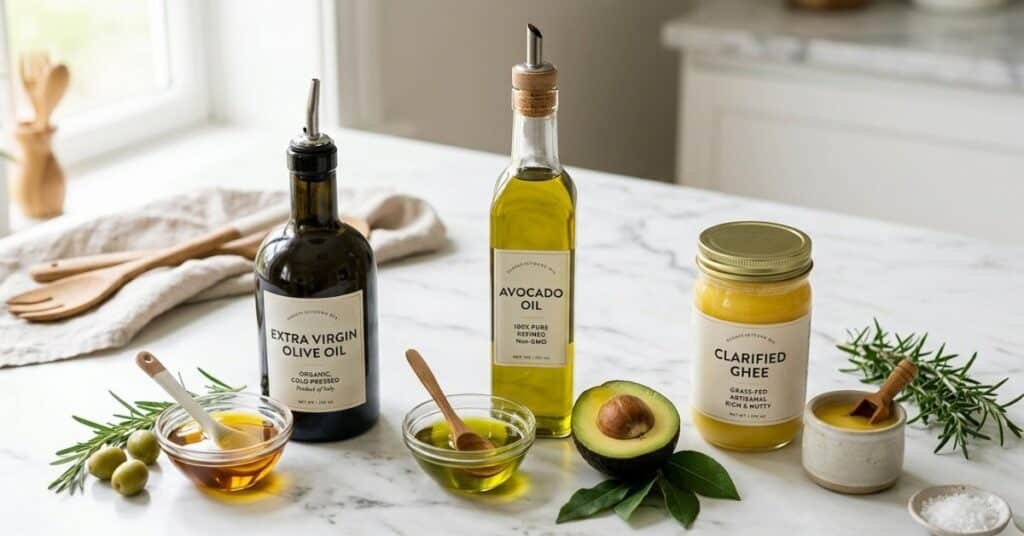
Hello, healthy eaters! When you walk into the grocery store, the cooking oil aisle can feel overwhelming. There are rows and rows of bottles. Some are green, some are yellow, and some have very confusing labels. Which one should you buy? As a nutritionist, one of the most common questions I get asked here at PrepSlim is: “What is the healthiest oil to cook with?” It is a great question. The oil you use every day plays a huge role in your heart health, your weight loss journey, and the taste of your food. But here is the secret: not all oils are created equal, and using a good oil the wrong way can actually turn it bad. Today, we are going to look closely at cooking oils. We will talk about which ones are best for frying, which ones are best for salads, and which ones you should leave on the store shelf. What is a “Cooking Oil Smoke Point”? Before we pick an oil, we need to learn a very important rule. Every oil has a limit to how hot it can get. This limit is called the cooking oil smoke point. Imagine you put a pan on the stove, add some oil, and turn the heat up high. After a few minutes, the oil starts to smoke, and your kitchen smells a bit burnt. That means the oil has reached its smoke point. Why is this bad? To keep your meals safe and healthy, you must match your cooking method with the right oil. The Top 5 Healthiest Oils for Your Kitchen Let’s explore the best oils you can use. These oils are packed with good fats that help your body function well. 1. Extra Virgin Olive Oil Extra Virgin Olive Oil (often called EVOO) is famous around the world, especially in the healthy Mediterranean diet. It is an excellent anti-inflammatory oil because it is full of antioxidants. 2. Avocado Oil If you love to turn up the heat, avocado oil is your best choice. It is made from the green, fleshy part of the avocado. It is one of the best high heat cooking oils you can find. 3. Ghee (Clarified Butter) Ghee has been used in cooking for hundreds of years. It is regular butter that has been gently heated to remove the milk solids and water. 4. Virgin Coconut Oil Coconut oil is solid when it sits in your pantry but melts quickly in a warm pan. It smells gently of coconuts and is very popular in baking. 5. Sesame Oil Sesame oil is made from pressed sesame seeds. It has a very strong, nutty flavor that makes food taste amazing. Kiran’s Personal Tip  I always keep exactly two oils on my kitchen counter: Extra Virgin Olive Oil for my daily salads and light cooking, and a bottle of Avocado Oil for roasting vegetables in the oven. Keeping it simple stops me from getting confused when I am in a hurry to make dinner! Quick Reference Tables To make your meal prep even easier, here are two simple tables you can save. Table 1: Which Oil Should I Use? Oil Name Smoke Point Best Cooking Style Flavor Profile Avocado Oil 520°F (271°C) Roasting, Frying, Grilling Very mild Ghee 482°F (250°C) Pan-frying, Sautéing, Baking Rich, buttery Virgin Olive Oil 375°F (190°C) Light cooking, Salads, Dips Earthy, rich Coconut Oil 350°F (177°C) Baking, Light cooking Sweet coconut Sesame Oil 350°F (177°C) Finishing, Flavoring Strong, nutty Table 2: Nutrition Facts (Per 1 Tablespoon) Oil Name Calories Total Fat Main Benefit Extra Virgin Olive Oil 120 14g Heart-healthy fats Avocado Oil 120 14g High-heat safe Ghee 120 14g Dairy-free butter alternative Coconut Oil 120 14g Quick energy (MCTs) Refined vs Unrefined Oils: What is the Difference? When you read labels, you will see the words “refined” and “unrefined.” It is important to know the difference between refined vs unrefined oils. The Verdict: Whenever you can, choose unrefined or “cold-pressed” oils for the most health benefits. Cooking Oils You Should Avoid Some oils are heavily processed in large factories. They often contain high amounts of Omega-6 fatty acids. While our bodies need a little bit of Omega-6, eating too much of it can lead to swelling and inflammation inside the body. Try to use less of these highly processed oils: How to Store Your Cooking Oils Properly Buying good oil is an investment in your health. To make sure your oil stays fresh and healthy, follow these three simple rules: Conclusion Choosing the right cooking oil does not have to be stressful. By understanding a little bit about heat and reading the labels, you can make choices that help your body thrive. Start by swapping out your generic vegetable oil for a bottle of Extra Virgin Olive Oil for your salads, and keep some Avocado Oil handy for your roasting and frying. Small changes in your kitchen lead to massive changes in your health. Happy cooking! (FAQs) 1. What is the overall healthiest oil to cook with? For general daily use, Extra Virgin Olive Oil is the best choice because of its high antioxidant levels. For high-heat cooking, Avocado Oil is the winner. 2. Can I use Extra Virgin Olive Oil for frying? It is fine for light pan-frying (like cooking an egg or sautéing onions). However, do not use it for deep frying, as it will pass its smoke point and burn. 3. Are seed oils actually bad for you? Highly processed seed oils (like corn or soybean oil) are often used in fast food and packaged snacks. Eating too much of them can cause inflammation. It is much better to choose fruit-based oils like olive or avocado oil for your home cooking. 4. How can I tell if my oil has gone bad? Give it a smell! Good oil smells fresh or earthy. If your oil smells like old crayons, stale nuts, or old paint, it has gone bad (rancid) and you should throw it away.

Scroll to Top