prepslim.com

Author name: Kiran

3 Easy Protein Muffins: A Healthy Snack Guide by a Nutritionist
Recipes

3 Easy Protein Muffins: A Healthy Snack Guide by a Nutritionist

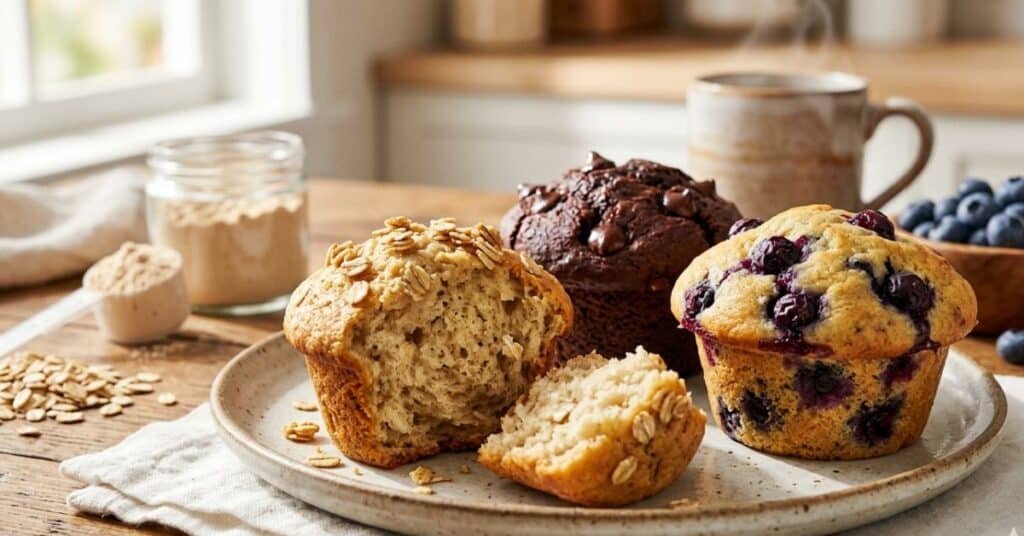
Hello everyone! I am Kiran, a nutritionist, and welcome to PrepSlim.com. Do you love eating sweet things but want to stay healthy? I completely understand! It is very hard to find sweet snacks that are actually good for your body. Most cakes and muffins from the shop are full of sugar and bad fats. They make you feel tired after you eat them. As a nutritionist, my job is to help you eat well without giving up your favorite foods. That is why I love protein muffins. They taste exactly like a soft cake, but they give your body the healthy fuel it needs. Today, I am going to share my top three favorite recipes with you. They are super easy, and you do not need to be an expert baker to make them! Why You Should Eat Protein Muffins You might be wondering, why should I add protein powder to my muffins? Here is a simple list of why these are the perfect healthy snack: Kiran’s Personal Tip: Always use very ripe bananas! The bananas with dark brown spots on their skin are the sweetest. If you use them, you will not need to add extra sugar or honey to your muffins. Also, never mix the batter too much. If you stir it too fast, your muffins will become hard like rocks instead of soft and fluffy! Recipe 1: Classic Banana Vanilla Protein Muffins This is the easiest recipe. It is perfect for beginners. The banana makes it naturally sweet and very moist. What You Need (Ingredients) How to Make Them (Step-by-Step) Step 1: Get the oven ready Turn your oven on to 350°F (175°C) so it gets nice and hot. Step 2: Mash the bananas Peel the bananas and put them in a big bowl. Use a fork to smash them until they look like a paste. Break the eggs into the same bowl and mix them together. Step 3: Add the dry things Put the oat flour, vanilla protein powder, and baking powder into the bowl. Step 4: Stir gently Use a big spoon to stir everything together gently. Stop stirring as soon as you cannot see any dry powder. Step 5: Bake! Put muffin papers into a muffin tray. Spoon the mix into the cups. Bake in the oven for 15 to 20 minutes. Stick a toothpick in the middle; if it comes out clean, they are ready! Nutrition Facts (Per Muffin) Nutrient Amount Calories 140 kcal Protein 10g Carbohydrates 15g Fats 4g Recipe 2: Double Chocolate Protein Muffins If you love chocolate, this is the easy recipe for you. It feels like you are eating a rich chocolate brownie, but it is actually very healthy! What You Need (Ingredients) How to Make Them (Step-by-Step) Step 1: Prepare the oven Turn your oven to 350°F (175°C). Step 2: Mix the wet stuff In a bowl, mix the yogurt and eggs together until it is smooth and creamy. Step 3: Add the chocolate magic Add the oat flour, chocolate protein powder, cocoa powder, and baking powder. Step 4: Fold in the chocolate chips Mix everything slowly. Then, drop the chocolate chips in and gently fold them into the batter. Step 5: Time to bake Spoon the batter into a muffin tray. Bake for 18 to 22 minutes. Let them cool down before eating so the chocolate chips . Nutrition Facts (Per Muffin) Nutrient Amount Calories 160 kcal Protein 12g Carbohydrates 14g Fats 6g Recipe 3: Blueberry Burst Protein Muffins These are so colorful and fun. The blueberries burst inside your mouth when you bite into them. What You Need (Ingredients) How to Make Them (Step-by-Step) Step 1: Heat the oven Turn your oven to 350°F (175°C). Step 2: Mix the base In a large bowl, stir the applesauce and eggs together. Applesauce is a great trick to keep baking soft without using oil! Step 3: Add the dry parts Add the oat flour, vanilla protein powder, and baking powder. Stir it until it is just mixed. Step 4: Add the berries carefully Add the blueberries. Be very gentle when you stir them, or they will break and turn your whole batter blue! Step 5: Bake and cool Put the batter in the muffin tray and bake for 20 minutes. The tops will turn light brown. Nutrition Facts (Per Muffin) Nutrient Amount Calories 130 kcal Protein 9g Carbohydrates 18g Fats 3g How to Store Your Muffins If you make a big batch for your weekly meal prep, you need to keep them fresh. Protein baked goods can go bad if you leave them out for too long. Here is a simple guide on how to store them: Where to Keep Them How Long They Last Best Way to Do It On the Kitchen Counter 1 to 2 days Put them in a plastic box with a tight lid. In the Fridge Up to 1 week Keep them in a closed box. Warm them in the microwave for 10 seconds before eating. In the Freezer Up to 3 months Wrap each muffin in plastic wrap, then put them all in a big zip-lock bag. 📊 Calculate Your Macros Now  (FAQs) Here are some common questions my clients at PrepSlim ask me: 1. Can I use water instead of milk in the recipe? Yes, you can! But using milk (like almond milk or cow’s milk) makes the muffins taste richer and adds a little more protein. 2. What kind of protein powder is best for baking? I like using Whey blend or Casein protein because they do not dry out in the oven. Plant-based proteins (like pea protein) work too, but you might need to add a little more milk so the batter is not too dry. 3. Are these muffins good for weight loss? Yes! Because they are high in protein and low in sugar, they are great for weight loss. They stop you from craving unhealthy sweets. 4. Can I make oat flour at home? Absolutely! You
The Ultimate High-Protein, High-Fiber Meal Prep Guide for Sustainable Weight Loss
meal prep

The Ultimate High-Protein, High-Fiber Meal Prep Guide for Sustainable Weight Loss

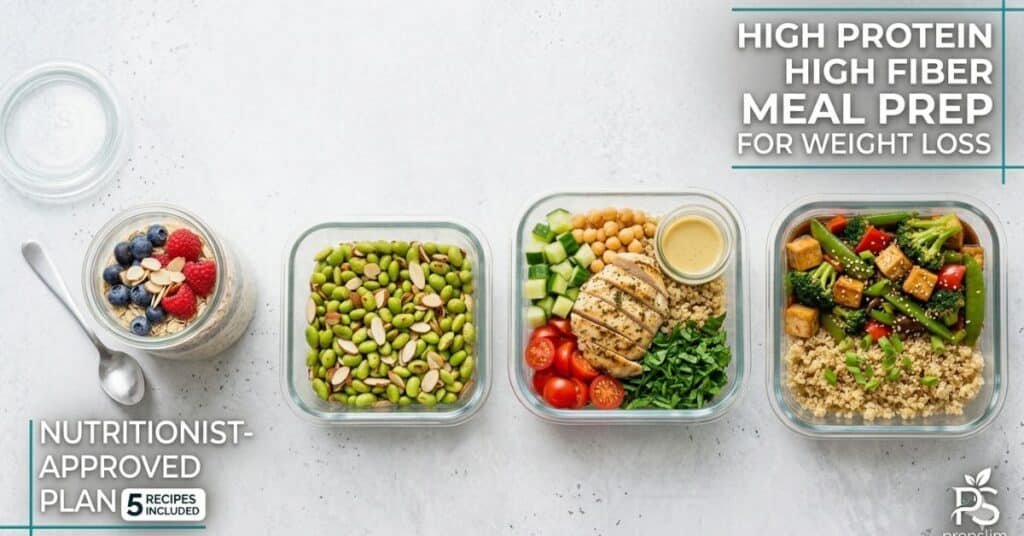
Written by Kiran, Founder of Prepslim Expert Note from Kiran: In my years of working as a professional nutritionist, I have seen hundreds of clients fail on standard restrictive diets. Why? Because they are constantly hungry. True, sustainable fat loss does not come from starving your body. It comes from fueling it with the right combination of macronutrients and micronutrients that control hunger naturally. This guide will show you exactly how to do that. When most people think about losing weight, they instantly think about eating less. They cut down their food portions, skip breakfasts, and live on plain lettuce leaves. However, this old way of dieting always leads to intense cravings, low energy, and eventual burnout. Within a few weeks, the hunger wins, and the weight comes rushing back. To lose fat without losing your mind, you need to focus on two major nutritional powerhouses: Protein and Fiber. When you combine these two elements into your weekly routine using structured high protein high fiber meal prep for weight loss, you completely change how your body handles hunger. You feel full for hours, keep your muscles strong, and give your metabolism a permanent boost. The Science: Why Protein and Fiber Are the Perfect Match To understand why this strategy works so well, let us look at the science of food simplified. When you follow a structured high protein weight loss diet, you are taking advantage of what scientists call the Thermic Effect of Food (TEF). Protein requires much more energy for your body to digest compared to fats or carbohydrates. This means your body naturally burns more calories just by breaking down lean meats, eggs, and plant proteins. Furthermore, protein directly preserves your lean muscle mass. When you are in a calorie deficit, your body naturally wants to burn both fat and muscle for energy. Eating enough protein ensures that you only burn fat, keeping your metabolic rate high. On the other side of the equation, we have fiber. Incorporating high fiber foods for weight loss slows down the rate of digestion significantly. Soluble fiber mixes with water in your stomach to form a thick, gel-like substance. This slows down stomach emptying and keeps your blood sugar levels perfectly stable. As a result, you do not experience the sharp crashes in energy that trigger sugar and carbohydrate cravings in the afternoon. The Synergy Effect: While protein satisfies your brain by signaling fullness hormones (like GLP-1 and PYY), fiber physically stretches your stomach walls to signal physical fullness to your nervous system. Together, they form an unbreakable defense against overeating. The Benefits of Meal Prepping for Busy Lifestyles Knowing what to eat is only half the battle. The real challenge is making healthy food available when you are tired, stressed, or running late for work. This is where mastering healthy meal prep ideas becomes your ultimate superpower. By spending just two hours over the weekend cooking your meals in advance, you remove all food-related decision-making from your busy weekdays. When you have a fridge stocked with nutritious, ready-to-eat meals, you are far less likely to order high-calorie fast food or snack on office sweets. It saves you money, cuts down your mental stress, and keeps you perfectly consistent with your health goals. Essential Ingredients to Stock in Your Kitchen Before you begin cooking, you need to stock your kitchen with high-quality ingredients that stay fresh in the fridge for 3 to 4 days. Here are the top items I recommend for a successful prep session: Lean Protein Sources High-Fiber Superfoods Step-by-Step 5-Recipe Meal Prep Plan Let us turn this theory into clear, actionable steps. Here is a comprehensive 5-recipe plan designed to provide a full day of balanced eating, including main meals and filling snacks. Recipe 1 (Breakfast): High-Protein Chia Berry Overnight Oats This breakfast requires zero cooking time in the morning. Simply mix your ingredients in a glass jar the night before, and it is ready to enjoy as soon as you wake up. Recipe 2 (Mid-Morning Snack): Creamy Greek Yogurt & Flaxseed Parfait A quick, cold snack that introduces gut-friendly probiotics alongside massive protein and healthy fiber textures. Recipe 3 (Lunch): Mediterranean Chicken and Chickpea Power Bowls This lunch option is packed full of vibrant colors, rich textures, and deep Mediterranean flavors that keep well without turning soggy. Recipe 4 (Afternoon Snack): Spicy Roasted Edamame & Almond Crunch An incredible crunchy alternative to potato chips that provides an excellent plant-based source of satisfying dietary fiber and amino acids. Recipe 5 (Dinner): Lean Beef or Tofu Broccoli Quinoa Stir-Fry A comforting, warm dinner option that is low in simple carbohydrates but exceptionally high in protein and satisfying dietary fiber. Complete Nutritional Breakdown For those tracking their daily macronutrients, here is a clear guide to help with your easy macro meal prep. Keeping an accurate track of your intake ensures you remain in a safe, steady calorie deficit. Meal Name Calories (kcal) Protein (g) Dietary Fiber (g) Carbohydrates (g) Fats (g) Chia Berry Overnight Oats 360 kcal 28g 9g 38g 6g Greek Yogurt Parfait 210 kcal 18g 4g 12g 9g Mediterranean Power Bowls 440 kcal 35g 11g 42g 12g Roasted Edamame Crunch 180 kcal 14g 6g 14g 8g Broccoli Quinoa Stir-Fry 410 kcal 32g 10g 36g 11g Daily Total 1,600 kcal 127g 40g 154g 46g Professional Tips for Long-Lasting Freshness To get the best out of your weekly low calorie meal prep, how you store your food matters just as much as how you cook it. Follow these three professional guidelines: Kiran’s Personal Tips for Real-World Success Conclusion: Small Steps Lead to Big Results Losing weight permanently does not require dramatic changes or extreme restrictions. By simply prioritizing protein and fiber in your daily meals and preparing your food in advance, you build an automatic environment for weight loss success. Start small, pick one or two recipes from this guide, and build a consistent routine that works with your life. Disclaimer: Consult your doctor before starting any diet plan. Results

3 Best Chicken Sausage Recipes (Nutritionist-Approved)
Recipes

3 Best Chicken Sausage Recipes (Nutritionist-Approved)

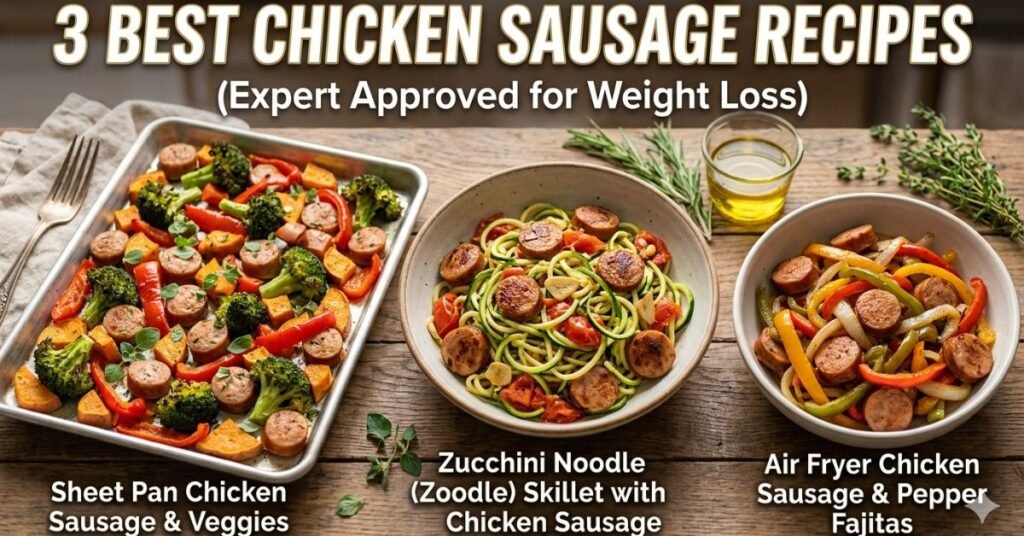
Editor’s Note: This article has been comprehensively updated to reflect the latest nutritional guidelines and meal-prepping strategies. Our goal is always to provide high-quality, actionable advice, which is why this guide now includes precise macro details, budget-friendly kitchen swaps, and expert food storage safety tips to help you reach your health goals seamlessly. As a professional nutritionist, I spend my days helping people figure out how to eat well without spending three hours in the kitchen. One of the most common questions I get is: “Kiran, what can I eat that is fast, high in protein, and actually tastes good?” My secret weapon is almost always chicken sausage. I keep my freezer stocked with it because it is the ultimate “emergency” healthy food. In this guide, I’m sharing my three personal favorite chicken sausage recipes that I personally cook at home. These are designed for low carb sausage meal prep and guaranteed weight loss results. The Nutritionist’s Perspective: Why Chicken Sausage? When I look at a client’s meal plan, I look for two things: Satiety and Micronutrients. Chicken sausage wins in both categories. Unlike traditional pork sausages, which are often loaded with saturated fats and fillers, high-quality chicken sausage is lean. Why I Recommend It: Smart Batch Cooking: How to Meal Prep Chicken Sausage Without It Getting Dry One of the biggest complaints I hear from clients looking for a low carb sausage meal prep routine is that pre-cooked chicken sausage can become dry when reheated. To solve this, your intent should be to under-cook your vegetables slightly during your initial prep. When you reheat your meal prep container in the microwave for lunch, the moisture released from veggies like broccoli or bell peppers will naturally steam the chicken sausage links, keeping them incredibly juicy and tender. How to Choose the Right Chicken Sausage Not all sausages are created equal. When you are at the grocery store, I want you to read the labels carefully. As a nutritionist, here is what I look for: 1. My “Busy Weeknight” Sheet Pan Roast This recipe is my personal lifesaver. On days when I have back-to-back consultations and zero energy to cook, I throw everything on a tray and let the oven do the work. Ingredients Needed: Step-by-Step Instructions: Why this works for Weight Loss: This meal is high in volume but low in calories. The fiber from the broccoli and peppers fills your stomach, while the protein from the sausage keeps you full until morning. 2. The 10-Minute Low-Carb Zoodle Skillet When I’m craving pasta but want to stay in a calorie deficit, I turn to “Zoodles” (Zucchini Noodles). This is a staple chicken sausage recipe for weight loss. Ingredients Needed: Instructions: My Personal Tip: Zucchinis are 95% water. If you cook them longer than 2 minutes, they will turn into a watery mess! Nutritionist’s Note: By replacing traditional pasta with zucchini, you are saving over 300 calories and 40g of carbohydrates per serving. This is how you eat “pasta” and still lose weight! Budget Nutritionist Tip: If high-quality organic chicken sausage is out of your budget this week, you can easily substitute it with lean ground chicken rolled into small homemade sausage rounds using garlic powder, dried sage, and red pepper flakes. It gives the exact same macro profile while keeping your grocery bill low! 3. Air Fryer Sausage & Pepper Fajitas If you own an air fryer, you need to try this. It’s a quick dinner idea with chicken sausage that feels like a “cheat meal” but is actually very clean. Ingredients: Instructions: Nutritional Breakdown Table Recipe Name Serving Size Calories Protein Net Carbs Fat Sheet Pan Roast 1 Plate 310 kcal 22g 12g 11g Zoodle Skillet 1 Bowl 240 kcal 19g 8g 9g Air Fryer Fajitas 2 Wraps 290 kcal 21g 10g 10g Why You Should Use a Macro Calculator As a nutritionist, I believe that “what gets measured, gets managed.” Even healthy recipes can lead to weight gain if you eat too much of them. That is why I always recommend using a Macro Calculator. By entering your height, weight, and activity level into our calculator, you can find out exactly how many of these sausage links you should be eating. For most of my female clients, a serving of 1.5 to 2 links per meal is the “sweet spot” for fat loss. 📊 Calculate Your Macros Now The 4-Day Freshness Rule: Storage Tips for Busy Weeks If your goal is to save time during the week, formatting your storage correctly is key. Cooked chicken sausage recipes stay perfectly fresh in airtight glass containers for up to 4 days. Conclusion Your journey to a healthier version of yourself doesn’t have to be boring. These healthy chicken sausage recipes are proof that you can eat delicious, flavorful food while maintaining a calorie deficit. I want you to try the Sheet Pan Roast this week. It’s the easiest way to start your low carb sausage meal prep journey. Don’t forget to use the Macro Calculator on my site to tailor these meals to your specific needs! (FAQs) Disclaimer: Consult your doctor before starting any diet plan. About the Author:Kiran is a professional nutritionist and the founder of Prepslim. With years of experience in performance-driven nutrition and digital wellness, she specializes in creating practical, macro-friendly meal plans and interactive digital health tools that simplify healthy living for busy professionals. Kiran’s food philosophy focuses on high-protein, time-saving recipes that deliver real weight loss results without sacrificing flavor.

The Ultimate Guide to the Perfect Cucumber Salad: 5 Recipes, Tips, and Nutrition
Recipes

The Ultimate Guide to the Perfect Cucumber Salad: 5 Recipes, Tips, and Nutrition

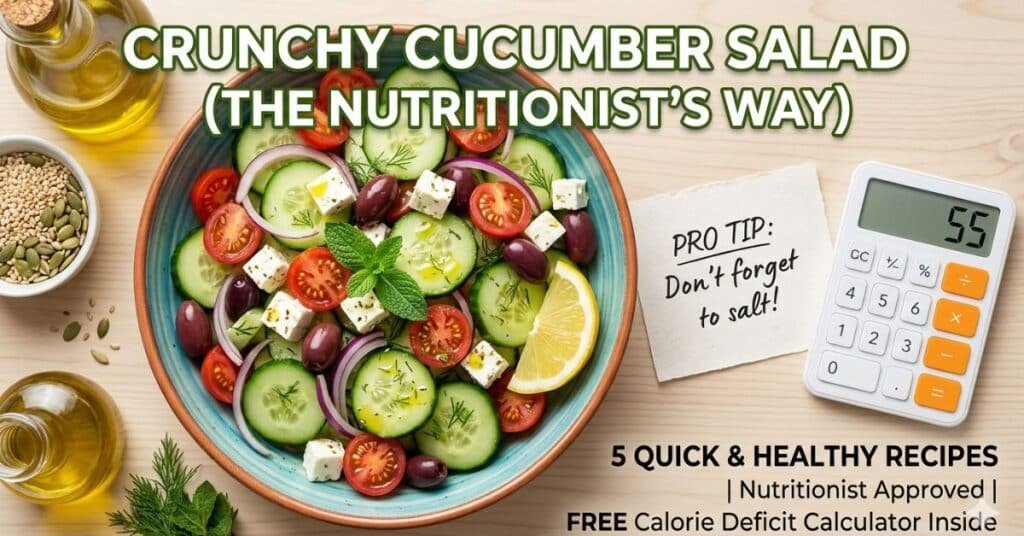
Editor’s Note Editor’s Note: This article has been clinically reviewed and updated for 2026 to ensure all nutritional data, macro metrics, and dietary protocols align with the latest evidence-based guidelines in metabolic health and preventative nutrition. Welcome to the ultimate guide on one of the most versatile and refreshing dishes in the world: The Cucumber Salad. As a professional nutritionist, I believe that healthy eating doesn’t have to be complicated. A simple cucumber can be transformed into a culinary masterpiece that supports your health, keeps you hydrated, and tastes incredible. In this 1200-word guide, we will explore the science of cucumbers, how to keep them crunchy, and five unique recipes from around the world. Why This Blog is Different  Most recipes online leave you with a soggy, watery mess. Based on my professional experience in nutrition and food prep, I will teach you the “Salting Technique” and the nutritional value behind every bite. This isn’t just a recipe; it’s a masterclass in healthy meal prep. Why Cucumber Salads are a Nutritionist’s Ultimate Weight Loss Weapon When it comes to sustainable weight loss and healthy meal prepping, the humble cucumber is an absolute superstar. Cucumbers are roughly 95% water, meaning they provide incredible cellular hydration while being exceptionally low in caloric density. This allows you to eat a massive, satisfying volume of food without overloading your daily calorie budget. But eating plain cucumber slices can get boring quickly. That is why modifying your cucumber salads with diverse culinary profiles, like the Mediterranean zest, German creaminess, or Asian spice, is the ultimate hack to stick to your wellness goals. By swapping heavy, store-bought dressings for nutrient-dense, whole-food alternatives, we can transform a simple side dish into a metabolism-boosting, gut-healthy powerhouse. Let’s dive into these 5 macro-friendly variations that will keep your meal prep exciting! 1. The Nutritional Power of Cucumbers Before we dive into the recipes, let’s look at why you should eat more cucumbers. Key Health Benefits: Nutrition Comparison Table Ingredient (100g) Calories Fiber Water Content Main Vitamin English Cucumber 15 kcal 0.5g 95% Vitamin K Tomato 18 kcal 1.2g 94% Vitamin C Feta Cheese 264 kcal 0g 55% Vitamin B12 Greek Yogurt 59 kcal 0g 80% Calcium Calculate My Calories 2. My Professional Tip: The “Anti-Soggy” Secret Personal Tip: Whenever I prepare a salad for a blog or a client, I never skip the “Sweating Process.” Cucumbers hold a lot of water. If you slice them and immediately add dressing, the salt in the dressing will pull the water out, making your salad soup-like. The Fix: Slice your cucumbers, sprinkle a teaspoon of salt, let them sit in a colander for 15 minutes, then pat them dry with a clean cloth. This ensures your salad stays crunchy for hours! 3. Five Global Cucumber Salad Recipes Recipe 1: The Classic Mediterranean (The Crowd Pleaser) This is the gold standard for healthy side dishes. Recipe 2: Creamy German Gurkensalat (The Comfort Food) A traditional recipe that feels indulgent but stays light. Recipe 3: Spicy Asian “Smashed” Salad (The Flavor Bomb) By “smashing” the cucumbers with a knife, you create crags and nooks that hold the dressing better. Recipe 4: The Mexican Street Style (Zesty & Fresh) Inspired by “Elotes,” this is a refreshing take on street food. Recipe 5: The “Green Goddess” Detox Salad A powerhouse of green nutrients. How to Store Your Cucumber Salads for Meal Prep Because cucumbers have such a high water content, storing them can sometimes result in a soggy salad. To keep your salads crisp and fresh for 2–3 days in the fridge, follow these professional meal-prep storage rules: 4. How to Choose the Best Cucumbers Not all cucumbers are created equal. To ensure your blog readers get the best results, suggest these types: 5. Storage and Meal Prep Tips Conclusion Building a healthy cucumber salad is an art that combines nutrition with flavor. Whether you choose the spicy Asian style or the creamy German version, you are fueling your body with hydration and vitamins. Remember to use my “salting tip” to ensure your salad stays professional and crunchy! (FAQs) Q1: Do I need to peel the cucumbers before making these salads? A: If you are using English or Persian cucumbers, there is no need to peel them! Their skins are thin, tender, and packed with vitamins and insoluble fiber. However, if you are using standard wax-coated slicing cucumbers, it is best to peel them or score them with a fork. Q2: Can I use regular yogurt instead of Greek yogurt for the German salad? A: I highly recommend sticking to plain Greek yogurt. Regular yogurt is much thinner and contains more liquid, which will make your salad watery. Greek yogurt provides that rich, mayonnaise-like creaminess while giving you a solid protein boost. Q3: How long do these salads stay fresh in the fridge? A: When stored properly in airtight glass containers, these salads will stay perfectly crisp and delicious for up to 3 days. Meet the Author Kiran, Professional Nutritionist Kiran is a certified professional nutritionist and the founder of PrepSlim. With a deep passion for clinical nutrition and metabolic health, she specializes in creating practical, macro-balanced, and sustainable meal-prep protocols that bridge the gap between delicious food and optimal wellness. Through her digital platform, Kiran has designed interactive health tools and authored extensive resources to empower thousands of readers to take control of their nutritional journeys through whole-food education.

Healthiest Fast Food Guide 2026: The Nutritionist’s Roadmap to Eating Out
Weight Loss & Diet Plans

Healthiest Fast Food Guide 2026: The Nutritionist’s Roadmap to Eating Out

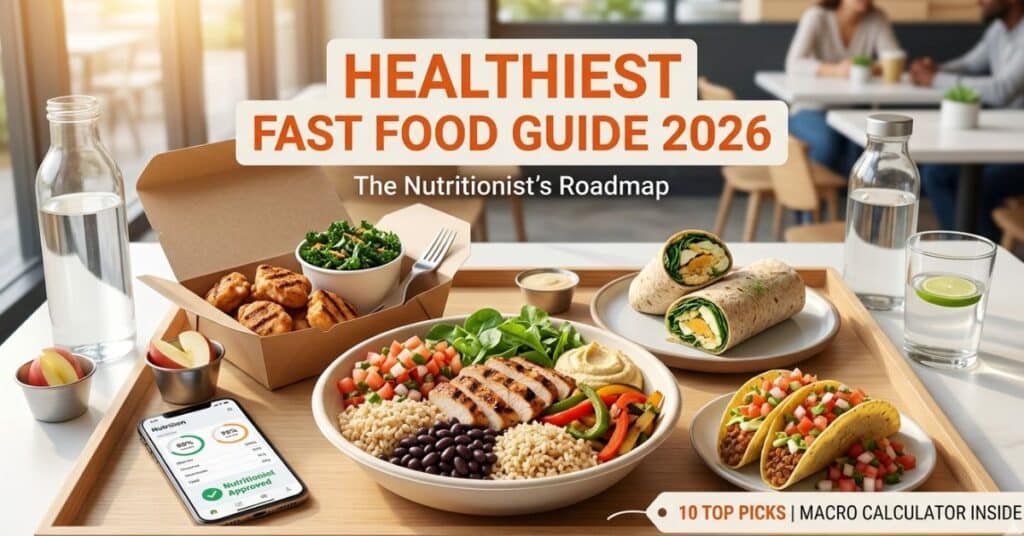
Editor’s Note: This guide has been completely revised and updated for 2026 to reflect the latest menu changes, nutritional data, and healthy ordering hacks at your favorite fast-food chains. Fast food doesn’t have to ruin your diet if you know how to navigate the menu strategically. As a professional nutritionist, I always teach my clients that staying on track with fitness goals is entirely possible, even when you’re busy or on the go. Today, we are diving into how to make smart, high-protein, and guilt-free choices at popular chains like Chipotle, Chick-fil-A, Taco Bell, and Cava. In today’s fast-paced world, the convenience of a drive-thru is hard to ignore. Whether you are a busy professional, a student, or a parent on the go, fast food often becomes a necessity rather than a choice. However, the old belief that “fast food is always junk” is outdated. In 2026, the food industry has evolved, and finding the healthiest fast food is now easier than ever. As a professional nutritionist, I have spent years analyzing menus to help people maintain their fitness goals without sacrificing their social lives. Eating out doesn’t have to be a “cheat meal.” With the right knowledge, you can find low-calorie fast food that tastes great and fuels your body. In this guide, we will dive deep into the best chains, smart ordering hacks, and the nutritional data you need to stay on track. 1. Top 5 Healthiest Fast Food Chains in 2026 Choosing the right restaurant is half the battle. Here are the top performers in the health category this year: A. Chipotle: The King of Customization Chipotle remains a top choice because it offers “real food.” You can see the ingredients being prepared right in front of you. B. Chick-fil-A: Protein Without the Grease Chick-fil-A has mastered the art of grilled chicken. Their menu is a goldmine for high-protein meals. C. Cava: Mediterranean Excellence Cava is the rising star of 2026. Following the Mediterranean diet, they focus on heart-healthy fats and lean proteins. D. Taco Bell: The Budget-Friendly Health Option Believe it or not, Taco Bell is one of the healthiest chains if you use the “Fresco Style” hack. E. Starbucks: More Than Just Coffee Starbucks offers great healthy drive-thru options for breakfast. 2. Nutritional Comparison Table: Best vs. Worst To help you visualize the difference, look at this comparison of common orders. Restaurant Healthy Choice Calories Protein Unhealthy Rival Calories Chick-fil-A Grilled Nuggets (12ct) 200g 38g Spicy Chicken Sandwich 530g McDonald’s Egg McMuffin 310g 17g Big Breakfast w/ Hotcakes 1,340g Chipotle Chicken Bowl (No Rice) 415g 42g Carnitas Burrito (Fully Loaded) 1,200g Subway 6″ Turkey Breast 280g 18g 6″ Meatball Marinara 480g Wendy’s Apple Pecan Salad 460g 39g Baconator Burger 960g 📊 Calculate Your Macros Now 3. Five Essential Fast Food Diet Hacks You can eat almost anywhere if you follow these five professional rules: 4. Personal Nutritionist Tip: The “15-Minute Rule” My Personal Tip: Fast food is engineered to be eaten quickly, which often leads to overeating. My secret tip is to drink 500ml of water before you start eating and take at least 15 minutes to finish your meal. This gives your brain enough time to receive the “fullness” signal from your stomach. Also, never eat in your car; sit down and enjoy the food mindfully. 5. Step-by-Step: How to Build a Healthy Plate Follow these bullets to ensure your fast food meal is balanced: Conclusion: Balance Over Perfection Living a healthy lifestyle in 2026 is not about being perfect; it is about being smart. You can enjoy the healthiest fast food and still reach your weight loss or muscle-building goals. The key is to be an “active chooser” rather than a “passive eater.” Use the tables and hacks provided in this guide to make your next trip to the drive-thru a nutritious one. (FAQs) Q1: Is Subway actually healthy? Subway can be very healthy if you choose 9-grain wheat bread, load up on every vegetable available, and avoid creamy dressings. However, their cookies and chips can quickly turn a healthy sandwich into a high-sugar meal. Q2: What is the lowest calorie burger at McDonald’s? The standard hamburger (without cheese) is around 250 calories. It is the best option if you are craving red meat but want to keep calories low. Q3: How do I handle sodium in fast food? Fast food is notoriously high in salt. To combat this, ensure the rest of your meals for the day are very low in sodium (like fresh fruits and home-cooked oats) and increase your potassium intake through bananas or spinach. Q4: Are salads at fast food places always the best choice? Not always! Some salads at Wendy’s or McDonald’s have more calories than a burger due to the fried chicken toppings and heavy dressings. Always check the nutritional guide. Q5: What is the best drink to order? Aside from water, Unsweetened Iced Tea or Black Coffee are the best choices as they have zero calories. Consult your doctor before starting any diet plan. Author’s Note: As a professional nutritionist, my goal isn’t to tell you to avoid fast food entirely, but to empower you with the knowledge to make smart, macro-friendly choices when life gets busy. Every option highlighted in this guide is selected to help you stay aligned with your health and fitness goals without sacrificing convenience. Kiran

Green Tea Shot: The Ultimate Guide to the Classic Cocktail & Healthy Detox Versions
Weight Loss Drinks

Green Tea Shot: The Ultimate Guide to the Classic Cocktail & Healthy Detox Versions

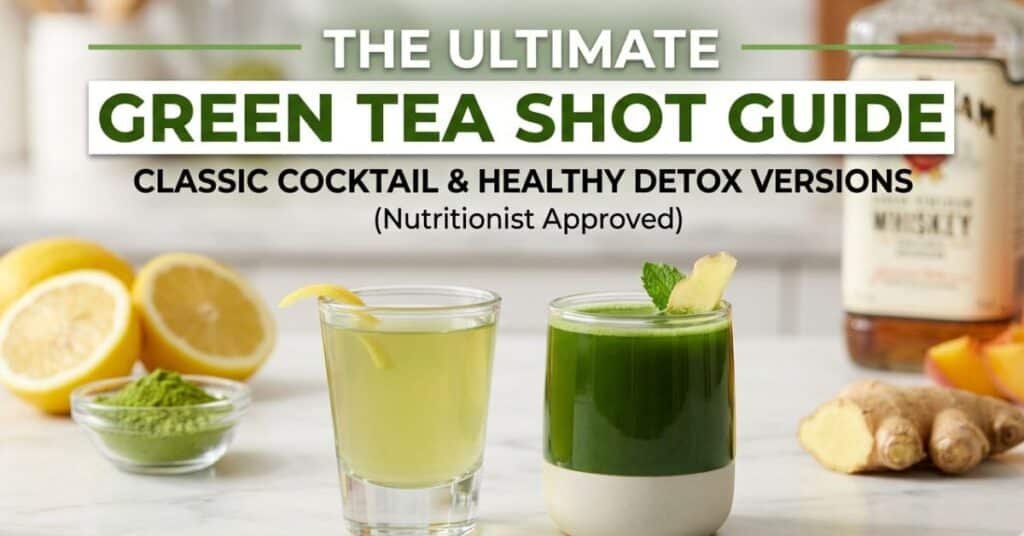
Welcome to prepslim.com! Editor’s Note: The traditional Green Tea Shot is a famous party cocktail, but it contains zero actual green tea. To better serve our health-conscious readers and community goals, we have updated this guide. Alongside the classic party recipe, you will now find a 100% nutritionist-approved, real Matcha Green Tea Wellness Shot designed to boost your metabolism without the extra sugar and empty calories.  I am Kiran, a professional nutritionist, and today we are talking about a drink that has taken both the party scene and the wellness world by storm: the Green Tea Shot. Whether you are browsing social media or looking for a quick weekend drink, you have probably seen this bright, greenish-yellow beverage. But what exactly is it? Is it a fun party drink, or is it a morning health booster? The truth is, it can be both! In this comprehensive guide, we are going to explore everything you need to know. We will cover the famous classic cocktail version that you will find at your local bar, and then, putting my nutritionist hat on, I will share my special, alcohol-free wellness version packed with actual tea. Let’s dive in! What Exactly is a Green Tea Shot? You might be very surprised to learn that the famous bar version of the Green Tea Shot actually contains absolutely zero tea! It gets its name entirely from its appearance. When the ingredients of the classic cocktail are mixed together, they create a light greenish-yellow hue that looks exactly like a freshly brewed cup of green tea. It is believed that this sweet, sour, and highly refreshing drink was popularized by the Jameson Irish Whiskey brand as a creative way to make whiskey more approachable and easy to drink. Because of its fruity taste and smooth finish, it quickly became a massive hit. However, as more people focus on their health and metabolism, a new trend has emerged: creating a literal “green tea” shot using real ingredients for wellness purposes. Today, we are exploring both. The Ultimate Green Tea Shot Dilemma: Party Drink or Wellness Elixir? The classic Green Tea Shot is a beloved party staple, known for its sweet, tangy flavor that somehow tastes exactly like green tea, despite not containing a single leaf of it. But what if you love the refreshing vibe but want something that actually benefits your health? Whether you are here to mix up the perfect weekend cocktail for friends or looking to supercharge your morning routine with a real, metabolism-boosting detox shot, we have you covered. Let’s dive into both versions so you can choose the perfect shot for your goals today! The Classic Party Version: Green Tea Shot Cocktail Recipe If you are hosting a weekend gathering or a dinner party, having a reliable, crowd-pleasing cocktail recipe is essential. This classic version is incredibly popular because it perfectly balances sweet fruitiness with a sharp, sour kick. Ingredients You Will Need To make the classic party shot, gather the following ingredients. These measurements make one large shot, but you can easily multiply them to serve a crowd: Step-by-Step Preparation Looking for a Sugar-Free, Healthy Alternative? While the classic cocktail is a fun treat, it is packed with sugars from the peach schnapps and sour mix. If you are tracking your macros or trying to stay in a fat-burning zone, the traditional recipe might stall your progress. Scroll down to see our Healthy Wellness Version that uses real matcha green tea to give your body a clean energy boost without the liquid calories! The Healthy “Wellness” Green Tea Detox Shot (Real Matcha & Ginger) If you want a real metabolism kick, this is the version you need. Instead of alcohol and artificial syrups, this shot harnesses the power of high-quality Japanese matcha, fresh ginger, and lemon juice. It is packed with antioxidants (EGCG), low in calories, and completely nutritionist-approved! The Healthy “Wellness” Version: Real Green Tea Detox Shot While the cocktail version is great for a party, as a nutritionist, my true passion lies in creating recipes that nourish your body. If you are looking for healthy detox drinks that will actually boost your metabolism and support your weight management goals, this real Green Tea Wellness Shot is for you. Instead of alcohol and sugary syrups, this version uses high-quality matcha (powdered green tea) to give you clean, sustainable energy without the sugar crash. Ingredients You Will Need Step-by-Step Preparation Take Control of Your Progress! While this wellness shot boosts your metabolism, weight loss is all about balance. Use our [Calorie Deficit Calculator] to find out exactly how many calories you should be eating daily to hit your target weight safely! Deep Dive: The Health Benefits of Green Tea Why should you incorporate the wellness version into your routine? The health benefits of green tea, particularly matcha, are backed by extensive scientific research. When you drink matcha, you are consuming the entire tea leaf, which means you get a highly concentrated dose of nutrients. Here is what it does for your body: Comparing the Two: Nutritional Breakdown To help you make an informed decision based on your dietary goals, let’s look at the nutritional differences between the two variations. Nutritional Fact Classic Party Cocktail Healthy Wellness Shot Total Calories 110 – 120 kcal 15 – 20 kcal Total Sugars 12g – 15g 2g – 5g (Natural from honey) Carbohydrates 14g 3g Alcohol Content Approx. 15% ABV 0% (Alcohol-Free) Antioxidant Level Very Low Extremely High Best Time to Drink Evening / Weekends Morning / Pre-workout Variations to Suit Your Dietary Needs Everybody is different, and you might need to tweak these recipes to fit your lifestyle. Here are some easy modifications: Kiran’s Personal Nutritionist Tip My Personal Tip: When making a healthy wellness shot, never use boiling water for your matcha! Boiling water burns the delicate tea leaves, which makes the drink taste terribly bitter and actually destroys some of the heat-sensitive antioxidants. Always use warm water (around 175°F or 80°C) to

The Ultimate Guide to Pre-Workout Drinks: Boost Your Energy, Focus, and Performance
Weight Loss Drinks

The Ultimate Guide to Pre-Workout Drinks: Boost Your Energy, Focus, and Performance

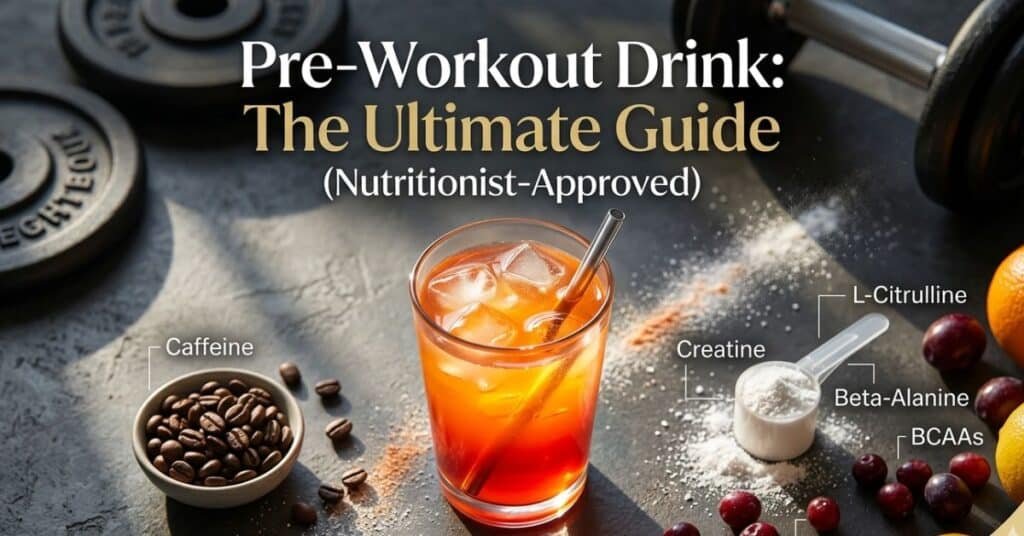
Editor’s Note: At PrepSlim, we believe in transparent, science-backed fitness advice. This comprehensive guide has been meticulously reviewed and updated for 2026 to reflect the latest nutritional research on pre-workout compounds. Our goal is to help you optimize your training safety and performance without the marketing fluff. In the fitness world, the journey to a perfect physique doesn’t start at the gym; it starts in your kitchen. If you have ever felt sluggish during your squats or lost focus during a cardio session, your pre-workout nutrition might be the culprit. A pre workout drink is not just a trend, it is a functional tool designed to prime your body for physical and mental stress. As a nutritionist, I often see people spending hours on their workout routines while neglecting the fuel that makes those routines effective. In this guide, we will explore the science, the ingredients, and the best practices for pre-workout supplementation. 1. What exactly is a Pre-Workout Drink? A pre-workout drink is a beverage either natural or a powdered supplement consumed 30 to 60 minutes before physical activity. Its primary goal is to provide ergogenic aids, which are substances that enhance energy production, use, or recovery. By stimulating your central nervous system and increasing blood flow to your muscles, these drinks help you push past your normal limits. Whether you are a bodybuilder, a runner, or someone just starting their fitness journey, understanding this fuel is essential. The 30-Second Bottom Line: Who Needs It? Before diving into the complex science, let’s simplify your goal. You do not need an expensive supplement if you are doing light yoga or a casual walk. However, if your goal is pushing heavy weights, high-intensity interval training (HIIT), or breaking endurance plateaus, a structured pre-workout strategy is your best shortcut to faster results. It bridges the gap between mental fatigue and physical execution. 2. The Science of Ingredients: What’s Inside? To ensure your blog meets high authority standards, we must look at the specific compounds that make these drinks work. Here are the “Big Five” ingredients you should look for: A. Caffeine (The Energy Catalyst) Caffeine is the most widely researched stimulant. It blocks adenosine receptors in your brain, which prevents you from feeling tired. This leads to increased alertness and a higher pain threshold during intense lifting. B. Beta-Alanine (The Endurance Buffer) Have you ever felt a “tingling” sensation after a pre-workout? That’s Beta-Alanine. It helps produce carnosine, a molecule that buffers acid in your muscles. This reduces the “burn” you feel during high-reps, allowing you to train longer. C. L-Citrulline (The Pump Master) L-Citrulline increases nitric oxide production in the body. Nitric oxide causes vasodilation (widening of blood vessels), which means more oxygen and nutrients reach your muscles. This results in better muscle “pumps” and faster recovery. D. Creatine Monohydrate (The Power Source) Creatine helps your muscles produce energy during heavy lifting or high-intensity exercise. It is one of the most effective supplements for increasing muscle mass and strength over time. E. Branched-Chain Amino Acids (BCAAs) BCAAs (Leucine, Isoleucine, and Valine) are the building blocks of protein. Taking them before a workout helps prevent muscle breakdown, especially if you are training in a fasted state. 3. Comparison: Natural vs. Commercial Supplements Not everyone needs a colorful tub of powder from a supplement store. Depending on your goals, natural options might be better. Pre-Workout Comparison Table Feature Natural Options (e.g., Coffee/Beetroot) Commercial Supplements Main Ingredients Caffeine, Nitrates, Glucose Caffeine, Beta-Alanine, Citrulline Cost Very Affordable Moderate to High Side Effects Minimal (mostly caffeine-related) Tingling, Jitters, High Heart Rate Convenience Requires preparation Instant (mix with water) Best For Beginners & Health-conscious users Advanced athletes & Bodybuilders The True Cost: Budget vs. Premium Blends When evaluating user intent, cost-efficiency is a major factor. Commercial pre-workout tubs typically range from $30 to $60, translating to roughly $1 to $2 per serving. On the flip side, a homemade black coffee or a customized beetroot shot costs less than $0.50 per serving. If you are budget-conscious, starting with high-quality whole foods or natural caffeine is highly recommended before investing in premium tubs. 4. Why You Should Use a Pre-Workout Drink If you are still on the fence, here are the primary benefits organized by how they impact your body: 5. Potential Side Effects and Safety As a professional, I must emphasize that more is not always better. Pre-workout side effects can occur if you exceed the recommended dosage: 6. Nutrition Facts: What’s in a Serving? Below is a standard nutrition breakdown for a typical high-quality pre-workout serving (approx. 15g). Standard Nutrition Table Nutrient/Compound Amount per Serving % Daily Value Calories 5 – 15 kcal < 1% Total Carbohydrates 1g – 3g 1% Caffeine Anhydrous 150mg – 300mg N/A L-Citrulline Malate 6,000mg N/A Beta-Alanine 3,200mg N/A Vitamin B12 50mcg 2083% Sodium 100mg 4% Tailoring to Your Specific Goal: Weight Loss vs. Muscle Gain Your ideal pre-workout drink depends entirely on your fitness transformation path: 7. Step-by-Step: My Favorite Homemade Pre-Workout Recipe If you want a homemade pre workout recipe that is effective and clean, follow these steps: Mix well and consume 30 minutes before your workout! 8. My Personal Nutritionist Tip Personal Tip: Don’t rely on pre-workout every single day. Your body can build a tolerance to caffeine, making the supplement less effective over time. I recommend “cycling” your pre-workout use it only on your hardest training days (like Leg Day) and stick to water or light green tea on easier days. This keeps your central nervous system fresh! Take Action: Align Your Drinks With Your Body Type Knowing what ingredients to take is only half the battle; knowing how much your body actually requires is where true progress happens. Before choosing your pre-workout dosage, head over to our customized [Macro Calculator] on PrepSlim. It will instantly calculate your daily caloric needs and precise carbohydrate ratios, ensuring your pre-workout meal or drink fits perfectly into your daily macro targets without accidental overeating. 📊 Calculate Your Macros Now Conclusion

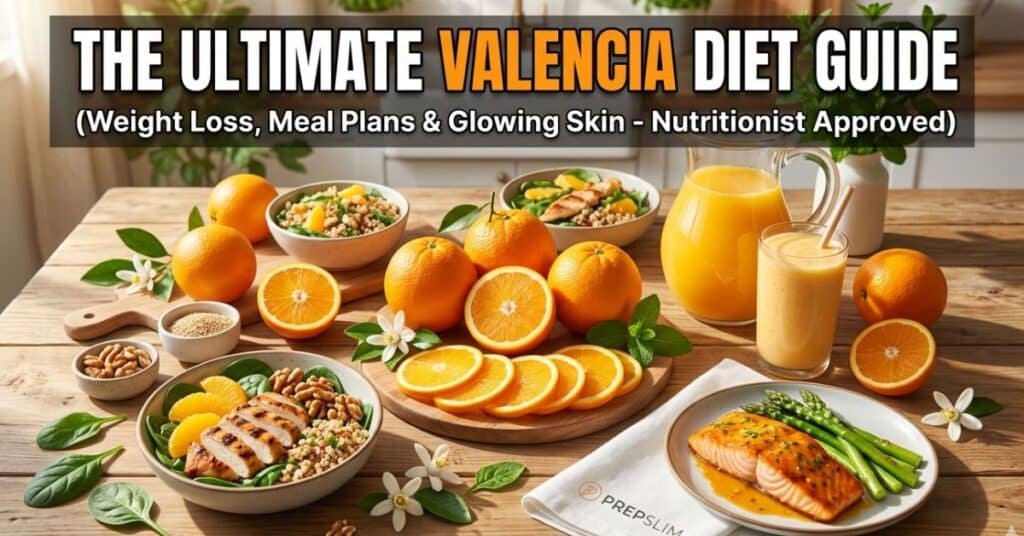
The Complete Valencia Diet Guide: Weight Loss, Meal Plans, and Glowing Skin
Weight Loss & Diet Plans

The Complete Valencia Diet Guide: Weight Loss, Meal Plans, and Glowing Skin

Editor’s Note: At Prepslim, we believe that sustainable health is built on a foundation of scientific clarity and practical tools. To help you maximize the benefits of the Valencia Diet, this guide has been enhanced with our custom interactive tracking tools and professionally curated visual meal preps. Our goal is to bridge the gap between nutritional theory and your daily kitchen routine. Hello everyone, and welcome to prepslim.com! As a professional nutritionist, my goal is to provide you with the most accurate, practical, and easy-to-follow health information. Today, we are exploring a bright, refreshing, and incredibly effective approach to healthy eating: the Valencia Diet. If you have been looking for healthy meal prep ideas that do not feel restrictive or boring, you are in the right place. Our focus here is purely on providing you with the best nutritional guides and information to help you succeed naturally. Let’s dive deep into how this simple citrus fruit can transform your daily routine, boost your energy, and help you reach your fitness goals. While most diets give you strict, generic rules, the Valencia Diet focuses on nutrient density, natural hydration, and realistic calorie management. To make your journey practical from day one, we haven’t just listed the meal plans, we’ve integrated a custom Calorie Deficit Calculator and real-life visual meal prep setups below to help you figure out your exact daily intake while enjoying these citrus-infused, high-protein recipes What is the Valencia Diet? The Valencia Diet is not a starvation plan or a strict set of rules. Instead, it is a balanced, lifestyle-friendly eating guide centered around the amazing Valencia orange benefits. Valencia oranges are famous for their high juice content, sweet flavor, and vibrant color. They peak during the warmer months, making them the ultimate summer fruit. This diet encourages you to replace processed sugary snacks with fresh Valencia oranges while building your main meals around high-quality proteins, healthy fats, and complex carbohydrates. It is a natural citrus weight loss plan designed to keep you hydrated, full, and energized throughout the day. The Incredible Health Benefits Adding this beautiful fruit to your daily diet does much more than just satisfy your sweet tooth. Here is a detailed look at the health benefits: How the Valencia Diet Helps With Weight Loss A common question I get in my practice is, “Can I really lose weight by eating sweet fruits?” The answer is absolutely yes! Here is how the Valencia Diet supports healthy, sustainable weight loss: Weight loss on the Valencia Diet isn’t magic; it comes down to metabolic efficiency and structured portion control. Because Valencia oranges are packed with natural fiber and high water content, they naturally satisfy sugar cravings while keeping you full. However, to see consistent results, your nutritional framework must be backed by data. That is why combining this diet with a precise deficit tracking tool is essential. By understanding your specific maintenance baseline, you can seamlessly enjoy our high-protein citrus meals without guesswork. My Personal Tip for Success Nutritionist’s Tip: One of the biggest secrets to making this diet work is preparation. Do not wait until you are starving to decide what to eat. Wash and slice your Valencia oranges on Sunday evening and store them in clear glass containers in your fridge. When you open the fridge door looking for a snack, the first thing you will see is a beautifully prepared, hydrating fruit instead of reaching for processed junk food. Visual cues are everything in weight loss! Calculate Your Custom Valencia Diet Goals Ready to put the Valencia Diet into action? Use our interactive calculator below to find your specific weight loss numbers. Simply enter your age, weight, and height to instantly discover your maintenance baseline and the target calories needed for a healthy, structured deficit. Pair this number with the 7-day meal plan provided below to kickstart your progress! Calculate My Calories The Ultimate 7-Day Valencia Diet Meal Plan To help you get started, I have created a comprehensive 7-day meal plan. This chart focuses on high-protein, balanced meals that are easy to prepare. Day Breakfast Lunch Dinner Snacks Monday 1 Valencia orange, 2 boiled eggs, whole-wheat toast. Grilled chicken salad with spinach and orange slices. Baked salmon with roasted broccoli and quinoa. Handful of almonds. Tuesday Oatmeal topped with Valencia orange zest and chia seeds. Tuna salad wrapped in whole-grain tortillas. Lean turkey meatballs with zucchini noodles. Greek yogurt. Wednesday 1 glass fresh Valencia juice (with pulp) & scrambled eggs. Lentil soup with a side of mixed green salad. Grilled chicken breast with sweet potato mash. 1 whole Valencia orange. Thursday Protein smoothie (spinach, protein powder, half an orange). Quinoa bowl with chickpeas, cucumbers, and lemon dressing. Baked white fish with asparagus and brown rice. Walnuts and green tea. Friday 1 Valencia orange, cottage cheese, and a few berries. Grilled chicken wrap with hummus and fresh veggies. Stir-fried tofu or chicken with bell peppers. 1 small apple. Saturday Whole-grain pancakes topped with pureed orange sauce. Leftover stir-fry or a large vegetable salad with egg. Grilled steak (lean cut) with roasted carrots. 1 Valencia orange. Sunday 1 Valencia orange and a veggie-packed omelet. Grilled chicken and quinoa bowl. Baked salmon with a side of steamed green beans. Handful of mixed nuts. Valencia Diet Special: Healthy & High-Protein Recipes Include these recipes in your weekly meal prep to make your weight loss journey more flavorful. 1. Valencia Citrus & Grilled Chicken Salad This salad is perfect for lunch as it is rich in protein and fiber. 2. 5-Minute Valencia Protein Smoothie This smoothie will keep you energized all day long, whether after a workout or for breakfast. 3. Baked Orange-Glazed Fish (or Paneer) This is a light and nutrient-dense option for dinner. Nutrition Facts Table To keep track of your macros, here is the nutritional breakdown of one medium-sized Valencia orange (approximately 121 grams): Nutrient Amount per Medium Orange Daily Value (%) Calories 60 kcal – Total Fat 0.2 g 0% Sodium 0 mg 0%

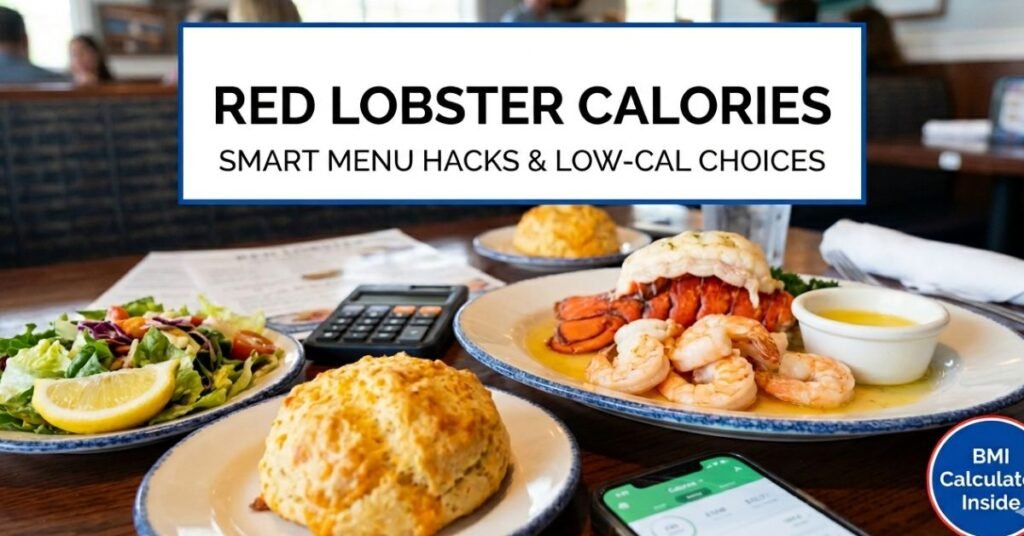
Red Lobster Calories: Your Ultimate Guide to Smart and Healthy Eating
Weight Loss & Diet Plans

Red Lobster Calories: Your Ultimate Guide to Smart and Healthy Eating

By Kiran | PrepSlim.com Seafood is often praised as one of the healthiest food choices you can make. It is packed with lean protein, essential vitamins, and heart-healthy Omega-3 fatty acids. However, when you decide to dine out at a popular restaurant like Red Lobster, keeping track of your nutrition can suddenly become a massive challenge. Hidden butter, creamy sauces, and deep-fried platters can quickly turn a perfectly healthy seafood dinner into a high-calorie feast that derails your diet plan. As a professional nutritionist, I work with clients every day who struggle to balance their love for restaurant meals with their weight loss and fitness goals. You do not have to avoid your favorite restaurants to stay in shape. You just need the right information to make empowered choices. In this comprehensive guide on Red Lobster menu nutrition, I am going to break down everything you need to know. We will look at the exact calorie counts, explore the best low-calorie meals, highlight keto-friendly dishes, and expose the hidden high-calorie traps. Let’s dive in and learn how to navigate the menu like a pro! 1. The Reality of the Cheddar Bay Biscuit Before you even look at the main menu, the server usually brings out a warm, complimentary basket of Cheddar Bay Biscuits. They smell amazing, and they are incredibly hard to resist. But if you are serious about managing your weight, you need to understand the calorie impact of these famous starters. Nutritionist’s Personal Tip: When I visit Red Lobster, I allow myself to enjoy exactly one biscuit. I savor every single bite. Once everyone at the table has had their share, I kindly ask the server to remove the basket from our table. Out of sight means out of mind, and this simple trick saves hundreds of unnecessary calories! 2. Comprehensive Red Lobster Nutrition Tables To help you make the best possible decisions, I have categorized the menu into easy-to-read tables. This E-E-A-T friendly data will allow you to quickly compare items and build a meal that fits perfectly into your daily calorie goals. Table A: Starters and Appetizers When picking a starter, aim for options that are high in protein but low in saturated fats. Appetizer Option Calories Fat (g) Protein (g) Carbs (g) Signature Shrimp Cocktail 130 1g 21g 8g White Wine & Garlic Mussels 580 36g 31g 28g Mozzarella Cheesesticks 820 48g 32g 64g Crab-Stuffed Mushrooms 380 25g 15g 21g Table B: Main Seafood Entrées Your main course should be the star of your nutritional profile. Focus on grilled or steamed options. Main Entrée Option Calories Fat (g) Protein (g) Carbs (g) 7 oz. Sirloin Steak 260 10g 37g 0g Garlic Shrimp Scampi 440 35g 24g 5g Atlantic Salmon (Grilled) 540 37g 49g 1g Walt’s Favorite Shrimp 550 29g 25g 46g Live Maine Lobster (Steamed) 300 2g 62g 3g Admiral’s Feast (Fried) 1420 81g 72g 92g Table C: Side Dishes Sides can either save your meal or ruin your diet. Choose wisely! Side Dish Option Calories Fat (g) Protein (g) Carbs (g) Fresh Steamed Broccoli 40 0g 3g 6g House Salad (No Dressing) 100 5g 3g 12g French Fries 270 12g 3g 36g Baked Potato (Plain) 350 0g 8g 78g Cheddar Mac and Cheese 480 28g 16g 42g 3. The Best Low-Calorie Meals Under 500 Calories You absolutely do not need to starve to see weight loss results. Red Lobster offers fantastic healthy seafood options that are flavorful, filling, and completely diet-friendly. Here are the top meals you can order that stay under the 500-calorie mark: 4. High-Protein & Keto Friendly Red Lobster Choices If you are following a ketogenic diet or working hard in the gym to build muscle, your priority is finding high protein and low carbohydrate meals. Red Lobster is actually a great place for keto dieters if you follow these rules: 5. High-Calorie Traps: The Meals You Must Avoid Some dishes on the menu sound innocent but are secretly packed with more calories than you should eat in an entire day. As a rule of thumb, avoid anything described as “crispy,” “battered,” “stuffed,” or “creamy.” ⚖️ Check Your BMI Now 6. Step-by-Step Guide: How to Order Like a Nutritionist You are always in control of your plate. Use these bullet points as a mental checklist the next time you sit down at the restaurant: Final Thoughts Maintaining your health and losing weight does not mean you have to stop enjoying life or eating out with your family and friends. Red Lobster has a fantastic variety of high-quality, nutritious seafood. By avoiding the deep-fried traps, managing your biscuit portions, and prioritizing lean proteins with green vegetables, you can enjoy a wonderful dining experience that perfectly aligns with your fitness goals. Remember, every meal is an opportunity to nourish your body. Make smart choices, enjoy your food, and keep moving forward on your wellness journey! (FAQs) Q1: What is the absolute lowest calorie meal I can order at Red Lobster?  The lowest calorie option is the Signature Shrimp Cocktail (130 calories) paired with a side of steamed fresh broccoli (40 calories). Together, this makes a highly nutritious, protein-packed meal for only 170 calories. Q2: Are the Cheddar Bay Biscuits bad for a weight loss diet?  No single food is “bad,” but they are very calorie-dense. At 160 calories per biscuit, eating multiple biscuits will easily push you out of a calorie deficit. Limit yourself to one, and adjust the rest of your meal accordingly. Q3: Is the Garlic Shrimp Scampi healthy?  It is a moderate option. While it provides good protein (24g) and only 5g of carbs, it is quite high in fat (35g) due to the garlic butter sauce. It can fit into a healthy diet if you pair it with very light side dishes. Q4: Can I eat keto at Red Lobster?  Yes, it is very easy! Order grilled salmon, steamed lobster, or a sirloin steak. Swap all starchy sides (like fries or rice) for broccoli or a side salad.

The Ultimate Guide: How to Meal Prep for Weight Loss (2026 Edition)
meal prep

The Ultimate Guide: How to Meal Prep for Weight Loss (2026 Edition)

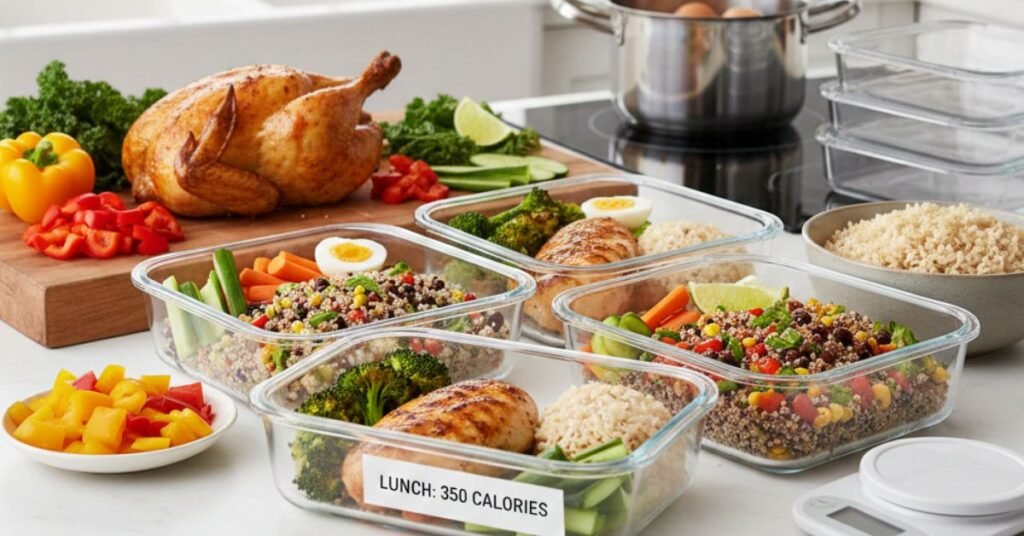
Editor’s Note (Updated for 2026): Welcome back! We have completely refreshed this guide with the latest 2026 nutritional science, including new research on gut health, metabolism, and smart meal-tracking tools. Whether you are a beginner or looking to optimize your current routine, these updated strategies will help you achieve faster, more sustainable weight loss results. Happy prepping! Kiran Losing weight is often portrayed as a battle of willpower, but in reality, it is a battle of environment. If you are surrounded by unhealthy options when hunger strikes, you are likely to succumb to them. This is where meal prepping becomes your secret weapon. By learning how to meal prep for weight loss, you shift from reactive eating to proactive nourishing. In this comprehensive 1,000-word guide, we will explore the science, the strategy, and the practical steps to make meal prepping a permanent part of your lifestyle. The Modern Shift: Gut Health and Metabolism in 2026 Weight loss is no longer viewed strictly through the lens of calories-in versus calories-out. Latest nutritional research emphasizes the critical role of the gut microbiome in regulating metabolism and fat storage. When planning your weekly meals, it is essential to focus on incorporating diverse, prebiotic-rich plant fibers such as asparagus, garlic, leeks, and oats alongside your clean protein. A healthy, diverse gut microbiome actively reduces systemic inflammation, fixes metabolic sluggishness, and makes sustainable weight loss significantly easier to achieve over time. 1. The Science of Meal Prepping and Weight Loss Weight loss fundamentally requires a caloric deficit burning more energy than you consume. However, counting calories on the fly is stressful and often inaccurate. Meal prepping solves this by: 2. Setting Your Foundations: The Essential Keywords To make this work, you need to understand five core pillars of successful weight loss prepping: 3. Step-by-Step Guide to Your First Prep Phase 1: The Planning (Friday/Saturday) Don’t jump into the kitchen without a map. Start by picking two protein sources (e.g., chicken and chickpeas), two grains (e.g., brown rice and sweet potatoes), and four vegetables. Phase 2: The Smart Shopping Trip Using your meal prep grocery list, shop the “perimeter” of the store. This is where the fresh produce, meat, and dairy live. Phase 3: The Prep Session (Sunday) You don’t need all day. With healthy batch cooking, you can finish in 90 minutes: 4. The “Formula” for a Weight Loss Meal Every container you pack should follow a specific nutritional hierarchy to maximize fat loss: Component Role Examples Volume (50%) Fills the stomach with fiber Broccoli, Zucchini, Kale, Cauliflower Protein (25%) Muscle repair & Satiety Turkey, Tofu, Eggs, Lean Beef, Lentils Fuel (25%) Brain energy Quinoa, Brown Rice, Berries, Legumes Flavor (Small Amount) Satisfaction Hummus, Salsa, Avocado, Lemon-Tahini Maximizing Fat Burn with Anti-Inflammatory Ingredients To take your meal prep results a step further, integrate anti-inflammatory spices and healthy fats into your weekly cooking routine. Chronic cellular inflammation can quietly stall weight loss by causing insulin resistance. By seasoning your batch-cooked proteins with turmeric (always paired with black pepper for maximum absorption), ginger, and fresh garlic, you actively lower your body’s stress levels. Additionally, replacing refined cooking oils with extra virgin olive oil or avocado oil in your containers protects heart health and keeps you feeling full for hours. 5. Storage and Food Safety  To maintain the trustworthiness of your food, you must handle it correctly. 6. Overcoming Common Obstacles “I get bored of eating the same thing” This is the biggest hurdle in low-calorie meal plans. The solution is “Component Prepping” rather than “Meal Prepping.” Instead of making five identical bowls of Chili, prep roasted chicken, roasted peppers, and rice. On Monday, make it a burrito bowl with salsa. On Tuesday, add soy sauce for a stir-fry. Same ingredients, different flavors. “I don’t have enough time” If you can’t spare two hours on a Sunday, try “Buffet Prepping.” Just wash and chop your vegetables and marinate your meat. Even if you still have to cook daily, having the “work” (chopping and cleaning) done reduces the barrier to healthy eating. 7. Budget-Friendly Meal Prep Hacks Weight loss is often perceived as a “luxury,” but budget-friendly meal prep proves otherwise. 7. Utilizing Smart Tech and AI for Precision Prepping In 2026, meal prepping has officially gone high-tech. You no longer have to manually calculate every single macro or calorie on a piece of paper. Utilizing personalized nutrition apps and Bluetooth-enabled smart kitchen scales can completely streamline your entire prep process. These modern tools allow you to weigh your raw ingredients and instantly generate highly accurate nutritional breakdowns for your containers. Embracing this technology removes the guesswork, ensuring your low-calorie meal plans stay perfectly aligned with your changing fitness data and weight loss milestones. Calculate My Calories 8. Conclusion: Your 3-Day Challenge Don’t try to prep for the whole month today. Start small. Meal prepping for weight loss isn’t about perfection; it’s about giving your future self a helping hand. When you open that fridge and see a colorful, balanced meal waiting for you, you aren’t just looking at food, you’re looking at a plan that guarantees your success. (FAQs) Q1: How long does meal prep last in the fridge?  Generally, most cooked meals (chicken, grains, roasted veggies) are safe and tasty for 3 to 4 days. For a full week, prep on Sunday and do a “mini-prep” on Wednesday. Q2: Can I freeze my prepped meals?  Yes! Soups, stews, and cooked meats freeze very well. Avoid freezing raw watery vegetables like lettuce or cucumbers as they become mushy. Q3: Is meal prep expensive?  Not at all. In fact, budget-friendly meal prep is cheaper than buying lunch daily. Buying in bulk and using seasonal produce significantly lowers your cost per meal. Q4: How do I stop my food from getting soggy?  Keep your sauces and dressings in separate small containers. Also, ensure your food is completely cool before putting the lid on to avoid steam condensation. Q5: What are the best containers for weight loss meal prep?  Glass

Scroll to Top