prepslim.com

Author name: Kiran

1500 Calorie Daily Menu: Your Comprehensive Roadmap to Healthy Weight Management
Weight Loss & Diet Plans

1500 Calorie Daily Menu: Your Comprehensive Roadmap to Healthy Weight Management

Reaching your fitness milestones doesn’t require extreme hunger or bland food. A 1500 calorie meal plan offers a nutritionally balanced strategy, providing your body with essential fuel while maintaining a steady calorie deficit to encourage fat loss. This guide delivers a practical 7-day schedule, essential grocery insights, and professional tips to help you embrace a more vibrant, healthy eating habit. Why Opt for a 1500 Calorie Strategy? Most adults need roughly 2,000 to 2,500 calories to maintain their current size. By adjusting your intake to 1,500, you trigger a natural process where the body utilizes stored energy (fat). Mastering Your Plate: Essential Food Groups To maximize satiety (feeling full) on 1,500 calories, prioritize nutrient-dense foods that offer high volume for low calories.  What to Emphasize  What to Avoid Structured 7-Day Meal Schedule This curated 7-day diet chart ensures a balanced intake of macro and micronutrients daily. Day Breakfast (350 Cal) Lunch (450 Cal) Dinner (450 Cal) Snacks (250 Cal) Mon Two poached eggs on rye toast Zesty grilled chicken & bean salad Pan-seared salmon with quinoa Apple slices + almond butter Tue Cinnamon oats with fresh berries Turkey breast & avocado green wrap Traditional Lentil Stew (Dal) Low-fat Greek yogurt Wed Nut and berry yogurt parfait Flaked tuna over a garden salad Lean chicken & veggie stir-fry 1 Pear + 3-4 walnuts Thu Herb & feta cheese omelet Warm chickpea and kale bowl Grilled lean steak with broccoli Light cottage cheese cup Fri Green protein-packed smoothie Roast beef & mustard whole-grain sandwich Baked white fish & sweet potato Carrots with hummus dip Sat Flourless banana-oat pancakes Egg and celery protein salad Lemon-herb chicken with brown rice A bowl of mixed berries Sun Sautéed mushrooms on toast Mediterranean grain & veggie bowl Light vegetable curry with 1 roti Lightly salted popcorn Strategic Tips for Consistent Success Meal prepping for weight loss is the backbone of any successful transformation. Consider these professional habits: Conclusion A 1500 calorie meal plan is more than a temporary fix; it is a blueprint for a disciplined and healthy eating habit. By centering your diet around whole foods and high-protein meals, you can reshape your physique while feeling energized. Start your transformation today! (FAQs) Q: Is 1500 calories appropriate for everyone? While effective for sustainable weight loss, your specific needs depend on age, height, and activity. Athletes may require a higher threshold to maintain performance. Q: Can I still enjoy tea or coffee? Absolutely. Plain tea and black coffee are excellent zero-calorie options.8 Be mindful of sweeteners and full-fat milk, as they can quickly erase your calorie deficit. Q: How should I handle an “off” day or overeating? Do not overcompensate by starving yourself the next day. Return to your scheduled routine immediately. Long-term consistency is more powerful  than a single day’s mistake.

The Ultimate Guide to the Perfect Overnight Oats Recipe
Recipes

The Ultimate Guide to the Perfect Overnight Oats Recipe

In the fast-paced world we live in, finding a balance between a busy schedule and a healthy lifestyle can feel like an uphill battle. We’ve all been there: hitting the snooze button too many times and eventually grabbing a sugary muffin or a greasy breakfast sandwich on the way to work. However, there is a simple, science-backed solution that has revolutionized mornings for millions: Overnight Oats. As someone who has spent years perfecting the art of healthy breakfast meal prep, I can confidently say that overnight oats are the most versatile and efficient breakfast option available today. What exactly are Overnight Oats? Unlike traditional oatmeal that is simmered on a stovetop or zapped in a microwave, overnight oats are not “cooked” in the traditional sense. Instead, the process involves soaking raw oats in a liquid for several hours. During this soaking period, the oats undergo a process of hydration. They absorb the liquid, softening into a creamy, pudding-like consistency that is both satisfying and easy to digest. This method preserves the nutritional integrity of the ingredients, as no high heat is applied, making it a favorite for health enthusiasts. The Core Science: The Perfect Overnight Oats Ratio The most common mistake beginners make is getting the consistency wrong. Too much liquid results in “oat soup,” while too little leaves the oats chalky and dry. After testing dozens of variations, I have found the “Golden Ratio” that ensures a creamy texture every time. The standard Overnight oats ratio is: $$\text{Oats} : \text{Liquid} = 1 : 1$$ Pro Tip: For a thicker, more custard-like consistency, add a tablespoon of chia seeds. Chia seeds absorb up to 10 times their weight in liquid, creating a rich texture while adding a massive boost of Omega-3 fatty acids. Ingredients: Choosing the Best Components To create an elite-level breakfast, you must start with the right materials. Not all oats are created equal. 1. The Oats Best oats for overnight oats are undoubtedly Old-Fashioned Rolled Oats. 2. The Liquid Base This is where you can cater to dietary needs. If you are looking for Vegan overnight oats recipes, you can use: 3. Add-ins for Texture and Health Step-by-Step Instructions Easy Overnight Oats for Weight Loss If your goal is shedding pounds, overnight oats are your secret weapon. Because they are a “resistant starch,” they digest more slowly than cooked oats, which helps in maintaining stable blood sugar levels. Strategies for Weight Loss: Flavor Variations: Never Get Bored One of the reasons people fail at healthy breakfast meal prep is boredom. Use this table to rotate your flavors throughout the week: Popular Flavor Combinations Flavor Profile Key Ingredients to Add Best For PB & J 1 tbsp Peanut Butter + 1/4 cup Smashed Berries Kids & Athletes Apple Pie 1/2 Grated Apple + 1/2 tsp Cinnamon Cozy Mornings Tropical 1/4 cup Mango + 1 tbsp Coconut Flakes Summer Days Choco-Berry 1 tsp Cocoa Powder + Fresh Strawberries Dessert Lovers Protein Power 1 scoop Whey/Plant Protein + Sliced Almonds Post-Workout Storage and Safety As an expert in meal prepping, I highly recommend following these safety guidelines to ensure your food stays fresh and nutritious: Conclusion The overnight oats recipe is more than just a food trend; it is a practical, nutritious, and delicious way to reclaim your mornings. By mastering the overnight oats ratio and experimenting with vegan overnight oats recipes, you can create a breakfast that fuels your body and satisfies your taste buds. Frequently Asked Questions (FAQs) Q: Can I use water instead of milk? A: Yes, but the result will be much less creamy and flavorful. If using water, I recommend adding a dollop of yogurt to compensate for the texture. Q: Are overnight oats gluten-free? A: Oats are naturally gluten-free, but they are often processed in facilities that handle wheat. If you have Celiac disease, ensure the label explicitly states “Certified Gluten-Free.” Q: Do I have to use chia seeds? A: No, but without them, the oats will be more “liquid-heavy.” Flax seeds are a good alternative.

1800 Calorie Meal Plan: Your Complete Guide to Healthy Weight Management
Weight Loss & Diet Plans

1800 Calorie Meal Plan: Your Complete Guide to Healthy Weight Management

Are you looking for a practical way to manage your weight while enjoying nutritious meals? An 1800 calorie meal plan might be the perfect solution. This comprehensive guide will help you understand how to create a balanced, sustainable eating strategy that supports your health goals. What Is an 1800 Calorie Meal Plan? An 1800 calorie meal plan is a structured eating approach that limits daily caloric intake to approximately 1800 calories. This calorie deficit meal plan provides sufficient energy for daily activities while creating conditions for healthy weight loss or maintenance, depending on your individual needs. Unlike restrictive fad diets, this healthy eating plan focuses on nutrient-dense foods that nourish your body without leaving you feeling deprived or constantly hungry. Who Should Follow This Plan? An 1800 calorie diet is particularly well-suited for: Key Benefits Benefit Description Sustainable Weight Loss Steady fat loss without extreme hunger Metabolic Health Improved blood sugar and insulin sensitivity Heart Health Better cholesterol and blood pressure management Increased Energy Consistent energy throughout the day Better Portion Control Enhanced awareness of appropriate serving sizes Understanding Your Daily Nutrition Macronutrient Breakdown For optimal results on an 1800 calorie diet, focus on this balanced nutrition approach: Macronutrient Daily Amount Calories Key Sources Carbohydrates 140-211g 560-844 Whole grains, fruits, vegetables Protein 90-158g 360-632 Lean meats, fish, eggs, legumes Fats 40-70g 360-630 Nuts, avocados, olive oil, fatty fish Fiber 25-30g – Vegetables, fruits, whole grains Daily Food Group Servings Sample 1-Day Meal Plan Here’s what a typical day looks like on an 1800 calorie meal planning for weight management program: Daily Meal Distribution Meal Calories Sample Menu Breakfast 400-450 2 scrambled eggs, whole wheat toast, berries, low-fat milk Morning Snack 150 Apple with 1 tbsp almond butter Lunch 500-550 Grilled chicken salad, quinoa, mixed vegetables, vinaigrette Afternoon Snack 150 Greek yogurt with granola Dinner 600 Baked salmon, roasted sweet potato, steamed broccoli Optional Treat 200 Dark chocolate with strawberries Quick Meal Ideas by Category Breakfast Options (400-500 calories) Lunch Ideas (500-600 calories) Dinner Suggestions (600 calories) Smart Snack Choices (150 calories or less) Tips for Long-Term Success Following these strategies will help you maintain your weight loss diet effectively: Essential Success Strategies: Meal Planning Checklist Use this quick checklist when planning your meals: Conclusion An 1800 calorie meal plan offers a balanced, sustainable approach to weight management without extreme restrictions. By focusing on nutrient-dense whole foods, appropriate portions, and satisfying combinations of protein, fiber, and healthy fats, you can achieve your health goals while enjoying delicious meals. Remember that individual needs vary, and what works for one person may need adjustment for another. Success comes from consistency, not perfection. Focus on making gradual, sustainable changes, stay hydrated, include regular physical activity, and be patient throughout the process. Frequently Asked Questions (FAQs) 1. Will I lose weight on 1800 calories per day? Yes, most women and some men will experience gradual weight loss on 1800 calories, especially when combined with moderate physical activity. The rate depends on your current weight, metabolism, and activity level. Expect to lose 1-2 pounds per week safely. 2. Is 1800 calories too low for me? It depends on your individual factors. Moderately active women typically need 2,000-2,200 calories for maintenance, while men need 2,600-2,800 calories. An 1800 calorie plan creates a modest deficit for weight loss. Consult a healthcare provider if you’re very active or have specific medical conditions. 3. Can I customize this meal plan? Absolutely! The beauty of an 1800 calorie plan is its flexibility. You can swap foods within the same calorie range, adjust meal timing to fit your schedule, and substitute ingredients based on your dietary preferences or restrictions (vegetarian, vegan, gluten-free, etc.). 4. What if I’m still hungry on 1800 calories? If you’re consistently very hungry, try these strategies: 5. Can vegetarians and vegans follow this plan? Yes! Simply replace animal proteins with plant-based alternatives: 6. How long should I follow an 1800 calorie plan? Continue the plan until you reach your goal weight, then gradually increase calories to your maintenance level (typically 2,000-2,400 for women, 2,400-2,800 for men). The transition should be gradual, adding 100-200 calories weekly to prevent rebound weight gain. 7. Can I eat out while following this plan? Yes! When dining out: 8. Do I need to take supplements? A well-planned 1800 calorie diet should provide most nutrients you need. However, consider:

Vegetarian Meal Prep for Weight Loss: Your Complete Guide to Healthy Results
meal prep

Vegetarian Meal Prep for Weight Loss: Your Complete Guide to Healthy Results

Losing weight doesn’t have to mean spending hours in the kitchen every day or eating bland, boring meals. If you’ve ever felt overwhelmed by the daily question of “what should I eat?” while trying to shed pounds, you’re not alone. The secret to sustainable weight loss isn’t another restrictive diet—it’s smart meal preparation combined with plant-based nutrition. Why Vegetarian Meal Prep Works for Weight Loss Vegetarian diets offer unique advantages for weight management that go beyond simple calorie counting. Plant-based foods are naturally rich in fiber, which keeps you feeling full longer and helps regulate blood sugar levels. When you build meals around vegetables, legumes, and whole grains, you’re consuming foods with lower calorie density—meaning you can eat satisfying portions without exceeding your calorie goals. Key Benefits: Studies consistently show that people who meal prep make better nutritional choices throughout the week. You’re no longer making food decisions when you’re hungry and tired—the times when willpower is weakest. Understanding Your Calorie Needs Before diving into meal prep, calculate your daily calorie target for weight loss: Simple Calculation Formula: Subtract 500-750 calories from this number for healthy weight loss of 1-2 pounds weekly. Example: A 180-pound moderately active person would need: Top Vegetarian Protein Sources Getting adequate protein is crucial for weight loss—it preserves muscle mass and keeps you satisfied. Aim for 0.7-1 gram of protein per pound of target body weight. Protein Source Protein per 100g Calories per 100g Best Uses Lentils 9g 116 Soups, curries, bowls Chickpeas 19g 364 Salads, roasting, hummus Black Beans 21g 341 Bowls, burritos, chili Tofu (firm) 8g 76 Stir-fries, scrambles Tempeh 19g 193 Sheet pan meals, tacos Greek Yogurt 10g 59 Breakfast, snacks, dressings Eggs 13g 155 Breakfast, any meal Quinoa 14g 368 Bowl base, side dishes Edamame 11g 122 Snacks, stir-fries, bowls Your Weekly Grocery Shopping List Plant-Based Proteins: Complex Carbohydrates: Fresh Vegetables: Frozen Essentials: Healthy Fats: Pantry Staples: Sample 7-Day Meal Plan This beginner-friendly plan provides approximately 1,500-1,700 calories daily with 80-100g protein. Daily Structure: Meal Calories Protein Example Foods Breakfast 300-350 15-20g Overnight oats, Greek yogurt parfait, egg muffins Lunch 400-500 18-22g Buddha bowls, quinoa salads, veggie wraps Dinner 400-500 16-20g Stuffed peppers, curry, chili, stir-fries Snacks (2) 150-200 each 5-10g each Hummus with veggies, Greek yogurt, energy bites 4 Easy Vegetarian Recipes for Weight Loss Recipe 1: Spicy Black Bean and Sweet Potato Bowl Serves: 4 | Prep time: 15 minutes | Cook time: 25 minutes | Per serving: 380 calories, 14g protein, 8g fiber Ingredients: Instructions: Meal Prep Tip: Store components separately. Sweet potatoes and beans keep 5 days. Add fresh avocado and cilantro when ready to eat. Why It Works for Weight Loss: High fiber content keeps you full for hours. Sweet potatoes provide sustained energy without blood sugar spikes, while black beans deliver plant-based protein. Recipe 2: Lentil and Vegetable Stir-Fry Serves: 4 | Prep time: 10 minutes | Cook time: 20 minutes | Per serving: 320 calories, 16g protein, 12g fiber Ingredients: Instructions: Meal Prep Tip: Make a big batch and portion into containers with cauliflower rice for an ultra-low-calorie base. Keeps 4 days in the refrigerator. Why It Works for Weight Loss: Loaded with vegetables and protein-rich lentils. Using cauliflower rice as a base cuts calories dramatically while adding extra vegetables. Recipe 3: Greek-Inspired Chickpea Salad Jars Serves: 4 | Prep time: 15 minutes | No cooking required | Per serving: 340 calories, 15g protein, 11g fiber Ingredients: Lemon-Herb Dressing: Instructions: Meal Prep Tip: These jars stay fresh for up to 5 days when layered correctly with dressing at the bottom and greens on top. Perfect grab-and-go lunch. Why It Works for Weight Loss: No cooking required means less time in the kitchen. Chickpeas provide filling protein and fiber, while the Mediterranean-style ingredients offer heart-healthy fats and tons of flavor without excess calories. Recipe 4: Cauliflower and Chickpea Curry Serves: 6 | Prep time: 15 minutes | Cook time: 25 minutes | Per serving: 280 calories, 11g protein, 9g fiber Ingredients: Instructions: Meal Prep Tip: This curry tastes even better the next day as flavors develop. Freeze individual portions for up to 3 months. Perfect for busy weeknight dinners. Why It Works for Weight Loss: Cauliflower is extremely low in calories but adds bulk and satisfaction to the dish. The combination of spices boosts metabolism slightly, and the coconut milk adds richness without heavy cream. Using cauliflower rice instead of regular rice can save 150+ calories per serving. Conclusion Vegetarian meal prep for weight loss combines the natural benefits of plant-based eating with the strategic advantage of planning ahead. By dedicating just 2-3 hours on Sunday, you set yourself up for a week of healthy, satisfying meals that support your weight loss goals without constant stress or decision fatigue. Start with the simple 7-day plan provided, choose 3-4 recipes that appeal to you, and commit to one week of meal prep. The first week is always the hardest, but by week three, you’ll wonder how you ever lived without this system. Your health is worth the effort, and sustainable weight loss is absolutely achievable with the right approach. Stop relying on willpower alone—create an environment where healthy choices are the easiest choices. Frequently Asked Questions (FAQs) 1. Can I really lose weight on a vegetarian diet? Absolutely! Research shows that vegetarian diets can be highly effective for weight loss. Plant-based foods are naturally lower in calories and higher in fiber, which helps you feel full while consuming fewer calories. Studies indicate that people following vegetarian eating patterns tend to have lower BMIs and lose weight more effectively than those eating meat-based diets. The key is focusing on whole foods like vegetables, legumes, whole grains, and avoiding processed vegetarian junk foods. 2. How much protein do I need daily as a vegetarian trying to lose weight? Aim for 0.7-1 gram of protein per pound of your target body weight. For example, if your goal weight is 140 pounds, target 98-140 grams of protein daily. This

High Protein Meal Prep for Weight Loss: Your Complete Guide to Sustainable Results
meal prep

High Protein Meal Prep for Weight Loss: Your Complete Guide to Sustainable Results

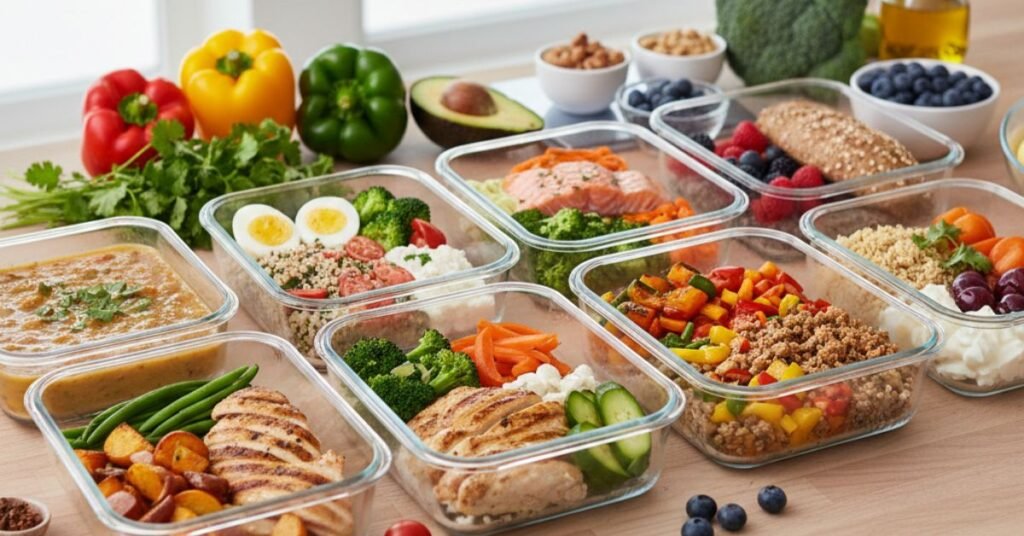
Introduction Struggling to lose weight while juggling a busy schedule? High protein meal prep for weight loss is your solution. As a certified nutritionist with 8+ years of experience, I’ve helped hundreds of clients achieve sustainable results through strategic meal planning and protein-rich recipes. This comprehensive guide will show you exactly how to prep delicious, high-protein meals that keep you satisfied, preserve muscle mass, and eliminate daily cooking stress. Whether you’re new to meal prep or looking to optimize your routine, these evidence-based strategies will transform your weight loss journey. Why High-Protein Meal Prep Works: The Science The Protein Advantage for Weight Loss Protein is your secret weapon for sustainable fat loss. Here’s what happens when you prioritize high protein recipes for weight loss: Key Benefits: According to the American Journal of Clinical Nutrition, adequate protein intake is crucial for muscle recovery and preventing muscle loss during weight loss. Meal Prep: Your Time-Saving Strategy Benefits of Batch Cooking for Weight Loss: Benefit Impact Time Savings 5-10 hours saved per week Cost Reduction 30-40% lower food expenses Portion Control Pre-measured servings prevent overeating Consistency Eliminates daily decision fatigue Food Safety Proper storage extends freshness 4-5 days How Much Protein Do You Need? Daily Protein Requirements TableOptimal Daily Distribution Activity Level Protein per Pound of Body Weight Example (150 lb person) Sedentary 0.8-1.0g 120-150g daily Moderately Active 1.0-1.2g 150-180g daily Highly Active 1.2-1.6g 180-240g daily Spread protein throughout the day for maximum benefits: 5 High-Protein Meal Prep Recipes for Weight Loss Recipe 1: High-Protein Buffalo Mac and Cheese Servings: 4 | Prep: 15 min | Cook: 30 min Nutrition per Serving Amount Calories 450 Protein 35g Carbs 45g Fat 12g Ingredients: Instructions: Storage: Refrigerate 4-5 days. Reheat with splash of milk for creaminess. Recipe 2: Lemon-Brown Butter Salmon Servings: 4 | Prep: 10 min | Cook: 20 min Nutrition per Serving Amount Calories 380 Protein 38g Carbs 8g Fat 22g Ingredients: Instructions: Storage: Best within 3-4 days; do not freeze. Recipe 3: Mexican Breakfast Burritos (Freezer-Friendly) Servings: 8 burritos | Prep: 15 min | Cook: 20 min Nutrition per Burrito Amount Calories 380 Protein 30g Carbs 35g Fat 14g Ingredients: Instructions: Storage: Freeze up to 3 months. Reheat: microwave 2-3 min or oven 350°F for 15 min. Recipe 4: Cottage Cheese Baked Ziti Servings: 5 | Prep: 20 min | Cook: 35 min Nutrition per Serving Amount Calories 480 Protein 40g Carbs 52g Fat 10g Ingredients: Instructions: Storage: Refrigerate 5 days or freeze up to 3 months. Recipe 5: White Bean & Smoked Sausage Skillet Servings: 4 | Prep: 10 min | Cook: 25 min Nutrition per Serving Amount Calories 440 Protein 32g Carbs 42g Fat 16g Ingredients: Instructions: Storage: Keeps 4-5 days refrigerated. Pairs with salad or roasted vegetables. 5-Day High-Protein Meal Plan Complete Weekly Schedule Day Breakfast Lunch Dinner Total Protein Monday Mexican Burrito (30g) Buffalo Mac (35g) Salmon (38g) 103g Tuesday Mexican Burrito (30g) Baked Ziti (40g) Sausage Skillet (32g) 102g Wednesday Mexican Burrito (30g) Buffalo Mac (35g) Salmon (38g) 103g Thursday Mexican Burrito (30g) Baked Ziti (40g) Sausage Skillet (32g) 102g Friday Mexican Burrito (30g) Buffalo Mac (35g) Salmon (38g) 103g Daily Average: 1,200-1,300 calories | 100-105g protein Recommended Snacks (Choose 1-2 Daily) Snack Option Calories Protein Greek yogurt + berries 150 15g 2 hard-boiled eggs 140 12g Protein shake 200 25g String cheese + apple 180 8g Conclusion: High protein meal prep for weight loss is a game-changing strategy that saves time, money, and delivers sustainable results. These healthy meal prep ideas have transformed countless lives, and they can work for you too. FAQS Q: Can I eat the same meals every day?                                                                                   A: Yes, but rotating 2-3 recipes prevents boredom and ensures nutritional variety. Q: Will I lose muscle on this plan?                                                                                            A: No. The high protein content (100-105g daily) preserves muscle mass during weight loss. Q: Can men follow this meal plan?                                                                                            A: Absolutely. Men need 200-400 more calories daily—increase portions by 25%. Q: How long until I see results?                                                                                                 A: Most people notice increased energy within 3-5 days. Visible weight loss begins in 2-3 weeks. Q: What if I’m vegetarian?                                                                                                                    A: Substitute animal proteins with tofu, tempeh, seitan, or extra legumes.

Easy Lunch Meal Prep: Simple Guide for Busy Weeks
meal prep

Easy Lunch Meal Prep: Simple Guide for Busy Weeks

Tired of the morning rush and daily lunch dilemmas? Easy lunch meal prep can transform your life. This simple technique helps you save time, money, and energy every week while maintaining healthy eating habits. In this article, we’ll share practical tips, recipes, and strategies to help you become a meal prep master. Why Easy Lunch Meal Prep Works for Everyone Meal prep isn’t just a time-saving hack; it improves your overall lifestyle. With weekly meal planning, you prepare yourself for a busy workweek. When you spend 2-3 hours on Sunday doing meal prep, your entire week becomes stress-free. The Triple Benefits of Meal Prepping Benefit Category What You Save Real Impact Time 30-45 min daily 2.5-3.5 hours per week Money $5-8 per lunch $100-150 per month Health 300-500 calories Better portion control From a financial perspective, lunch meal prep is extremely budget-friendly. Daily takeout or restaurant meals can cost 8-12 dollars per day, while homemade meal prep lunches cost only 3-5 dollars per serving. The health benefits are also quite significant. When you prepare your own meals, you can maintain portion control and use fresh, wholesome ingredients. Essential Tools and Pantry Staples For successful meal prep, having the right tools and ingredients is essential. Invest in airtight glass containers or BPA-free plastic containers that are microwave-safe and leak-proof. Mason jars are perfect for salads because they keep greens crispy. Must-Have Items Storage Containers: Pantry Staples Checklist Category Items to Stock Shelf Life Grains Quinoa, brown rice, pasta 6-12 months Proteins Canned beans, tuna 2-5 years Healthy Fats Olive oil, nuts, seeds 6-12 months Flavor Boosters Sauces, spices, herbs 1-3 years Stock your pantry with grains like quinoa, brown rice, and whole grain pasta. Canned beans and lentils are affordable protein sources. For fresh produce, keep pre-washed greens, cherry tomatoes, bell peppers, and cucumbers. Simple Meal Prep Formulas You Can Follow Meal prep doesn’t need to be complicated. The perfect grain bowl formula is simple: choose ½ cup cooked grain, add 3-4 oz protein, include vegetables, add healthy fats, and serve with dressing. The Perfect Grain Bowl Formula Step-by-Step Assembly: Build-Your-Own Salad Blueprint For wraps and sandwiches, use whole grain tortilla or bread, apply healthy spread, add protein filling, include fresh veggies, and complete with flavor additions. Easy No-Cook and Cold Lunch Options If you don’t have microwave access or prefer cold lunches, mason jar salads are a favorite choice. Follow the layering technique: dressing at the bottom, then hard vegetables, beans or grains, soft vegetables, and greens on top. Mason Jar Salad Layering Guide Popular Cold Lunch Ideas: Smart Storage and Food Safety Tips Proper storage is the key to meal prep success. Cooked grains stay fresh for 4-5 days. Cooked proteins are safe for 3-4 days. Cut vegetables can be stored for 3-5 days. Food Freshness Timeline Food Type Refrigerator Freezer Cooked grains 4-5 days 2-3 months Cooked proteins 3-4 days 2-3 months Cut vegetables 3-5 days Not recommended Soups and stews 3-4 days 3-4 months Essential Food Safety Rules: Frequently Asked Questions (FAQs) Q1: How long can I safely store meal-prepped lunches? Most meal-prepped lunches can be safely stored for 3-4 days in the refrigerator. Cooked grains can last up to 5 days, while salads with dressing should be consumed within 2-3 days. Q2: What type of containers should I use? Both glass and plastic containers work well. Glass containers are microwave-safe and don’t absorb odors. BPA-free plastic containers are lightweight and portable. Q3: Can I meal prep if I don’t like eating the same food? Try the component meal prep method. Prep individual ingredients that can be mixed and matched throughout the week for variety. Q4: How much money can I save with meal prep? Meal-prepped lunches cost $3-5 per serving compared to $8-12 for takeout. This translates to savings of $100-150 per month. Q5: Do I need to reheat my meal-prepped lunches? No! Many meal prep options are delicious served cold, including pasta salads, grain bowls, wraps, and mason jar salads. Q6: What day is best for meal prepping? Sunday is most popular, but choose whatever works for your schedule. The best day is one you can consistently dedicate 2-3 hours to preparation. Q7: Is meal prep good for weight loss? Yes, meal prep supports weight loss by helping you control portions, reduce calories, and avoid impulsive food choices. Conclusion: Start Your Meal Prep Journey Today Easy lunch meal prep is a life-changing habit that develops with consistency. Don’t worry about making perfect meals; just start with simple recipes. This Sunday, try one or two recipes and see how your workweek becomes stress-free.

7-Day Meal Prep for Weight Loss on a Budget: A Simple Guide
meal prep

7-Day Meal Prep for Weight Loss on a Budget: A Simple Guide

Losing weight doesn’t have to be expensive. You don’t need fancy superfoods or “organic-only” labels to get fit. With a little bit of planning and batch cooking for beginners, you can eat healthy without overspending. This guide will show you how to create cheap healthy meals for the week that are delicious and effective for weight loss. 1. The Golden Rules of Budget Meal Prepping Before we get to the food, remember these three simple rules to keep your costs low: 2. Your Low-Calorie Grocery List (Under $50) Focus on these items to create an affordable low-calorie grocery list on a budget: Category Budget-Friendly Items Why it’s Great for Weight Loss Proteins Eggs, Canned Tuna, Lentils, Chickpeas High protein, keeps you full longer. Carbs Oats, Brown Rice, Sweet Potatoes Complex carbs for long-lasting energy. Vegetables Spinach (Frozen), Carrots, Cabbage High fiber, very low in calories. Fats Peanut Butter, Olive Oil Heart-healthy fats in small portions. 3. The 7-Day Meal Plan (Example) Here is a simple structure you can follow. You can cook the grains and proteins on Sunday to save time. Breakfast Options Lunch Options Dinner Options 4. Smart Snacking: Affordable High-Protein snacks Snacking is where most diets fail. Avoid expensive protein bars and try these instead: 5. Step-by-Step Batch Cooking Guide To make your 7-day plan successful, follow these steps: Conclusion Weight loss is about consistency, not luxury. By using a low-calorie grocery list on a budget and practicing batch cooking for beginners, you are taking control of your health and your wallet. Start small this Sunday, and your body will thank you! 6. Frequently Asked Questions (FAQs) How do I keep my food fresh for 7 days? It is best to keep 3 days of food in the fridge and put the remaining 4 days in the freezer. Move the frozen meals to the fridge the night before you plan to eat them. What is the cheapest protein? Eggs and lentils are the most budget-friendly proteins. They are versatile and perfect for weight loss. Does meal prepping really save money? Yes! By avoiding “emergency” takeout or expensive lunches at work, you can save up to $100-$200 every month.

2500 Calorie Meal Plan: A Complete Guide to High-Protein Diets for an Active Lifestyle
Weight Loss & Diet Plans

2500 Calorie Meal Plan: A Complete Guide to High-Protein Diets for an Active Lifestyle

Are you trying to build muscle mass, or is your lifestyle so active that you require a high amount of energy throughout the day? If yes, you need a structured 2500 Calorie Meal Plan. This calorie intake is ideal for bodybuilders, athletes, or those who need high energy. In this guide, we will provide you with a detailed high-protein diet chart, macronutrient breakdown, and essential tips. Understanding Your Needs: What Does 2,500 Calories Look Like? Typically, an average adult requires around 2000 calories for maintenance. A 2500-calorie plan indicates that you are either: Based on your goals, this plan supports healthy weight gain and muscle recovery. 2500-Calorie High-Protein Meal Plan (Diet Chart) In a High-Protein plan, our objective is to include maximum protein to support muscle repair and growth. Macronutrient Breakdown For a high-protein plan, we will target the following ratio: Nutrient Percentage (Approx.) Calories Grams (Approx.) Protein 35% 875 Cal 218g Carbohydrates 45% 1125 Cal 281g Fats 20% 500 Cal 55g 7-Day Sample 2500 Calorie Diet Plan This 2500 calories per day plan provides variety and balance for the entire week. Day Breakfast Lunch Evening Snack Dinner Monday 4 Egg Omelette + 1 cup Oatmeal + Apple 200g Grilled Chicken + 1.5 cup Brown Rice + Salad Protein Shake + Almonds (10) 200g Fish Curry + 2 Roti + Mixed Vegetables Tuesday 1 cup Greek Yogurt + Berries + Honey 200g Paneer Bhurji + 2 Whole Wheat Roti + Salad Peanut Butter (2 tbsp) Sandwich (Whole Wheat) 200g Lean Beef/Mutton (less oil) + Baked Potato Wednesday Protein Pancakes (2) + Banana 200g Lentils (Daal) + 1.5 cup Rice + Curd Hard-boiled Eggs (2) + Fruit Chicken Biryani (moderate portion) + Raita Thursday 4 Egg Whites (scrambled) + 2 Whole Wheat Toast + Avocado 200g Fish Fillet + 1 cup Sweet Potato + Salad Protein Bar + Coffee/Tea (sugar-free) Chicken/Veggie Stir-fry + 1 cup Noodles Friday 1 cup Cottage Cheese (Paneer) + Fruits 200g Grilled Tofu + Quinoa (1.5 cup) + Salad Protein Shake + Orange 200g Turkey/Chicken Breast + Roasted Vegetables Saturday 4 Whole Eggs + Whole Wheat Bread Toast (2) + Juice Chicken/Vegetable Sandwich (Large) + Soup Greek Yogurt + Walnuts (7) Rajma-Chawal (kidney beans and rice, large portion) Sunday Smoothy (Protein Powder, Spinach, Banana, Milk) Chicken/Paneer Salad (Large portion) + Sweet Potato Apple slices with Peanut Butter Whole Wheat Pasta with Chicken/Lentil Sauce Food Items To Limit Even when consuming 2500 calories, it is essential to maintain healthy eating habits. Focus on quality and limit these items: Do’s and Don’ts: Essential Tips for the 2500-Calorie Plan To successfully follow a 2500 calorie diet plan for muscle gain, keep these essential tips in mind: Do’s Don’ts Conclusion A 2500-Calorie High-Protein Meal Plan is a strong foundation for achieving your fitness goals. By bringing quality food, excellent timing, and consistency into your diet, you can certainly achieve your goals.  FAQs; Q1: Who is the 2500-Calorie Diet Plan for? A: It is for individuals who want to build muscle mass (bulking) or engage in high-intensity physical activity. Q2: Can I meet 2500 calories using junk food? A: No. For healthy results, consuming nutrient-dense and high-protein foods is essential. Focus on quality calories. Q3: How much protein should be in this plan? A: In a high-protein plan, target about 30% to 35% protein of your total calories (i.e., approximately 180g to 220g). Q4: Can this plan be used for weight loss? A: Generally no, this plan is for a calorie surplus. For weight loss, you need a calorie deficit (fewer calories than you burn). Q5: What should I do before starting the plan? A: Always consult a certified Dietitian/Nutritionist so they can customize the plan according to your specific needs.

The Ultimate Guide to Low-Calorie Sushi Rolls for Weight Loss
Sushi (Calories & Nutrition)

The Ultimate Guide to Low-Calorie Sushi Rolls for Weight Loss

Sushi is a famous and delicious food from Japan. Many people love it because it looks like art and tastes fresh. Most people think sushi is always a “diet food,” but that is not always true. Some fancy rolls have more calories than a large slice of cheesy pizza! If you want to stay healthy and strong, you need to know which rolls are low calorie sushi options and which ones are “calorie bombs.” In this guide, we will look at the best choices for your body. 1. Why Does the Type of Sushi Matter? To understand why some sushi is better for weight loss, we look at the ingredients. The main parts are fish (protein), seaweed (vitamins), and rice (carbs). While fish is great for your muscles, too much rice can add a lot of extra energy that your body doesn’t need. Choosing healthy sushi for weight loss means picking rolls with more fish and veggies and less rice or creamy sauces. 2. Seven Best Low-Calorie Sushi Rolls  Here are seven specific rolls you can find at almost any sushi restaurant. They are yummy and great for staying fit! 1. Sashimi: The All-Star Protein Sashimi is simply fresh slices of raw fish, like Tuna or Salmon, served without any rice. 2. Naruto Rolls: The Crunchy Cucumber Wrap This roll is very special because it doesn’t use rice. Instead, the chef wraps the fish and avocado in very thin slices of cucumber. 3. Cucumber Roll (Kappa Maki) This is a simple, classic roll. It contains just seaweed, rice, and fresh cucumber. 4. Salmon and Cucumber Roll This roll combines healthy fish with crunchy cucumber and a small amount of rice. 5. Rainbow Roll (The High-Protein Fancy Roll) The Rainbow Roll is a California roll topped with different types of raw fish like Tuna, Salmon, and Yellowtail. 6. Avocado Roll: The Healthy Fat Choice This is a vegetarian roll filled with creamy avocado. 7. Whitefish Nigiri (Snapper or Sea Bass) Nigiri is a small slice of fish placed on top of a little ball of rice. 3. Sushi Calorie Chart: Quick Comparison Sushi Name Main Ingredients Calories (6 pcs) Health Rating Sashimi Pure Fish (No Rice) 120 kcal (Best) Naruto Roll Fish & Cucumber Wrap 150 kcal (Best) Cucumber Roll Rice & Cucumber 140 kcal (Great) Salmon Roll Rice & Salmon 220 kcal (Good) Avocado Roll Rice & Avocado 240 kcal (Good) Rainbow Roll Many Types of Fish 300 kcal (Okay) Shrimp Tempura Fried Shrimp & Mayo 500+ kcal (Avoid) 4. Summary Tips for Students Conclusion Eating sushi can be a fun and healthy way to lose weight if you choose low calorie sushi options. By picking rolls with fresh fish and crunchy vegetables and staying away from fried toppings,you can enjoy a delicious meal while keeping your body in great shape!  Frequently Asked Questions (FAQs)

 Is the Spicy Tuna Roll Healthy? Facts on Calories, Protein, and Fat!
Sushi (Calories & Nutrition)

 Is the Spicy Tuna Roll Healthy? Facts on Calories, Protein, and Fat!

Introduction Sushi is now famous everywhere! One of the most loved sushi rolls is the Spicy Tuna Roll. People love its tasty, slightly creamy, and spicy flavor. But if you are trying to eat healthy and need to know the Sushi Nutritional Facts, you might ask: “Is Spicy Tuna Roll Healthy?” This article will break down the nutritional facts of the Spicy Tuna Roll in a simple way. By the end, you will know the exact Tuna Roll Calories and how to make a smart choice when you order next time! Spicy Tuna Roll: What’s Inside? (For 6 or 10 Pieces) We will look at the average nutrition for a standard 6-piece roll. Remember, these numbers can change a little depending on the restaurant. Knowing the Tuna Roll Calories is the first step toward smart eating.  Nutrition Facts: Calories, Protein, and Carbs Nutrient Value (Standard 6-Piece Roll) Why it Matters Calories (Energy) 170 – 190 kcal This is a good number for a light snack. Protein 10 – 12 grams Excellent! Helps your muscles and keeps you full. Total Carbs 20 – 24 grams Mostly comes from the sticky sushi rice. (This figure relates directly to Spicy Tuna Roll Carbs). Total Fat 3 – 6 grams Low to medium. The “spicy sauce” adds most of this fat. Sodium (Salt) 330 – 350 mg A bit high. Be careful with extra soy sauce! Quick Tip: If you eat a 10-piece roll, the Tuna Roll Calories can jump up to around 280-320 kcal. The Details: Breaking Down the Ingredients To know if it’s healthy, we need to look at the parts of the roll: A. The Secret of Fat and Calories: The Spicy Mayo The spicy sauce is what makes this roll so delicious, but it also adds the most calories and fat. B. The Good News: Tuna and Omega-3s This is the healthiest part of your roll! Tuna fish is a superfood because it offers a great source of Tuna Roll Protein and Omega-3 fats. C. Watch Out for Salt: Rice and Soy Sauce There are two hidden sources of sodium (salt) in sushi that affect the Sushi Nutritional Facts: Different Rolls, Different Calories: Know the Types Not all Spicy Tuna Rolls are the same. Check the difference in Tuna Roll Calories: Type of Roll Calories (Approx.) What Makes it Different? Restaurant Roll 160-190 kcal Usually fresh with less sauce. Grocery Store Rolls (Grab & Go) 200-250+ kcal Often have more sauce and bigger pieces of rice to make them last longer. “Crunchy” or Deep-Fried Rolls 300-450+ kcal Anything that is deep-fried will soak up oil, making it very high in fat and calories. Burning the Calories: Balancing Your Meal If you eat a 6-piece roll (about 180 Calories), here is how you can balance it out with a little activity: Activity Time Needed to Burn 180 Calories (Avg.) Fast Walking 30 Minutes Jogging/Running 16 Minutes Cycling (Moderate) 20 Minutes Smart Tips for Healthy Sushi Next time you order, use these tips to ensure Spicy Tuna Roll Carbs and calories stay low: Conclusion The Spicy Tuna Roll can be a tasty and healthy meal choice! It has great protein and Omega-3s. So, to answer the question, Is Spicy Tuna Roll Healthy? Yes, it is, as long as you eat it in moderation and watch the sauce! The secret is to watch out for the Spicy Mayo and the Salt from the soy sauce. By making smart choices, you can enjoy your favorite roll and still keep your body healthy and strong!  (FAQs) Q1: How many calories are in a Spicy Tuna Roll? A: A 6-piece roll has about 170 to 190 calories (the typical Tuna Roll Calories). Q2: Is the Spicy Tuna Roll good for losing weight? A: Yes, in small amounts! Because of the high Tuna Roll Protein, it keeps you full. But don’t eat too many, and avoid the deep-fried ones. Q3: What is the main healthy thing in the roll? A: The main healthy thing is the Tuna fish, which is full of protein and heart-healthy Omega-3 fats. Q4: How can I make my sushi roll less salty? A: Always use Low-Sodium Soy Sauce and remember: Dip, don’t Drench!

Scroll to Top