Losing weight doesn’t have to be expensive. You don’t need fancy superfoods or “organic-only” labels to get fit. With a little bit of planning and batch cooking for beginners, you can eat healthy without overspending.
This guide will show you how to create cheap healthy meals for the week that are delicious and effective for weight loss.
. The Golden Rules of Budget Meal Prepping
Before we get to the food, remember these three simple rules to keep your costs low:
- Shop Your Pantry First: Check what you already have (spices, rice, oil) before going to the store.
- Buy Frozen over Fresh: Frozen fruits and vegetables are just as nutritious as fresh ones but cost much less and don’t spoil quickly.
- Choose Plant Protein: Beans, lentils, and eggs are much cheaper than beef or fish.
2. Your Low-Calorie Grocery List (Under $50)
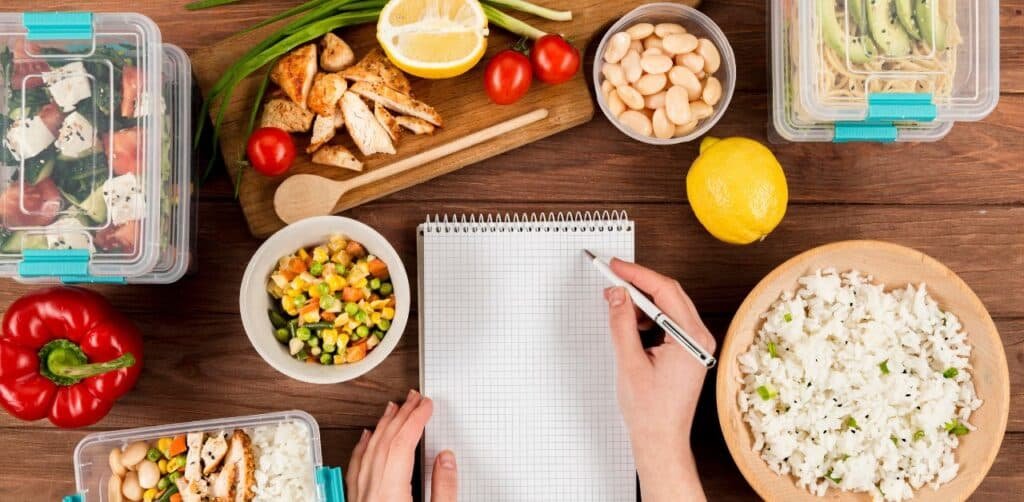
Focus on these items to create an affordable low-calorie grocery list on a budget:
| Category | Budget-Friendly Items | Why it’s Great for Weight Loss |
| Proteins | Eggs, Canned Tuna, Lentils, Chickpeas | High protein, keeps you full longer. |
| Carbs | Oats, Brown Rice, Sweet Potatoes | Complex carbs for long-lasting energy. |
| Vegetables | Spinach (Frozen), Carrots, Cabbage | High fiber, very low in calories. |
| Fats | Peanut Butter, Olive Oil | Heart-healthy fats in small portions. |
This list is built around nutrient-dense, budget-friendly staples recommended by dietary guidelines from sources like USDA MyPlate, which emphasizes lean proteins, whole grains, and plenty of vegetables for a balanced diet.
3. The 7-Day Meal Plan (Example)
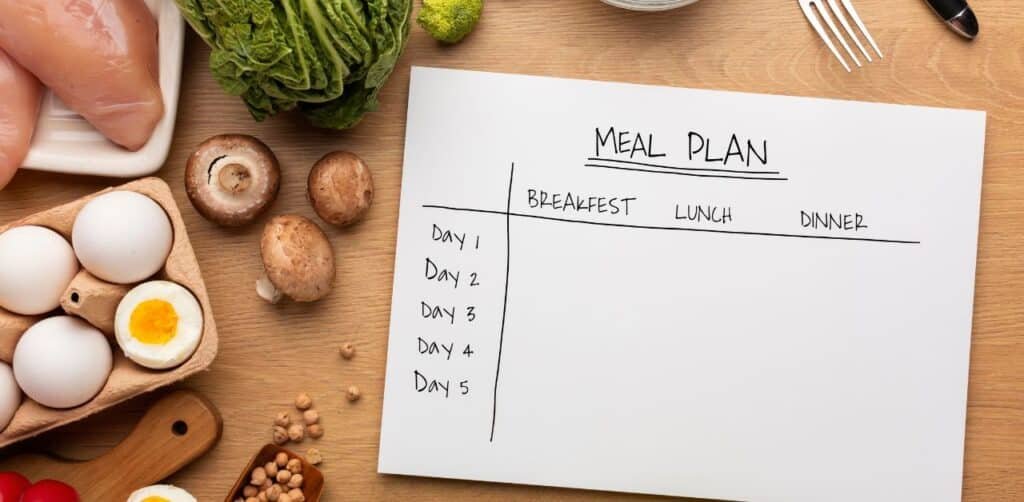
Here is a simple structure you can follow. You can cook the grains and proteins on Sunday to save time.
Breakfast Options
- Oats with Cinnamon: Use water or low-fat milk. Add half an apple for sweetness.
- Vegetable Omelet: Use 2 eggs and whatever leftover veggies you have.
Both breakfast options take under 10 minutes to prepare, making them easy to fit into a busy morning. A bowl of oats with cinnamon costs less than $0.50 per serving and provides roughly 300-350 calories, while a two-egg vegetable omelet gives you around 15-18 grams of protein to keep you full until lunch. If you meal prep on Sunday, you can pre-chop your vegetables for the week so the omelet takes even less time to make.
Lunch Options
- Chickpea Salad: Mix boiled chickpeas with cucumbers, onions, and lemon juice.
- Rice and Beans: A classic portion control for weight loss meal that costs pennies.
These lunches are designed to be made in bulk. A single batch of chickpea salad can last 3-4 days in the fridge without losing its texture, and rice and beans freeze well if you want to prepare two weeks of lunches at once. Both options are naturally high in fiber, which helps you feel satisfied on fewer calories.
Dinner Options
- Lentil Soup (Daal): High in fiber and very filling.
- Roasted Chicken & Veggies: Buy chicken thighs (cheaper than breast) and roast them with carrots, onions, and a drizzle of olive oil for a filling, low-cost dinner.
4. Smart Snacking: Affordable High-Protein snacks
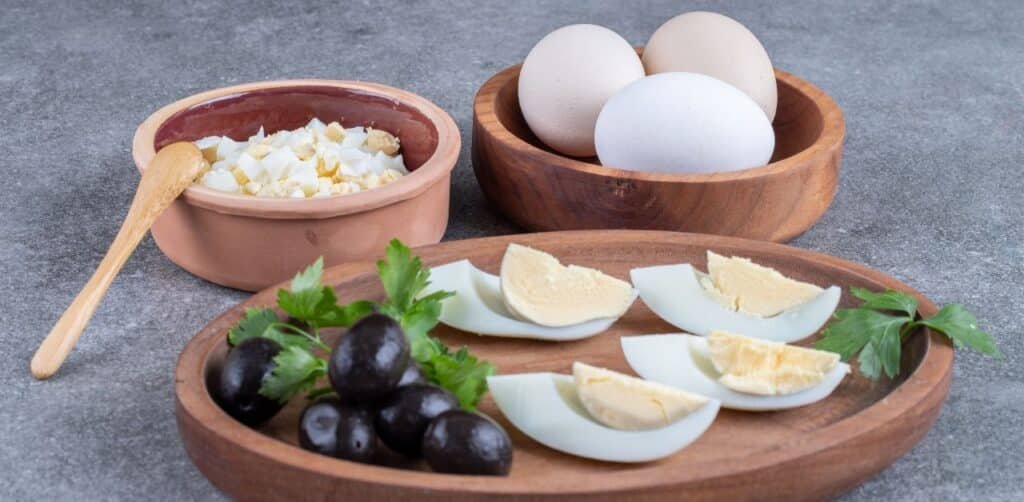
Snacking is where most diets fail. Avoid expensive protein bars and try these instead:
- Hard-boiled eggs: The ultimate cheap snack.
- A handful of peanuts: Great for healthy fats.
- Greek Yogurt: Buy the large tub (it’s cheaper than individual cups).
5. Step-by-Step Batch Cooking Guide
To make your 7-day plan successful, follow these steps:
- The Prep (Sunday): Chop all your vegetables and store them in containers.
- The Cooking: Boil a big pot of rice and a big pot of lentils or beans.
- The Storage: Divide your meals into 7 containers immediately. This ensures portion control for weight loss because you won’t be tempted to take a second helping.
- Label Everything: Write the date on your containers so you know what to eat first.
Conclusion
Weight loss is about consistency, not luxury. By using a low-calorie grocery list on a budget and practicing batch cooking for beginners, you are taking control of your health and your wallet. If you want to fine-tune your results, try our Calorie Deficit Calculator to find your ideal daily intake, or check out our Macro Calculator to balance your protein, carbs, and fats. Start small this Sunday, and your body will thank you!
6. Frequently Asked Questions (FAQs)
How do I keep my food fresh for 7 days?
It is best to keep 3 days of food in the fridge and put the remaining 4 days in the freezer. Move the frozen meals to the fridge the night before you plan to eat them.
What is the cheapest protein?
Eggs and lentils are the most budget-friendly proteins. They are versatile and perfect for weight loss.
Does meal prepping really save money?
Yes! By avoiding “emergency” takeout or expensive lunches at work, you can save up to $100-$200 every month.