Editor’s Note: At PrepSlim, we believe in transparent, science-backed fitness advice. This comprehensive guide has been meticulously reviewed and updated for 2026 to reflect the latest nutritional research on pre-workout compounds. Our goal is to help you optimize your training safety and performance without the marketing fluff.
In the fitness world, the journey to a perfect physique doesn’t start at the gym; it starts in your kitchen. If you have ever felt sluggish during your squats or lost focus during a cardio session, your pre-workout nutrition might be the culprit. A pre workout drink is not just a trend, it is a functional tool designed to prime your body for physical and mental stress.
As a nutritionist, I often see people spending hours on their workout routines while neglecting the fuel that makes those routines effective. In this guide, we will explore the science, the ingredients, and the best practices for pre-workout supplementation.
1. What exactly is a Pre-Workout Drink?
A pre-workout drink is a beverage either natural or a powdered supplement consumed 30 to 60 minutes before physical activity. Its primary goal is to provide ergogenic aids, which are substances that enhance energy production, use, or recovery.
By stimulating your central nervous system and increasing blood flow to your muscles, these drinks help you push past your normal limits. Whether you are a bodybuilder, a runner, or someone just starting their fitness journey, understanding this fuel is essential.
The 30-Second Bottom Line: Who Needs It?
Before diving into the complex science, let’s simplify your goal. You do not need an expensive supplement if you are doing light yoga or a casual walk. However, if your goal is pushing heavy weights, high-intensity interval training (HIIT), or breaking endurance plateaus, a structured pre-workout strategy is your best shortcut to faster results. It bridges the gap between mental fatigue and physical execution.
2. The Science of Ingredients: What’s Inside?
To ensure your blog meets high authority standards, we must look at the specific compounds that make these drinks work. Here are the “Big Five” ingredients you should look for:
A. Caffeine (The Energy Catalyst)
Caffeine is the most widely researched stimulant. It blocks adenosine receptors in your brain, which prevents you from feeling tired. This leads to increased alertness and a higher pain threshold during intense lifting.
B. Beta-Alanine (The Endurance Buffer)
Have you ever felt a “tingling” sensation after a pre-workout? That’s Beta-Alanine. It helps produce carnosine, a molecule that buffers acid in your muscles. This reduces the “burn” you feel during high-reps, allowing you to train longer.
C. L-Citrulline (The Pump Master)
L-Citrulline increases nitric oxide production in the body. Nitric oxide causes vasodilation (widening of blood vessels), which means more oxygen and nutrients reach your muscles. This results in better muscle “pumps” and faster recovery.
D. Creatine Monohydrate (The Power Source)
Creatine helps your muscles produce energy during heavy lifting or high-intensity exercise. It is one of the most effective supplements for increasing muscle mass and strength over time.
E. Branched-Chain Amino Acids (BCAAs)
BCAAs (Leucine, Isoleucine, and Valine) are the building blocks of protein. Taking them before a workout helps prevent muscle breakdown, especially if you are training in a fasted state.
3. Comparison: Natural vs. Commercial Supplements
Not everyone needs a colorful tub of powder from a supplement store. Depending on your goals, natural options might be better.
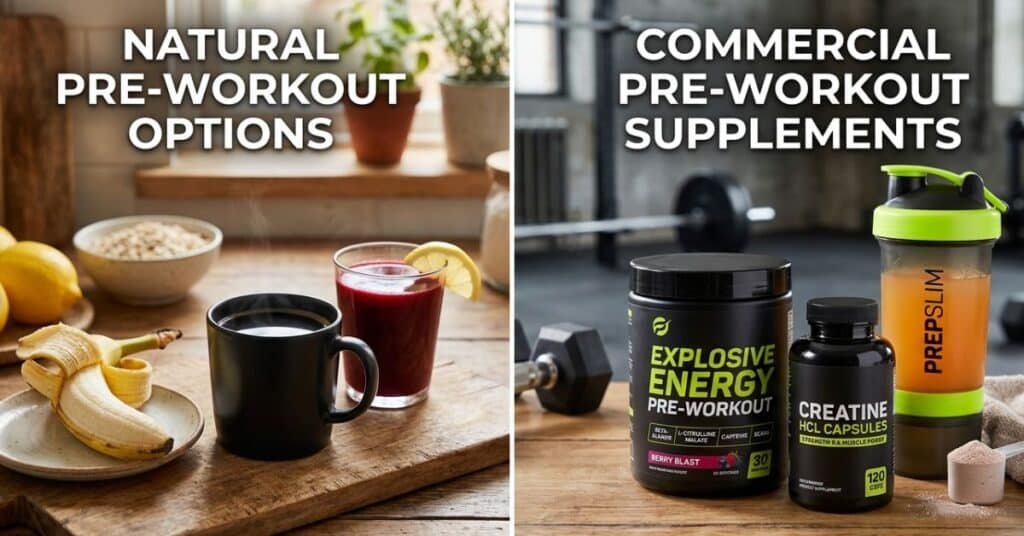
Pre-Workout Comparison Table
| Feature | Natural Options (e.g., Coffee/Beetroot) | Commercial Supplements |
| Main Ingredients | Caffeine, Nitrates, Glucose | Caffeine, Beta-Alanine, Citrulline |
| Cost | Very Affordable | Moderate to High |
| Side Effects | Minimal (mostly caffeine-related) | Tingling, Jitters, High Heart Rate |
| Convenience | Requires preparation | Instant (mix with water) |
| Best For | Beginners & Health-conscious users | Advanced athletes & Bodybuilders |
The True Cost: Budget vs. Premium Blends
When evaluating user intent, cost-efficiency is a major factor. Commercial pre-workout tubs typically range from $30 to $60, translating to roughly $1 to $2 per serving. On the flip side, a homemade black coffee or a customized beetroot shot costs less than $0.50 per serving. If you are budget-conscious, starting with high-quality whole foods or natural caffeine is highly recommended before investing in premium tubs.
4. Why You Should Use a Pre-Workout Drink
If you are still on the fence, here are the primary benefits organized by how they impact your body:

- Increased Physical Performance: You can lift heavier weights and perform more repetitions.
- Enhanced Mental Focus: It creates a “mind-muscle connection,” helping you stay concentrated on your form.
- Faster Metabolic Rate: Many ingredients, like caffeine and green tea extract, help burn more calories during your session.
- Reduced Muscle Breakdown: Especially important for those on a calorie-deficit diet.
5. Potential Side Effects and Safety
As a professional, I must emphasize that more is not always better. Pre-workout side effects can occur if you exceed the recommended dosage:
- Insomnia: Taking these drinks too late in the evening can ruin your sleep cycle.
- Jitters and Anxiety: High doses of caffeine can cause shakiness or a racing heart.
- Digestive Issues: Some ingredients may cause bloating or stomach upset if you are sensitive.
- Tingling (Paresthesia): While harmless, the tingling from Beta-Alanine can be uncomfortable for beginners.
6. Nutrition Facts: What’s in a Serving?
Below is a standard nutrition breakdown for a typical high-quality pre-workout serving (approx. 15g).
Standard Nutrition Table
| Nutrient/Compound | Amount per Serving | % Daily Value |
| Calories | 5 – 15 kcal | < 1% |
| Total Carbohydrates | 1g – 3g | 1% |
| Caffeine Anhydrous | 150mg – 300mg | N/A |
| L-Citrulline Malate | 6,000mg | N/A |
| Beta-Alanine | 3,200mg | N/A |
| Vitamin B12 | 50mcg | 2083% |
| Sodium | 100mg | 4% |
Tailoring to Your Specific Goal: Weight Loss vs. Muscle Gain
Your ideal pre-workout drink depends entirely on your fitness transformation path:
- For Weight Loss (Fat Loss): Your focus should be on clean energy with zero added sugars. Look for drinks high in L-Carnitine and Green Tea Extract to maximize fat oxidation. Ensure the calorie count is near zero so it doesn’t disrupt your calorie deficit.
- For Muscle Gain (Bulking): You need explosive power and maximum nutrient delivery. Prioritize drinks rich in Creatine Monohydrate (for ATP production) and high doses of L-Citrulline for that deep muscle pump. Adding a fast-digesting carbohydrate (like a banana or rice cakes) alongside your drink will yield the best strength results.
7. Step-by-Step: My Favorite Homemade Pre-Workout Recipe
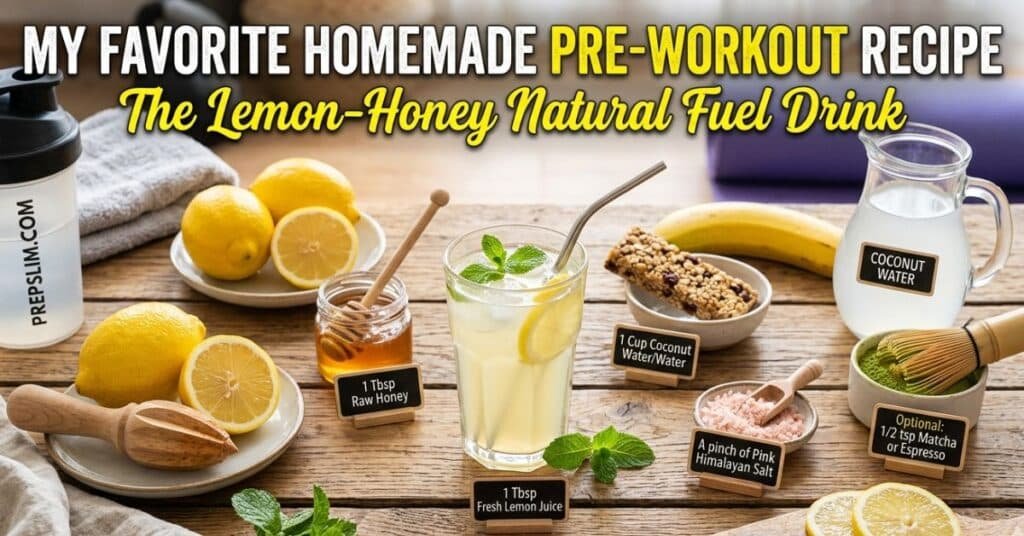
If you want a homemade pre workout recipe that is effective and clean, follow these steps:
- The Base: Start with 250ml of cold Coconut Water (for electrolytes).
- The Kick: Add 1 shot of Espresso or 1 teaspoon of high-quality instant coffee.
- The Fuel: Stir in 1 teaspoon of Raw Honey for quick-release glucose.
- The Optimizer: Add a pinch of Pink Himalayan Salt to prevent cramping.
- The Flavor: Squeeze half a fresh lemon for a refreshing taste and Vitamin C.
Mix well and consume 30 minutes before your workout!
8. My Personal Nutritionist Tip
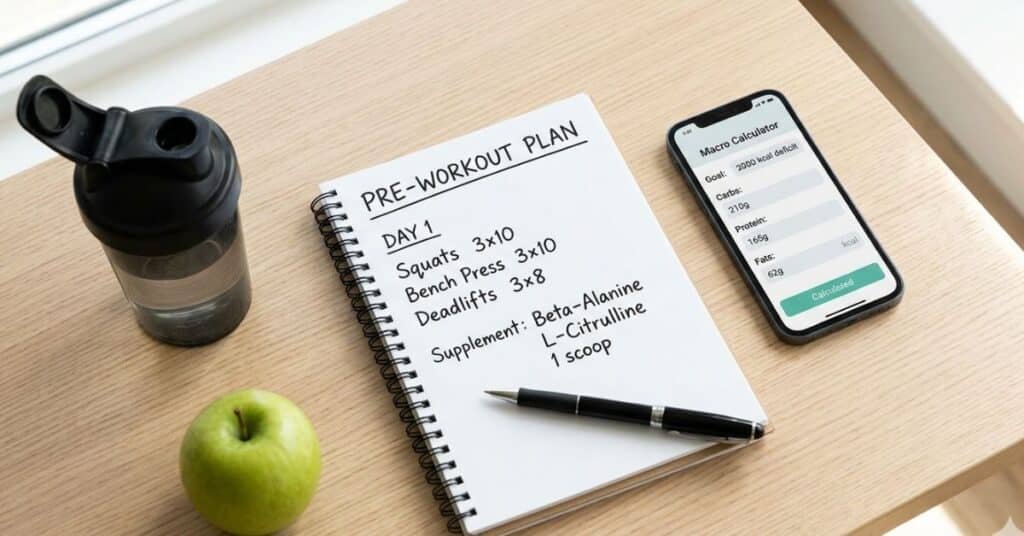
Personal Tip: Don’t rely on pre-workout every single day. Your body can build a tolerance to caffeine, making the supplement less effective over time. I recommend “cycling” your pre-workout use it only on your hardest training days (like Leg Day) and stick to water or light green tea on easier days. This keeps your central nervous system fresh!
Take Action: Align Your Drinks With Your Body Type
Knowing what ingredients to take is only half the battle; knowing how much your body actually requires is where true progress happens. Before choosing your pre-workout dosage, head over to our customized [Macro Calculator] on PrepSlim. It will instantly calculate your daily caloric needs and precise carbohydrate ratios, ensuring your pre-workout meal or drink fits perfectly into your daily macro targets without accidental overeating.
Conclusion
A pre workout drink is a valuable addition to your fitness arsenal if used correctly. It bridges the gap between feeling tired and hitting a new personal record. Remember to prioritize hydration and listen to your body’s signals.
By combining the right ingredients with a solid training plan and proper rest, you will see the results you’ve been working so hard for on prepslim.com.
What is your go-to pre-workout drink? Let me know in the comments below!
(FAQs)
Q1: Can I take a pre-workout on an empty stomach?
Yes, but it will be absorbed much faster, which might increase the intensity of the jitters. If you have a sensitive stomach, try eating a small rice cake or half a banana first.
Q2: How long does the effect last?
Most ingredients have a “half-life” of 3 to 5 hours, but the peak energy surge usually lasts about 60 to 90 minutes.
Q3: Is there a caffeine-free pre workout option?
Absolutely. Look for “Non-Stim” pre-workouts. These focus on blood flow (Nitric Oxide) and focus without using caffeine.
Q4: Is it safe for beginners?
Yes, but the best pre workout for beginners is usually a half-serving. Start slowly to see how your body reacts to the stimulants.
About the Author: Kiran is a passionate nutritionist, fitness consultant, and the creative voice behind PrepSlim. With years of experience blending scientific research with real-world dietary strategies, she specializes in helping individuals decrypt complex fitness metrics. When she isn’t analyzing macro ratios or formulating clean recipes, you can find her breaking personal records in the weight room.
Disclaimer: Consult your doctor before starting any diet plan.