prepslim.com

Author name: Kiran

5 Best Healthy Lunch Recipes for Weight Loss (Burn Fat Fast)
Recipes

5 Best Healthy Lunch Recipes for Weight Loss (Burn Fat Fast)

Losing weight is often misunderstood. Many people think that skipping meals, especially lunch, will help them shed pounds faster. However, skipping lunch can actually slow down your metabolism and lead to overeating at dinner. When you starve yourself during the day, your body goes into “survival mode,” storing more fat instead of burning it. The secret to sustainable weight loss is not starving; it is about choosing the right fuel. In this comprehensive 1,200 word guide, we will explore the best healthy lunch recipes for weight loss, the science of satiety, and how to use tools like a BMI calculator to stay on track. 1. Why Lunch is the “Anchor” of Your Diet Lunch acts as the bridge between your morning energy and your evening rest. If you eat a heavy, carb-loaded lunch (like a big plate of white rice or oily parathas), you will likely feel sleepy and unproductive by 3:00 PM. This is known as the “post-lunch dip.” On the other hand, a balanced lunch keeps your insulin levels steady. By choosing low-calorie lunch ideas, you ensure that your body uses its stored fat for energy instead of waiting for the next sugar hit. The Science of a Healthy Plate According to nutrition experts, your weight loss plate should look like this: 2. Healthy vs. Unhealthy Lunch Comparison Understanding the numbers is the first step toward expertise. Let’s look at why homemade meals win every time. Feature Homemade Healthy Lunch Fast Food / Takeaway Calories 350 – 500 kcal 800 – 1200+ kcal Nutrients High Fiber, Vitamins, Lean Protein High Trans-fats & Refined Sugar Sodium (Salt) Low (Reduces Water Retention) Very High (Causes Bloating) Satiety Keeps you full for 4-5 hours Hunger returns in 2 hours 3. Deep Dive: Top 5 Recipes with Methods Recipe 1: Mediterranean Chickpea Power Salad This is a high protein vegetarian lunch that requires zero cooking time. Recipe 2: Grilled Lemon Chicken with Roasted Broccoli Lean protein is the king of weight loss because the body burns more calories digesting protein than it does fat or carbs. Recipe 3: Savory Masala Oats (The Fiber King) Forget sweet oats; savory oats are a game changer for weight loss. Recipe 4: Quinoa and Black Bean “Power Bowl” Quinoa is one of the few plant foods that contain all nine essential amino acids. Recipe 5: Zucchini Noodles (Zoodles) with Pesto If you are a pasta lover, this is your best friend. 4. Understanding Your Numbers: The BMI Calculator ⚖️ Check Your BMI Now To lose weight effectively, you must understand your body’s baseline. A BMI Calculator (Body Mass Index) is a simple tool that uses your height and weight to determine if you are underweight, normal, overweight, or obese. How to use this information: If your BMI is in the overweight category, your goal should be a “calorie deficit.” This means you eat fewer calories than your body burns. Our healthy office lunch recipes are designed to fit perfectly into a 1,500-calorie daily plan. 5. Master the Art of Meal Prep One of the biggest reasons people fail at weight loss is a lack of time. Here is a step-by-step easy meal prep for weight loss routine: 6. Healthy Habits Beyond the Plate Weight loss is 80% diet and 20% lifestyle. To see results faster: Conclusion: Your Journey Starts Today Weight loss isn’t about being perfect; it’s about being better than you were yesterday. By switching to these healthy lunch recipes for weight loss, you are taking a massive step toward a healthier version of yourself. Use the BMI calculator to track your progress, but remember that consistency is the most important ingredient. Frequently Asked Questions (FAQs) Q: Can I eat roti or bread with these recipes? A: You can, but choose whole-wheat or multi-grain versions. Limit yourself to one small roti to keep the calories under control. Q: What if I have a sweet tooth after lunch? A: Instead of sugar, have a small piece of dark chocolate (70% cocoa) or a few berries. This satisfies the craving without the calorie spike. Q: Are these recipes okay for diabetics? A: Most of these recipes are high in fiber and low in sugar, which is good for blood sugar. However, always consult your doctor first. Q: How often should I check my BMI? A: Checking once every two weeks is enough. Don’t obsess over the scale daily; focus on how your clothes fit! What is the biggest challenge you face with healthy eating? Let us know in the comments, and we will help you out!

High Protein Breakfast Ideas for Weight Loss: The Ultimate Science-Backed Guide
Recipes

High Protein Breakfast Ideas for Weight Loss: The Ultimate Science-Backed Guide

In the world of fitness and nutrition, there is a famous saying: “Abs are made in the kitchen.” While exercise is vital, your diet carries the heavy weight of your success. Specifically, your first meal of the day sets the metabolic tone for the next 16 hours. If you start with sugar and refined carbs, you trap yourself in a cycle of hunger. However, if you switch to high protein breakfast ideas for weight loss, you unlock a biological shortcut to burning fat. This guide provides an in-depth look at why protein is your best ally, a variety of delicious recipes, and a strategic plan to help you reach your goal weight. 1. The Science: Why Protein is the “Gold Standard” for Weight Loss To understand why protein-rich morning meals are superior, we must look at the three major ways protein affects human biology: A. The Thermic Effect of Food (TEF) Not all calories are created equal. Your body requires energy to break down, absorb, and process nutrients. This is known as TEF. B. Appetite Regulation (The Hunger Hormones) Protein is the most satiating macronutrient. It suppresses Ghrelin, the hormone that tells your brain you are hungry. Simultaneously, it boosts Peptide YY and GLP-1, hormones that tell your brain you are full. By eating a high-protein breakfast, you are chemically signaling your body to stop craving snacks. C. Muscle Preservation When people lose weight, they often lose muscle along with fat. This is a mistake because muscle burns more calories at rest than fat does. A high-protein diet ensures that the weight you lose comes from your fat stores, not your lean muscle mass. 2. Comparing the Best Protein Sources for Breakfast To build a successful meal plan, you need to know which foods offer the most “bang for your buck.” Food Source Protein Amount Calories (Approx) Best For… Egg Whites (4) 14g 70 kcal Pure lean protein, very low calorie. Greek Yogurt (1 cup) 20g 150 kcal Probiotics and gut health. Cottage Cheese (1 cup) 25g 180 kcal Slow-release energy for long days. Smoked Salmon (100g) 20g 120 kcal Brain-boosting Omega-3s. Tofu (1/2 cup) 10g 95 kcal Plant-based muscle building. Chicken Breast (100g) 31g 165 kcal Maximum satiety and volume. 3. Top 7 High Protein Breakfast Recipes for Weight Loss 1. The Mediterranean Spinach & Feta Omelet This is a classic low-calorie high protein breakfast. 2. Savory Indian-Style Paneer Bhurji For a high protein vegetarian breakfast for weight loss, paneer is unmatched in the Desi diet. 3. Berry & Nut Greek Yogurt Power Bowl A perfect choice for those who prefer healthy breakfast recipes for fat loss that are quick and cold. 4. Smoked Salmon and Avocado “Toast” (Low Carb) 5. Overnight High-Protein “Proats” 6. Tofu Scramble with Turmeric (Vegan Option) 7. Chickpea (Chana) & Quinoa Salad 4. Strategies for Success: Beyond the Recipe To reach a 1200-word depth of knowledge, we must discuss the habits that make these meals work. 5. The Verdict: Your Path Forward Switching to high protein breakfast ideas for weight loss is more than just a diet change; it is a lifestyle upgrade. By focusing on quality protein sources like eggs, Greek yogurt, paneer, and lean meats, you are giving your body the best chance to succeed. 6. Frequently Asked Questions (FAQs) Q1: Is it bad to eat too much protein? For a healthy individual, a high-protein diet is generally safe. Your kidneys are designed to process protein efficiently. However, if you have pre-existing kidney issues, consult a doctor first. Q2: What if I am not hungry in the morning? If you practice Intermittent Fasting, your “breakfast” is simply your first meal of the day. Whenever you break your fast, ensure that meal is high in protein to prevent overeating later. Q3: Can I drink protein shakes instead of eating a meal? Yes, but whole foods are better. Whole foods require more energy to digest and keep you fuller for longer due to the texture and volume. Q4: Will a high-protein breakfast make me “bulky”? No. Building “bulk” requires heavy lifting and a massive calorie surplus. For weight loss, protein simply helps you maintain your shape while your body burns fat. Q5: Can I have tea or coffee with my high-protein breakfast? Yes, but avoid adding sugar or heavy cream. Black coffee or tea with a splash of low-fat milk is fine.

Healthy Snacks for Weight Loss (Eat More, Lose More)
Recipes

Healthy Snacks for Weight Loss (Eat More, Lose More)

Losing weight is often associated with the phrase “stop eating.” However, modern nutritional science in 2026 tells a different story. To lose weight effectively and keep it off, you shouldn’t stop eating,you should start snacking smarter. Strategic snacking keeps your metabolism firing, prevents energy crashes, and stops you from overeating during lunch or dinner. In this guide, we will explore the best healthy snacks for weight loss and how understanding your body’s needs through a calorie deficit calculator can transform your results. 1. The Science of the Calorie Deficit Before choosing your snacks, you must understand the foundation of fat loss: the Calorie Deficit. A calorie deficit means you provide your body with slightly less energy (calories) than it burns. When this happens, your body is forced to burn stored fat for fuel. Most people fail their diets because they try to go 6-7 hours without food. This causes blood sugar to drop, leading to intense hunger. By adding low-calorie snack ideas into your day, you keep your hunger levels stable. This makes it much easier to stay within the limit provided by your calorie deficit calculator without feeling deprived. Calculate My Calories 2. Greek Yogurt with Mixed Berries Greek yogurt is a powerhouse of protein, containing nearly double the amount found in regular yogurt. When you mix it with berries, you add fiber and antioxidants. This combination is one of the best high-protein snacks for fat loss because it keeps you full for hours while satisfying your sweet tooth. 3. Hard-Boiled Eggs Eggs are often called the “gold standard” of protein. They are pre-portioned, easy to carry to work, and very affordable. Two large hard-boiled eggs contain about 140 calories and 12 grams of protein. They help stabilize blood sugar and prevent the “afternoon slump” that leads to unhealthy eating. 4. Air-Popped Popcorn If you are a “volume eater” who likes to eat a lot at once, popcorn is your best friend. Because it is high in air and fiber, you can eat 3 full cups for under 100 calories. It is much better than potato chips, which are loaded with unhealthy fats and high calories. 5. Roasted Makhane (Fox Nuts) Makhane is a fantastic low-calorie snack idea that has gained global popularity in 2026. They are gluten-free, low in sodium, and high in magnesium. Roasting them with a tiny bit of olive oil and salt makes them a crunchy, satisfying alternative to processed junk food. 6. Apple Slices with Almond Butter This is a classic nutrient-dense snack for weight management. The apple provides water and fiber, while the almond butter provides healthy fats and protein. This pairing slows down the digestion of fruit sugar, giving you steady energy instead of a sugar spike. 7. Cucumber and Hummus Cucumbers are almost entirely water, making them extremely low in calories. Dipping them in hummus adds a creamy texture and plant-based protein. This is a perfect “functional snack” to keep you hydrated and full during a busy workday. 8. Comparison Table: Snacks at a Glance Snack Option Primary Benefit Calories (Approx.) Protein Content Boiled Eggs (2) High Satiety 140 kcal 12g Makhane (1 Bowl) Low Calorie 100 kcal 2g Greek Yogurt Gut Health 120 kcal 15g Almonds (15 seeds) Healthy Fats 110 kcal 4g Popcorn (3 cups) Volume Eating 90 kcal 3g 9. Developing Healthy Snacking Habits To succeed, you need more than just food; you need a system. Here are the best healthy snacking habits for 2026: 10. Metabolism-Boosting Snacks: Fact or Fiction? Can food really speed up your metabolism? Yes, through the “Thermic Effect of Food” (TEF). Your body uses more energy to digest protein and fiber than it does for fats or sugars. By choosing metabolism-boosting snacks like roasted chickpeas or edamame, you are helping your body burn more calories even while you are resting. 11. Conclusion: Consistency is Everything Weight loss is a journey, not a sprint. By incorporating healthy snacks for weight loss into your daily routine, you make the process enjoyable and sustainable. Don’t be afraid to eat! Just be smart about your choices. Use a calorie deficit calculator to find your daily limit, pick your favorite snacks from the list above, and watch your body change. 12. Frequently Asked Questions (FAQs) Q1: What is the best time to snack? The best time is usually 3-4 hours after breakfast and 3-4 hours after lunch. This prevents the “afternoon slump.” Q2: Can I eat snacks at night? Yes. Choose something light like a few walnuts or a small piece of cheese. Avoid high-carb snacks late at night. Q3: Are “zero-calorie” jelly/drinks okay? While they fit your calorie deficit, they don’t provide nutrients. Natural nutrient-dense snacks for weight management are always better for your health.

Low Calorie Meals for Fat Loss: A Simple Guide to Lose Weight Without Hunger
meal prep

Low Calorie Meals for Fat Loss: A Simple Guide to Lose Weight Without Hunger

Losing weight can often feel like a puzzle. You see so many diets online,keto, paleo, fasting,and it becomes confusing. But the truth is much simpler: Fat loss happens when you eat fewer calories than your body burns. This is called a calorie deficit. The challenge is how to eat less without feeling hungry all the time. The secret lies in choosing low calorie meals for fat loss that are big in size but low in energy. In this guide, we will show you how to eat delicious food, stay full, and reach your goals using a sustainable weight loss diet. 1. What is a Calorie Deficit? (The Golden Rule) Before looking at recipes, you must understand the “Calorie Deficit.” Think of your body like a car. If you put in more fuel (food) than you use (activity), the car stores it. In humans, that extra fuel is stored as fat. To lose that fat, you need to create a deficit. For example, if you need 2,000 calories to stay the same, eating 1,500 calories will help you lose weight safely. This is the foundation of any sustainable weight loss diet. Calculate My Calories 2. Why “Nutrient-Dense” Foods Matter If you only have 1,500 calories to eat, you want to spend them wisely. You could eat two big donuts and hit 1,000 calories, but you will be hungry again in an hour. Or, you could eat a massive plate of chicken, rice, and salad for 500 calories. Choosing nutrient-dense low-calorie foods means you get more vitamins, minerals, and fiber. These foods take up more space in your stomach, telling your brain, “I am full!” The Best Foods for Fat Loss: 3. High-Protein Low-Calorie Recipes for Your Day Protein is your best friend during fat loss. It helps you keep your muscles while you lose fat, and it keeps you full for a long time. Here are some easy meal ideas: Breakfast: The Protein Starter Lunch: The Filling Bowl Dinner: The Light Finish 4. Smart Swaps: Save Calories Without Giving Up Food One of the best tips for healthy meal prep for weight loss is making small changes to your favorite meals. Look at this table to see how much you can save: The “Smart Swap” Table Instead of This… Try This… Calories Saved (Approx.) Regular Pasta (1 cup) Zucchini Noodles (Zoodles) 180 Calories White Rice (1 cup) Cauliflower Rice 170 Calories Whole Milk Unsweetened Almond Milk 100 Calories Mayonnaise Non-fat Greek Yogurt 70 Calories per spoon Fried Potato Chips Air-popped Popcorn 100 Calories Sugar in Tea/Coffee Stevia or Monk Fruit 20-50 Calories 5. Healthy Meal Prep for Weight Loss If you don’t have a plan, you will likely eat junk food when you are tired. Healthy meal prep for weight loss makes your life easy. 6. Common Mistakes in a Fat Loss Journey Even when eating low calorie meals for fat loss, some people don’t see results. Here is why: 7. Conclusion: Your Journey Starts Today Fat loss is not about being perfect for one day; it is about being consistent for many months. By choosing the best foods for fat loss and keeping your protein high, you can enjoy your food while watching the weight drop. Don’t be afraid to experiment with high-protein low-calorie recipes. Find what you love to eat, and it won’t feel like a diet anymore. It will feel like a lifestyle. 8. Frequently Asked Questions (FAQs) Q1: Can I eat carbs while trying to lose fat? Yes! Carbs give you energy. The key is to choose “complex carbs” like oats, beans, and sweet potatoes. Just watch the portion size. Q2: How many meals should I eat a day? It depends on you. Some people like 3 big meals, others like 5 small ones. As long as you stay in your calorie deficit, the timing doesn’t matter much. Q3: What if I feel hungry at night? Try a low-calorie snack like a cucumber, a small bowl of watermelon, or a cup of herbal tea. Often, we are just thirsty, not hungry. Q4: Is fruit good for fat loss? Yes, fruit is a great nutrient-dense low-calorie food. However, don’t eat too much. Stick to 2-3 servings a day. Q5: Do I have to exercise to lose weight? Diet is 80% of the work. Exercise helps you burn more calories and tone your body, but you can lose weight just by eating low calorie meals for fat loss. Final Tip: Take it one meal at a time. If you eat a high-calorie meal by mistake, don’t give up. Just make your next meal a healthy, low-calorie one! Disclaimer: This blog is for informational purposes only. Please talk to a doctor or a nutritionist before starting any new diet plan.

Budget Week by Week Meal Plan (Save 0s)
meal prep

Budget Week by Week Meal Plan (Save $100s)

Do you feel stressed every evening when you think about dinner? Standing in front of the fridge and wondering “What should I cook?” is a common problem. This “decision fatigue” leads to unhealthy eating and expensive takeout orders. The solution is a week by week meal plan. This is not just for fitness experts; it is for everyone who wants to save time, reduce stress, and keep more money in their pocket. In this ultimate guide, we will show you how to master your kitchen in 2026. 1. Why Meal Planning is Essential in 2026 In today’s world, food prices are rising, and our schedules are getting busier. Planning your meals is no longer a luxury—it is a survival skill for a better lifestyle. The Big Benefits: 2. Using a Calorie Deficit Calculator for Better Results One of the most powerful tools you can use alongside a week by week meal plan is a calorie deficit calculator. If your goal is to lose weight or maintain a healthy physique, you need to know how much to eat. Calculate My Calories How it works with your plan: 3. Meal Planning for Beginners: Step-by-Step If you are new to this, don’t worry. You don’t have to be a chef. Follow these simple steps: Step 1: The Kitchen Audit Before you go to the store, check your pantry. Look for rice, flour, spices, and canned goods. Build your first few meals around what you already have. Step 2: The Theme Night Strategy Choosing 21 different meals a week is hard. Use “Theme Nights” to make it easy: 4. 7-Day Healthy Weekly Menu (Sample) Day Breakfast Lunch Dinner (Family Dinner Ideas) Mon Boiled Eggs & Fruit Lentil Salad Vegetable Stir-fry Tue Oatmeal with Honey Leftover Stir-fry Ground Meat (Keema) & Peas Wed Greek Yogurt Keema Sandwich Red Sauce Pasta Thu Banana Smoothie Leftover Pasta Grilled Chicken & Salad Fri Omelet & Toast Salad with Protein Homemade Pizza / Fish Sat Whole Wheat Pancakes Vegetable Curry Roasted Chicken & Rice Sun Scrambled Eggs Family Roast “Kitchen Sink” Vegetable Soup 5. Budget-Friendly Meal Prep Secrets You don’t need expensive organic stores to eat well. Here is how to keep it cheap: 6. Time-Saving Kitchen Hacks Busy people need time-saving kitchen hacks to stay consistent: 7. Overcoming Common Obstacles Many people start a plan but stop after three days. Here is how to keep going: 8. Smart Shopping Tips Never go to the grocery store hungry! 9. Conclusion: Start Your Journey Today A week by week meal plan is the ultimate tool for a better life. It gives you health, wealth, and peace of mind. Combine it with a calorie deficit calculator to see amazing changes in your body and energy levels. Start small. Plan just three dinners for this week. Once you feel the “stress-free” magic, you will never go back to the old way. 10. Frequently Asked Questions (FAQs) Q: How much money can I really save? A: Most people save between $100 and $300 per month by avoiding impulse buys and takeout. Q: Does meal planning take a lot of time? A: It takes about 20 minutes to plan and 1 hour to prep. This saves you roughly 5-7 hours of cooking and cleaning during the work week. Q: Can I use a calorie deficit calculator if I’m not an athlete? A: Yes! It is designed for everyone. It helps you understand your body’s needs so you don’t overeat. Q: What if I have unexpected guests? A: Always keep “Emergency Pantry Staples” like pasta, canned beans, or frozen kebabs. These can turn into a great meal in 15 minutes. Q: Is meal prep food safe to eat after 4 days? A: Most cooked food stays fresh in the fridge for 3-4 days. If you want it to last longer, use your freezer.

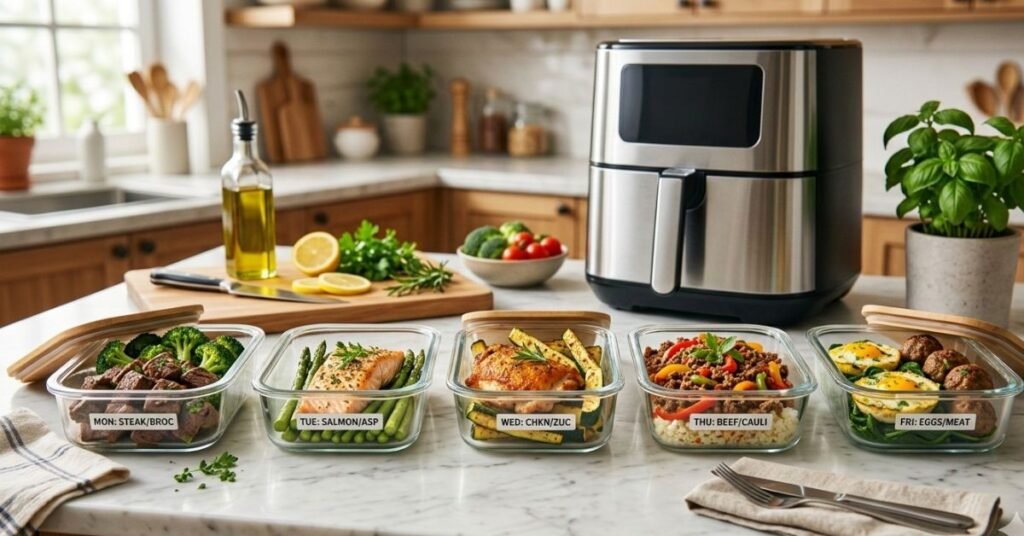
10 Healthy Meal Prep Ideas: The Ultimate Guide to Stress-Free Eating
meal prep

10 Healthy Meal Prep Ideas: The Ultimate Guide to Stress-Free Eating

Eating healthy sounds easy until Tuesday night arrives, you are tired from work, and the kitchen is empty. This is exactly why most diets fail. However, there is a solution that successful, fit people use every day: efficient meal planning. Meal prepping is the act of preparing your meals or ingredients ahead of time. It is a life-changing habit that ensures you always have a nutritious meal ready to go. In this guide, we will explore 10 healthy meal prep ideas that focus on nutritious batch cooking to save you time and money. Why You Should Start Meal Prepping Today Before we get into the recipes, let’s talk about why this works. When you have a pre-made meal, you remove the “decision fatigue” of choosing what to eat. This makes it much easier to stick to low-carb meal prep or a high-protein meal prep plan. The Essentials: What You Need in Your Kitchen To be successful, you don’t need a professional kitchen. You just need a few basic tools: 1. Protein-Packed Overnight Oats Breakfast is the most skipped meal, but it’s also the most important for energy. Overnight oats are the ultimate “no-cook” solution. 2. Mediterranean Quinoa Salad Quinoa is a complete protein, meaning it has all the essential amino acids your body needs. This salad is fresh, colorful, and stays crunchy for days. 3. Sheet-Pan Lemon Herb Chicken and Asparagus This is a favorite for those who hate doing dishes. Everything is cooked on one single tray. 4. Low-Carb Turkey Meatballs and Zoodles If you are looking for low-carb meal prep, this is a fantastic alternative to traditional pasta. 5. Spinach and Feta Egg Muffins Think of these as portable omelets. They are perfect for a high-protein meal prep breakfast or a mid-day snack. 6. Mason Jar Rainbow Salad The secret to a long-lasting salad is the “layering method.” 7. Honey Garlic Salmon and Roasted Broccoli Salmon provides essential Omega-3 fatty acids that are vital for brain health and reducing inflammation. 8. Sweet Potato and Black Bean Burrito Bowls This vegetarian meal is packed with plant-based protein and complex carbohydrates that give you steady energy throughout the day. 9. Lean Beef and Mixed Bell Pepper Stir-Fry Stir-frying is the fastest way to do nutritious batch cooking. You can cook a week’s worth of dinner in 15 minutes. 10. Red Lentil Soup (Hearty Daal) Lentils are incredibly cheap and full of protein and fiber. This soup is perfect for cold days. Comparison Table for Your Meal Plan Recipe Prep Time Fridge Life Best Benefit Overnight Oats 5 mins 4 Days Energy Boost Quinoa Salad 15 mins 5 Days High Protein Turkey Meatballs 30 mins 4 Days Low Carb Salmon & Broccoli 15 mins 2 Days Brain Health Lentil Soup 40 mins 5 Days Budget Friendly 5 Pro-Tips for Successful Meal Prepping Conclusion Healthy eating doesn’t have to be complicated or time-consuming. By choosing a few of these 10 healthy meal prep ideas, you can take back control of your diet and your schedule. Whether you choose the high-protein meal prep of turkey meatballs or the budget-friendly healthy recipes like lentil soup, the most important step is just to start. Frequently Asked Questions (FAQs) Q1: How long do prepped meals stay fresh? Most meals stay fresh for 3 to 4 days in the refrigerator. For 5-day prep, you should freeze the last two meals. Q2: Is meal prepping expensive? Actually, it saves you money! By buying ingredients in bulk and not ordering takeout, most people save $100–$200 a month. Q3: Can I lose weight with meal prepping? Yes. Since you control the portions and ingredients, you are much less likely to overeat or consume hidden sugars. Q4: Do I have to eat the same thing every day? Not at all! You can prep two different types of protein (like chicken and beans) and mix them with different vegetables to keep it interesting. Which of these recipes will you try this Sunday? Let me know in the comments below! Calculate My Calories

Pink Salt Trick Recipe: The Viral Detox Drink Everyone’s Trying
Weight Loss Drinks

Pink Salt Trick Recipe: The Viral Detox Drink Everyone’s Trying

Have you seen people on TikTok or Instagram putting salt in their water every morning? This is called the Pink Salt Trick Recipe. It is a very popular trend right now. Many people say it helps them lose weight and feel more energetic. In this blog, we will explain how to make it, why people love it, and what it actually does for your body. ⚖️ Check Your BMI Now What Is the Pink Salt Trick? The Pink Salt Trick is a simple morning hydration routine. You just mix warm water, a little bit of Himalayan pink salt, and some lemon juice. People use Himalayan pink salt because it is “raw” and natural. Unlike common white salt, it has special minerals like magnesium and potassium. These minerals help your body stay hydrated. Table: Pink Salt vs. Regular Table Salt Feature Himalayan Pink Salt White Table Salt Source Natural mountains Factory processed Minerals High (80+ minerals) Very low Chemicals No chemicals Often has “anti-clumping” chemicals Best For Health & Detox Basic Cooking Why Is Everyone Trying It for Weight Loss? Many people call this a detox drink for weight loss. But how does salt help you lose weight? Here is the simple truth: The Pink Salt Trick Recipe: Step-by-Step Making this drink takes less than 2 minutes. Here is exactly how to do it. Ingredients You’ll Need Instructions The Main Benefits Using this metabolism booster every day can change how you feel. Here are the main Himalayan salt water benefits: Viral Claims vs. Simple Science Social media videos often say, “Lose 5kg in 2 days!” This is usually not true. You cannot lose fat that fast just by drinking salt water. The Science: This drink helps your body work better. When your body works better and you eat healthy food, weight loss becomes much easier. It is a “helper,” not a “magic miracle.” Who Should Be Careful? Even though it is natural, it is not for everyone. You should avoid the Pink Salt Trick Recipe if: Final Conclusion: Is the Pink Salt Trick Worth It? In summary, the Pink Salt Trick Recipe is more than just a social media trend. It is a simple and natural way to improve your morning hydration routine and support your body’s electrolyte balance. While it is not a “magic drink” that will melt fat overnight, it is an excellent tool to reduce bloating, improve digestion, and give you a natural metabolism booster to start your day.  (FAQs) 1. Is it safe to drink every day? Yes, for most healthy people, one glass a day is fine. But do not use too much salt. A small pinch is enough. 2. Can I use sea salt instead? Sea salt is better than table salt, but Himalayan Pink Salt is the best choice for this specific trick because it has the most minerals. 3. Will it make me run to the bathroom? For some people, it helps with constipation (it cleans your bowels). If you have a sensitive stomach, start with a very small amount of salt. 4. Can I drink it cold? Warm water is better for digestion, but you can drink it cold if you prefer.

The Ultimate Guide to PBD Meal Prep for Beginners
meal prep

The Ultimate Guide to PBD Meal Prep for Beginners

Transitioning to a plant-based diet for beginners is a rewarding journey for your health. The secret to staying consistent is not just motivation, it is preparation. With PBD meal prep for beginners, you can ensure that you always have high-protein plant-based meals ready to eat. Why PBD Meal Prep Works Meal prepping is the practice of preparing your meals or ingredients ahead of time.  Step-By-Step Beginner’s Execution Plan Step 1: The Inventory Check (Saturday) Check what you already have. Look at your beans, grains, and spices. Make a list of only what you need to avoid overspending. Step 2: The Cooking Session (Sunday) Spend 2 hours in the kitchen: Step 3: Proper Storage How you store food determines how good it tastes on Wednesday. Three Easy PBD Recipes for Your Prep Day Here are three essential recipes that are perfect for budget-friendly meal prepping. You can cook these on a Sunday and eat them throughout the week. Recipe 1: The “Everything” Roasted Veggie Tray This is the base for many healthy PBD recipes. You can add these veggies to pasta, rice bowls, or wraps. Recipe 2: High-Protein Chickpea Salad This is one of the best easy vegan meal prep ideas because it requires zero cooking! Recipe 3: One-Pot Red Lentil Stew  Lentils are the king of high-protein plant-based meals.  Sample Weekly Meal Structure Using the recipes above, here is how your week could look: Day Lunch Dinner Monday Chickpea Salad Bowl Lentil Stew with Rice Tuesday Roasted Veggie & Hummus Wrap Lentil Stew with Rice Wednesday Chickpea Salad Bowl Roasted Veggie Pasta Thursday Quinoa & Lentil Bowl Roasted Veggie & Hummus Wrap Friday Leftover “Power Bowl” PBD Tacos (using Chickpeas) Pro-Tips for Freshness  As an experienced meal prepper, here are my top tips for beginners: Common Mistakes to Avoid Conclusion Mastering PBD meal prep for beginners is about making your life easier. Start with these three recipes, keep your pantry stocked, and watch how your health improves week by week. Frequently Asked Questions (FAQs) Q: How do I get enough protein? A: By including lentils, chickpeas, and nuts in your recipes, you will easily hit your protein goals. Q: Is meal prepping expensive? A: No, budget-friendly meal prepping relies on staples like beans and grains, which are much cheaper than meat. Q: Can I use frozen vegetables? A: Yes! Frozen veggies are great for stews and stir-fries and often have more vitamins than “fresh” store-bought ones. 📊 Calculate Your Macros Now

The Ultimate PBD Diet Plan for Weight Loss: A Science-Backed Guide
Weight Loss & Diet Plans

The Ultimate PBD Diet Plan for Weight Loss: A Science-Backed Guide

Transitioning to a PBD Diet Plan for Weight Loss is one of the most effective ways to shed unwanted pounds while nourishing your body. Unlike restrictive calorie-counting diets, a Whole-Food, Plant-Based (PBD) approach focuses on the quality of food. By eating plants in their most natural form, you can achieve sustainable weight loss without the constant feeling of hunger. What is a PBD Diet? PBD stands for a diet based on foods derived from plants, including vegetables, whole grains, legumes, and fruits, with little to no highly processed ingredients or animal products. Why PBD Works: The Core Mechanisms To understand why this plan is so effective, we must look at the nutritional science: Essential Foods to Include and Avoid For maximum weight loss, you need to know which foods are your “green light” foods and which ones to limit. The PBD Food Categories Food Group Examples Role in Weight Loss Leafy Greens Spinach, Kale, Lettuce Extremely low calorie; high in nutrients. Legumes Lentils, Chickpeas, Black Beans High plant-based protein sources and fiber. Whole Grains Oats, Quinoa, Brown Rice Provides steady energy and prevents cravings. Cruciferous Veggies Broccoli, Cauliflower, Cabbage Helps with liver detoxification and fat burning. Starchy Veggies Potatoes, Corn, Squash Satisfying “comfort” foods that prevent bingeing. Foods to Minimize (The “Red Light” List) 7-Day PBD Meal Plan Sample Here is a structured look at how your week could look using low-calorie plant-based recipes. Day Breakfast Lunch Dinner Mon Overnight Oats with Berries Chickpea Salad Wrap Lentil Bolognese with Zucchini Noodles Tue Green Smoothie (Spinach/Banana) Quinoa & Black Bean Bowl Roasted Vegetables & Tofu Wed Tofu Scramble with Veggies Red Lentil Soup Baked Sweet Potato with Greens Thu Chia Seed Pudding Hummus & Veggie Sandwich Cauliflower Steak with Mashed Potatoes Fri Fruit Salad with Walnuts Brown Rice & Dal (Lentils) Mushroom & Spinach Stir-fry Sat Whole Grain Pancakes (no oil) Big Garden Salad with Beans Plant-based Chili Sun Savory Oatmeal with Herbs Leftover Chili Vegetable Paella Expert Tips for Success To make your journey successful, follow these sustainable weight loss tips used by nutritional experts: Potential Challenges and Solutions Conclusion The PBD Diet Plan for Weight Loss is not a “starvation diet.” It is an abundance-based way of eating that allows you to enjoy whole, delicious foods while naturally reaching your goal weight. By prioritizing fiber, nutrients, and whole plants, you are choosing a path of long-term health and vitality. FAQs: How fast will I see results on the PBD Diet Plan for weight loss? Most people notice a decrease in bloating within the first 48 hours. Consistent fat loss usually averages 1–2 pounds per week, depending on your starting point and activity level. Is a plant-based diet safe for everyone? Generally, yes. However, people with specific medical conditions like kidney disease should consult a doctor, as certain plant foods are high in potassium or oxalates. Do I need to take supplements? The only mandatory supplement on a strict PBD is Vitamin B12. You might also consider Vitamin D and Omega-3 (Algae-based) depending on your blood work and sunlight exposure. Can I eat pasta on this plan? Yes! Choose whole-wheat, chickpea, or lentil-based pasta. Avoid heavy cream-based sauces and opt for tomato or vegetable-based sauces instead. ⚖️ Check Your BMI Now

The Ultimate Guide to the PBD Diet: Transform Your Health with Plant-Based Living
Weight Loss & Diet Plans

The Ultimate Guide to the PBD Diet: Transform Your Health with Plant-Based Living

In recent years, the conversation around nutrition has shifted dramatically. No longer are we just asking about calories; we are asking about the source, the impact on our bodies, and the impact on our planet. Enter the PBD Diet (Plant-Based Diet)—a lifestyle choice that is backed by science and embraced by millions worldwide. But what exactly is it? Is it just a fancy word for being vegan? Not quite. In this guide, we will explore the nuances of a whole-food plant-based diet (WFPB), its life-changing benefits, and how you can transition smoothly without feeling deprived. 1. What exactly is the PBD Diet? At its core, a PBD focuses on foods derived from plants. This includes not just fruits and vegetables, but also nuts, seeds, oils, whole grains, legumes, and beans. Unlike strict veganism, which is often defined by the total exclusion of animal products, a PBD is defined by the inclusion of nutrient-dense plant foods. PBD vs. Vegan: Key Differences Feature Plant-Based Diet (PBD) Veganism Primary Focus Health and Nutrition Animal Ethics/Rights Food Quality Emphasizes whole, unprocessed foods Can include “junk” vegan food Flexibility May occasionally include small amounts of animal products Strictly zero animal products Lifestyle Focused on dietary habits Includes clothing, makeup, and lifestyle 2. The Science-Backed Benefits of PBD Research consistently shows that shifting toward plant-centric eating is one of the most effective ways to manage long-term health. Key Health Advantages: 3. Addressing the Protein Myth The first question every plant-based eater hears is: “But where do you get your protein?” It is a common misconception that protein only comes from animals. To thrive, you need to diversify your plant-based protein sources. Top Plant-Based Protein Sources Food Item Protein Content (Approx.) Key Nutrients Lentils (1 Cup) 18g Iron, Fiber, Folate Tofu (100g) 8g – 10g Calcium, Manganese Quinoa (1 Cup) 8g All 9 Essential Amino Acids Chia Seeds (2 tbsp) 4g Omega-3 Fatty Acids Chickpeas (1 Cup) 15g Potassium, Magnesium 4. The Environmental Impact Adopting sustainable eating habits isn’t just a personal health win; it’s a win for the Earth. 5. How to Build Your PBD Plate To ensure you are getting a balance of vitamins and minerals, focus on nutrient-dense plant foods. Use the following guide to structure your meals: The Daily Checklist: 6. Overcoming Common Challenges Transitioning doesn’t have to happen overnight. Here is how to build sustainable eating habits that last: Conclusion: A Lifestyle, Not a Sentence The PBD diet is not about perfection; it’s about progress. Whether you go 100% plant-based or simply start enjoying “Meatless Mondays,” your body will thank you. By prioritizing whole-food plant-based diet (WFPB) principles, you are investing in a future of vitality and chronic disease prevention. Frequently Asked Questions (FAQs) Q: Is the PBD diet expensive? A: No. While “vegan specialty products” can be pricey, the staples of a whole-food plant-based diet (WFPB)—like potatoes, rice, lentils, and seasonal vegetables—are the most affordable foods in the world. Q: Will I get enough Iron on a PBD? A: Yes. Spinach, lentils, and fortified cereals are great sources. To increase absorption, always pair iron-rich foods with Vitamin C (like squeezing lemon on your lentils). Q: Do I need to take supplements? A: Most people on a PBD should take a Vitamin B12 supplement, as this is primarily found in animal products. Consult your doctor for personalized advice. Q: Can I still eat out? A: Absolutely. Most restaurants now offer plant-based options. Focus on cuisines like Indian, Mediterranean, or Thai, which naturally feature many plant-centered dishes. Macro Calc MaintainLoseGain Calculate Cal Prot Fat Carb

Scroll to Top