Sushi is a fantastic, delicious, and incredibly popular meal all over the world. However, if you are actively watching your diet, trying to lose weight, or managing your macronutrients, you might wonder about the specific details of what you are eating. When you are tracking your daily food intake, knowing the exact avocado salmon roll calories is absolutely essential.
As a professional nutritionist, I constantly help clients build effective, high-protein diet plans that are easy to stick to. I always recommend this specific sushi roll to my clients. It provides a beautifully balanced meal that satisfies your cravings for takeout without ruining your hard work and progress.
In this comprehensive guide, we will dive deep into the exact calorie count, the incredible health benefits, the detailed nutritional breakdown, and how you can seamlessly fit this delicious meal into your daily routine.
How Many Calories Are in an Avocado Salmon Roll?
When you order from a restaurant or buy a pre-packaged box from a grocery store, a standard avocado salmon roll usually contains 6 to 8 pieces. On average, the entire roll contains between 250 and 360 calories.
Because of this relatively low number, it stands out as one of the very best low-calorie sushi options available on any menu.
If we break the numbers down per piece, you are looking at about 35 to 45 calories each. However, it is important to remember that the total calorie count depends heavily on how the chef prepares it. The amount of sticky white rice used and whether any extra sauces are drizzled inside or on top will significantly change the final number. Rolls with thicker layers of rice will be closer to the 360-calorie mark, while rolls made with very thin layers of rice will stay closer to 250 calories.
Detailed Nutritional Breakdown
Taking a closer look at the salmon avocado sushi nutrition profile shows exactly why this is such a highly recommended choice for fitness enthusiasts. It is packed with healthy, natural fats and muscle-building nutrients.
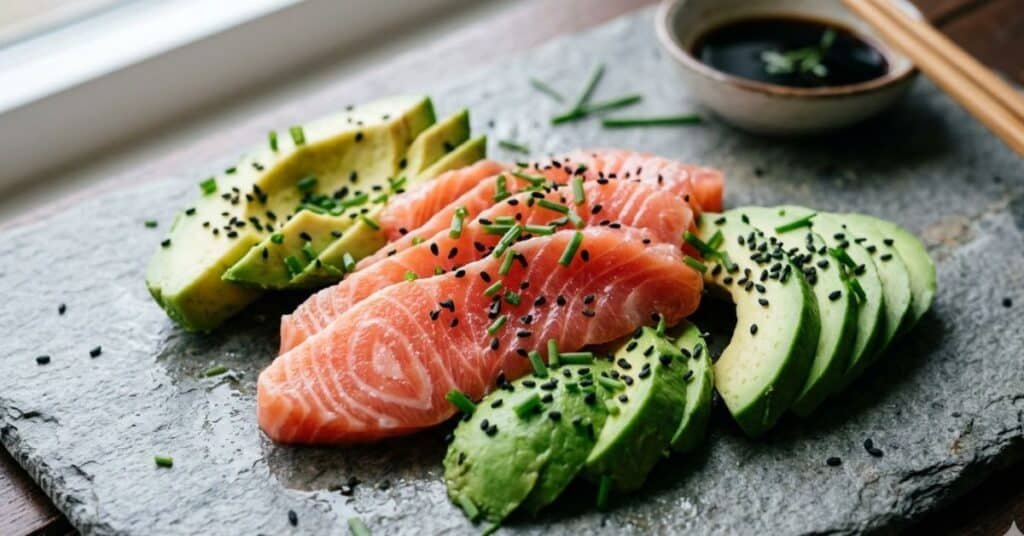
Here is the precise nutritional breakdown for a standard 6-piece roll:
| Nutrient | Amount Per Serving (6 pieces) | Why Your Body Needs It |
| Calories | 250 – 360 kcal | Provides essential daily energy. |
| Protein | 10g – 14g | Repairs muscles and boosts metabolism. |
| Total Fat | 9g – 14g | Supports brain function and hormone health. |
| Carbohydrates | 25g – 50g | Fuels your workouts and daily activities. |
| Dietary Fiber | 2g – 4g | Aids digestion and keeps you full. |
| Sodium | 400mg – 700mg | Maintains fluid balance (but watch the soy sauce!). |
As you can clearly see from the table above, this is a brilliant example of healthy high-protein sushi. The excellent combination of premium protein from the fish and healthy fats from the avocado keeps your energy levels stable throughout the day and prevents sudden sugar crashes.
Editor’s Note: If you are following modern health trends like the 30-30-30 rule (getting 30 grams of protein within 30 minutes of waking up), this roll makes a fantastic lunch to keep that high-protein momentum going strong through the rest of your day.
Health Benefits: Why It is Good for You
This roll offers much more than just a diet-friendly calorie count. The main ingredients are considered natural superfoods that actively support your overall well-being.
- Exceptional Heart Health: Fresh salmon is famously rich in Omega-3 fatty acids. These specific healthy fats are known to reduce inflammation in the body, lower blood pressure, and keep your heart functioning strongly.
- Healthy Fats for Fullness: Avocados are completely full of monounsaturated fats. This specific type of fat is digested slowly. It keeps you feeling full and satisfied for a much longer time, which naturally stops you from reaching for unhealthy, sugary snacks later in the afternoon.
- Essential Vitamins and Minerals: Every bite gives you a great dose of Vitamin B12 for energy, Vitamin D for bone health, Biotin for glowing skin, and Potassium for healthy muscle function.
- Seaweed Superpower: The Nori (seaweed) used to wrap the sushi is highly rich in iodine, which is crucial for maintaining a healthy thyroid and a fast, efficient metabolism.
Comparing Sushi Rolls: Which is the Healthiest?
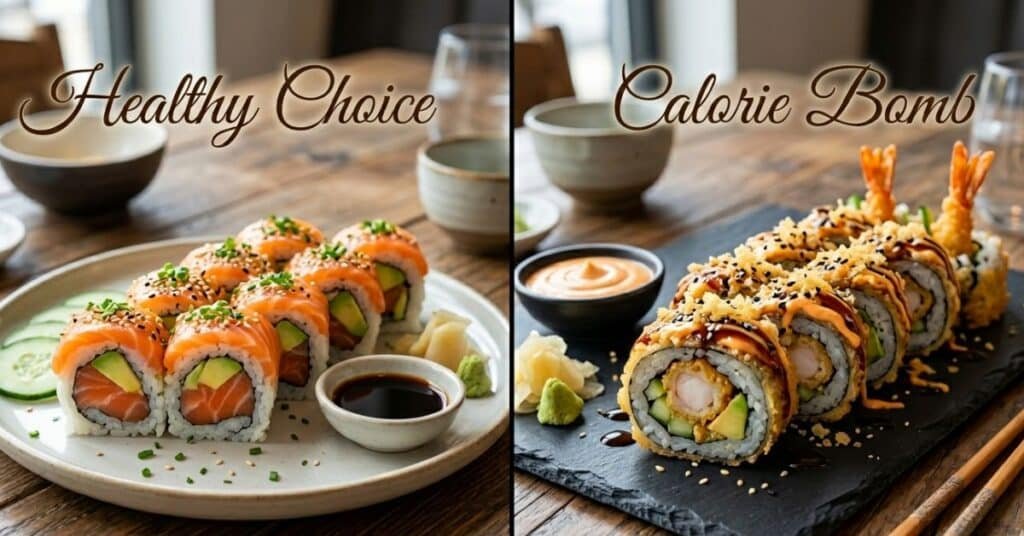
To understand why the avocado salmon roll is a superior choice, it helps to compare it to other popular sushi items you might find on a restaurant menu.
| Sushi Roll Type | Average Calories (6-8 pcs) | Protein Quality | Health Rating |
| Avocado Salmon Roll | 250 – 360 kcal | Excellent (Fresh Fish) | (Best) |
| California Roll | 250 – 300 kcal | Low (Imitation Crab) | (Fair) |
| Spicy Tuna Roll | 290 – 350 kcal | Good (Mixed with Mayo) | (Good) |
| Shrimp Tempura Roll | 500 – 550 kcal | Moderate (Deep Fried) | (Avoid) |
| Philadelphia Roll | 320 – 400 kcal | Good (Heavy Cream Cheese) | (Fair) |
When we compare it to a standard California Roll (which usually uses highly processed imitation crab meat), the salmon avocado roll easily wins because it offers real, high-quality fish protein. When compared to heavier options like Shrimp Tempura, it is the clear winner for clean eating and weight loss.
Beware of Hidden Calories
Even the cleanest, healthiest meal can quickly become unhealthy if you add the wrong extras. If your ultimate goal is finding the absolute best weight loss sushi rolls, you must watch out for these common hidden calorie traps:
- Spicy Mayo and Sweet Sauces: A simple, innocent-looking drizzle of spicy mayonnaise or sweet eel sauce can easily add 50 to 100 extra calories to your meal. Always ask your server to put these sauces on the side so you can control the exact amount.
- Crunchy Tempura Flakes: Those delicious crunchy bits often sprinkled on top of sushi or rolled inside are deep-fried in oil. They add completely unnecessary fat and empty calories. Stick to fresh ingredients instead.
- High Sodium Levels: Dipping your sushi in too much traditional soy sauce will rapidly increase your daily sodium intake. This can cause uncomfortable water retention, bloating, and temporary weight gain on the scale. Always request low-sodium soy sauce and use it lightly.
How to Meal Prep a Low-Calorie Version at Home
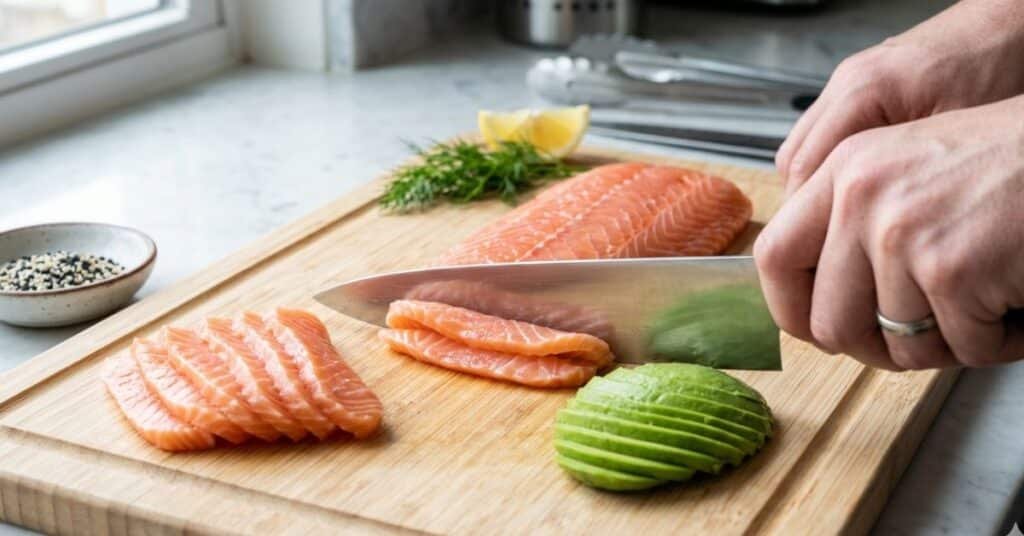
Making your own sushi at home gives you 100% control over the ingredients. It is also surprisingly easy once you get the hang of it, making it a perfect addition to your weekly meal prepping routine.
- Swap the Rice: To significantly lower the carbs in salmon roll, try swapping the traditional sticky white rice for lightly steamed cauliflower rice. If you want an even lighter option, you can skip the rice entirely and use a very thin cucumber wrap (this is widely known as Naruto style).
- Control Your Portions: For the perfect nutritional balance, use exactly 2 ounces of fresh, sushi-grade salmon and exactly one-quarter of a medium avocado per roll.
- Use a Bamboo Mat: Place your seaweed sheet (nori) on a bamboo mat, add your ingredients carefully, and roll it as tightly as possible to keep everything together.
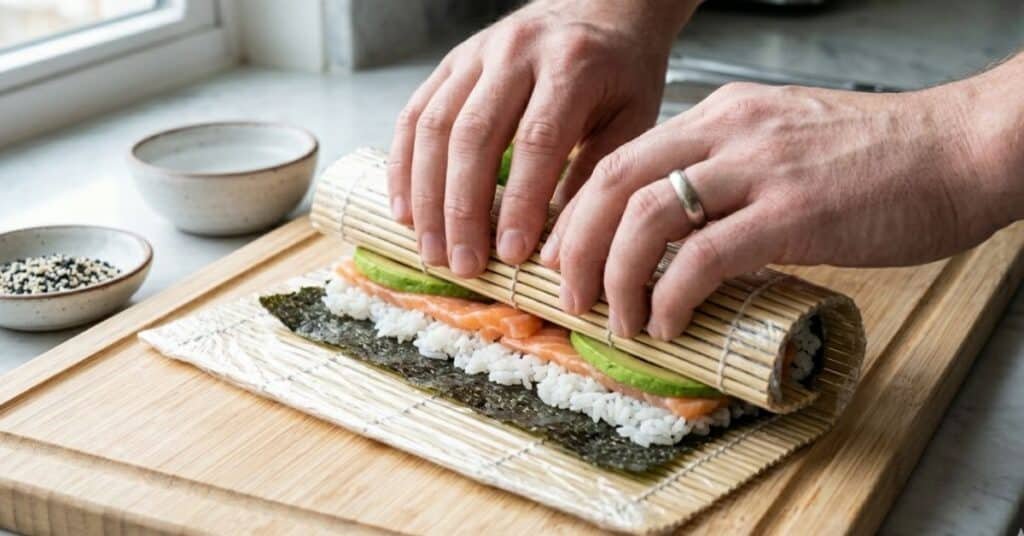
Making it at home ensures you get a wonderfully clean, high-protein meal that fits perfectly into your meal plan without any hidden surprises.
Final Thoughts
The avocado salmon roll is a highly nutritious, incredibly tasty, and deeply satisfying option whether you are eating out at a restaurant or carefully prepping meals in your own kitchen. By simply keeping an eye on the rice portions, prioritizing fresh ingredients, and skipping the extra creamy sauces, you can easily enjoy this wonderful meal while staying firmly on track with your personal health and fitness goals.
(FAQs)
1. Is an avocado salmon roll genuinely good for weight loss?
Yes, absolutely! As long as you eat it in sensible moderation and strictly avoid heavy, creamy sauces like spicy mayo, it is a perfect weight loss meal. The protein and healthy fats keep you full, which prevents overeating later in the day.
2. How many carbohydrates are in one standard roll?
A standard restaurant roll made with regular white sushi rice contains about 25 to 50 grams of carbohydrates. You can easily reduce this by asking the chef for “less rice” or choosing a brown rice alternative.
3. Can I eat this safely on a high-protein diet?
Yes. Providing up to 14 grams of high-quality protein per serving, it is a fantastic and delicious addition to any high-protein lifestyle. You can also pair it with a side of steamed edamame beans to boost your total protein intake for the meal even further.
4. Is it safe to eat salmon avocado rolls every day?
While it is very healthy, eating raw fish every single day is not always recommended due to potential mercury levels in seafood. It is best to enjoy this roll 2 to 3 times a week as part of a varied, balanced diet.
5. What is the difference between a salmon roll and an avocado salmon roll?
A plain salmon roll (Salmon Maki) contains only raw salmon and rice wrapped in seaweed, making it slightly lower in calories but also lower in healthy fats. Adding avocado increases the calorie count slightly but massively improves the nutritional value, texture, and ability to keep you full.
Consult your doctor before starting any diet plan.