The transition to a low-carb lifestyle is a powerful move for weight management, blood sugar control, and sustained energy levels. However, the most common reason people fail within the first two weeks isn’t a lack of willpower—it’s a lack of preparation.
When you are tired after a long workday, your brain naturally seeks the quickest source of energy: carbohydrates. Low carb meal prep for beginners is the strategic solution to this biological trap. By preparing your meals in advance, you remove the “choice” and replace it with a “ready-to-eat” healthy reality.
1. Understanding the Low Carb Framework
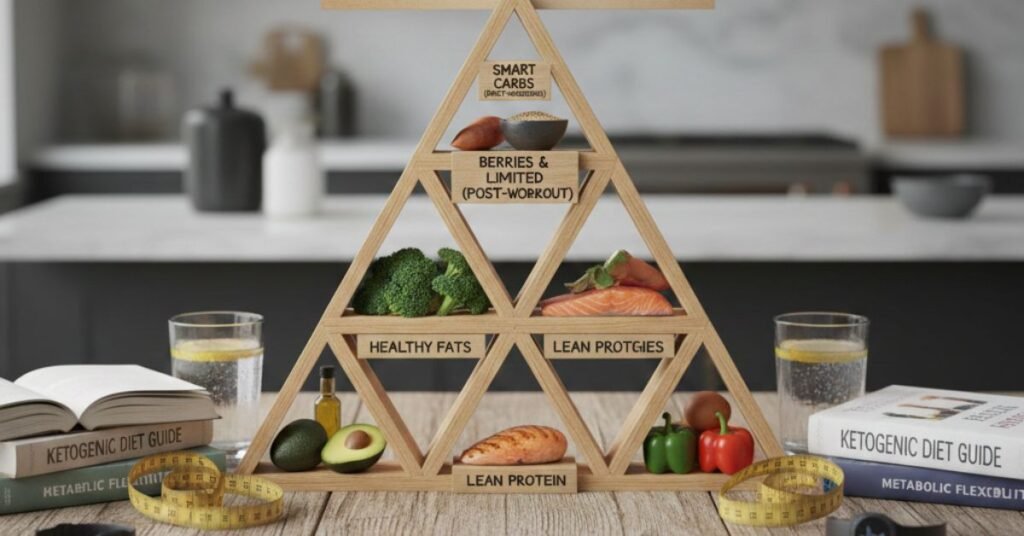
Before you start chopping vegetables, you must understand what “Low Carb” means for your body. Unlike a standard diet where 50-60% of calories come from carbs, a low-carb diet typically limits intake to between 20g and 100g of net carbs per day, depending on your goals.
The “Net Carb” Calculation
To meal prep effectively, you need to understand Net Carbs. This is the only number that truly impacts your blood sugar.
$$Net\ Carbs = Total\ Carbohydrates – Fiber$$
Since fiber isn’t digested, it doesn’t count toward your daily limit.
2. Essential Low Carb Grocery List
A successful meal prep starts at the grocery store. Beginners should focus on “whole foods” found in the outer aisles.
Proteins (The Foundation)
- Chicken: Thighs are more flavorful and budget-friendly than breasts.
- Eggs: The most versatile protein source for breakfast and snacks.
- Ground Beef/Turkey: Perfect for “bowls” and quick stir-fries.
- Fatty Fish: Salmon or mackerel for healthy Omega-3s.
Vegetables (The Bulk)
Focus on “above-ground” vegetables, as they are generally lower in starch:
- Cruciferous: Broccoli, Cauliflower, Cabbage.
- Leafy Greens: Spinach, Kale, Lettuce.
- Hydrating Veggies: Zucchini, Cucumber, Bell Peppers.
Healthy Fats (The Energy)
- Avocados: High in potassium and healthy fats.
- Oils: Extra Virgin Olive Oil, Avocado Oil, and Grass-fed Butter.
- Nuts/Seeds: Almonds, Walnuts, Chia seeds (in moderation).
3. Weekly Low Carb Prep Strategy (Step-by-Step)
Step 1: The “Power Hour” Planning
Do not go to the store without a plan. Spend 20 minutes on Friday night picking 3 main proteins and 4 vegetables. This prevents “impulse buying” of high-carb snacks.
Step 2: Batch Cooking
Instead of cooking 21 individual meals, cook components.
- Roast: Toss cauliflower and broccoli in olive oil and roast at 200°C for 25 minutes.
- Protein: Grill or bake all your chicken and beef at once.
- Base: Prepare a large batch of “Cauliflower Rice” or “Zoodles.”
Step 3: The Assembly Line
Use airtight, BPA-free containers. Layer your food to prevent sogginess:
- Bottom: Protein (e.g., Grilled Chicken)
- Middle: Fibrous Veggies (e.g., Green Beans)
- Top: Garnish or Fats (e.g., a slice of lemon or a small container of dressing)
4. Comparison Table: Low Carb vs. Traditional Meal Prep
| Feature | Traditional Meal Prep | Low Carb Meal Prep |
| Main Base | Rice, Pasta, or Potatoes | Cauliflower Rice, Zoodles, or Greens |
| Primary Energy Source | Glucose (Carbohydrates) | Healthy Fats & Protein |
| Satiety Level | Moderate (may feel hungry fast) | High (Protein/Fat keep you full longer) |
| Prep Focus | Boiling grains | Roasting veggies & Searing meats |
| Blood Sugar Impact | High Spikes | Stable & Consistent |
5. Low Carb Meal Prep on a Budget
One of the biggest myths is that low carb is only for the wealthy. Here is how to keep costs down:
- Frozen Over Fresh: Frozen broccoli, spinach, and cauliflower are flash-frozen at peak nutrition and are often 50% cheaper.
- The Power of Cabbage: Cabbage is incredibly cheap, lasts weeks in the fridge, and is very low in carbs. Use it for stir-fries (Crack Slaw).
- Store Brands: Buy generic olive oil and spices.
- Canned Proteins: Canned tuna and sardines are excellent, shelf-stable, low-carb proteins.
6. Sample 3-Day Beginner Meal Plan
| Day | Breakfast | Lunch | Dinner |
| Day 1 | 2 Boiled Eggs + 1/2 Avocado | Grilled Chicken + Spinach Salad | Ground Beef + Zucchini Noodles |
| Day 2 | Low-Carb Yogurt + Walnuts | Leftover Ground Beef Stir-fry | Baked Salmon + Roasted Broccoli |
| Day 3 | Spinach & Feta Omelet | Tuna Salad (no bread) + Celery | Chicken Thighs + Cauliflower Mash |
7. Storage, Reheating, and Food Safety
To maintain the Experience and Trustworthiness of your prep:
- The 4-Day Rule: Most cooked meals last 4 days in the fridge. If you prep for 7 days, freeze the meals for days 5, 6, and 7 immediately.
- Reheating Tip: When reheating chicken, add a teaspoon of water or a damp paper towel over the container to keep the meat from getting “rubbery.”
- Container Choice: Glass is superior for reheating as it doesn’t leach chemicals and keeps the flavor intact.
8. Conclusion
Success in low carb meal prep for beginners doesn’t require being a chef. It requires a system. By focusing on simple protein-veggie combinations, buying in bulk, and dedicating a few hours a week to batch cooking, you can transform your health without the daily stress of “what’s for dinner?”
(FAQs)
Q: Can I eat beans or lentils?
A: Most beans are high in starch. For strict low-carb, avoid them. For a moderate approach, black beans can be used in small quantities.
Q: How do I handle the “Keto Flu” during the first week?
A: This is usually dehydration. Increase your salt (sodium) and magnesium intake. Drinking bone broth is a great beginner hack.
Q: Is “Dirty Keto” or “Low Carb Fast Food” okay?
A: While it may be low in carbs, processed meats and cheap oils increase inflammation. Stick to whole foods for the best health results.
Q: What are the best low-carb snacks?
A: Almonds, string cheese, olives, and cucumbers with cream cheese are excellent prep-friendly snacks.