The rise of injectable weight-loss medications like Mounjaro (Tirzepatide) has revolutionized how we think about metabolic health. Mounjaro works by mimicking two key hormones in the body: Glucagon-like peptide-1 (GLP-1) and Glucose-dependent insulinotropic polypeptide (GIP). These hormones signal the brain to feel full, slow down gastric emptying, and help the pancreas regulate insulin.
But can you achieve these effects without a prescription? While no food is as potent as a concentrated pharmaceutical, certain dietary choices can naturally stimulate these same hormonal pathways.
In this guide, we explore foods that mimic Mounjaro naturally and how to optimize your biology for sustainable weight management.
Please note: This article is for general education only and is not medical advice. Foods can support your body’s natural hunger and blood sugar signals, but they do not replace prescription medication. If you take Mounjaro, metformin, insulin, or any other medicine, talk to your doctor before changing your diet or adding supplements.
Understanding the “Mounjaro Effect”
To mimic Mounjaro, we must understand its dual-action mechanism. It targets receptors that control appetite and blood sugar. When we eat specific nutrients, our “L-cells” in the gut lining release natural GLP-1. By focusing on natural GLP-1 stimulating foods, we can improve satiety and reduce the “food noise” that often leads to overeating.
1. High-Fiber Powerhouses: The Foundation of Fullness
Fiber is perhaps the closest thing nature has to a weight-loss drug. Specifically, fermentable viscous fiber is crucial because it stays in the digestive tract longer and triggers hormone release.
Barley and Oats
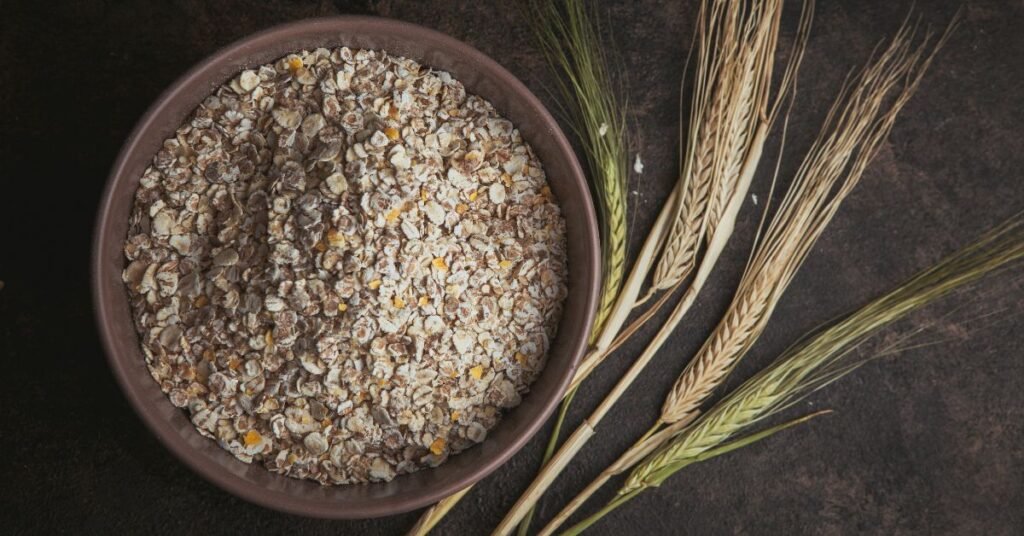
These grains are rich in beta-glucan, a type of soluble fiber that forms a gel-like substance in the gut and slows digestion. In studies, oat beta-glucan has been shown to increase feelings of fullness and reduce blood sugar spikes after meals. Its direct effect on GLP-1 is less clear, so think of oats and barley as helpful for fullness and blood sugar control rather than a direct GLP-1 booster.
Legumes (Lentils, Chickpeas, and Beans)
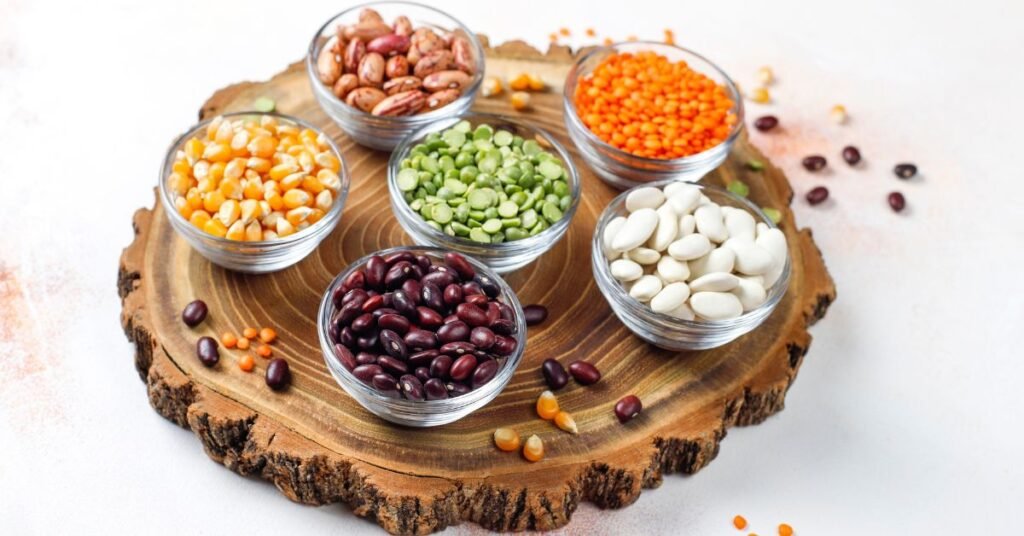
Legumes are a “double threat” because they contain both high fiber and plant-based protein. They are also rich in resistant starch, which ferments in the large intestine, producing short-chain fatty acids (SCFAs) like butyrate, which are proven to boost satiety hormones.
2. Lean Proteins: The Satiety Signalers
Protein is the most filling macronutrient and has a higher thermic effect than fat or carbs, meaning your body burns more energy digesting it. Protein-rich meals can also stimulate gut hormones such as GLP-1 and GIP, which help signal fullness.
Eggs
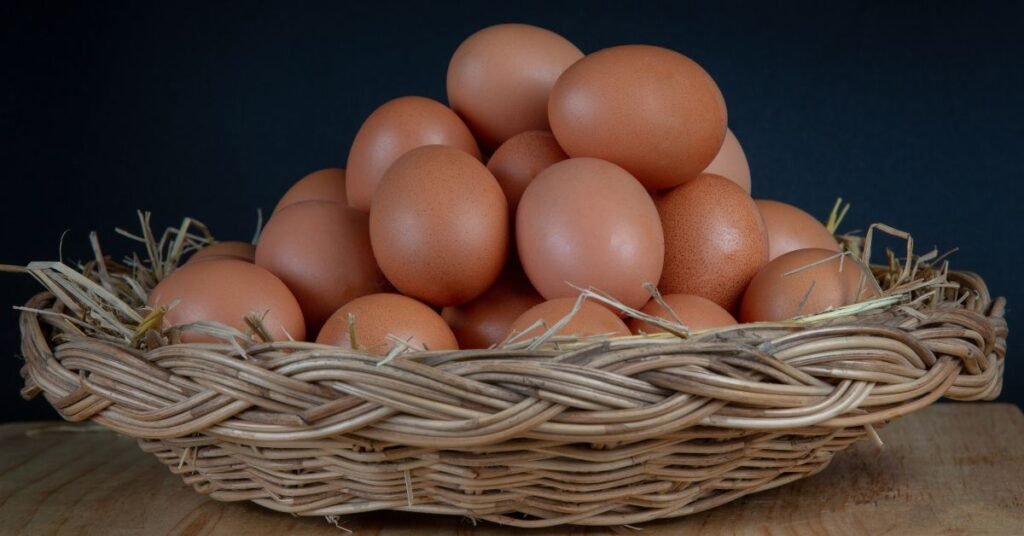
Eggs are a popular choice for weight management. Research suggests that a high-protein breakfast that includes eggs can reduce hunger and help people feel full for longer compared with a low-protein breakfast. This may help you eat less later in the day.
Greek Yogurt and Whey
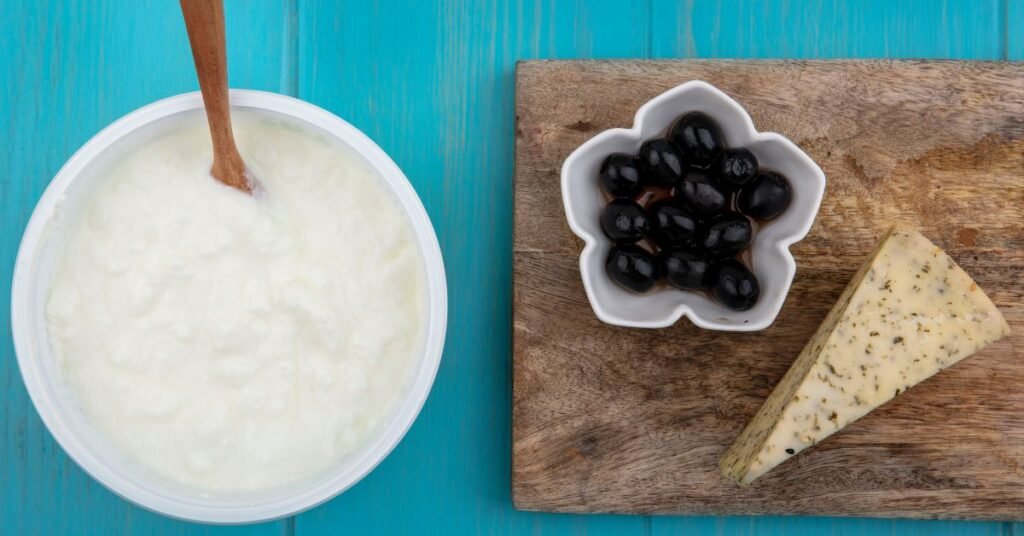
Dairy protein contains bioactive peptides. Whey protein, in particular, has been shown in some studies to increase feelings of fullness and stimulate the release of GLP-1 and GIP after a meal. Greek yogurt is an easy, protein-rich option that also provides probiotics.
3. Healthy Fats: Slowing Down the System
Mounjaro slows gastric emptying (how fast food leaves your stomach). Fats and fiber in your meals can also slow digestion naturally, which helps you stay full for longer.
Avocados
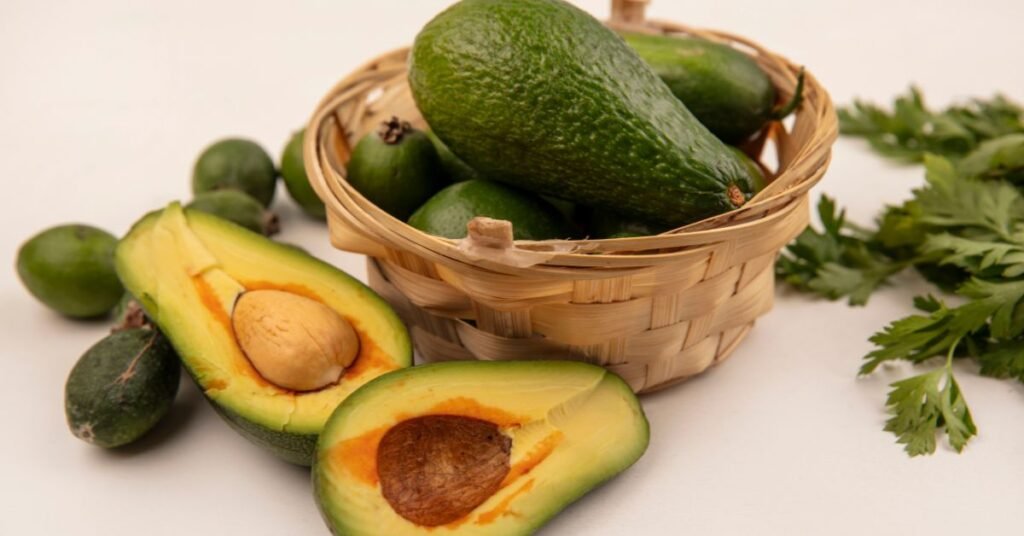
Avocados are rich in monounsaturated fats and fiber. Some small studies suggest that adding avocado to a meal may increase fullness and reduce the desire to eat afterward. More research is needed, but swapping refined carbs for avocado is a simple way to add fiber and healthy fat to your plate.
Olive Oil (EVOO)
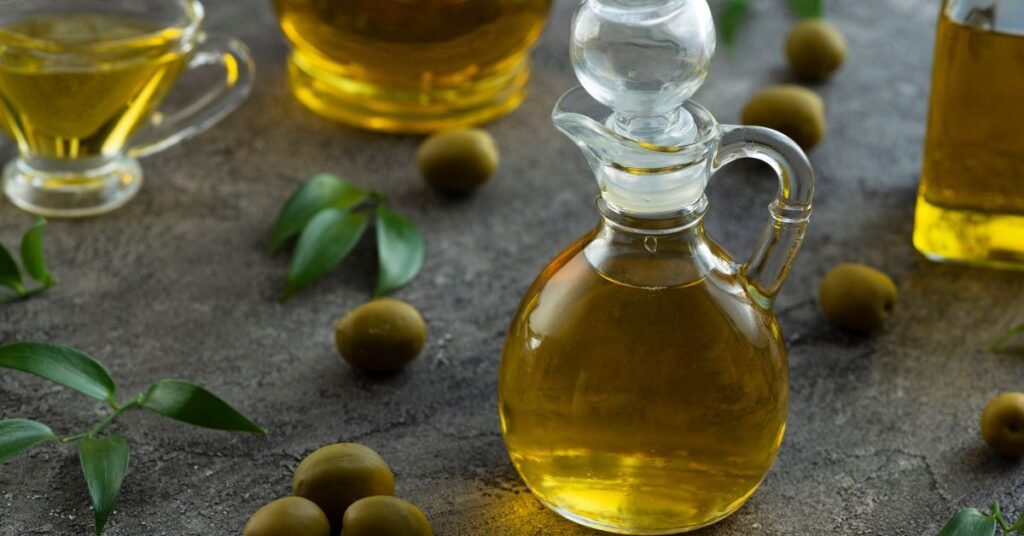
Extra virgin olive oil is rich in oleic acid, a monounsaturated fat. In the gut, oleic acid is converted into a compound called oleoylethanolamide (OEA), which has been linked to feelings of fullness in animal and early human research. Use it to dress salads or finish cooked vegetables rather than adding large amounts, since it is calorie-dense.
4. Nature’s “Secret” Ingredients
Beyond basic macros, specific compounds act as metabolic health boosters by influencing the same pathways as Tirzepatide.
Berberine: A Supplement With Limited Evidence
Berberine is a compound found in plants such as goldenseal and barberry. It is a supplement, not a food. Some studies show it may modestly improve blood sugar and insulin sensitivity, but it is not equivalent to GLP-1 medications like Mounjaro. Berberine can interact with several medicines (including metformin and blood thinners) and is not recommended during pregnancy. Speak with your doctor or pharmacist before trying it.
Apple Cider Vinegar (ACV)
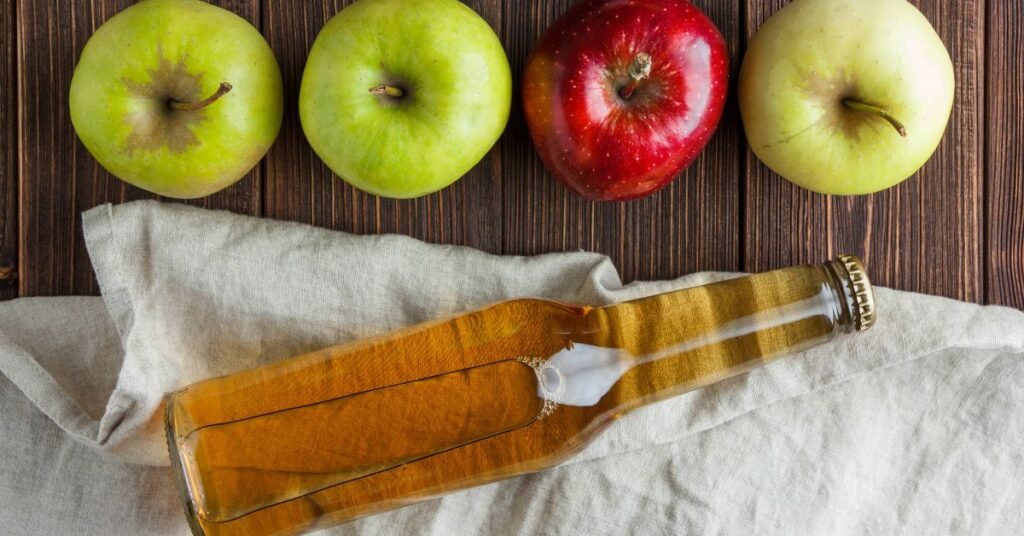
Some small studies suggest that vinegar taken before a carbohydrate-rich meal may reduce the rise in blood sugar afterward. If you try it, always dilute it in water, since undiluted vinegar can irritate your throat and damage tooth enamel. Check with your doctor first if you have diabetes, acid reflux, or take diabetes medication.
5. The Role of the Gut Microbiome
Your gut bacteria play a role in how your body produces satiety signals. Fermented foods such as kefir, kimchi, sauerkraut, and plain yogurt may support a healthy, diverse microbiome. Research in this area is still developing, but adding fermented foods and a variety of plant fibers is a low-risk way to support gut health.
Sample “Natural Mounjaro” Daily Meal Plan
| Meal | Choice | Why it Works |
| Breakfast | 2 Poached Eggs with half an Avocado | High protein and healthy fats trigger early GLP-1 release. |
| Lunch | Lentil Soup with a side of Spinach | High fiber and resistant starch for sustained energy. |
| Snack | Greek Yogurt with Chia Seeds | Probiotics and omega-3s for gut-brain signaling. |
| Dinner | Baked Salmon with Broccoli and Quinoa | Lean protein and complex carbs for overnight blood sugar stability. |
Simple Ways to Add These Foods to Your Day
- Start with fiber: Add a small portion of oats, lentils, or chickpeas to one meal a day, then increase gradually.
- Build every plate around protein: Aim to include a protein source such as eggs, yogurt, fish, chicken, or legumes at each meal.
- Add a healthy fat: A few slices of avocado or a drizzle of olive oil is enough.
- Try familiar foods: Dal, chana, rajma, plain dahi, and oats porridge are affordable, fiber-rich options that fit many home-cooked meals.
- Drink water: Increase fiber slowly and drink plenty of water to avoid bloating.
Comparison: Medication vs. Natural Approach
- Potency: Mounjaro is a prescription medication that strongly activates GLP-1 and GIP receptors. Foods have a much smaller, gentler effect on the same hormones.
- Side Effects: Medications can cause nausea, constipation, or stomach upset. Dietary changes can cause temporary bloating if fiber is increased too quickly.
- Who it’s for: Mounjaro is prescribed for specific medical conditions and should only be started or stopped under a doctor’s guidance. A food-first approach is a helpful foundation for anyone, whether or not they use medication.
- Long-term habits: Healthy eating habits support metabolic health over time, including if medication is ever reduced or stopped under medical supervision.
Conclusion: Empowering Your Metabolism
No food can replicate the effect of a prescription medication like Mounjaro. However, choosing foods rich in fiber, protein, and healthy fats can support your body’s natural fullness signals and help steady blood sugar. Small, consistent changes tend to work better than extreme diets.
The best approach is consistency. Start by adding one GLP-1 boosting food to every meal, and watch how your “food noise” begins to fade.
Frequently Asked Questions (FAQs)
1. Can food actually replace Mounjaro?
No. Food cannot match the potency of a prescription drug. However, fiber, protein, and healthy fats can support your body’s natural GLP-1 response and help you feel fuller. Never stop or change a prescribed medication without talking to your doctor.
2. How long does it take to see results naturally?
It varies from person to person. Some people notice better fullness and fewer cravings within a few weeks of consistent changes, while weight changes usually take longer and depend on your overall diet, activity, and health.
3. Is Berberine really “Nature’s Mounjaro”?
No. Berberine may modestly help blood sugar in some studies, but it is not a substitute for GLP-1 medications. It can interact with other medicines and is not safe for everyone, so check with a healthcare professional before using it.
4. Are there side effects to a “Natural Mounjaro” diet?
The most common side effect is temporary gas or bloating. Increase fiber gradually and drink plenty of water to help your body adjust.
5. Can I follow this diet if I have diabetes or take medication?
Possibly, but you should speak with your doctor or dietitian first. Changes in diet can affect blood sugar and how your medication works.
Medical Disclaimer: The information in this article is for educational purposes only and is not a substitute for professional medical advice, diagnosis, or treatment. Always consult your doctor or a registered dietitian before making major changes to your diet, starting supplements, or changing any medication.
About the author: Kiran writes about meal prep, nutrition, and healthy eating habits at PrepSlim.