prepslim.com

Weight Loss & Diet Plans

The Ultimate Guide to Intermittent Fasting and Meal Prep: Your Simple Path to Success
Weight Loss & Diet Plans

The Ultimate Guide to Intermittent Fasting and Meal Prep: Your Simple Path to Success

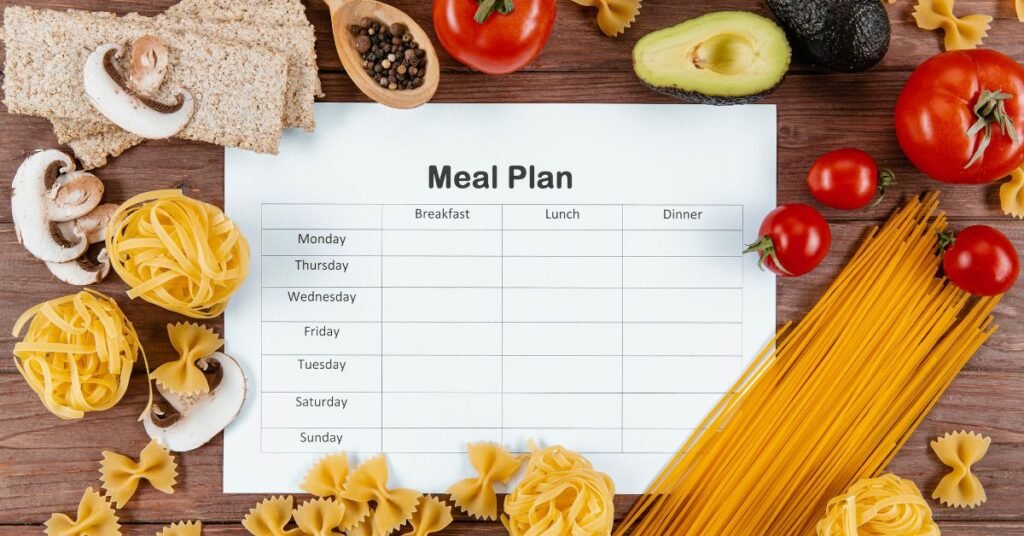
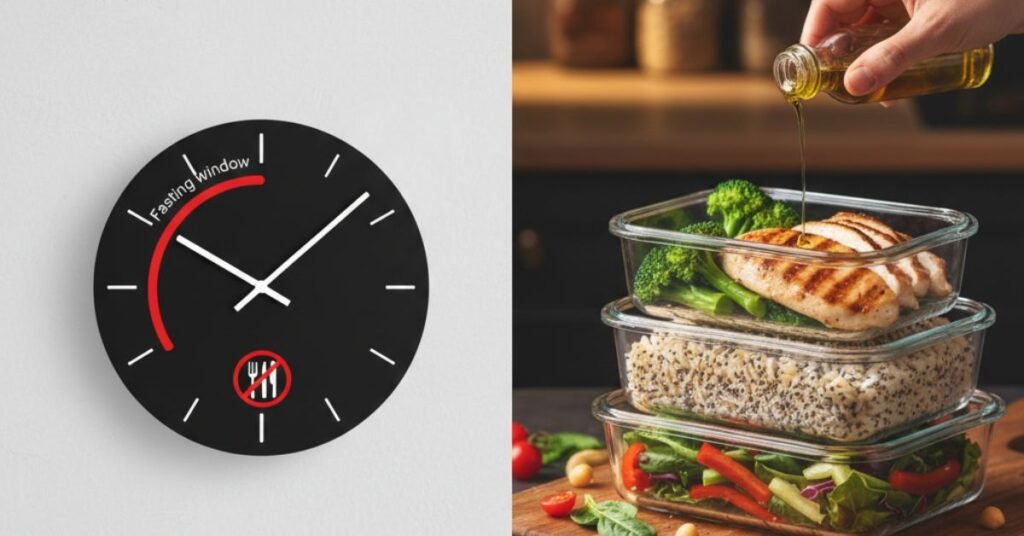
Do you ever feel like you are doing everything right with your diet, but the weight just won’t budge? Or maybe you start Intermittent Fasting with high hopes, but by 2:00 PM, you are so hungry that you eat the first bag of chips you see? The truth is, fasting is easy, but “breaking the fast” is the hard part. This is why combining Intermittent Fasting and Meal Prep is the ultimate “cheat code” for health. In this guide, we will show you how to plan your meals so you never have to worry about what to eat again. 1. Why You Need Meal Prep for Intermittent Fasting Intermittent Fasting (IF) is not about starving; it is about timing. However, when your eating window opens, your hunger hormones (like Ghrelin) are very high. If you don’t have a healthy meal ready, you will likely choose high-calorie junk food. The Benefits of Prepping Your Meals: 2. Understanding Intermittent Fasting Benefits Before we look at the food, let’s remind ourselves why we are doing this. Research shows that Intermittent Fasting benefits go way beyond just looking good in the mirror. 3. Comparing Popular Fasting Methods Before you start your Weekly Meal Plan for Beginners, you need to pick a fasting style that fits your life. Fasting Method Eating Window Best For Prep Strategy 16/8 Method 8 Hours (e.g., 12 PM – 8 PM) Beginners Prep 2 main meals + 1 snack. 20/4 (Warrior) 4 Hours (e.g., 4 PM – 8 PM) Experienced Prep 1 huge nutrient-dense meal. OMAD 1 Hour (One Meal A Day) Weight Loss Focus on high protein & healthy fats. 5:2 Diet 5 Days normal / 2 Days low cal Busy Schedules Prep low-calorie soups for fast days. 4. Essential Nutrition for Fasting What you put in your body after a fast is crucial. If you eat sugar right away, your insulin will spike, and you might feel a “sugar crash” or headache. Your Nutrition for Fasting should focus on these three pillars: A. High Protein Protein keeps your muscles strong and keeps you full for longer. B. Healthy Fats Fats provide slow-burning energy that lasts through your next fasting window. C. Complex Carbohydrates Instead of white bread or sugar, go for carbs that have fiber. 5. Your Step-by-Step Weekly Meal Plan for Beginners Follow this simple 4-step process to start your meal prep journey this Sunday. Step 1: The Grocery List Don’t go to the store without a list! Here is a basic “Fasting Starter Kit”: Step 2: The “Batch Cook” Session Spend 2 hours on your day off. Step 3: Assembly Use airtight containers. Put 1 portion of protein, 1 portion of grains, and lots of veggies in each box. Step 4: Storage Keep 3 days of food in the fridge and put the rest in the freezer to keep it fresh. 6. Healthy Meal Prep Recipes (Easy & Fast) Here are three Healthy Meal Prep Recipes that are perfect for breaking your fast. Recipe Name Ingredients Why is it great? The Power Bowl Quinoa, Chickpeas, Spinach, Avocado. High fiber keeps you full for 6+ hours. Egg & Veggie Muffin Eggs, Bell peppers, Onions, Cheese. Easy to grab if you break your fast at work. Lemon Garlic Chicken Grilled chicken, Broccoli, and brown rice. Perfect balance of protein and clean carbs. 7. Weight Loss Strategies: Avoiding Common Mistakes Even with meal prep, people sometimes struggle. Here is how to stay on track: 8. Tips for Staying Consistent Consistency is the most important part of Weight Loss Strategies. Conclusion Mastering Intermittent Fasting and Meal Prep is not about being perfect from day one. It is about making your life easier. When you have a Weekly Meal Plan for Beginners, you remove the stress and the hunger-driven bad decisions. Start small this week. Prep for just 3 days of lunches. Once you see how much energy you have and how much weight you lose, you will never want to go back to your old ways. Remember: Your body is a reflection of what you eat and when you eat. Give it the best fuel possible! (FAQ) Q: Can I drink “Zero Calorie” soda during my fast? A: It is better to avoid it. The sweetness can make your brain think food is coming, making you even hungrier. Q: How do I handle social dinners? A: If you have a dinner party at night, simply start your fasting window later the next day. Be flexible! Q: Is meal prep expensive? A: Actually, it’s cheaper! When you buy in bulk (like a big bag of rice or lentils), you save a lot of money compared to buying individual meals. Disclaimer: This blog is for informational purposes only. Please consult a doctor before starting any new diet or fasting routine.
2500 Calorie Meal Plan: A Complete Guide to High-Protein Diets for an Active Lifestyle
Weight Loss & Diet Plans

2500 Calorie Meal Plan: A Complete Guide to High-Protein Diets for an Active Lifestyle

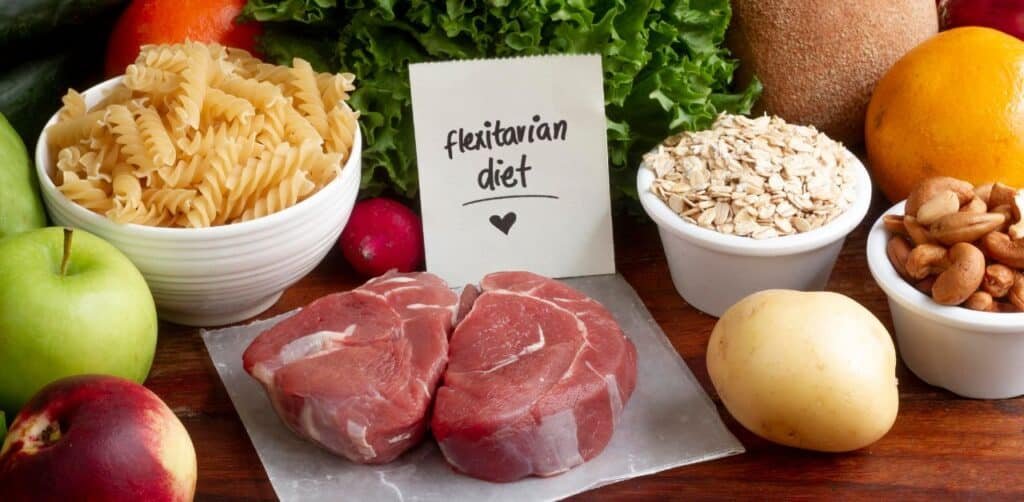
A Quick Update from Kiran: “I’ve revisited this guide for February 2026 to ensure our community has the most accurate data. Since nutrition science is always evolving, I’ve added new insights on protein bioavailability and cost-effective meal prepping to help you hit your 2500-calorie goal without the guesswork. Enjoy the fresh tips!” Are you trying to build muscle mass, or is your lifestyle so active that you require a high amount of energy throughout the day? If yes, you need a structured 2500 Calorie Meal Plan. This calorie intake is ideal for bodybuilders, athletes, or those who need high energy. In this guide, we will provide you with a detailed high-protein diet chart, macronutrient breakdown, and essential tips. The 2026 Approach to Performance Nutrition In recent years, the conversation around high-calorie diets has shifted from “dirty bulking” (eating anything to hit calorie goals) to “metabolic efficiency.” In 2026, a 2500-calorie plan isn’t just about hitting a number; it is about fueling your body with nutrient-dense foods that reduce inflammation and improve recovery times. This updated guide focuses not only on muscle protein synthesis but also on gut health and sustained energy release, ensuring you don’t just look strong, but feel energetic throughout the day. Understanding Your Needs: What Does 2,500 Calories Look Like? Typically, an average adult requires around 2000 calories for maintenance. A 2500-calorie plan indicates that you are either: Based on your goals, this plan supports healthy weight gain and muscle recovery. Calculate My Calories 2500-Calorie High-Protein Meal Plan (Diet Chart) In a High-Protein plan, our objective is to include maximum protein to support muscle repair and growth. Macronutrient Breakdown For a high-protein plan, we will target the following ratio: Nutrient Percentage (Approx.) Calories Grams (Approx.) Protein 35% 875 Cal 218g Carbohydrates 45% 1125 Cal 281g Fats 20% 500 Cal 55g The High-Protein Gut Connection One aspect often overlooked in high-protein diets is digestion. Consuming over 180g of protein daily can tax your digestive system if not paired with the right fiber intake. To maximize nutrient absorption (bioavailability), this updated plan emphasizes “digestive support.” We recommend adding fermented foods like yogurt, kimchi, or a quality probiotic supplement to your routine. Remember, it’s not just about what you eat, but what your body actually absorbs. 7-Day Sample 2500 Calorie Diet Plan This 2500 calories per day plan provides variety and balance for the entire week. Day Breakfast Lunch Evening Snack Dinner Monday 4 Egg Omelette + 1 cup Oatmeal + Apple 200g Grilled Chicken + 1.5 cup Brown Rice + Salad Protein Shake + Almonds (10) 200g Fish Curry + 2 Roti + Mixed Vegetables Tuesday 1 cup Greek Yogurt + Berries + Honey 200g Paneer Bhurji + 2 Whole Wheat Roti + Salad Peanut Butter (2 tbsp) Sandwich (Whole Wheat) 200g Lean Beef/Mutton (less oil) + Baked Potato Wednesday Protein Pancakes (2) + Banana 200g Lentils (Daal) + 1.5 cup Rice + Curd Hard-boiled Eggs (2) + Fruit Chicken Biryani (moderate portion) + Raita Thursday 4 Egg Whites (scrambled) + 2 Whole Wheat Toast + Avocado 200g Fish Fillet + 1 cup Sweet Potato + Salad Protein Bar + Coffee/Tea (sugar-free) Chicken/Veggie Stir-fry + 1 cup Noodles Friday 1 cup Cottage Cheese (Paneer) + Fruits 200g Grilled Tofu + Quinoa (1.5 cup) + Salad Protein Shake + Orange 200g Turkey/Chicken Breast + Roasted Vegetables Saturday 4 Whole Eggs + Whole Wheat Bread Toast (2) + Juice Chicken/Vegetable Sandwich (Large) + Soup Greek Yogurt + Walnuts (7) Rajma-Chawal (kidney beans and rice, large portion) Sunday Smoothy (Protein Powder, Spinach, Banana, Milk) Chicken/Paneer Salad (Large portion) + Sweet Potato Apple slices with Peanut Butter Whole Wheat Pasta with Chicken/Lentil Sauce Food Items To Limit Even when consuming 2500 calories, it is essential to maintain healthy eating habits. Focus on quality and limit these items: Do’s and Don’ts: Essential Tips for the 2500-Calorie Plan To successfully follow a 2500 calorie diet plan for muscle gain, keep these essential tips in mind: Do’s Don’ts Conclusion A 2500-Calorie High-Protein Meal Plan is a strong foundation for achieving your fitness goals. By bringing quality food, excellent timing, and consistency into your diet, you can certainly achieve your goals.  FAQs; Q1: Who is the 2500-Calorie Diet Plan for? A: It is for individuals who want to build muscle mass (bulking) or engage in high-intensity physical activity. Q2: Can I meet 2500 calories using junk food? A: No. For healthy results, consuming nutrient-dense and high-protein foods is essential. Focus on quality calories. Q3: How much protein should be in this plan? A: In a high-protein plan, target about 30% to 35% protein of your total calories (i.e., approximately 180g to 220g). Q4: Can this plan be used for weight loss? A: Generally no, this plan is for a calorie surplus. For weight loss, you need a calorie deficit (fewer calories than you burn). Q5: What should I do before starting the plan? A: Always consult a certified Dietitian/Nutritionist so they can customize the plan according to your specific needs. Meet Your Nutritionist: Hi, I’m Kiran! As a professional Nutritionist, I believe that food is your greatest tool for performance. I’ve designed this high-protein meal plan not just to help you hit your calorie targets, but to fuel your body with the right quality of nutrients. My mission is to simplify complex nutrition so you can focus on what matters your results!

Fruits to Avoid with Diabetes: A Complete Guide to Managing Your Sugar
Weight Loss & Diet Plans

Fruits to Avoid with Diabetes: A Complete Guide to Managing Your Sugar

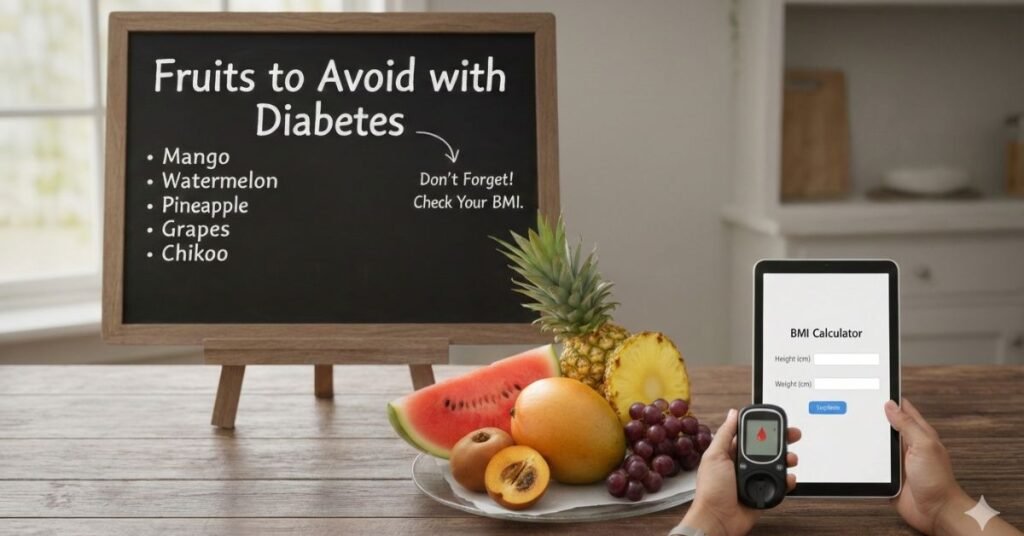
When you are diagnosed with diabetes, the first thing people tell you is, “Stop eating sugar!” Naturally, you might think this only applies to sweets, cakes, and soda. But what about fruits? Fruits are natural, packed with vitamins, and essential for health. However, for a person with diabetes, not all fruits are created equal. Some fruits can cause your blood sugar to spike faster than a candy bar. To manage your health effectively, you need to know which fruits to enjoy and which ones to limit. In this guide, we will look at the high sugar fruits list you should avoid or eat carefully, and how to maintain a balanced diet. ⚖️ Check Your BMI Now 1. Why Does Fruit Affect Blood Sugar? Fruits contain a natural sugar called fructose. While fructose is better than the refined sugar found in processed foods, it is still a carbohydrate. When you eat fruit, your body breaks down these carbs into glucose, which enters your bloodstream. To understand which fruits are safe, we use the Glycemic Index (GI). This scale ranks food from 0 to 100 based on how quickly they raise blood sugar. Quick Comparison: GI Levels in Fruits Fruit Category GI Range Effect on Blood Sugar Examples Low GI 55 or less Slow & Steady Cherries, Berries, Apples Medium GI 56 – 69 Moderate Bananas, Papaya, Figs High GI 70 – 100 Rapid Spike Watermelon, Pineapple 2. The High Sugar Fruits List: What to Avoid or Limit If you want to keep your A1C levels in check, you should be very careful with the following fruits. These are often high in sugar or have a high GI score. 3. Dried Fruits vs. Fresh Fruits Many people think dried fruits like raisins or dates are healthy diabetes-friendly snacks. However, when water is removed from fruit, the sugar becomes highly concentrated. 4. Low Glycemic Index Fruits for Diabetics (The Safe List) You don’t have to give up fruits entirely! You just need to switch to low Glycemic Index fruits for diabetics. These provide fiber, which slows down sugar absorption. Top Picks for Diabetics: 5. Smart Eating Strategies Eating the right fruit is only half the battle. You also need to know how and when to eat it to avoid spikes. The Importance of Timing The best time for diabetics to eat fruit is during the morning or as a mid-day snack. Avoid eating fruit right before bed, as your body won’t have the chance to burn off the glucose, leading to high fasting sugar levels the next morning. Portion Control for Diabetes A “safe” serving of fruit usually contains about 15 grams of carbohydrates. The “Pairing” Trick To prevent a sugar spike, never eat fruit alone. Pair it with a source of protein or healthy fat. For example: 6. Comparison Table: Fruit Servings & Carbs Fruit (Medium Size) Approx. Carbs (g) Recommendation Apple (with skin) 15g Safe / Daily Mango (1 cup) 25g – 28g Avoid or Small Slice Strawberries (1 cup) 11g Highly Recommended Watermelon (1 cup) 12g (High GI) Eat with Caution Guava 9g Highly Recommended 8. Conclusion (Final Thoughts) Managing diabetes is about balance, not deprivation. While you should be cautious with the high sugar fruits list, you can still enjoy the nutritional benefits of nature. By focusing on low Glycemic Index fruits for diabetics, practicing strict portion control for diabetes, and picking the best time for diabetics to eat fruit, you can live a healthy, sweet life. 7. Frequently Asked Questions (FAQs) Q1: Can diabetics eat fruit on an empty stomach? Answer: It is usually not recommended. Eating fruit on an empty stomach can cause a faster sugar spike. It is better to eat it after a meal or with some nuts (protein). Q2: Is fruit juice okay if it has no added sugar? Answer: No. Even “no-added-sugar” juice lacks fiber. Without fiber, the natural sugar (fructose) enters your blood too quickly. Whole fruit is always better. Q3: Which fruit has the lowest sugar? Answer: Lemons, limes, and berries (especially raspberries and strawberries) have the lowest sugar content. Q4: How many servings of fruit can a diabetic have daily? Answer: Most doctors recommend 1 to 2 servings of low-GI fruit per day, depending on your overall carbohydrate limit. Always remember to test your blood sugar two hours after trying a new fruit to see how your body reacts. Every individual is different, and your meter is your best guide!

The Ultimate PBD Diet Plan for Weight Loss: A Science-Backed Guide
Weight Loss & Diet Plans

The Ultimate PBD Diet Plan for Weight Loss: A Science-Backed Guide

Transitioning to a PBD Diet Plan for Weight Loss is one of the most effective ways to shed unwanted pounds while nourishing your body. Unlike restrictive calorie-counting diets, a Whole-Food, Plant-Based (PBD) approach focuses on the quality of food. By eating plants in their most natural form, you can achieve sustainable weight loss without the constant feeling of hunger. What is a PBD Diet? PBD stands for a diet based on foods derived from plants, including vegetables, whole grains, legumes, and fruits, with little to no highly processed ingredients or animal products. Why PBD Works: The Core Mechanisms To understand why this plan is so effective, we must look at the nutritional science: Essential Foods to Include and Avoid For maximum weight loss, you need to know which foods are your “green light” foods and which ones to limit. The PBD Food Categories Food Group Examples Role in Weight Loss Leafy Greens Spinach, Kale, Lettuce Extremely low calorie; high in nutrients. Legumes Lentils, Chickpeas, Black Beans High plant-based protein sources and fiber. Whole Grains Oats, Quinoa, Brown Rice Provides steady energy and prevents cravings. Cruciferous Veggies Broccoli, Cauliflower, Cabbage Helps with liver detoxification and fat burning. Starchy Veggies Potatoes, Corn, Squash Satisfying “comfort” foods that prevent bingeing. Foods to Minimize (The “Red Light” List) 7-Day PBD Meal Plan Sample Here is a structured look at how your week could look using low-calorie plant-based recipes. Day Breakfast Lunch Dinner Mon Overnight Oats with Berries Chickpea Salad Wrap Lentil Bolognese with Zucchini Noodles Tue Green Smoothie (Spinach/Banana) Quinoa & Black Bean Bowl Roasted Vegetables & Tofu Wed Tofu Scramble with Veggies Red Lentil Soup Baked Sweet Potato with Greens Thu Chia Seed Pudding Hummus & Veggie Sandwich Cauliflower Steak with Mashed Potatoes Fri Fruit Salad with Walnuts Brown Rice & Dal (Lentils) Mushroom & Spinach Stir-fry Sat Whole Grain Pancakes (no oil) Big Garden Salad with Beans Plant-based Chili Sun Savory Oatmeal with Herbs Leftover Chili Vegetable Paella Expert Tips for Success To make your journey successful, follow these sustainable weight loss tips used by nutritional experts: Potential Challenges and Solutions Conclusion The PBD Diet Plan for Weight Loss is not a “starvation diet.” It is an abundance-based way of eating that allows you to enjoy whole, delicious foods while naturally reaching your goal weight. By prioritizing fiber, nutrients, and whole plants, you are choosing a path of long-term health and vitality. FAQs: How fast will I see results on the PBD Diet Plan for weight loss? Most people notice a decrease in bloating within the first 48 hours. Consistent fat loss usually averages 1–2 pounds per week, depending on your starting point and activity level. Is a plant-based diet safe for everyone? Generally, yes. However, people with specific medical conditions like kidney disease should consult a doctor, as certain plant foods are high in potassium or oxalates. Do I need to take supplements? The only mandatory supplement on a strict PBD is Vitamin B12. You might also consider Vitamin D and Omega-3 (Algae-based) depending on your blood work and sunlight exposure. Can I eat pasta on this plan? Yes! Choose whole-wheat, chickpea, or lentil-based pasta. Avoid heavy cream-based sauces and opt for tomato or vegetable-based sauces instead. ⚖️ Check Your BMI Now

The Ultimate Guide to the PBD Diet: Transform Your Health with Plant-Based Living
Weight Loss & Diet Plans

The Ultimate Guide to the PBD Diet: Transform Your Health with Plant-Based Living

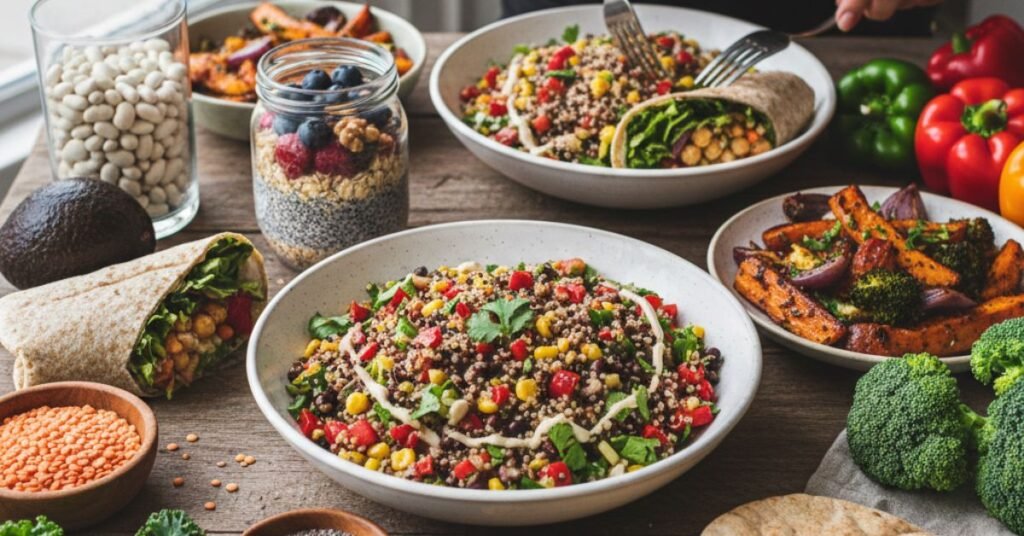
In recent years, the conversation around nutrition has shifted dramatically. No longer are we just asking about calories; we are asking about the source, the impact on our bodies, and the impact on our planet. Enter the PBD Diet (Plant-Based Diet)—a lifestyle choice that is backed by science and embraced by millions worldwide. But what exactly is it? Is it just a fancy word for being vegan? Not quite. In this guide, we will explore the nuances of a whole-food plant-based diet (WFPB), its life-changing benefits, and how you can transition smoothly without feeling deprived. 1. What exactly is the PBD Diet? At its core, a PBD focuses on foods derived from plants. This includes not just fruits and vegetables, but also nuts, seeds, oils, whole grains, legumes, and beans. Unlike strict veganism, which is often defined by the total exclusion of animal products, a PBD is defined by the inclusion of nutrient-dense plant foods. PBD vs. Vegan: Key Differences Feature Plant-Based Diet (PBD) Veganism Primary Focus Health and Nutrition Animal Ethics/Rights Food Quality Emphasizes whole, unprocessed foods Can include “junk” vegan food Flexibility May occasionally include small amounts of animal products Strictly zero animal products Lifestyle Focused on dietary habits Includes clothing, makeup, and lifestyle 2. The Science-Backed Benefits of PBD Research consistently shows that shifting toward plant-centric eating is one of the most effective ways to manage long-term health. Key Health Advantages: 3. Addressing the Protein Myth The first question every plant-based eater hears is: “But where do you get your protein?” It is a common misconception that protein only comes from animals. To thrive, you need to diversify your plant-based protein sources. Top Plant-Based Protein Sources Food Item Protein Content (Approx.) Key Nutrients Lentils (1 Cup) 18g Iron, Fiber, Folate Tofu (100g) 8g – 10g Calcium, Manganese Quinoa (1 Cup) 8g All 9 Essential Amino Acids Chia Seeds (2 tbsp) 4g Omega-3 Fatty Acids Chickpeas (1 Cup) 15g Potassium, Magnesium 4. The Environmental Impact Adopting sustainable eating habits isn’t just a personal health win; it’s a win for the Earth. 5. How to Build Your PBD Plate To ensure you are getting a balance of vitamins and minerals, focus on nutrient-dense plant foods. Use the following guide to structure your meals: The Daily Checklist: 6. Overcoming Common Challenges Transitioning doesn’t have to happen overnight. Here is how to build sustainable eating habits that last: Conclusion: A Lifestyle, Not a Sentence The PBD diet is not about perfection; it’s about progress. Whether you go 100% plant-based or simply start enjoying “Meatless Mondays,” your body will thank you. By prioritizing whole-food plant-based diet (WFPB) principles, you are investing in a future of vitality and chronic disease prevention. Frequently Asked Questions (FAQs) Q: Is the PBD diet expensive? A: No. While “vegan specialty products” can be pricey, the staples of a whole-food plant-based diet (WFPB)—like potatoes, rice, lentils, and seasonal vegetables—are the most affordable foods in the world. Q: Will I get enough Iron on a PBD? A: Yes. Spinach, lentils, and fortified cereals are great sources. To increase absorption, always pair iron-rich foods with Vitamin C (like squeezing lemon on your lentils). Q: Do I need to take supplements? A: Most people on a PBD should take a Vitamin B12 supplement, as this is primarily found in animal products. Consult your doctor for personalized advice. Q: Can I still eat out? A: Absolutely. Most restaurants now offer plant-based options. Focus on cuisines like Indian, Mediterranean, or Thai, which naturally feature many plant-centered dishes. Macro Calc MaintainLoseGain Calculate Cal Prot Fat Carb

Foods That Mimic Mounjaro Naturally: The Science-Backed Guide to GLP-1 Boosting
Weight Loss & Diet Plans

Foods That Mimic Mounjaro Naturally: The Science-Backed Guide to GLP-1 Boosting

The rise of injectable weight-loss medications like Mounjaro (Tirzepatide) has revolutionized how we think about metabolic health. Mounjaro works by mimicking two key hormones in the body: Glucagon-like peptide-1 (GLP-1) and Glucose-dependent insulinotropic polypeptide (GIP). These hormones signal the brain to feel full, slow down gastric emptying, and help the pancreas regulate insulin. But can you achieve these effects without a prescription? While no food is as potent as a concentrated pharmaceutical, certain dietary choices can naturally stimulate these same hormonal pathways. In this guide, we explore foods that mimic Mounjaro naturally and how to optimize your biology for sustainable weight management. Understanding the “Mounjaro Effect” To mimic Mounjaro, we must understand its dual-action mechanism. It targets receptors that control appetite and blood sugar. When we eat specific nutrients, our “L-cells” in the gut lining release natural GLP-1. By focusing on natural GLP-1 stimulating foods, we can improve satiety and reduce the “food noise” that often leads to overeating. 1. High-Fiber Powerhouses: The Foundation of Fullness Fiber is perhaps the closest thing nature has to a weight-loss drug. Specifically, fermentable viscous fiber is crucial because it stays in the digestive tract longer and triggers hormone release. Barley and Oats These grains are rich in Beta-glucan, a type of soluble fiber. Studies show that Beta-glucan forms a gel-like substance in the gut, which slows digestion and stimulates a steady release of GLP-1. This is a primary way to achieve blood sugar regulation through diet. Legumes (Lentils, Chickpeas, and Beans) Legumes are a “double threat” because they contain both high fiber and plant-based protein. They are also rich in resistant starch, which ferments in the large intestine, producing short-chain fatty acids (SCFAs) like butyrate, which are proven to boost satiety hormones. 2. Lean Proteins: The Satiety Signalers Protein has the highest thermic effect of food (TEF) and is the most satiating macronutrient. It directly influences the GIP hormone, one of the two pathways Mounjaro targets. Eggs Eggs are often called the “gold standard” for weight loss. Research indicates that consuming eggs for breakfast reduces the hunger hormone Ghrelin and increases GLP-1 levels for the next 24 hours. Greek Yogurt and Whey High-quality dairy protein contains bioactive peptides. Whey protein, in particular, has been shown in clinical trials to improve insulin sensitivity and promote a feeling of fullness similar to pharmacological agonists. 3. Healthy Fats: Slowing Down the System Mounjaro slows down “gastric emptying” (how fast food leaves your stomach). Certain fats do exactly the same thing naturally. Avocados Avocados are packed with monounsaturated fats and fiber. A study published in the Nutrients journal found that replacing refined carbs with avocado significantly increased GLP-1 levels and decreased insulin spikes in overweight adults. Olive Oil (EVOO) EVOO contains oleanolic acid. When this reaches the small intestine, it triggers a signal to the brain that you are full, effectively mimicking the appetite-suppressant side of metabolic medications. 4. Nature’s “Secret” Ingredients Beyond basic macros, specific compounds act as metabolic health boosters by influencing the same pathways as Tirzepatide. Berberine: “Nature’s Mounjaro” Berberine is a compound found in several plants like Goldenseal. While it’s a supplement rather than a whole food, it is widely studied for its ability to activate AMPK (an enzyme that acts as a metabolic master switch). It improves insulin sensitivity and mimics the glucose-lowering effects of GLP-1 medications. Apple Cider Vinegar (ACV) Taking ACV before a carb-heavy meal can reduce the glycemic response. By flattening the blood sugar curve, ACV prevents the “crash” that leads to intense hunger pangs later in the day. 5. The Role of the Gut Microbiome A healthy gut is a GLP-1 factory. Fermented foods like Kefir, Kimchi, and Sauerkraut introduce beneficial bacteria that help your body produce more natural satiety signals. A diverse microbiome is essential for anyone looking for weight loss without injections. Sample “Natural Mounjaro” Daily Meal Plan Meal Choice Why it Works Breakfast 2 Poached Eggs with half an Avocado High protein and healthy fats trigger early GLP-1 release. Lunch Lentil Soup with a side of Spinach High fiber and resistant starch for sustained energy. Snack Greek Yogurt with Chia Seeds Probiotics and omega-3s for gut-brain signaling. Dinner Baked Salmon with Broccoli and Quinoa Lean protein and complex carbs for overnight blood sugar stability. Comparison: Medication vs. Natural Approach Conclusion: Empowering Your Metabolism While we cannot perfectly replicate a pharmaceutical dose with a plate of lentils, we can undoubtedly mimic Mounjaro naturally by choosing foods that talk to our hormones. By prioritizing fermentable fiber, lean proteins, and healthy fats, you can regain control over your appetite and blood sugar. The best approach is consistency. Start by adding one GLP-1 boosting food to every meal, and watch how your “food noise” begins to fade. Frequently Asked Questions (FAQs) 1. Can food actually replace Mounjaro? Food cannot match the high potency of a drug, but it can naturally trigger the same GLP-1 and GIP hormones. It is a safer, sustainable way to manage appetite for the long term. 2. Which food is the best natural GLP-1 booster? Oats and Barley are considered the best because of their high Beta-glucan content, which directly stimulates satiety hormones in the gut. 3. How long does it take to see results naturally? Unlike injections, a natural diet takes 2 to 4 weeks to show visible changes in hunger levels and weight, as your gut microbiome needs time to adjust. 4. Is Berberine really “Nature’s Mounjaro”? Yes, Berberine is highly effective at improving insulin sensitivity and lowering blood sugar, much like metabolic medications, though it should be taken with professional advice. 5. Are there side effects to a “Natural Mounjaro” diet? The main side effect is temporary bloating due to increased fiber. This can be managed by increasing fiber intake slowly and staying well-hydrated.

1500 Calorie Daily Menu: Your Comprehensive Roadmap to Healthy Weight Management
Weight Loss & Diet Plans

1500 Calorie Daily Menu: Your Comprehensive Roadmap to Healthy Weight Management

Reaching your fitness milestones doesn’t require extreme hunger or bland food. A 1500 calorie meal plan offers a nutritionally balanced strategy, providing your body with essential fuel while maintaining a steady calorie deficit to encourage fat loss. This guide delivers a practical 7-day schedule, essential grocery insights, and professional tips to help you embrace a more vibrant, healthy eating habit. Why Opt for a 1500 Calorie Strategy? Most adults need roughly 2,000 to 2,500 calories to maintain their current size. By adjusting your intake to 1,500, you trigger a natural process where the body utilizes stored energy (fat). Mastering Your Plate: Essential Food Groups To maximize satiety (feeling full) on 1,500 calories, prioritize nutrient-dense foods that offer high volume for low calories.  What to Emphasize  What to Avoid Structured 7-Day Meal Schedule This curated 7-day diet chart ensures a balanced intake of macro and micronutrients daily. Day Breakfast (350 Cal) Lunch (450 Cal) Dinner (450 Cal) Snacks (250 Cal) Mon Two poached eggs on rye toast Zesty grilled chicken & bean salad Pan-seared salmon with quinoa Apple slices + almond butter Tue Cinnamon oats with fresh berries Turkey breast & avocado green wrap Traditional Lentil Stew (Dal) Low-fat Greek yogurt Wed Nut and berry yogurt parfait Flaked tuna over a garden salad Lean chicken & veggie stir-fry 1 Pear + 3-4 walnuts Thu Herb & feta cheese omelet Warm chickpea and kale bowl Grilled lean steak with broccoli Light cottage cheese cup Fri Green protein-packed smoothie Roast beef & mustard whole-grain sandwich Baked white fish & sweet potato Carrots with hummus dip Sat Flourless banana-oat pancakes Egg and celery protein salad Lemon-herb chicken with brown rice A bowl of mixed berries Sun Sautéed mushrooms on toast Mediterranean grain & veggie bowl Light vegetable curry with 1 roti Lightly salted popcorn Strategic Tips for Consistent Success Meal prepping for weight loss is the backbone of any successful transformation. Consider these professional habits: Conclusion A 1500 calorie meal plan is more than a temporary fix; it is a blueprint for a disciplined and healthy eating habit. By centering your diet around whole foods and high-protein meals, you can reshape your physique while feeling energized. Start your transformation today! (FAQs) Q: Is 1500 calories appropriate for everyone? While effective for sustainable weight loss, your specific needs depend on age, height, and activity. Athletes may require a higher threshold to maintain performance. Q: Can I still enjoy tea or coffee? Absolutely. Plain tea and black coffee are excellent zero-calorie options.8 Be mindful of sweeteners and full-fat milk, as they can quickly erase your calorie deficit. Q: How should I handle an “off” day or overeating? Do not overcompensate by starving yourself the next day. Return to your scheduled routine immediately. Long-term consistency is more powerful  than a single day’s mistake.

1800 Calorie Meal Plan: Your Complete Guide to Healthy Weight Management
Weight Loss & Diet Plans

1800 Calorie Meal Plan: Your Complete Guide to Healthy Weight Management

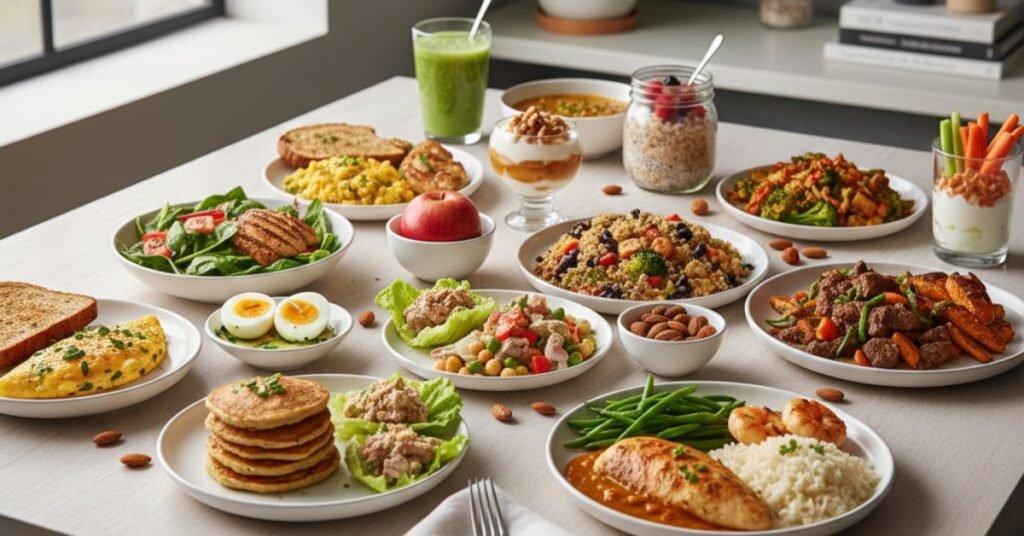
Are you looking for a practical way to manage your weight while enjoying nutritious meals? An 1800 calorie meal plan might be the perfect solution. This comprehensive guide will help you understand how to create a balanced, sustainable eating strategy that supports your health goals. What Is an 1800 Calorie Meal Plan? An 1800 calorie meal plan is a structured eating approach that limits daily caloric intake to approximately 1800 calories. This calorie deficit meal plan provides sufficient energy for daily activities while creating conditions for healthy weight loss or maintenance, depending on your individual needs. Unlike restrictive fad diets, this healthy eating plan focuses on nutrient-dense foods that nourish your body without leaving you feeling deprived or constantly hungry. Who Should Follow This Plan? An 1800 calorie diet is particularly well-suited for: Key Benefits Benefit Description Sustainable Weight Loss Steady fat loss without extreme hunger Metabolic Health Improved blood sugar and insulin sensitivity Heart Health Better cholesterol and blood pressure management Increased Energy Consistent energy throughout the day Better Portion Control Enhanced awareness of appropriate serving sizes Understanding Your Daily Nutrition Macronutrient Breakdown For optimal results on an 1800 calorie diet, focus on this balanced nutrition approach: Macronutrient Daily Amount Calories Key Sources Carbohydrates 140-211g 560-844 Whole grains, fruits, vegetables Protein 90-158g 360-632 Lean meats, fish, eggs, legumes Fats 40-70g 360-630 Nuts, avocados, olive oil, fatty fish Fiber 25-30g – Vegetables, fruits, whole grains Daily Food Group Servings Sample 1-Day Meal Plan Here’s what a typical day looks like on an 1800 calorie meal planning for weight management program: Daily Meal Distribution Meal Calories Sample Menu Breakfast 400-450 2 scrambled eggs, whole wheat toast, berries, low-fat milk Morning Snack 150 Apple with 1 tbsp almond butter Lunch 500-550 Grilled chicken salad, quinoa, mixed vegetables, vinaigrette Afternoon Snack 150 Greek yogurt with granola Dinner 600 Baked salmon, roasted sweet potato, steamed broccoli Optional Treat 200 Dark chocolate with strawberries Quick Meal Ideas by Category Breakfast Options (400-500 calories) Lunch Ideas (500-600 calories) Dinner Suggestions (600 calories) Smart Snack Choices (150 calories or less) Tips for Long-Term Success Following these strategies will help you maintain your weight loss diet effectively: Essential Success Strategies: Meal Planning Checklist Use this quick checklist when planning your meals: Conclusion An 1800 calorie meal plan offers a balanced, sustainable approach to weight management without extreme restrictions. By focusing on nutrient-dense whole foods, appropriate portions, and satisfying combinations of protein, fiber, and healthy fats, you can achieve your health goals while enjoying delicious meals. Remember that individual needs vary, and what works for one person may need adjustment for another. Success comes from consistency, not perfection. Focus on making gradual, sustainable changes, stay hydrated, include regular physical activity, and be patient throughout the process. Frequently Asked Questions (FAQs) 1. Will I lose weight on 1800 calories per day? Yes, most women and some men will experience gradual weight loss on 1800 calories, especially when combined with moderate physical activity. The rate depends on your current weight, metabolism, and activity level. Expect to lose 1-2 pounds per week safely. 2. Is 1800 calories too low for me? It depends on your individual factors. Moderately active women typically need 2,000-2,200 calories for maintenance, while men need 2,600-2,800 calories. An 1800 calorie plan creates a modest deficit for weight loss. Consult a healthcare provider if you’re very active or have specific medical conditions. 3. Can I customize this meal plan? Absolutely! The beauty of an 1800 calorie plan is its flexibility. You can swap foods within the same calorie range, adjust meal timing to fit your schedule, and substitute ingredients based on your dietary preferences or restrictions (vegetarian, vegan, gluten-free, etc.). 4. What if I’m still hungry on 1800 calories? If you’re consistently very hungry, try these strategies: 5. Can vegetarians and vegans follow this plan? Yes! Simply replace animal proteins with plant-based alternatives: 6. How long should I follow an 1800 calorie plan? Continue the plan until you reach your goal weight, then gradually increase calories to your maintenance level (typically 2,000-2,400 for women, 2,400-2,800 for men). The transition should be gradual, adding 100-200 calories weekly to prevent rebound weight gain. 7. Can I eat out while following this plan? Yes! When dining out: 8. Do I need to take supplements? A well-planned 1800 calorie diet should provide most nutrients you need. However, consider:

Scroll to Top