prepslim.com

Sushi (Calories & Nutrition)

Is Sushi Healthy for Weight Loss? A Simple Guide
Sushi (Calories & Nutrition)

Is Sushi Healthy for Weight Loss? A Simple Guide

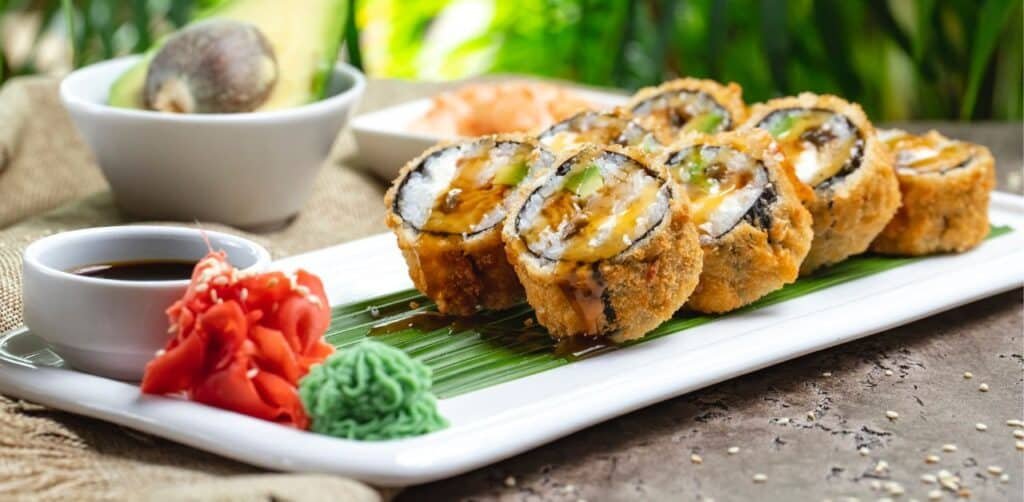
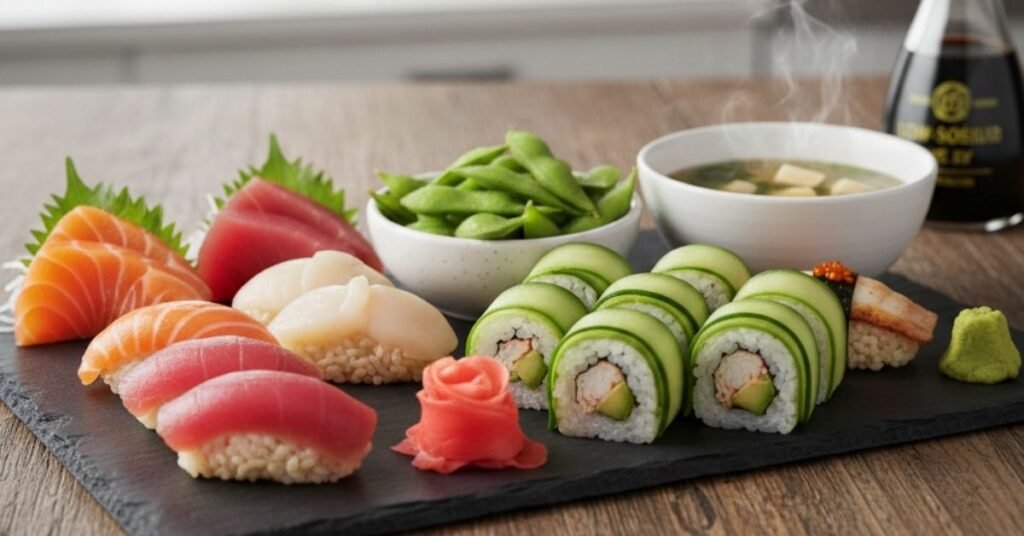
Many people think sushi is the perfect “diet food.” It looks fresh and healthy, but is it really good for losing weight? The answer is: It depends on what you pick. Some sushi can help you lose weight, while other types are full of hidden calories. In this guide, we will look at sushi nutrition facts and help you find the best sushi for weight loss. 1. What is in Your Sushi? (The Basics) To understand if sushi is healthy, we need to look at the ingredients: 2. Best Sushi Choices for Your Diet If you want to lose weight, you should choose simple items. Here are the top picks: Sashimi (The Best Choice) If you ask, “Is sashimi good for dieting?” the answer is a big YES. Sashimi is just slices of fresh fish without any rice. It is pure protein and has very few calories. Naruto Rolls These are special rolls where the chef uses thin cucumber slices instead of rice. These are the ultimate low calorie sushi rolls. Brown Rice Sushi If you must have rice, ask for brown rice. It has more fiber, which keeps you full for a longer time. 3. Comparison Table: Calories in Sushi This table shows which sushi is good for a diet and which one you should avoid. Type of Sushi Calories (6 pieces) Diet Friendly? Why? Salmon Sashimi 120 – 150 Yes No rice, just protein. Cucumber Roll 100 – 130 Yes Very light and healthy. Tuna Nigiri 200 – 240 Okay Some rice, but good protein. California Roll 250 – 300 Be Careful Has mayo and sugar. Spicy Tuna Roll 300 – 400 No High fat due to spicy sauce. Tempura Roll 500+ No Deep-fried and oily. 4. Watch Out for These “Hidden” Calories Sometimes, healthy sushi becomes unhealthy because of these extras: 5. Simple Tips to Eat Sushi and Lose Weight 6. Conclusion  Is sushi healthy for weight loss? Yes, it can be! If you stick to sashimi, vegetable-heavy rolls, and avoid fried toppings and heavy sauces, sushi is a great meal for weight loss. The secret is to keep it simple. The more “natural” the sushi looks, the better it is for your waistline. Frequently Asked Questions (FAQs) 1. How many sushi pieces should I eat for weight loss?  For a balanced weight loss meal, aim for 6 to 8 pieces of sushi. To feel more full without adding many calories, pair your sushi with a side of Miso soup or a green salad. 2. Which sushi roll has the lowest calories?   The Cucumber Roll (Kappa Maki) and the Vegetable Roll are usually the lowest in calories, ranging from 100 to 150 calories per roll. However, Sashimi is the best choice overall because it has no rice and is almost zero carbs. 3. Is the rice in sushi bad for dieting?  Sushi rice isn’t “bad,” but it is a refined carb and contains added sugar and vinegar. If you eat too much, it can increase your calorie intake quickly. Choosing brown rice or asking for “easy rice” (less rice) can help. 4. Can I eat soy sauce while trying to lose weight?  Yes, but be careful. Soy sauce is very high in sodium (salt), which can cause water retention and bloating. Always try to use “Low-Sodium” soy sauce (usually the bottle with the green cap) and use it sparingly. 5. Is spicy tuna healthy for weight loss?  While tuna is healthy, “Spicy Tuna” is usually mixed with mayonnaise, which is high in fat and calories. If you want to lose weight, it is better to order regular tuna and add a little wasabi for heat instead of the spicy mayo.
The Ultimate Guide to different types of sushi: Exploring Japanese Culinary Art
Sushi (Calories & Nutrition)

The Ultimate Guide to different types of sushi: Exploring Japanese Culinary Art

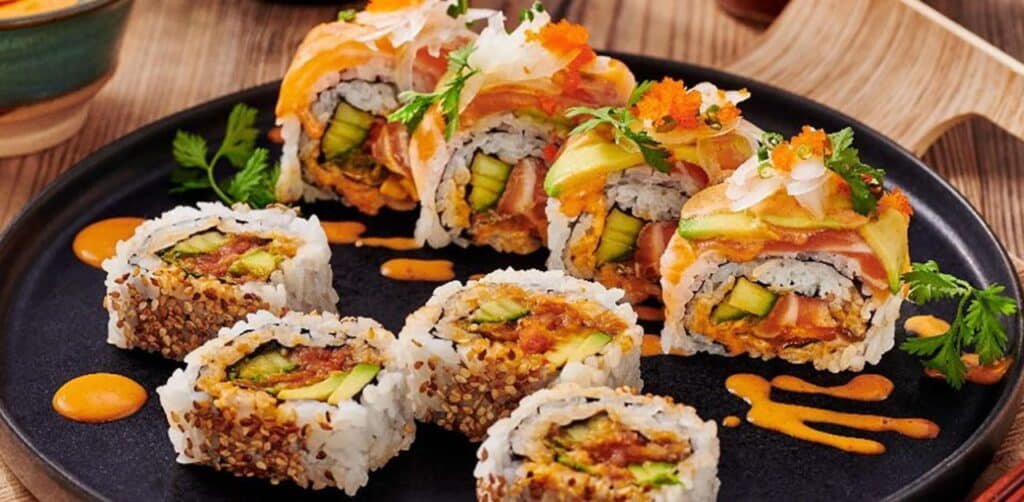
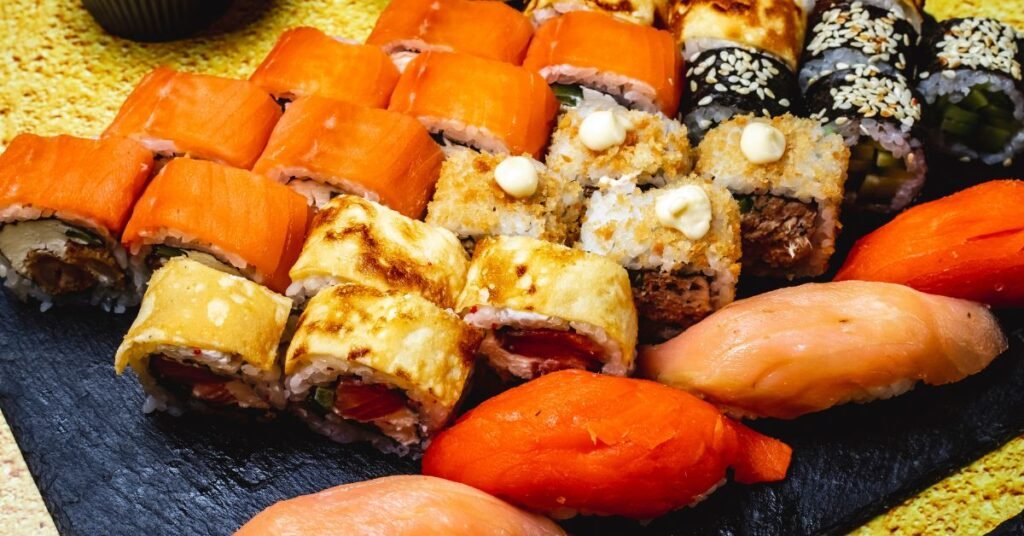
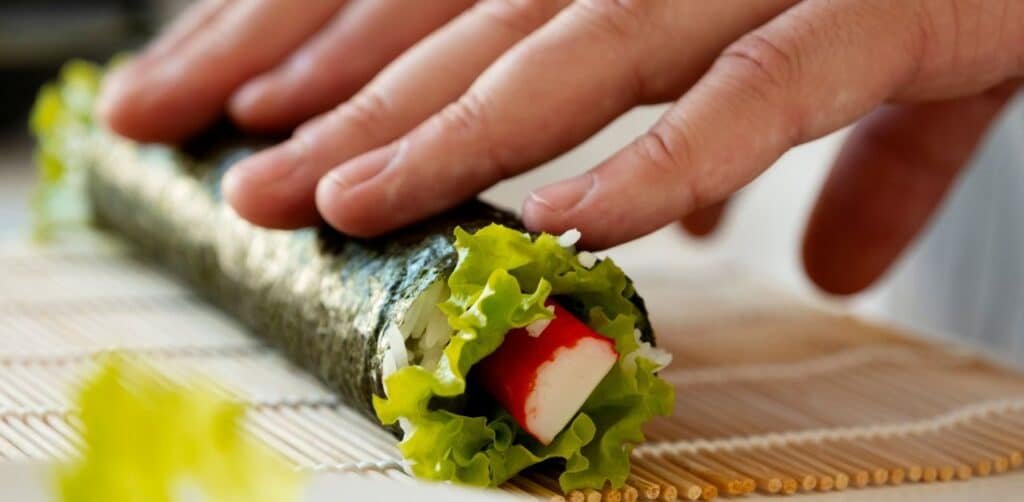
Sushi is more than just a meal; it is a centuries-old Japanese art form that balances flavor, texture, and aesthetics. While many people associate sushi exclusively with “raw fish,” the term actually refers to the vinegared rice, known as Shari, which serves as the foundation for every piece. In this guide, we will explore the most popular varieties, cultural etiquette, and everything you need to know to navigate a sushi menu like an expert. 1. Nigiri (Nigirizushi): The Purest Form of Sushi Nigiri is the most traditional and authentic Japanese sushi. It consists of a hand-pressed mound of vinegared rice topped with a thin slice of fresh seafood. Sometimes, a tiny dab of wasabi is placed between the rice and the fish to enhance the flavor. 2. Maki (Makizushi): The Classic Seaweed Rolls When comparing Nigiri vs Maki, the primary difference is the structure. Maki consists of fish, vegetables, and rice rolled inside a sheet of Nori (dried seaweed) using a bamboo mat. 3. Uramaki: The Famous Inside-Out Rolls Uramaki is a modern twist on traditional sushi that gained massive popularity in Western countries. In this style, the rice is on the outside, and the seaweed is hidden on the inside. Often, the rice is coated with sesame seeds or fish roe for extra texture. 4. Temaki: The Casual Hand-Rolled Cone Temaki is a large, cone-shaped piece of sushi designed to be eaten with your hands rather than chopsticks. It is packed with rice, fish, and julienned vegetables like sprouts or cucumber. 5. Sashimi: Pure Flavor Without the Rice While often served at sushi restaurants, Sashimi is technically not sushi because it does not contain rice. It consists of thin, premium slices of raw fish or meat served with shredded daikon radish. 6. Chirashi: The Beautiful Scattered Sushi Bowl Chirashi, meaning “scattered,” is a bowl of sushi rice topped with a variety of raw fish and garnishes. It is a colorful, easy-to-eat alternative to rolls and is often served on special occasions or at home in Japan. It offers a little bit of everything in one bowl. 7. Summary Comparison: Which Sushi is Right for You? To help you decide what to order, here is a quick comparison table: Sushi Type Rice Position Seaweed (Nori) Best For… Nigiri Bottom (Mound) None (usually) Purists who love fresh fish flavor. Maki Inside Outside Those who like traditional, bite-sized rolls. Uramaki Outside Inside Beginners and fans of Western fusion flavors. Temaki Inside Outside (Cone) A casual, handheld snack or quick meal. Sashimi None None Low-carb lovers focusing solely on the fish. 8. Essential Sushi Eating Etiquette and Safety To show respect for the craft and enjoy the best flavors, follow these professional tips: Conclusion Whether you prefer the simplicity of Nigiri, the variety of Maki, or the bold flavors of Uramaki, there is a type of sushi for every palate. By understanding the different types of sushi, you can appreciate the skill and history behind every bite. Next time you visit a Japanese restaurant, step outside your comfort zone and try something new! Frequently Asked Questions (FAQs) Q1: Is all sushi raw? No. Many types of sushi use cooked ingredients, such as Unagi (grilled eel), Ebi (boiled shrimp), or Tamagoyaki (sweet omelet). There are also many vegetarian options like cucumber or avocado rolls. Q2: Can I eat sushi if I am pregnant? Health experts generally advise pregnant women to avoid raw fish. However, cooked sushi (like California rolls with imitation crab or veggie rolls) is usually considered safe. Q3: What are the health benefits of sushi? Sushi is rich in Omega-3 fatty acids (from fish), which are great for heart health. The seaweed (Nori) provides essential minerals like iodine, and the rice provides a clean source of energy. Q4: How do I know if the fish is fresh? Fresh fish should have no “fishy” smell; it should smell like the ocean. The texture should be firm, not mushy, and the color should be vibrant.

The Ultimate Guide to Low-Calorie Sushi Rolls for Weight Loss
Sushi (Calories & Nutrition)

The Ultimate Guide to Low-Calorie Sushi Rolls for Weight Loss

Sushi is a famous and delicious food from Japan. Many people love it because it looks like art and tastes fresh. Most people think sushi is always a “diet food,” but that is not always true. Some fancy rolls have more calories than a large slice of cheesy pizza! If you want to stay healthy and strong, you need to know which rolls are low calorie sushi options and which ones are “calorie bombs.” In this guide, we will look at the best choices for your body. 1. Why Does the Type of Sushi Matter? To understand why some sushi is better for weight loss, we look at the ingredients. The main parts are fish (protein), seaweed (vitamins), and rice (carbs). While fish is great for your muscles, too much rice can add a lot of extra energy that your body doesn’t need. Choosing healthy sushi for weight loss means picking rolls with more fish and veggies and less rice or creamy sauces. 2. Seven Best Low-Calorie Sushi Rolls  Here are seven specific rolls you can find at almost any sushi restaurant. They are yummy and great for staying fit! 1. Sashimi: The All-Star Protein Sashimi is simply fresh slices of raw fish, like Tuna or Salmon, served without any rice. 2. Naruto Rolls: The Crunchy Cucumber Wrap This roll is very special because it doesn’t use rice. Instead, the chef wraps the fish and avocado in very thin slices of cucumber. 3. Cucumber Roll (Kappa Maki) This is a simple, classic roll. It contains just seaweed, rice, and fresh cucumber. 4. Salmon and Cucumber Roll This roll combines healthy fish with crunchy cucumber and a small amount of rice. 5. Rainbow Roll (The High-Protein Fancy Roll) The Rainbow Roll is a California roll topped with different types of raw fish like Tuna, Salmon, and Yellowtail. 6. Avocado Roll: The Healthy Fat Choice This is a vegetarian roll filled with creamy avocado. 7. Whitefish Nigiri (Snapper or Sea Bass) Nigiri is a small slice of fish placed on top of a little ball of rice. 3. Sushi Calorie Chart: Quick Comparison Sushi Name Main Ingredients Calories (6 pcs) Health Rating Sashimi Pure Fish (No Rice) 120 kcal (Best) Naruto Roll Fish & Cucumber Wrap 150 kcal (Best) Cucumber Roll Rice & Cucumber 140 kcal (Great) Salmon Roll Rice & Salmon 220 kcal (Good) Avocado Roll Rice & Avocado 240 kcal (Good) Rainbow Roll Many Types of Fish 300 kcal (Okay) Shrimp Tempura Fried Shrimp & Mayo 500+ kcal (Avoid) 4. Summary Tips for Students Conclusion Eating sushi can be a fun and healthy way to lose weight if you choose low calorie sushi options. By picking rolls with fresh fish and crunchy vegetables and staying away from fried toppings,you can enjoy a delicious meal while keeping your body in great shape!  Frequently Asked Questions (FAQs)

 Is the Spicy Tuna Roll Healthy? Facts on Calories, Protein, and Fat!
Sushi (Calories & Nutrition)

 Is the Spicy Tuna Roll Healthy? Facts on Calories, Protein, and Fat!

Introduction Sushi is now famous everywhere! One of the most loved sushi rolls is the Spicy Tuna Roll. People love its tasty, slightly creamy, and spicy flavor. But if you are trying to eat healthy and need to know the Sushi Nutritional Facts, you might ask: “Is Spicy Tuna Roll Healthy?” This article will break down the nutritional facts of the Spicy Tuna Roll in a simple way. By the end, you will know the exact Tuna Roll Calories and how to make a smart choice when you order next time! Spicy Tuna Roll: What’s Inside? (For 6 or 10 Pieces) We will look at the average nutrition for a standard 6-piece roll. Remember, these numbers can change a little depending on the restaurant. Knowing the Tuna Roll Calories is the first step toward smart eating.  Nutrition Facts: Calories, Protein, and Carbs Nutrient Value (Standard 6-Piece Roll) Why it Matters Calories (Energy) 170 – 190 kcal This is a good number for a light snack. Protein 10 – 12 grams Excellent! Helps your muscles and keeps you full. Total Carbs 20 – 24 grams Mostly comes from the sticky sushi rice. (This figure relates directly to Spicy Tuna Roll Carbs). Total Fat 3 – 6 grams Low to medium. The “spicy sauce” adds most of this fat. Sodium (Salt) 330 – 350 mg A bit high. Be careful with extra soy sauce! Quick Tip: If you eat a 10-piece roll, the Tuna Roll Calories can jump up to around 280-320 kcal. The Details: Breaking Down the Ingredients To know if it’s healthy, we need to look at the parts of the roll: A. The Secret of Fat and Calories: The Spicy Mayo The spicy sauce is what makes this roll so delicious, but it also adds the most calories and fat. B. The Good News: Tuna and Omega-3s This is the healthiest part of your roll! Tuna fish is a superfood because it offers a great source of Tuna Roll Protein and Omega-3 fats. C. Watch Out for Salt: Rice and Soy Sauce There are two hidden sources of sodium (salt) in sushi that affect the Sushi Nutritional Facts: Different Rolls, Different Calories: Know the Types Not all Spicy Tuna Rolls are the same. Check the difference in Tuna Roll Calories: Type of Roll Calories (Approx.) What Makes it Different? Restaurant Roll 160-190 kcal Usually fresh with less sauce. Grocery Store Rolls (Grab & Go) 200-250+ kcal Often have more sauce and bigger pieces of rice to make them last longer. “Crunchy” or Deep-Fried Rolls 300-450+ kcal Anything that is deep-fried will soak up oil, making it very high in fat and calories. Burning the Calories: Balancing Your Meal If you eat a 6-piece roll (about 180 Calories), here is how you can balance it out with a little activity: Activity Time Needed to Burn 180 Calories (Avg.) Fast Walking 30 Minutes Jogging/Running 16 Minutes Cycling (Moderate) 20 Minutes Smart Tips for Healthy Sushi Next time you order, use these tips to ensure Spicy Tuna Roll Carbs and calories stay low: Conclusion The Spicy Tuna Roll can be a tasty and healthy meal choice! It has great protein and Omega-3s. So, to answer the question, Is Spicy Tuna Roll Healthy? Yes, it is, as long as you eat it in moderation and watch the sauce! The secret is to watch out for the Spicy Mayo and the Salt from the soy sauce. By making smart choices, you can enjoy your favorite roll and still keep your body healthy and strong!  (FAQs) Q1: How many calories are in a Spicy Tuna Roll? A: A 6-piece roll has about 170 to 190 calories (the typical Tuna Roll Calories). Q2: Is the Spicy Tuna Roll good for losing weight? A: Yes, in small amounts! Because of the high Tuna Roll Protein, it keeps you full. But don’t eat too many, and avoid the deep-fried ones. Q3: What is the main healthy thing in the roll? A: The main healthy thing is the Tuna fish, which is full of protein and heart-healthy Omega-3 fats. Q4: How can I make my sushi roll less salty? A: Always use Low-Sodium Soy Sauce and remember: Dip, don’t Drench!

How Many Calories in California Sushi Rolls? Complete Nutrition Guide
Sushi (Calories & Nutrition)

How Many Calories in California Sushi Rolls? Complete Nutrition Guide

California rolls have become one of the most popular sushi choices across America. Whether you’re watching your calorie intake or simply curious about what you’re consuming, understanding the nutritional content of California rolls is essential. This guide covers everything you need to know about California roll calories, ingredients, and health benefits. How Many Calories Are in a California Roll? The calorie count in a California roll typically ranges from 129 to 300 calories for a standard 10-piece serving. This variation depends on size, rice amount, crab type, and additional sauces. Here’s the breakdown: Restaurant-made California rolls tend to be higher in calories compared to grocery store sushi varieties because restaurants often use more rice and add rich sauces. California Roll Nutrition Facts Here’s what you’ll find in a typical 10-piece California roll: The profile shows California rolls provide decent protein and healthy fats while being moderate in calories. Spicy California Roll 10pc – Calorie Count The spicy California roll includes spicy mayo sauce for extra kick. Calorie comparison: The spicy mayo adds 50-100 extra calories per serving. Ask for sauce on the side to control your calorie intake. California Roll Ingredients Breakdown Sushi Rice (140-160 calories) Contributes most calories and carbohydrates. White rice has a high glycemic index. Imitation Crab/Surimi (30-40 calories) Processed white fish with starch and flavorings. Lower in calories but contains added sodium. Avocado (50-70 calories) Provides healthy monounsaturated fats, fiber, and potassium. Cucumber (5-10 calories) Adds crunch with minimal calories and high water content. Nori/Seaweed (5 calories) Packed with minerals including iodine and iron. Sesame Seeds (10-15 calories) Adds protein, healthy fats, and minerals. Sauces (20-50 calories) Soy sauce, wasabi, and mayo-based sauces add flavor and extra calories. Are California Rolls Healthy? Health Benefits  Health Concerns  The Verdict California rolls can be part of a healthy diet when consumed in moderation. They’re neither a superfood nor junk food—they fall in the middle. For optimal health, pair them with vegetables and be mindful of portion sizes. Calorie Burn Time To burn approximately 250 calories (average serving), you’d need: California Roll vs Other Sushi Rolls Comparing sushi calories per 10 pieces: California rolls fall in the lower-to-middle range, making them a reasonable choice. How to Make California Rolls Healthier Common Myths About California Rolls Myth #1: All sushi is low-calorie Reality: Rolls vary dramatically-tempura rolls can contain 400-600 calories. Myth #2: California rolls are authentic Japanese food Reality: They’re an American invention, not traditional Japanese cuisine. Myth #3: Imitation crab is just lower-quality crab Reality: It’s made from white fish, not crab at all. Myth #4: Eating sushi helps you lose weight automatically reality: Weight loss depends on overall calorie balance and diet quality. Conclusion California rolls offer a moderate-calorie option with 129-300 calories per 10-piece serving. They provide protein, healthy fats from avocado, and carbohydrates for energy. While not a superfood, they can fit into a balanced diet when you make smart choices like requesting less rice and going easy on sauces. Whether you’re grabbing convenient grocery store sushi from Zenshi, ordering from Sushi Runner, or making them at home, California rolls remain an accessible introduction to Japanese cuisine. Use resources like CalorieKing to track your intake, and remember that moderation is key to any healthy sushi options strategy. Enjoy your California rolls as part of a varied, balanced diet! FAQ ; Q: Is California roll good for weight loss? Yes, in moderation. Stick to 6-8 pieces as part of a balanced meal. Q: Are California rolls safe during pregnancy? Yes, they contain cooked imitation crab, not raw fish. Q: Is California roll gluten-free? The roll can be, but imitation crab often contains wheat. Use tamari instead of soy sauce. Q: How much protein is in a California roll? Approximately 6-9g of protein per 10-piece serving. Q: How long do California rolls stay fresh? Consume within 24 hours and refrigerate at 40°F or below.

Scroll to Top