prepslim.com

Recipes

Best Fruits for Diabetics: A Complete Guide to Managing Blood Sugar Naturally
Recipes

Best Fruits for Diabetics: A Complete Guide to Managing Blood Sugar Naturally

When you are living with diabetes, your relationship with food changes. One of the most common questions people ask is: “Is fruit safe for me?” Because fruits contain natural sugar (fructose), many people mistakenly believe they should be avoided entirely. However, medical science tells a different story. Fruits are packed with vitamins, minerals, and antioxidants that are essential for your body. The secret lies in choosing the best fruits for diabetics—those that provide nutrition without causing dangerous spikes in your glucose levels. In this guide, we will explore how you can enjoy nature’s candy while managing blood sugar naturally. The Science: Understanding the Glycemic Index (GI) Before we list the fruits, we must understand how they affect your body. Not all sugars are created equal. The impact of a fruit on your blood sugar is measured by the Glycemic Index (GI). Another key factor is fiber. Fiber-rich fruits for diabetes are vital because fiber acts as a “speed bump.” It slows down the digestion process, ensuring that the natural sugar doesn’t hit your system all at once. Top 7 Best Fruits for Diabetics Here is a detailed look at the best options for your daily diet. These fruits are generally low in GI and high in nutrients. 1. Berries (Strawberries, Blueberries, Raspberries) Berries are often called a “superfood” for diabetics. They are loaded with antioxidants called anthocyanins, which help improve insulin sensitivity. 2. Apples (The “Skin-On” Rule) Apples are an excellent choice for diabetes-friendly snacks. They contain a specific type of soluble fiber called pectin. 3. Pears Pears are incredibly nutrient-dense. A small pear has about 5.5 grams of fiber, which is quite high compared to other fruits. This makes them great for keeping you full and satisfied. 4. Citrus Fruits (Oranges and Grapefruits) While orange juice is bad for diabetics, the whole orange is great. Citrus fruits contain “hesperidin” and “naringenin,” which are plant compounds that help reduce inflammation and stabilize blood sugar. 5. Guava (The Fiber King) In many regions, Guava is a staple. It has a very low Glycemic Index and is one of the most fiber-rich fruits for diabetes. Some studies even suggest that guava leaf tea and the fruit itself can help lower blood sugar after a meal. 6. Cherries Cherries have one of the lowest GI scores (around 20). They are particularly good at fighting inflammation, which is a common concern for people with Type 2 diabetes. 7. Apricots Apricots are a great source of Vitamin A and potassium. They provide a sweet taste with very few calories, making them a safe addition to your meal plan. Comparison Table: Fruit Nutrition at a Glance Fruit Glycemic Index (GI) Key Benefit Serving Size Cherries 20 High Antioxidants 1 Cup Grapefruit 25 Heart Health 1/2 Fruit Pear 38 High Fiber 1 Medium Apple 39 Pectin (Fiber) 1 Small Orange 43 Vitamin C 1 Medium Strawberry 41 Low Calorie 1.25 Cup Whole Fruits vs Fruit Juice: Why it Matters This is the most important rule of thumb for any diabetic. You might think a glass of fresh orange juice is healthy, but for your blood sugar, it is almost the same as drinking a soda. Verdict: Always choose the “crunch” over the “sip.” 💡 Practical Tips for Smart Fruit Consumption To get the most out of your diet, follow these expert-backed strategies: 1. The Best Time to Eat Fruit for Diabetics Timing is everything. Eating fruit on an empty stomach might cause a faster rise in sugar. The best time to eat fruit for diabetics is usually during the day when you are active. Avoid eating a large bowl of fruit right before bed, as your body won’t have the chance to burn that energy. 2. Smart Pairing (The “Protein Buffer”) Never eat fruit alone. If you pair a piece of fruit with a source of protein or healthy fat, you further slow down sugar absorption. 3. Portion Control Even low glycemic index fruits contain carbohydrates. You should aim for 2 servings of fruit per day. One serving is generally the size of a tennis ball. Fruits to Eat with Caution (The “Limit” List) No fruit is strictly “forbidden,” but some are very high in sugar and should be eaten in very small amounts: Conclusion Managing diabetes does not mean living a life without sweetness. By focusing on low glycemic index fruits and prioritizing fiber-rich fruits for diabetes, you can enjoy a variety of flavors while keeping your levels stable. Remember, the goal is balance. Pair your fruit with protein, watch your portions, and always choose whole fruits vs fruit juice. Frequently Asked Questions (FAQs) Q1. Can I eat fruit if my blood sugar is already high? If your levels are currently spiked, it is better to wait until they stabilize. Focus on protein and vegetables first, then consult your doctor about your fruit intake. Q2. Are dried fruits safe? Usually, no. Dried fruits like raisins or dates are very concentrated. They have much more sugar per gram than fresh fruit. Many brands also add extra sugar during processing. Q3. Is it okay to eat fruit at night? It is better to avoid it. Your metabolism slows down at night. If you need a snack, opt for something higher in protein like a few walnuts or a piece of cheese. Q4. Which fruit has the lowest sugar? Avocados and Raspberries have the lowest sugar content. Avocados are unique because they are mostly healthy fats and very low in sugar. Q5. Should I stop eating mangoes entirely? No, you don’t have to quit mangoes. However, you should treat them as a “dessert” rather than a daily snack. Eat a small piece after a high-fiber meal to minimize the impact. Disclaimer: This information is for educational purposes and does not replace professional medical advice. Every individual’s body reacts differently. Please monitor your blood sugar regularly and consult your healthcare provider or a registered dietitian before making significant changes to your diet.

15 Delicious Low Calorie Dessert Recipes Under 200 Calories
Recipes

15 Delicious Low Calorie Dessert Recipes Under 200 Calories

Are you trying to lose weight but can’t resist your sweet tooth? You’re not alone! Many people struggle to balance their love for desserts with their health goals. The good news is that you don’t have to give up desserts completely. With the right ingredients and simple techniques, you can enjoy guilt-free treats that support your weight loss journey. In this guide, I’ll share 15 easy low calorie dessert recipes that are under 200 calories per serving. These recipes use natural ingredients, smart substitutions, and proven techniques that actually work. Why Low Calorie Desserts Work for Weight Loss When you’re on a diet, complete restriction often backfires. Research shows that allowing yourself controlled treats helps you stick to your eating plan long-term. Low calorie desserts give you the satisfaction of something sweet without sabotaging your progress. The key is choosing desserts made with whole foods, natural sweeteners, and portion control. Instead of a 500-calorie slice of cake, you can have a 100-calorie chocolate mousse that satisfies your craving just as well. Benefits of Making Your Own Healthy Desserts Quick Reference: Calorie Comparison Table Traditional Dessert Calories Low Calorie Alternative Calories Savings Regular Brownie 450 Greek Yogurt Chocolate Mousse 75 375 cal Store-bought Cookie 250 Banana Oatmeal Cookie 87 163 cal Ice Cream (1 cup) 350 Banana Ice Cream 105 245 cal Cheesecake Slice 500 Chia Seed Pudding 82 418 cal Apple Pie Slice 400 Baked Cinnamon Apple 68 332 cal Best Low Calorie Dessert Recipes Under 100 Calories 1. Greek Yogurt Chocolate Mousse (75 Calories) This creamy dessert tastes rich but contains only 75 calories per serving. Ingredients: Instructions: Why it works: Greek yogurt provides protein that keeps you full, while cocoa powder gives you chocolate flavor without extra calories. 2. Banana Oatmeal Cookies (87 Calories) Ingredients: Instructions: Benefits: No added sugar needed because bananas provide natural sweetness. Oats add fiber that helps digestion. 3. Strawberry Frozen Yogurt Bark (95 Calories) Ingredients: Instructions: 4. Chia Seed Pudding (82 Calories) Ingredients: Instructions: Nutrition boost: Chia seeds contain omega-3 fatty acids and fiber that support heart health. 5. Baked Cinnamon Apples (68 Calories) Ingredients: Instructions: Quick No-Bake Low Calorie Desserts 6. Peanut Butter Energy Bites (92 Calories Each) Ingredients: Instructions: Perfect for: Pre-workout snacks or afternoon energy boost 7. Chocolate Avocado Pudding (125 Calories) Ingredients: Why avocado? The healthy fats in avocado create a creamy texture without heavy cream. 8. Berry Parfait (145 Calories) Layering guide: Low Calorie Desserts for Chocolate Lovers 9. Dark Chocolate Covered Strawberries (115 Calories for 2 pieces) Health tip: Dark chocolate contains antioxidants that may improve heart health. Choose chocolate with at least 70% cacao for maximum benefits. Simple steps: 10. Chocolate Protein Mug Cake (135 Calories) Ingredients: Instructions: Frozen Low Calorie Dessert Ideas Recipe Comparison: Frozen Treats Dessert Name Calories Prep Time Freeze Time Main Ingredient Watermelon Sorbet 78 5 min 4 hours Watermelon Banana Ice Cream 105 5 min Overnight Bananas Coconut Popsicles 88 10 min 4 hours Coconut milk 11. Watermelon Sorbet (78 Calories) Instructions: Benefit: No added sugar needed! 12. Banana Ice Cream (105 Calories) This simple recipe has amazed thousands of people with its ice cream-like texture. Steps: 13. Coconut Popsicles (88 Calories) Ingredients: Fruit-Based Healthy Dessert Recipes 14. Grilled Peaches with Honey (98 Calories) Why grilling works: The heat caramelizes the natural sugars, creating deeper flavors. Method: 15. Mixed Berry Crumble (175 Calories) Filling: Crumble topping: Bake: 350°F for 20 minutes Smart Ingredient Substitutions for Low Calorie Baking Instead Of Use This Calorie Savings Additional Benefits 1 cup white sugar 1/2 cup stevia blend 700 calories No blood sugar spike 1 cup butter 3/4 cup Greek yogurt 1,200 calories Added protein 1 cup all-purpose flour 1 cup almond flour 150 calories More protein & fiber 1 cup heavy cream 1 cup coconut cream 300 calories Healthier fats 1 egg 2 egg whites 40 calories Less cholesterol Detailed Substitution Guide Sugar alternatives: Fat substitutes: Flour options: Tips for Success with Low Calorie Desserts Essential guidelines: Storage recommendations: Common Mistakes to Avoid Top errors people make: Final Thoughts Creating delicious low calorie dessert recipes doesn’t require complicated techniques or expensive ingredients. With simple substitutions and smart choices, you can satisfy your sweet tooth while supporting your health goals. Start with one or two recipes from this list. Experiment with flavors you love. Soon you’ll discover that healthy eating doesn’t mean giving up the foods you enjoy. Frequently Asked Questions Can I eat dessert every day and still lose weight? Yes, as long as your total daily calories remain in a deficit. A 100-150 calorie dessert fits easily into most weight loss plans. Are sugar-free desserts better than low calorie ones? Not always. Some sugar-free products contain unhealthy fats or artificial ingredients. Focus on whole food desserts with natural sweetness from fruits. How long do homemade low calorie desserts last? Most last 3-5 days in the refrigerator. Frozen desserts keep for up to 3 months. Can diabetics eat these desserts? Many of these recipes work for diabetics because they use natural sweeteners and don’t spike blood sugar dramatically. However, always consult your doctor about specific dietary needs. What’s the best time to eat dessert for weight loss? There’s no perfect time, but many people prefer having dessert after lunch rather than late at night to avoid disrupting sleep. Which recipe will you try first? Share your experience and favorite modifications in the comments below.

Healthy Dinner Recipes for Weight Loss: Eat Your Way to a Fitter You
Recipes

Healthy Dinner Recipes for Weight Loss: Eat Your Way to a Fitter You

Many people believe that losing weight means going to bed hungry. They think that “dieting” is all about skipping meals or eating bland, tasteless food. However, as health experts often suggest, the secret to sustainable weight loss is not eating less, it is eating smart. In this guide, we will explore delicious low-calorie dinner ideas that are packed with nutrition and flavor. By choosing the right ingredients, you can satisfy your cravings while helping your body burn fat overnight. ⚖️ Check Your BMI Now 1. Why Dinner is Crucial for Weight Loss Your body’s metabolism naturally slows down in the evening. If you consume a heavy, high-carb meal late at night, your body is more likely to store those extra calories as fat rather than burning them for energy. To see real progress, you must focus on high-protein meals for weight loss. Protein keeps you full for longer, reduces late-night cravings, and helps repair muscles while you sleep. Combined with fiber from vegetables, a healthy dinner ensures your digestive system stays active without being overwhelmed. 2. Smart Food Swaps for Better Results Before we dive into the recipes, let’s look at how small changes in your kitchen can lead to big changes on the scale. Use this table as a quick reference: High-Calorie Food Healthy Alternative Why Does It Work? White Rice Cauliflower Rice Cuts carbs by 80% Fried Chicken Grilled Chicken Breast Removes unhealthy saturated fats Sugary Sodas Infused Water / Green Tea Zero calories, boosts metabolism Creamy Pasta Sauce Tomato or Pesto Sauce Lower in fat and sugar Regular Potato Fries Baked Sweet Potato Higher fiber and lower GI 3. Top 5 Healthy Dinner Recipes for Weight Loss Here are five easy-to-make recipes that are perfect for anyone looking for low-carb dinner recipes that actually taste good. A. Lemon Garlic Grilled Chicken This is a staple for anyone focusing on high-protein meals for weight loss. Chicken breast is lean and fills you up without adding unnecessary fat. B. Spicy Chickpea (Chana) Salad For vegetarians, chickpeas are a powerhouse of protein and fiber. C. Baked Fish with Mediterranean Herbs Fish like Salmon or Tilapia are rich in Omega-3 fatty acids, which help reduce inflammation and support weight loss. D. Red Lentil (Masoor Daal) Soup If you want something light and easy on the stomach, a bowl of lentil soup is perfect. It is warm, comforting, and very low in calories. E. Zucchini Noodles (Zoodles) with Garlic and Shrimp If you crave pasta, try “Zoodles.” Use a spiralizer to turn zucchini into noodle shapes. Sauté them with garlic and shrimp for a high-protein, zero-carb meal. 4. Nutritional Overview Understanding the numbers helps you stay on track. Here is the approximate nutritional value per serving for the recipes mentioned above: Recipe Name Approx. Calories Protein (g) Fiber (g) Grilled Chicken 280 kcal 35g 2g Chickpea Salad 210 kcal 12g 8g Baked Fish 250 kcal 25g 0g Lentil Soup 180 kcal 10g 7g Zoodle Pasta 220 kcal 20g 4g 5. Easy Meal Prep for Beginners One of the biggest obstacles to weight loss is a lack of time. Following an easy meal prep for beginners routine can save you from ordering unhealthy takeout. 6. Habits That Support Weight Loss Even the healthiest meal won’t work if your habits are off. Follow these tips to maximize your results: Conclusion Weight loss is a marathon, not a sprint. By incorporating these low-calorie dinner ideas into your daily routine, you are making a long-term commitment to your health. Remember, the goal is to feel energized and nourished, not deprived. Start with one recipe tonight and see how your body responds! Frequently Asked Questions (FAQs) Q: Can I eat carbs at night? Yes, but choose complex carbs like sweet potatoes or quinoa instead of white bread or sugary snacks. Q: Is it okay to skip dinner to lose weight faster? No. Skipping dinner often leads to a drop in blood sugar, making you extremely hungry the next morning, which usually leads to binge eating. Q: What is the best drink to have with dinner? Stick to plain water, sparkling water with lemon, or a cup of warm green tea. Avoid fruit juices or sodas as they are full of hidden sugars.

5 Best Healthy Lunch Recipes for Weight Loss (Burn Fat Fast)
Recipes

5 Best Healthy Lunch Recipes for Weight Loss (Burn Fat Fast)

Losing weight is often misunderstood. Many people think that skipping meals, especially lunch, will help them shed pounds faster. However, skipping lunch can actually slow down your metabolism and lead to overeating at dinner. When you starve yourself during the day, your body goes into “survival mode,” storing more fat instead of burning it. The secret to sustainable weight loss is not starving; it is about choosing the right fuel. In this comprehensive 1,200 word guide, we will explore the best healthy lunch recipes for weight loss, the science of satiety, and how to use tools like a BMI calculator to stay on track. 1. Why Lunch is the “Anchor” of Your Diet Lunch acts as the bridge between your morning energy and your evening rest. If you eat a heavy, carb-loaded lunch (like a big plate of white rice or oily parathas), you will likely feel sleepy and unproductive by 3:00 PM. This is known as the “post-lunch dip.” On the other hand, a balanced lunch keeps your insulin levels steady. By choosing low-calorie lunch ideas, you ensure that your body uses its stored fat for energy instead of waiting for the next sugar hit. The Science of a Healthy Plate According to nutrition experts, your weight loss plate should look like this: 2. Healthy vs. Unhealthy Lunch Comparison Understanding the numbers is the first step toward expertise. Let’s look at why homemade meals win every time. Feature Homemade Healthy Lunch Fast Food / Takeaway Calories 350 – 500 kcal 800 – 1200+ kcal Nutrients High Fiber, Vitamins, Lean Protein High Trans-fats & Refined Sugar Sodium (Salt) Low (Reduces Water Retention) Very High (Causes Bloating) Satiety Keeps you full for 4-5 hours Hunger returns in 2 hours 3. Deep Dive: Top 5 Recipes with Methods Recipe 1: Mediterranean Chickpea Power Salad This is a high protein vegetarian lunch that requires zero cooking time. Recipe 2: Grilled Lemon Chicken with Roasted Broccoli Lean protein is the king of weight loss because the body burns more calories digesting protein than it does fat or carbs. Recipe 3: Savory Masala Oats (The Fiber King) Forget sweet oats; savory oats are a game changer for weight loss. Recipe 4: Quinoa and Black Bean “Power Bowl” Quinoa is one of the few plant foods that contain all nine essential amino acids. Recipe 5: Zucchini Noodles (Zoodles) with Pesto If you are a pasta lover, this is your best friend. 4. Understanding Your Numbers: The BMI Calculator ⚖️ Check Your BMI Now To lose weight effectively, you must understand your body’s baseline. A BMI Calculator (Body Mass Index) is a simple tool that uses your height and weight to determine if you are underweight, normal, overweight, or obese. How to use this information: If your BMI is in the overweight category, your goal should be a “calorie deficit.” This means you eat fewer calories than your body burns. Our healthy office lunch recipes are designed to fit perfectly into a 1,500-calorie daily plan. 5. Master the Art of Meal Prep One of the biggest reasons people fail at weight loss is a lack of time. Here is a step-by-step easy meal prep for weight loss routine: 6. Healthy Habits Beyond the Plate Weight loss is 80% diet and 20% lifestyle. To see results faster: Conclusion: Your Journey Starts Today Weight loss isn’t about being perfect; it’s about being better than you were yesterday. By switching to these healthy lunch recipes for weight loss, you are taking a massive step toward a healthier version of yourself. Use the BMI calculator to track your progress, but remember that consistency is the most important ingredient. Frequently Asked Questions (FAQs) Q: Can I eat roti or bread with these recipes? A: You can, but choose whole-wheat or multi-grain versions. Limit yourself to one small roti to keep the calories under control. Q: What if I have a sweet tooth after lunch? A: Instead of sugar, have a small piece of dark chocolate (70% cocoa) or a few berries. This satisfies the craving without the calorie spike. Q: Are these recipes okay for diabetics? A: Most of these recipes are high in fiber and low in sugar, which is good for blood sugar. However, always consult your doctor first. Q: How often should I check my BMI? A: Checking once every two weeks is enough. Don’t obsess over the scale daily; focus on how your clothes fit! What is the biggest challenge you face with healthy eating? Let us know in the comments, and we will help you out!

High Protein Breakfast Ideas for Weight Loss: The Ultimate Science-Backed Guide
Recipes

High Protein Breakfast Ideas for Weight Loss: The Ultimate Science-Backed Guide

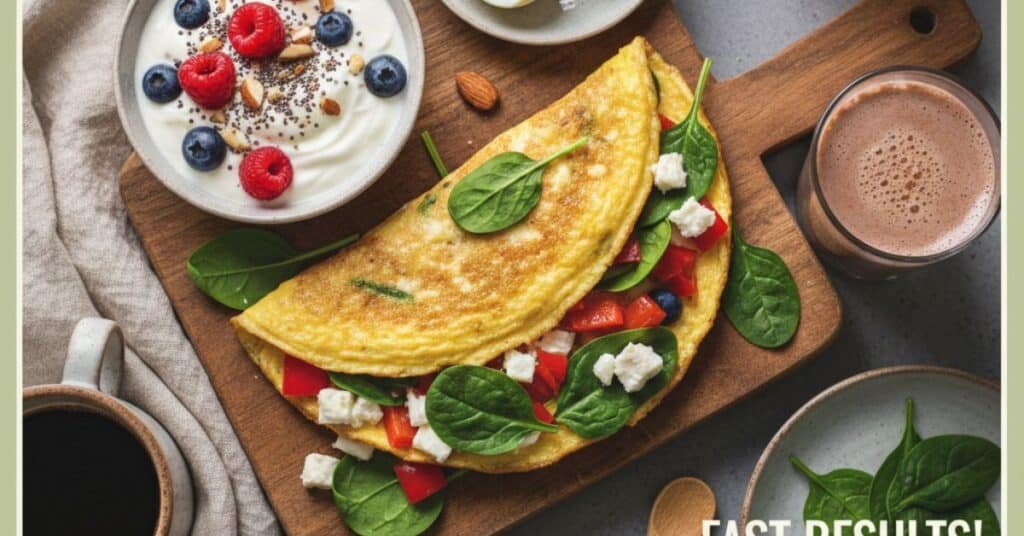
In the world of fitness and nutrition, there is a famous saying: “Abs are made in the kitchen.” While exercise is vital, your diet carries the heavy weight of your success. Specifically, your first meal of the day sets the metabolic tone for the next 16 hours. If you start with sugar and refined carbs, you trap yourself in a cycle of hunger. However, if you switch to high protein breakfast ideas for weight loss, you unlock a biological shortcut to burning fat. This guide provides an in-depth look at why protein is your best ally, a variety of delicious recipes, and a strategic plan to help you reach your goal weight. 1. The Science: Why Protein is the “Gold Standard” for Weight Loss To understand why protein-rich morning meals are superior, we must look at the three major ways protein affects human biology: A. The Thermic Effect of Food (TEF) Not all calories are created equal. Your body requires energy to break down, absorb, and process nutrients. This is known as TEF. B. Appetite Regulation (The Hunger Hormones) Protein is the most satiating macronutrient. It suppresses Ghrelin, the hormone that tells your brain you are hungry. Simultaneously, it boosts Peptide YY and GLP-1, hormones that tell your brain you are full. By eating a high-protein breakfast, you are chemically signaling your body to stop craving snacks. C. Muscle Preservation When people lose weight, they often lose muscle along with fat. This is a mistake because muscle burns more calories at rest than fat does. A high-protein diet ensures that the weight you lose comes from your fat stores, not your lean muscle mass. 2. Comparing the Best Protein Sources for Breakfast To build a successful meal plan, you need to know which foods offer the most “bang for your buck.” Food Source Protein Amount Calories (Approx) Best For… Egg Whites (4) 14g 70 kcal Pure lean protein, very low calorie. Greek Yogurt (1 cup) 20g 150 kcal Probiotics and gut health. Cottage Cheese (1 cup) 25g 180 kcal Slow-release energy for long days. Smoked Salmon (100g) 20g 120 kcal Brain-boosting Omega-3s. Tofu (1/2 cup) 10g 95 kcal Plant-based muscle building. Chicken Breast (100g) 31g 165 kcal Maximum satiety and volume. 3. Top 7 High Protein Breakfast Recipes for Weight Loss 1. The Mediterranean Spinach & Feta Omelet This is a classic low-calorie high protein breakfast. 2. Savory Indian-Style Paneer Bhurji For a high protein vegetarian breakfast for weight loss, paneer is unmatched in the Desi diet. 3. Berry & Nut Greek Yogurt Power Bowl A perfect choice for those who prefer healthy breakfast recipes for fat loss that are quick and cold. 4. Smoked Salmon and Avocado “Toast” (Low Carb) 5. Overnight High-Protein “Proats” 6. Tofu Scramble with Turmeric (Vegan Option) 7. Chickpea (Chana) & Quinoa Salad 4. Strategies for Success: Beyond the Recipe To reach a 1200-word depth of knowledge, we must discuss the habits that make these meals work. 5. The Verdict: Your Path Forward Switching to high protein breakfast ideas for weight loss is more than just a diet change; it is a lifestyle upgrade. By focusing on quality protein sources like eggs, Greek yogurt, paneer, and lean meats, you are giving your body the best chance to succeed. 6. Frequently Asked Questions (FAQs) Q1: Is it bad to eat too much protein? For a healthy individual, a high-protein diet is generally safe. Your kidneys are designed to process protein efficiently. However, if you have pre-existing kidney issues, consult a doctor first. Q2: What if I am not hungry in the morning? If you practice Intermittent Fasting, your “breakfast” is simply your first meal of the day. Whenever you break your fast, ensure that meal is high in protein to prevent overeating later. Q3: Can I drink protein shakes instead of eating a meal? Yes, but whole foods are better. Whole foods require more energy to digest and keep you fuller for longer due to the texture and volume. Q4: Will a high-protein breakfast make me “bulky”? No. Building “bulk” requires heavy lifting and a massive calorie surplus. For weight loss, protein simply helps you maintain your shape while your body burns fat. Q5: Can I have tea or coffee with my high-protein breakfast? Yes, but avoid adding sugar or heavy cream. Black coffee or tea with a splash of low-fat milk is fine.

Healthy Snacks for Weight Loss (Eat More, Lose More)
Recipes

Healthy Snacks for Weight Loss (Eat More, Lose More)

Losing weight is often associated with the phrase “stop eating.” However, modern nutritional science in 2026 tells a different story. To lose weight effectively and keep it off, you shouldn’t stop eating,you should start snacking smarter. Strategic snacking keeps your metabolism firing, prevents energy crashes, and stops you from overeating during lunch or dinner. In this guide, we will explore the best healthy snacks for weight loss and how understanding your body’s needs through a calorie deficit calculator can transform your results. 1. The Science of the Calorie Deficit Before choosing your snacks, you must understand the foundation of fat loss: the Calorie Deficit. A calorie deficit means you provide your body with slightly less energy (calories) than it burns. When this happens, your body is forced to burn stored fat for fuel. Most people fail their diets because they try to go 6-7 hours without food. This causes blood sugar to drop, leading to intense hunger. By adding low-calorie snack ideas into your day, you keep your hunger levels stable. This makes it much easier to stay within the limit provided by your calorie deficit calculator without feeling deprived. Calculate My Calories 2. Greek Yogurt with Mixed Berries Greek yogurt is a powerhouse of protein, containing nearly double the amount found in regular yogurt. When you mix it with berries, you add fiber and antioxidants. This combination is one of the best high-protein snacks for fat loss because it keeps you full for hours while satisfying your sweet tooth. 3. Hard-Boiled Eggs Eggs are often called the “gold standard” of protein. They are pre-portioned, easy to carry to work, and very affordable. Two large hard-boiled eggs contain about 140 calories and 12 grams of protein. They help stabilize blood sugar and prevent the “afternoon slump” that leads to unhealthy eating. 4. Air-Popped Popcorn If you are a “volume eater” who likes to eat a lot at once, popcorn is your best friend. Because it is high in air and fiber, you can eat 3 full cups for under 100 calories. It is much better than potato chips, which are loaded with unhealthy fats and high calories. 5. Roasted Makhane (Fox Nuts) Makhane is a fantastic low-calorie snack idea that has gained global popularity in 2026. They are gluten-free, low in sodium, and high in magnesium. Roasting them with a tiny bit of olive oil and salt makes them a crunchy, satisfying alternative to processed junk food. 6. Apple Slices with Almond Butter This is a classic nutrient-dense snack for weight management. The apple provides water and fiber, while the almond butter provides healthy fats and protein. This pairing slows down the digestion of fruit sugar, giving you steady energy instead of a sugar spike. 7. Cucumber and Hummus Cucumbers are almost entirely water, making them extremely low in calories. Dipping them in hummus adds a creamy texture and plant-based protein. This is a perfect “functional snack” to keep you hydrated and full during a busy workday. 8. Comparison Table: Snacks at a Glance Snack Option Primary Benefit Calories (Approx.) Protein Content Boiled Eggs (2) High Satiety 140 kcal 12g Makhane (1 Bowl) Low Calorie 100 kcal 2g Greek Yogurt Gut Health 120 kcal 15g Almonds (15 seeds) Healthy Fats 110 kcal 4g Popcorn (3 cups) Volume Eating 90 kcal 3g 9. Developing Healthy Snacking Habits To succeed, you need more than just food; you need a system. Here are the best healthy snacking habits for 2026: 10. Metabolism-Boosting Snacks: Fact or Fiction? Can food really speed up your metabolism? Yes, through the “Thermic Effect of Food” (TEF). Your body uses more energy to digest protein and fiber than it does for fats or sugars. By choosing metabolism-boosting snacks like roasted chickpeas or edamame, you are helping your body burn more calories even while you are resting. 11. Conclusion: Consistency is Everything Weight loss is a journey, not a sprint. By incorporating healthy snacks for weight loss into your daily routine, you make the process enjoyable and sustainable. Don’t be afraid to eat! Just be smart about your choices. Use a calorie deficit calculator to find your daily limit, pick your favorite snacks from the list above, and watch your body change. 12. Frequently Asked Questions (FAQs) Q1: What is the best time to snack? The best time is usually 3-4 hours after breakfast and 3-4 hours after lunch. This prevents the “afternoon slump.” Q2: Can I eat snacks at night? Yes. Choose something light like a few walnuts or a small piece of cheese. Avoid high-carb snacks late at night. Q3: Are “zero-calorie” jelly/drinks okay? While they fit your calorie deficit, they don’t provide nutrients. Natural nutrient-dense snacks for weight management are always better for your health.

10 Minute Quick Soup Recipes: Easy & Delicious Meals for Busy Days
Recipes

10 Minute Quick Soup Recipes: Easy & Delicious Meals for Busy Days

In today’s fast-paced world, finding time to prepare healthy, home-cooked meals can feel like an impossible task. However, what if you could prepare restaurant-quality soups in just 10 minutes? These quick soup recipes are about to transform your weeknight dinners forever. Why Quick Soup Recipes Are Perfect for Modern Living Quick soup recipes have become increasingly popular among home cooks, and for good reason. These fast soup ideas offer the perfect solution when you’re short on time but refuse to compromise on nutrition or taste. Whether you’re a busy professional, a parent juggling multiple responsibilities, or simply someone who values efficiency in the kitchen, 10-minute soups deliver exceptional results without the usual time investment. Key Benefits of 10-Minute Soups Essential Ingredients for Your Quick Soup Pantry Building a well-stocked pantry is the secret to mastering healthy soup recipes in minimal time. Pantry Staples Checklist Category Essential Items Why You Need Them Broths & Stocks Chicken, vegetable, beef broth Forms the flavorful base Canned Goods Diced tomatoes, beans, corn Adds instant nutrition Frozen Items Mixed vegetables, spinach Pre-cut, time-saving Aromatics Garlic, onions, ginger Creates depth of flavor Seasonings Herbs, spices, salt, pepper Elevates taste instantly Must-Have Shopping List Broths and Liquids: Canned Items: Frozen Vegetables: Proteins: Herbs and Spices: Five Amazing 10-Minute Soup Recipes 1. Classic Egg Drop Soup Ingredients: 4 cups chicken broth, 2 eggs (beaten), 1 tbsp soy sauce, 1 tsp sesame oil, 2 green onions, white pepper Instructions: Heat chicken broth until simmering, add soy sauce and sesame oil. While whisking the broth in a circular motion, slowly pour in beaten eggs to create delicate ribbons. Add sliced green onions and white pepper. 2. Quick Tomato Basil Soup Ingredients: 1 can crushed tomatoes, 2 cups vegetable broth, 1 tsp minced garlic, pinch of sugar, fresh basil leaves, splash of cream Instructions: Combine crushed tomatoes with vegetable broth in a pot. Add minced garlic and sugar, bring to a simmer. Stir in fresh basil leaves and cream for richness. 3. Lightning-Fast Wonton Soup Ingredients: 4 cups chicken broth, 12-15 frozen wontons, 1 cup baby spinach, 1/2 cup sliced mushrooms, 1 tsp sesame oil, 2 tbsp soy sauce, scallions Instructions: Bring chicken broth to a boil and add frozen wontons. Cook for 5 minutes. Add baby spinach, mushrooms, sesame oil, soy sauce and garnish with scallions. 4. Speedy Tortilla Soup Ingredients: 3 cups chicken broth, 1 can diced tomatoes with green chilies, 1 can black beans, 1 cup frozen corn, cumin, chili powder, lime juice, toppings (tortilla chips, cheese, avocado) Instructions: Simmer chicken broth with diced tomatoes, black beans, and frozen corn. Season with cumin, chili powder, and lime juice. Top with crushed tortilla chips, cheese, and avocado. 5. Instant Miso Soup with Tofu Ingredients: 4 cups water, 3 tbsp miso paste, 1 cup silken tofu (cubed), 2 tbsp wakame seaweed, 2 green onions Instructions: Heat water until just before boiling. Whisk in miso paste until dissolved. Add cubed tofu, wakame, and green onions. Never boil after adding miso paste. Recipe Comparison Table Soup Type Total Time Difficulty Best For Egg Drop 10 min Easy Light meal,appetizer Tomato Basil 10 min Easy Comfort food Wonton 10 min Very Easy Dinner Tortilla 10 min Easy Hearty meal Miso 10 min Very Easy Healthy option Expert Tips for Maximum Efficiency Time-Saving Strategies Flavor Enhancement Tricks Nutritional Benefits These healthy soup recipes prove that quick cooking doesn’t mean sacrificing nutrition. Health Benefits Benefit Key Ingredients High in Vegetables Spinach, tomatoes, carrots Protein-Rich Chicken, tofu, beans, eggs Low Calorie Broth-based soups Hydrating All liquid-based soups Gut-Friendly Miso, vegetables Key Advantages Conclusion Mastering quick soup recipes transforms how you approach weeknight cooking. These 10-minute wonders prove that delicious, nutritious, homemade meals don’t require hours in the kitchen. By keeping a well-stocked pantry and learning a handful of reliable recipes, you’ll never again feel forced to choose between convenience and quality. The beauty of these simple soup recipes lies in their flexibility. Once you understand the basic techniques, you can improvise with whatever ingredients you have on hand. Start with one or two recipes that appeal to you, and soon you’ll be creating your own speedy soup variations. Your future self will thank you for discovering the magic of 10-minute soups. Frequently Asked Questions Q: Can I make these soups ahead of time? A: Yes! Store in the refrigerator for 3-4 days. Soups with noodles are best made fresh as noodles become mushy when reheated. Q: How do I store leftover soup? A: Cool to room temperature, transfer to airtight containers. Refrigerate up to 4 days or freeze up to 3 months. Q: Can I freeze these soups? A: Most freeze well except those with dairy or pasta. Egg drop and miso soup are best enjoyed fresh. Q: How can I make soup thicker? A: Add cornstarch slurry, mash some vegetables, stir in instant potato flakes, or blend a portion of the soup. Q: Can I substitute ingredients? A: Absolutely! Swap broths, use any vegetables on hand, and substitute dried herbs for fresh (use 1/3 the amount). Q: How do I add more protein? A: Add shredded chicken, cooked shrimp, tofu, canned beans, or a poache eggs. Calculate My Calories

The Ultimate Guide to Soup Recipes: Nourishing Your Soul One Bowl at a Time
Recipes

The Ultimate Guide to Soup Recipes: Nourishing Your Soul One Bowl at a Time

There is something undeniably magical about a simmering pot on the stove. Whether it is the rhythmic bubbling of a broth or the aromatic steam filling the kitchen, soup is more than just a meal—it is a universal language of comfort. In a world of fast food and instant snacks, winter comfort food like a well-crafted soup offers a return to slow, intentional, and healthy eating. 1. Why Soup is the Ultimate Superfood Before diving into the recipes, it is essential to understand why soups have been a dietary staple for centuries. Soup allows you to consume a high volume of vegetables and proteins in a form that is easy for the body to digest. Quick Comparison: Popular Soup Bases Soup Type Primary Benefit Best For Bone Broth High in Collagen & Minerals Joint health and gut healing Vegetable Stock Low Calorie & High Fiber Weight loss and detoxification Cream-Based High Energy & Comfort Satiety and cold winter nights Clear Broth Hydration Recovery from illness (Cold/Flu) 2. The Classic: Easy Chicken Soup When you are feeling under the weather or simply need a “hug in a bowl,” an easy chicken soup is the gold standard. This recipe focuses on simplicity and high-quality ingredients. Ingredients Checklist: Instructions: 3. Hearty & Healthy Vegetable Soup Recipes Vegetable soups often get a bad reputation for being “thin.” However, by using the right techniques, you can create a hearty meal that even meat-eaters will crave. Here are some one-pot soup ideas to keep your kitchen clean and your belly full: Top Vegetables for Richer Flavor: 4. Pro-Level Secrets: How to Thicken Your Soup One of the most common questions in soup recipes is how to achieve that perfect “restaurant-style” consistency. Thickening Methods Comparison Table Method Technique Best Used In Roux Flour and butter cooked together Creamy soups (Chowders) Slurry Cornstarch mixed with cold water Clear soups (Corn Soup) Pureeing Blending a portion of the veggies Bean or Potato soups Grains Adding oats, barley, or rice Broth-based stews 5. Troubleshooting: Common Soup Mistakes Even expert chefs can run into trouble. Here is how to fix common issues: 6. Storage and Food Safety  To ensure your homemade soup for cold storage is safe, follow these expert guidelines: Conclusion Whether you are seeking winter comfort food to survive the chill or looking for easy chicken soup to heal a loved one, mastering these basics will make you a hero in the kitchen. Remember, soup is an art, not just a recipe—don’t be afraid to taste, adjust, and experiment! Frequently Asked Questions (FAQs) Q1: What is the secret to a flavorful soup? The secret is “layering.” Don’t just boil everything at once. Sauté your onions and aromatics first, deglaze the pan with a little liquid to pick up the browned bits, and then add your broth. Q2: Can I make these soup recipes in a Slow Cooker? Absolutely. Most one-pot soup ideas are perfect for slow cookers. Simply add all ingredients (except dairy and fresh herbs) and cook on “Low” for 6-8 hours. Q3: How do I make my soup vegetarian but still “meaty”? Use “Umami” rich ingredients. Adding soy sauce, nutritional yeast, dried mushrooms, or a parmesan rind to a healthy vegetable soup recipe provides a deep, savory flavor similar to meat. Q4: Is soup actually good for a cold? Yes. Scientific studies suggest that chicken soup can inhibit the movement of neutrophils (white blood cells that cause inflammation), effectively reducing upper respiratory cold symptoms. Q5: Which soup is best for weight loss? Broth-based vegetable soups are best. They have low energy density but high volume, meaning they fill you up for very few calories. Calculate My Calories

The Ultimate Guide to Perfect Air Fryer Boiled Eggs: A Culinary Game-Changer
Recipes

The Ultimate Guide to Perfect Air Fryer Boiled Eggs: A Culinary Game-Changer

In the fast-paced world of modern cooking, the air fryer has emerged as the undisputed king of convenience. While it is famous for crispy fries, its ability to produce perfect “boiled” eggs without a single drop of boiling water is perhaps its most underrated feature. As a kitchen expert who has tested hundreds of convection-based recipes, I can confirm that the air fryer egg hack is not just a viral trend; it is a scientifically sound method for achieving consistent results. Why the Air Fryer Method Wins Traditional boiling relies on water as the heat conductor. However, water temperature can vary based on altitude and how high you set your stove. An air fryer maintains a steady environment, ensuring the yolk is exactly how you like it every single time. Why This Method is Superior: 1. The Master Timing & Temperature Chart The secret to success is the 250°F (120°C) setting. Higher temperatures can lead to rubbery whites and scorched shells. Use this table as your definitive guide: Desired Result Time at 250°F (120°C) Texture Description Best Used For Soft Boiled 9 – 10 Minutes Liquid gold yolk, set whites Toast soldiers & Dipping Jammy Eggs 11 – 12 Minutes Custard-like, creamy center Ramen & Avocado Toast Medium Boiled 13 Minutes Fully set but tender yolk Niçoise Salads Hard Boiled 15 Minutes Firm, pale yellow yolk Deviled Eggs & Meal Prep 2. Essential Tools and Ingredients Before you start, ensure you have the following ready: 3. Step-by-Step Instructions Step 1: Loading the Basket Place your eggs in the air fryer basket in a single layer. Step 2: Setting the Controls Set the temperature to 250°F (120°C). Select your time based on the chart above. For most beginners, 12 minutes for a jammy egg is the perfect starting point. Step 3: The Thermal Shock (Ice Bath) When the timer dings, move quickly! Step 4: Peeling Gently crack the shell all over. The ice bath causes the egg to contract, making the shell slip off in large, satisfying pieces. 4. Exclusive Air Fryer Egg Recipes Recipe 1: The “Gourmet” Jammy Egg Avocado Toast This recipe is the perfect showcase for the air fryer soft boiled eggs technique, delivering a rich, custard-like yolk every time. Ingredients: Instructions: Recipe 2: Healthy High-Protein Air Fryer Egg Salad Using the easy peel hard boiled eggs air fryer method, this recipe provides a clean, high-protein meal perfect for lunch or post-workout snacking. Ingredients: Instructions: 5. Troubleshooting Common Issues Even with the best guide, things can go wrong. Here is how to fix them: 6. Pro-Tips for Success Conclusion Mastering no-water boiled eggs is a transformative skill for any home cook. By following these precise timings and the mandatory ice bath step, you eliminate the mess and the guesswork. Whether it’s for breakfast, a quick snack, or a sophisticated salad topping, your air fryer is officially the best way to “boil” an egg. Frequently Asked Questions (FAQs) Q1: Can I cook 12 eggs at once? Yes. As long as they are in a single layer. The air fryer egg hack works for any quantity that fits comfortably in your basket. Q2: Is it safe to cook eggs without water? Yes. Scientific studies show that as long as the internal temperature reaches 160°F, the eggs are safe to consume. Convection heat is just as effective as conduction (boiling water). Q3: Why 250°F instead of 400°F? Cooking at high heat makes the proteins in the egg whites tough and rubbery. Low and slow (250°F) keeps them tender. Q4: Do I need to flip the eggs? No. The air fryer circulates air 360 degrees around the eggs, so they cook evenly without being moved.

How to Boil Eggs Perfectly: The Ultimate Fail-Proof Guide (2026)
Recipes

How to Boil Eggs Perfectly: The Ultimate Fail-Proof Guide (2026)

Boiling an egg is often the very first thing we learn in the kitchen, yet it remains one of the most debated topics. This guide provides a scientific approach to achieving the perfect egg every time. 1. Quick Summary: The Essential Checklist Before you start, ensure you have these basics ready: 2. The Definitive Egg Timing Chart Use this table to choose your desired yolk consistency. These timings are based on the “Hot Start” method (dropping eggs into boiling water). Boiling Time Yolk Description Best For… 6 Minutes Liquid gold, very runny Dipping toast soldiers 7 Minutes “Jammy” and custardy Ramen bowls & Avocado toast 8 Minutes Soft-set but creamy gold Protein-packed salads 10 Minutes Fully set, bright yellow Standard breakfast/Snacks 12 Minutes Firm and light yellow Deviled eggs & Egg salad 14+ Minutes Very hard and dry Grating over dishes 3. Comparing Methods: Cold Start vs. Hot Start Which method should you use? Here is a quick comparison: Cold Start Method Hot Start Method (Recommended) 4. Step-by-Step Instructions Follow these bulleted steps for a flawless result: 5. Pro-Tips for “Easy-Peel” Success If you struggle with shells sticking to the whites, try these expert hacks: 6. Troubleshooting Common Mistakes Are your eggs not coming out right? Check these common issues: 7.Conclusion  Mastering the boiled egg is about Control. By using a timer and an ice bath, you take the guesswork out of the process. Whether you want a “Jammy” Ramen egg or a firm egg for your salad, these steps ensure success every single time. 8. Frequently Asked Questions (FAQs)

Scroll to Top