prepslim.com

meal prep

The Ultimate Guide to PBD Meal Prep for Beginners
meal prep

The Ultimate Guide to PBD Meal Prep for Beginners

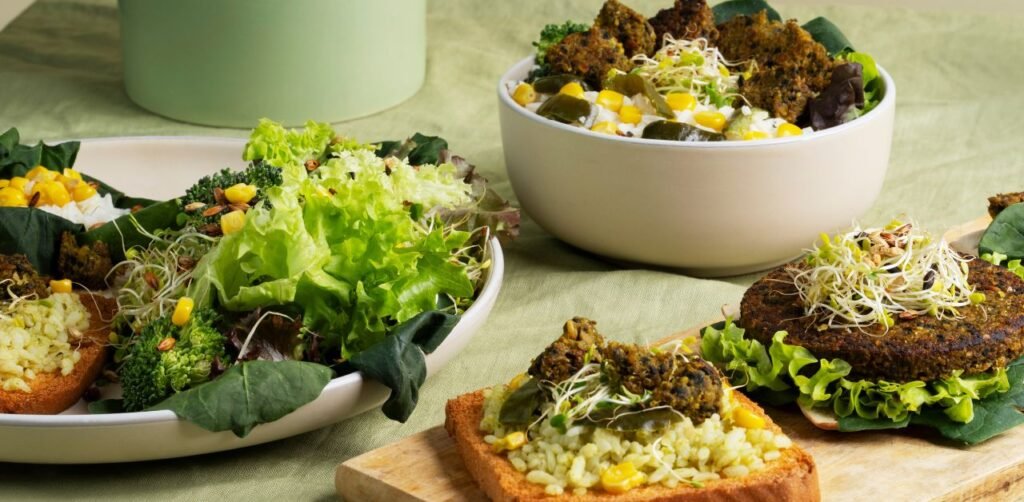
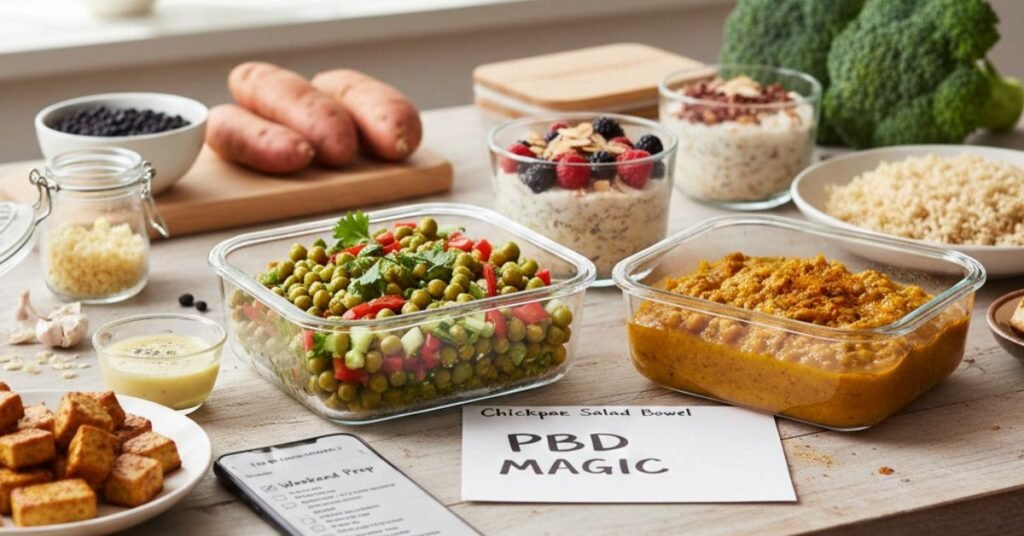
Transitioning to a plant-based diet for beginners is a rewarding journey for your health. The secret to staying consistent is not just motivation, it is preparation. With PBD meal prep for beginners, you can ensure that you always have high-protein plant-based meals ready to eat. Why PBD Meal Prep Works Meal prepping is the practice of preparing your meals or ingredients ahead of time.  Step-By-Step Beginner’s Execution Plan Step 1: The Inventory Check (Saturday) Check what you already have. Look at your beans, grains, and spices. Make a list of only what you need to avoid overspending. Step 2: The Cooking Session (Sunday) Spend 2 hours in the kitchen: Step 3: Proper Storage How you store food determines how good it tastes on Wednesday. Three Easy PBD Recipes for Your Prep Day Here are three essential recipes that are perfect for budget-friendly meal prepping. You can cook these on a Sunday and eat them throughout the week. Recipe 1: The “Everything” Roasted Veggie Tray This is the base for many healthy PBD recipes. You can add these veggies to pasta, rice bowls, or wraps. Recipe 2: High-Protein Chickpea Salad This is one of the best easy vegan meal prep ideas because it requires zero cooking! Recipe 3: One-Pot Red Lentil Stew  Lentils are the king of high-protein plant-based meals.  Sample Weekly Meal Structure Using the recipes above, here is how your week could look: Day Lunch Dinner Monday Chickpea Salad Bowl Lentil Stew with Rice Tuesday Roasted Veggie & Hummus Wrap Lentil Stew with Rice Wednesday Chickpea Salad Bowl Roasted Veggie Pasta Thursday Quinoa & Lentil Bowl Roasted Veggie & Hummus Wrap Friday Leftover “Power Bowl” PBD Tacos (using Chickpeas) Pro-Tips for Freshness  As an experienced meal prepper, here are my top tips for beginners: Common Mistakes to Avoid Conclusion Mastering PBD meal prep for beginners is about making your life easier. Start with these three recipes, keep your pantry stocked, and watch how your health improves week by week. Frequently Asked Questions (FAQs) Q: How do I get enough protein? A: By including lentils, chickpeas, and nuts in your recipes, you will easily hit your protein goals. Q: Is meal prepping expensive? A: No, budget-friendly meal prepping relies on staples like beans and grains, which are much cheaper than meat. Q: Can I use frozen vegetables? A: Yes! Frozen veggies are great for stews and stir-fries and often have more vitamins than “fresh” store-bought ones. 📊 Calculate Your Macros Now

The Ultimate Guide to Low Carb Meal Prep for Beginners: Master Your Health and Time
meal prep

The Ultimate Guide to Low Carb Meal Prep for Beginners: Master Your Health and Time

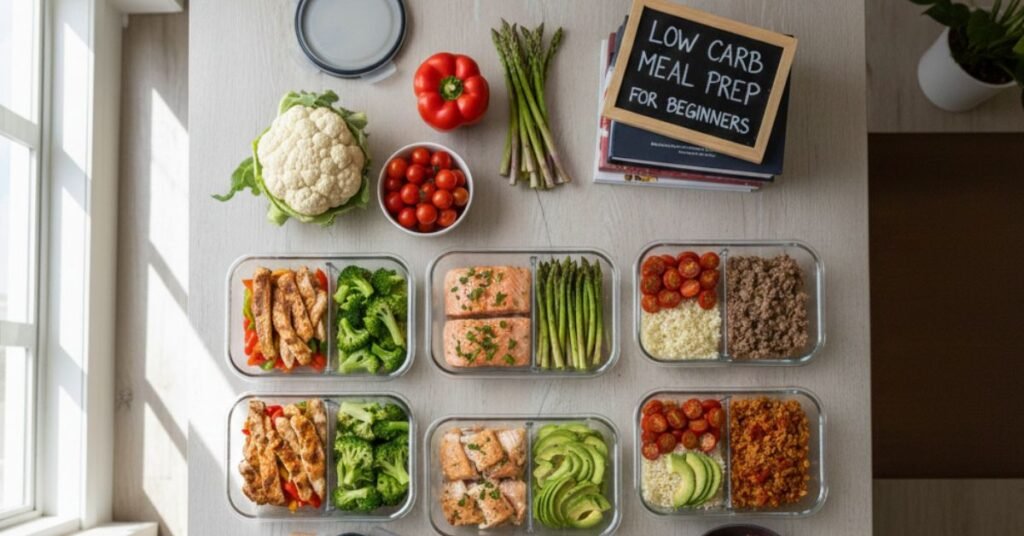
The transition to a low-carb lifestyle is a powerful move for weight management, blood sugar control, and sustained energy levels. However, the most common reason people fail within the first two weeks isn’t a lack of willpower—it’s a lack of preparation. When you are tired after a long workday, your brain naturally seeks the quickest source of energy: carbohydrates. Low carb meal prep for beginners is the strategic solution to this biological trap. By preparing your meals in advance, you remove the “choice” and replace it with a “ready-to-eat” healthy reality. 1. Understanding the Low Carb Framework Before you start chopping vegetables, you must understand what “Low Carb” means for your body. Unlike a standard diet where 50-60% of calories come from carbs, a low-carb diet typically limits intake to between 20g and 100g of net carbs per day, depending on your goals. The “Net Carb” Calculation To meal prep effectively, you need to understand Net Carbs. This is the only number that truly impacts your blood sugar. $$Net\ Carbs = Total\ Carbohydrates – Fiber$$ Since fiber isn’t digested, it doesn’t count toward your daily limit. 2. Essential Low Carb Grocery List A successful meal prep starts at the grocery store. Beginners should focus on “whole foods” found in the outer aisles. Proteins (The Foundation) Vegetables (The Bulk) Focus on “above-ground” vegetables, as they are generally lower in starch: Healthy Fats (The Energy) 3. Weekly Low Carb Prep Strategy (Step-by-Step) Step 1: The “Power Hour” Planning Do not go to the store without a plan. Spend 20 minutes on Friday night picking 3 main proteins and 4 vegetables. This prevents “impulse buying” of high-carb snacks. Step 2: Batch Cooking Instead of cooking 21 individual meals, cook components. Step 3: The Assembly Line Use airtight, BPA-free containers. Layer your food to prevent sogginess: 4. Comparison Table: Low Carb vs. Traditional Meal Prep Feature Traditional Meal Prep Low Carb Meal Prep Main Base Rice, Pasta, or Potatoes Cauliflower Rice, Zoodles, or Greens Primary Energy Source Glucose (Carbohydrates) Healthy Fats & Protein Satiety Level Moderate (may feel hungry fast) High (Protein/Fat keep you full longer) Prep Focus Boiling grains Roasting veggies & Searing meats Blood Sugar Impact High Spikes Stable & Consistent 5. Low Carb Meal Prep on a Budget One of the biggest myths is that low carb is only for the wealthy. Here is how to keep costs down: 6. Sample 3-Day Beginner Meal Plan Day Breakfast Lunch Dinner Day 1 2 Boiled Eggs + 1/2 Avocado Grilled Chicken + Spinach Salad Ground Beef + Zucchini Noodles Day 2 Low-Carb Yogurt + Walnuts Leftover Ground Beef Stir-fry Baked Salmon + Roasted Broccoli Day 3 Spinach & Feta Omelet Tuna Salad (no bread) + Celery Chicken Thighs + Cauliflower Mash 7. Storage, Reheating, and Food Safety To maintain the Experience and Trustworthiness of your prep: 8. Conclusion Success in low carb meal prep for beginners doesn’t require being a chef. It requires a system. By focusing on simple protein-veggie combinations, buying in bulk, and dedicating a few hours a week to batch cooking, you can transform your health without the daily stress of “what’s for dinner?”  (FAQs) Q: Can I eat beans or lentils? A: Most beans are high in starch. For strict low-carb, avoid them. For a moderate approach, black beans can be used in small quantities. Q: How do I handle the “Keto Flu” during the first week? A: This is usually dehydration. Increase your salt (sodium) and magnesium intake. Drinking bone broth is a great beginner hack. Q: Is “Dirty Keto” or “Low Carb Fast Food” okay? A: While it may be low in carbs, processed meats and cheap oils increase inflammation. Stick to whole foods for the best health results. Q: What are the best low-carb snacks? A: Almonds, string cheese, olives, and cucumbers with cream cheese are excellent prep-friendly snacks.

The Ultimate Guide: How to Meal Prep for Weight Loss (2026 Edition)
meal prep

The Ultimate Guide: How to Meal Prep for Weight Loss (2026 Edition)

Losing weight is often portrayed as a battle of willpower, but in reality, it is a battle of environment. If you are surrounded by unhealthy options when hunger strikes, you are likely to succumb to them. This is where meal prepping becomes your secret weapon. By learning how to meal prep for weight loss, you shift from reactive eating to proactive nourishing. In this comprehensive 1,000-word guide, we will explore the science, the strategy, and the practical steps to make meal prepping a permanent part of your lifestyle. 1. The Science of Meal Prepping and Weight Loss Weight loss fundamentally requires a caloric deficit—burning more energy than you consume. However, counting calories on the fly is stressful and often inaccurate. Meal prepping solves this by: 2. Setting Your Foundations: The Essential Keywords To make this work, you need to understand five core pillars of successful weight loss prepping: 3. Step-by-Step Guide to Your First Prep Phase 1: The Planning (Friday/Saturday) Don’t jump into the kitchen without a map. Start by picking two protein sources (e.g., chicken and chickpeas), two grains (e.g., brown rice and sweet potatoes), and four vegetables. Phase 2: The Smart Shopping Trip Using your meal prep grocery list, shop the “perimeter” of the store. This is where the fresh produce, meat, and dairy live. Phase 3: The Prep Session (Sunday) You don’t need all day. With healthy batch cooking, you can finish in 90 minutes: 4. The “Formula” for a Weight Loss Meal Every container you pack should follow a specific nutritional hierarchy to maximize fat loss: Component Role Examples Volume (50%) Fills the stomach with fiber Broccoli, Zucchini, Kale, Cauliflower Protein (25%) Muscle repair & Satiety Turkey, Tofu, Eggs, Lean Beef, Lentils Fuel (25%) Brain energy Quinoa, Brown Rice, Berries, Legumes Flavor (Small Amount) Satisfaction Hummus, Salsa, Avocado, Lemon-Tahini 5. Storage and Food Safety  To maintain the trustworthiness of your food, you must handle it correctly. 6. Overcoming Common Obstacles “I get bored of eating the same thing” This is the biggest hurdle in low-calorie meal plans. The solution is “Component Prepping” rather than “Meal Prepping.” Instead of making five identical bowls of Chili, prep roasted chicken, roasted peppers, and rice. On Monday, make it a burrito bowl with salsa. On Tuesday, add soy sauce for a stir-fry. Same ingredients, different flavors. “I don’t have enough time” If you can’t spare two hours on a Sunday, try “Buffet Prepping.” Just wash and chop your vegetables and marinate your meat. Even if you still have to cook daily, having the “work” (chopping and cleaning) done reduces the barrier to healthy eating. 7. Budget-Friendly Meal Prep Hacks Weight loss is often perceived as a “luxury,” but budget-friendly meal prep proves otherwise. 8. Conclusion: Your 3-Day Challenge Don’t try to prep for the whole month today. Start small. Meal prepping for weight loss isn’t about perfection; it’s about giving your future self a helping hand. When you open that fridge and see a colorful, balanced meal waiting for you, you aren’t just looking at food—you’re looking at a plan that guarantees your success. (FAQs) Q1: How long does meal prep last in the fridge?  Generally, most cooked meals (chicken, grains, roasted veggies) are safe and tasty for 3 to 4 days. For a full week, prep on Sunday and do a “mini-prep” on Wednesday. Q2: Can I freeze my prepped meals?  Yes! Soups, stews, and cooked meats freeze very well. Avoid freezing raw watery vegetables like lettuce or cucumbers as they become mushy. Q3: Is meal prep expensive?  Not at all. In fact, budget-friendly meal prep is cheaper than buying lunch daily. Buying in bulk and using seasonal produce significantly lowers your cost per meal. Q4: How do I stop my food from getting soggy?  Keep your sauces and dressings in separate small containers. Also, ensure your food is completely cool before putting the lid on to avoid steam condensation. Q5: What are the best containers for weight loss meal prep?  Glass containers with airtight lids are best. They are microwave-safe, don’t stain, and help you see exactly what you are eating, which helps with psychological satisfaction.

Vegetarian Meal Prep for Weight Loss: Your Complete Guide to Healthy Results
meal prep

Vegetarian Meal Prep for Weight Loss: Your Complete Guide to Healthy Results

Losing weight doesn’t have to mean spending hours in the kitchen every day or eating bland, boring meals. If you’ve ever felt overwhelmed by the daily question of “what should I eat?” while trying to shed pounds, you’re not alone. The secret to sustainable weight loss isn’t another restrictive diet—it’s smart meal preparation combined with plant-based nutrition. Why Vegetarian Meal Prep Works for Weight Loss Vegetarian diets offer unique advantages for weight management that go beyond simple calorie counting. Plant-based foods are naturally rich in fiber, which keeps you feeling full longer and helps regulate blood sugar levels. When you build meals around vegetables, legumes, and whole grains, you’re consuming foods with lower calorie density—meaning you can eat satisfying portions without exceeding your calorie goals. Key Benefits: Studies consistently show that people who meal prep make better nutritional choices throughout the week. You’re no longer making food decisions when you’re hungry and tired—the times when willpower is weakest. Understanding Your Calorie Needs Before diving into meal prep, calculate your daily calorie target for weight loss: Simple Calculation Formula: Subtract 500-750 calories from this number for healthy weight loss of 1-2 pounds weekly. Example: A 180-pound moderately active person would need: Top Vegetarian Protein Sources Getting adequate protein is crucial for weight loss—it preserves muscle mass and keeps you satisfied. Aim for 0.7-1 gram of protein per pound of target body weight. Protein Source Protein per 100g Calories per 100g Best Uses Lentils 9g 116 Soups, curries, bowls Chickpeas 19g 364 Salads, roasting, hummus Black Beans 21g 341 Bowls, burritos, chili Tofu (firm) 8g 76 Stir-fries, scrambles Tempeh 19g 193 Sheet pan meals, tacos Greek Yogurt 10g 59 Breakfast, snacks, dressings Eggs 13g 155 Breakfast, any meal Quinoa 14g 368 Bowl base, side dishes Edamame 11g 122 Snacks, stir-fries, bowls Your Weekly Grocery Shopping List Plant-Based Proteins: Complex Carbohydrates: Fresh Vegetables: Frozen Essentials: Healthy Fats: Pantry Staples: Sample 7-Day Meal Plan This beginner-friendly plan provides approximately 1,500-1,700 calories daily with 80-100g protein. Daily Structure: Meal Calories Protein Example Foods Breakfast 300-350 15-20g Overnight oats, Greek yogurt parfait, egg muffins Lunch 400-500 18-22g Buddha bowls, quinoa salads, veggie wraps Dinner 400-500 16-20g Stuffed peppers, curry, chili, stir-fries Snacks (2) 150-200 each 5-10g each Hummus with veggies, Greek yogurt, energy bites 4 Easy Vegetarian Recipes for Weight Loss Recipe 1: Spicy Black Bean and Sweet Potato Bowl Serves: 4 | Prep time: 15 minutes | Cook time: 25 minutes | Per serving: 380 calories, 14g protein, 8g fiber Ingredients: Instructions: Meal Prep Tip: Store components separately. Sweet potatoes and beans keep 5 days. Add fresh avocado and cilantro when ready to eat. Why It Works for Weight Loss: High fiber content keeps you full for hours. Sweet potatoes provide sustained energy without blood sugar spikes, while black beans deliver plant-based protein. Recipe 2: Lentil and Vegetable Stir-Fry Serves: 4 | Prep time: 10 minutes | Cook time: 20 minutes | Per serving: 320 calories, 16g protein, 12g fiber Ingredients: Instructions: Meal Prep Tip: Make a big batch and portion into containers with cauliflower rice for an ultra-low-calorie base. Keeps 4 days in the refrigerator. Why It Works for Weight Loss: Loaded with vegetables and protein-rich lentils. Using cauliflower rice as a base cuts calories dramatically while adding extra vegetables. Recipe 3: Greek-Inspired Chickpea Salad Jars Serves: 4 | Prep time: 15 minutes | No cooking required | Per serving: 340 calories, 15g protein, 11g fiber Ingredients: Lemon-Herb Dressing: Instructions: Meal Prep Tip: These jars stay fresh for up to 5 days when layered correctly with dressing at the bottom and greens on top. Perfect grab-and-go lunch. Why It Works for Weight Loss: No cooking required means less time in the kitchen. Chickpeas provide filling protein and fiber, while the Mediterranean-style ingredients offer heart-healthy fats and tons of flavor without excess calories. Recipe 4: Cauliflower and Chickpea Curry Serves: 6 | Prep time: 15 minutes | Cook time: 25 minutes | Per serving: 280 calories, 11g protein, 9g fiber Ingredients: Instructions: Meal Prep Tip: This curry tastes even better the next day as flavors develop. Freeze individual portions for up to 3 months. Perfect for busy weeknight dinners. Why It Works for Weight Loss: Cauliflower is extremely low in calories but adds bulk and satisfaction to the dish. The combination of spices boosts metabolism slightly, and the coconut milk adds richness without heavy cream. Using cauliflower rice instead of regular rice can save 150+ calories per serving. Conclusion Vegetarian meal prep for weight loss combines the natural benefits of plant-based eating with the strategic advantage of planning ahead. By dedicating just 2-3 hours on Sunday, you set yourself up for a week of healthy, satisfying meals that support your weight loss goals without constant stress or decision fatigue. Start with the simple 7-day plan provided, choose 3-4 recipes that appeal to you, and commit to one week of meal prep. The first week is always the hardest, but by week three, you’ll wonder how you ever lived without this system. Your health is worth the effort, and sustainable weight loss is absolutely achievable with the right approach. Stop relying on willpower alone—create an environment where healthy choices are the easiest choices. Frequently Asked Questions (FAQs) 1. Can I really lose weight on a vegetarian diet? Absolutely! Research shows that vegetarian diets can be highly effective for weight loss. Plant-based foods are naturally lower in calories and higher in fiber, which helps you feel full while consuming fewer calories. Studies indicate that people following vegetarian eating patterns tend to have lower BMIs and lose weight more effectively than those eating meat-based diets. The key is focusing on whole foods like vegetables, legumes, whole grains, and avoiding processed vegetarian junk foods. 2. How much protein do I need daily as a vegetarian trying to lose weight? Aim for 0.7-1 gram of protein per pound of your target body weight. For example, if your goal weight is 140 pounds, target 98-140 grams of protein daily. This
High Protein Meal Prep for Weight Loss: Your Complete Guide to Sustainable Results
meal prep

High Protein Meal Prep for Weight Loss: Your Complete Guide to Sustainable Results

Introduction Struggling to lose weight while juggling a busy schedule? High protein meal prep for weight loss is your solution. As a certified nutritionist with 8+ years of experience, I’ve helped hundreds of clients achieve sustainable results through strategic meal planning and protein-rich recipes. This comprehensive guide will show you exactly how to prep delicious, high-protein meals that keep you satisfied, preserve muscle mass, and eliminate daily cooking stress. Whether you’re new to meal prep or looking to optimize your routine, these evidence-based strategies will transform your weight loss journey. Why High-Protein Meal Prep Works: The Science The Protein Advantage for Weight Loss Protein is your secret weapon for sustainable fat loss. Here’s what happens when you prioritize high protein recipes for weight loss: Key Benefits: According to the American Journal of Clinical Nutrition, adequate protein intake is crucial for muscle recovery and preventing muscle loss during weight loss. Meal Prep: Your Time-Saving Strategy Benefits of Batch Cooking for Weight Loss: Benefit Impact Time Savings 5-10 hours saved per week Cost Reduction 30-40% lower food expenses Portion Control Pre-measured servings prevent overeating Consistency Eliminates daily decision fatigue Food Safety Proper storage extends freshness 4-5 days How Much Protein Do You Need? Daily Protein Requirements TableOptimal Daily Distribution Activity Level Protein per Pound of Body Weight Example (150 lb person) Sedentary 0.8-1.0g 120-150g daily Moderately Active 1.0-1.2g 150-180g daily Highly Active 1.2-1.6g 180-240g daily Spread protein throughout the day for maximum benefits: 5 High-Protein Meal Prep Recipes for Weight Loss Recipe 1: High-Protein Buffalo Mac and Cheese Servings: 4 | Prep: 15 min | Cook: 30 min Nutrition per Serving Amount Calories 450 Protein 35g Carbs 45g Fat 12g Ingredients: Instructions: Storage: Refrigerate 4-5 days. Reheat with splash of milk for creaminess. Recipe 2: Lemon-Brown Butter Salmon Servings: 4 | Prep: 10 min | Cook: 20 min Nutrition per Serving Amount Calories 380 Protein 38g Carbs 8g Fat 22g Ingredients: Instructions: Storage: Best within 3-4 days; do not freeze. Recipe 3: Mexican Breakfast Burritos (Freezer-Friendly) Servings: 8 burritos | Prep: 15 min | Cook: 20 min Nutrition per Burrito Amount Calories 380 Protein 30g Carbs 35g Fat 14g Ingredients: Instructions: Storage: Freeze up to 3 months. Reheat: microwave 2-3 min or oven 350°F for 15 min. Recipe 4: Cottage Cheese Baked Ziti Servings: 5 | Prep: 20 min | Cook: 35 min Nutrition per Serving Amount Calories 480 Protein 40g Carbs 52g Fat 10g Ingredients: Instructions: Storage: Refrigerate 5 days or freeze up to 3 months. Recipe 5: White Bean & Smoked Sausage Skillet Servings: 4 | Prep: 10 min | Cook: 25 min Nutrition per Serving Amount Calories 440 Protein 32g Carbs 42g Fat 16g Ingredients: Instructions: Storage: Keeps 4-5 days refrigerated. Pairs with salad or roasted vegetables. 5-Day High-Protein Meal Plan Complete Weekly Schedule Day Breakfast Lunch Dinner Total Protein Monday Mexican Burrito (30g) Buffalo Mac (35g) Salmon (38g) 103g Tuesday Mexican Burrito (30g) Baked Ziti (40g) Sausage Skillet (32g) 102g Wednesday Mexican Burrito (30g) Buffalo Mac (35g) Salmon (38g) 103g Thursday Mexican Burrito (30g) Baked Ziti (40g) Sausage Skillet (32g) 102g Friday Mexican Burrito (30g) Buffalo Mac (35g) Salmon (38g) 103g Daily Average: 1,200-1,300 calories | 100-105g protein Recommended Snacks (Choose 1-2 Daily) Snack Option Calories Protein Greek yogurt + berries 150 15g 2 hard-boiled eggs 140 12g Protein shake 200 25g String cheese + apple 180 8g Conclusion: High protein meal prep for weight loss is a game-changing strategy that saves time, money, and delivers sustainable results. These healthy meal prep ideas have transformed countless lives, and they can work for you too. FAQS Q: Can I eat the same meals every day?                                                                                   A: Yes, but rotating 2-3 recipes prevents boredom and ensures nutritional variety. Q: Will I lose muscle on this plan?                                                                                            A: No. The high protein content (100-105g daily) preserves muscle mass during weight loss. Q: Can men follow this meal plan?                                                                                            A: Absolutely. Men need 200-400 more calories daily—increase portions by 25%. Q: How long until I see results?                                                                                                 A: Most people notice increased energy within 3-5 days. Visible weight loss begins in 2-3 weeks. Q: What if I’m vegetarian?                                                                                                                    A: Substitute animal proteins with tofu, tempeh, seitan, or extra legumes.

Easy Lunch Meal Prep: Simple Guide for Busy Weeks
meal prep

Easy Lunch Meal Prep: Simple Guide for Busy Weeks

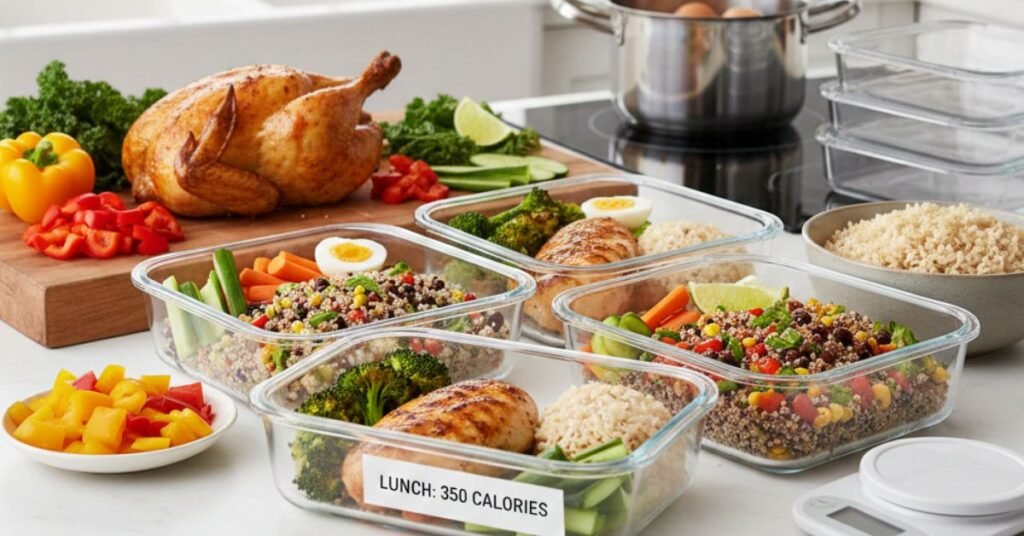
Tired of the morning rush and daily lunch dilemmas? Easy lunch meal prep can transform your life. This simple technique helps you save time, money, and energy every week while maintaining healthy eating habits. In this article, we’ll share practical tips, recipes, and strategies to help you become a meal prep master. Why Easy Lunch Meal Prep Works for Everyone Meal prep isn’t just a time-saving hack; it improves your overall lifestyle. With weekly meal planning, you prepare yourself for a busy workweek. When you spend 2-3 hours on Sunday doing meal prep, your entire week becomes stress-free. The Triple Benefits of Meal Prepping Benefit Category What You Save Real Impact Time 30-45 min daily 2.5-3.5 hours per week Money $5-8 per lunch $100-150 per month Health 300-500 calories Better portion control From a financial perspective, lunch meal prep is extremely budget-friendly. Daily takeout or restaurant meals can cost 8-12 dollars per day, while homemade meal prep lunches cost only 3-5 dollars per serving. The health benefits are also quite significant. When you prepare your own meals, you can maintain portion control and use fresh, wholesome ingredients. Essential Tools and Pantry Staples For successful meal prep, having the right tools and ingredients is essential. Invest in airtight glass containers or BPA-free plastic containers that are microwave-safe and leak-proof. Mason jars are perfect for salads because they keep greens crispy. Must-Have Items Storage Containers: Pantry Staples Checklist Category Items to Stock Shelf Life Grains Quinoa, brown rice, pasta 6-12 months Proteins Canned beans, tuna 2-5 years Healthy Fats Olive oil, nuts, seeds 6-12 months Flavor Boosters Sauces, spices, herbs 1-3 years Stock your pantry with grains like quinoa, brown rice, and whole grain pasta. Canned beans and lentils are affordable protein sources. For fresh produce, keep pre-washed greens, cherry tomatoes, bell peppers, and cucumbers. Simple Meal Prep Formulas You Can Follow Meal prep doesn’t need to be complicated. The perfect grain bowl formula is simple: choose ½ cup cooked grain, add 3-4 oz protein, include vegetables, add healthy fats, and serve with dressing. The Perfect Grain Bowl Formula Step-by-Step Assembly: Build-Your-Own Salad Blueprint For wraps and sandwiches, use whole grain tortilla or bread, apply healthy spread, add protein filling, include fresh veggies, and complete with flavor additions. Easy No-Cook and Cold Lunch Options If you don’t have microwave access or prefer cold lunches, mason jar salads are a favorite choice. Follow the layering technique: dressing at the bottom, then hard vegetables, beans or grains, soft vegetables, and greens on top. Mason Jar Salad Layering Guide Popular Cold Lunch Ideas: Smart Storage and Food Safety Tips Proper storage is the key to meal prep success. Cooked grains stay fresh for 4-5 days. Cooked proteins are safe for 3-4 days. Cut vegetables can be stored for 3-5 days. Food Freshness Timeline Food Type Refrigerator Freezer Cooked grains 4-5 days 2-3 months Cooked proteins 3-4 days 2-3 months Cut vegetables 3-5 days Not recommended Soups and stews 3-4 days 3-4 months Essential Food Safety Rules: Frequently Asked Questions (FAQs) Q1: How long can I safely store meal-prepped lunches? Most meal-prepped lunches can be safely stored for 3-4 days in the refrigerator. Cooked grains can last up to 5 days, while salads with dressing should be consumed within 2-3 days. Q2: What type of containers should I use? Both glass and plastic containers work well. Glass containers are microwave-safe and don’t absorb odors. BPA-free plastic containers are lightweight and portable. Q3: Can I meal prep if I don’t like eating the same food? Try the component meal prep method. Prep individual ingredients that can be mixed and matched throughout the week for variety. Q4: How much money can I save with meal prep? Meal-prepped lunches cost $3-5 per serving compared to $8-12 for takeout. This translates to savings of $100-150 per month. Q5: Do I need to reheat my meal-prepped lunches? No! Many meal prep options are delicious served cold, including pasta salads, grain bowls, wraps, and mason jar salads. Q6: What day is best for meal prepping? Sunday is most popular, but choose whatever works for your schedule. The best day is one you can consistently dedicate 2-3 hours to preparation. Q7: Is meal prep good for weight loss? Yes, meal prep supports weight loss by helping you control portions, reduce calories, and avoid impulsive food choices. Conclusion: Start Your Meal Prep Journey Today Easy lunch meal prep is a life-changing habit that develops with consistency. Don’t worry about making perfect meals; just start with simple recipes. This Sunday, try one or two recipes and see how your workweek becomes stress-free.

7-Day Meal Prep for Weight Loss on a Budget: A Simple Guide
meal prep

7-Day Meal Prep for Weight Loss on a Budget: A Simple Guide

Losing weight doesn’t have to be expensive. You don’t need fancy superfoods or “organic-only” labels to get fit. With a little bit of planning and batch cooking for beginners, you can eat healthy without overspending. This guide will show you how to create cheap healthy meals for the week that are delicious and effective for weight loss. 1. The Golden Rules of Budget Meal Prepping Before we get to the food, remember these three simple rules to keep your costs low: 2. Your Low-Calorie Grocery List (Under $50) Focus on these items to create an affordable low-calorie grocery list on a budget: Category Budget-Friendly Items Why it’s Great for Weight Loss Proteins Eggs, Canned Tuna, Lentils, Chickpeas High protein, keeps you full longer. Carbs Oats, Brown Rice, Sweet Potatoes Complex carbs for long-lasting energy. Vegetables Spinach (Frozen), Carrots, Cabbage High fiber, very low in calories. Fats Peanut Butter, Olive Oil Heart-healthy fats in small portions. 3. The 7-Day Meal Plan (Example) Here is a simple structure you can follow. You can cook the grains and proteins on Sunday to save time. Breakfast Options Lunch Options Dinner Options 4. Smart Snacking: Affordable High-Protein snacks Snacking is where most diets fail. Avoid expensive protein bars and try these instead: 5. Step-by-Step Batch Cooking Guide To make your 7-day plan successful, follow these steps: Conclusion Weight loss is about consistency, not luxury. By using a low-calorie grocery list on a budget and practicing batch cooking for beginners, you are taking control of your health and your wallet. Start small this Sunday, and your body will thank you! 6. Frequently Asked Questions (FAQs) How do I keep my food fresh for 7 days? It is best to keep 3 days of food in the fridge and put the remaining 4 days in the freezer. Move the frozen meals to the fridge the night before you plan to eat them. What is the cheapest protein? Eggs and lentils are the most budget-friendly proteins. They are versatile and perfect for weight loss. Does meal prepping really save money? Yes! By avoiding “emergency” takeout or expensive lunches at work, you can save up to $100-$200 every month.

Scroll to Top