
prepslim.com

Author name: Kiran

The Ultimate Cinnamon Coffee Recipe for Fat Burn: A Science-Backed Guide
Weight Loss Drinks

The Ultimate Cinnamon Coffee Recipe for Fat Burn: A Science-Backed Guide

Category: Weight Loss / Healthy Drinks Reading Time: 8 Minutes Introduction We all love our morning cup of coffee. It wakes us up, gives us energy, and helps us start the day. But what if your simple morning cup could also help you lose weight? This is not magic; it is simple science. By adding just one common spice from your kitchen to your coffee, you can turn it into a powerful tool for weight loss. That spice is Cinnamon. For a long time, people have been looking for an easy way to boost their health without spending hours in the gym. The Cinnamon Coffee Recipe for Fat Burn has become very popular because it is easy to make, very cheap, and actually effective. In this complete guide, I will share the exact recipe, the science behind why it works, and how to drink it safely. If you are looking for a natural appetite suppressant that tastes delicious, this guide is for you. ⚖️ Check Your BMI Now Why Combine Coffee and Cinnamon? (The Science) You might ask, “Why should I mix spice with my coffee?” To understand this, we need to look at what coffee and cinnamon do to your body. 1. Coffee: The Energy Booster Coffee contains caffeine. Caffeine is famous because it boosts your metabolic rate. 2. Cinnamon: The Sugar Controller Cinnamon is not just for flavor. It is a medicinal spice. One of the biggest benefits of cinnamon in coffee is its ability to manage insulin. 3. The Combination Effect When you mix caffeine (energy) with cinnamon (blood sugar control), you get a metabolism booster drink that stops you from snacking on junk food. Safety First: Ceylon vs. Cassia Cinnamon Before you start making this coffee, you must read this section. This is crucial for your health. Not all cinnamon is the same. There are two main types, and choosing the wrong one can be harmful if used every day. We compare the two types below so you can choose the safe option: Feature Cassia Cinnamon (Common) Ceylon Cinnamon (True) Availability Found in every supermarket. Very cheap. Harder to find. Usually in health stores. Color Dark reddish-brown. Light tan or brown. Texture Hard and thick bark. Soft, thin layers (like a cigar). Flavor Strong, spicy, and pungent. Mild, sweet, and delicate. Safety Issue High in Coumarin (can damage the liver). Very low in Coumarin (Safe). Recommendation Avoid for daily use. Best for daily weight loss coffee. Expert Tip: For this Cinnamon Coffee Recipe for Fat Burn, always try to buy Ceylon vs Cassia cinnamon. If you only have Cassia, use a very small pinch (not a full spoon) and do not drink it every single day. The Perfect Cinnamon Coffee Recipe Here is the step-by-step guide to making this fat-burning brew. It is simple, fast, and tasty. Prep time: 5 Minutes Calories: Approx. 5-10 calories (if black) Ingredients You Need: Step-by-Step Instructions: 3 Delicious Variations If you get bored of the same taste, try these variations. They all keep the fat-burning benefits alive. Best Practices for Maximum Results Drinking this coffee is good, but drinking it at the right time is better. Here is a simple table to help you schedule your coffee intake. Time of Day Why Drink It? Benefit Level Morning (Empty Stomach) Your body absorbs it fast. It wakes up your metabolism immediately. (Best) Pre-Workout (30 mins before) Caffeine boosts physical performance and endurance. (Excellent) Mid-Afternoon (3 PM) Helps cure the “afternoon slump” and stops sugar cravings. (Good) Evening (After 5 PM) Avoid. It will disturb your sleep, which causes weight gain. (Bad) Common Mistakes to Avoid I have seen many people try this trend and fail. Why? Because they make small mistakes that ruin the benefits. eat pizza and burgers all day and expect this coffee to make you thin. You must eat healthy food and move your body. Conclusion The Cinnamon Coffee Recipe for Fat Burn is a wonderful addition to your daily routine. It is simple, natural, and backed by science. By combining the energy of caffeine with the stabilizing power of cinnamon, you create a drink that fights fat and keeps you focused. To summarize, remember these 3 steps: (FAQs) Here are the most common questions people ask about this recipe. Q1: Can I add milk to my cinnamon coffee? A: Yes, but be careful. Regular cow’s milk has sugar (lactose) and calories. For weight loss, it is better to use unsweetened plant-based milk like Almond milk, Soy milk, or Oat milk. Q2: Will this break my Intermittent Fasting? A: Great question. Q3: Can I use cinnamon sticks instead of powder? A: Yes! You can put a whole cinnamon stick in your cup while the coffee brews. This gives a very mild and sweet flavor. It is also less “gritty” than powder. Q4: How much weight can I lose with this? A: It is different for everyone. However, if you combine this drink with a good diet and light exercise, it can help speed up your progress. Many people report feeling less bloated within a week. Q5: Is it safe for everyone? A: Generally, yes. But if you are pregnant, breastfeeding, or taking medication for diabetes, you should talk to your doctor first. Cinnamon lowers blood sugar, so it might react with diabetes medicine. Medical Disclaimer Important: The information in this blog is for educational purposes only. I am not a doctor. While cinnamon and coffee have natural health benefits, you should always consult a healthcare professional before making major changes to your diet, especially if you have low blood sugar, heart issues, or are pregnant. Do you have more questions about this recipe? Let me know in the comments below!

The Ultimate Guide to the Coffee Method Weight Loss: Drink Your Way to Fitness
Weight Loss Drinks

The Ultimate Guide to the Coffee Method Weight Loss: Drink Your Way to Fitness

Coffee is more than just a morning ritual. For many, it is the fuel that starts the day. But in the world of health and fitness, the “coffee method weight loss” strategy has become a massive trend. From celebrities to athletes, everyone is talking about how their cup of joe helps them stay lean. But can coffee really help you lose weight? The short answer is yes if you do it correctly. This guide will walk you through everything you need to know about using coffee as a tool to burn fat, boost energy, and reach your fitness goals. The Science: How Coffee Helps You Lose Weight To understand how coffee works, we need to look at its primary active ingredient: Caffeine. Caffeine is a natural stimulant that affects the body in several positive ways. 1. Metabolic Boost (Thermogenesis) Metabolism is the rate at which your body burns calories. Caffeine helps boost metabolism naturally by increasing “thermogenesis”—the process of heat production in the body. When your body produces more heat, it uses more energy. 2. Fat Cell Breakdown Caffeine increases blood levels of the hormone epinephrine (adrenaline). This hormone travels through your blood to the fat tissues, signaling them to break down fats and release them into your blood. 3. Appetite Suppression Coffee can act as a natural “hunger blocker.” It reduces the levels of ghrelin (the hunger hormone) in your system, making it easier to skip unnecessary snacks. Comparison: Different Coffee Methods Not every coffee drink is good for weight loss. A black coffee is very different from a creamy latte. Here is a quick comparison table: Coffee Method Calories (Approx.) Weight Loss Potential Best Use Case Black Coffee 2 – 5 kcal High Daily fasting / General fat burn Bulletproof Coffee 250 – 400 kcal Medium Keto diet / Replacing a meal Lemon Coffee 10 – 15 kcal Medium Digestion / Morning detox Green Coffee Bean 0 – 5 kcal High Metabolism boost via supplements Iced Latte (Sugary) 250 – 500 kcal Low / Negative Avoid during weight loss Top 4 Coffee Methods for Weight Loss 1. The Classic Black Coffee Method This is the “Gold Standard” for weight loss. Since it has almost zero calories, it keeps you in a calorie deficit. 2. The Bulletproof Coffee Method Popular in the Keto community, this involves blending high-quality coffee with healthy fats like grass-fed butter or MCT oil. 3. The Green Coffee Method Green coffee bean extract comes from unroasted coffee beans. These beans contain a high amount of Chlorogenic Acid, which is often lost during the roasting process. 4. The Pre-Workout Coffee Hack Drinking coffee before the gym is a secret weapon for many fitness experts. When is the Best Time to Drink? Timing is crucial to ensure the coffee works with your body’s natural rhythms. Important Rules for Success (The “Dos and Don’ts”) To make the coffee diet plan work, you must follow these simple rules: The Dos: The Don’ts: Common Myths vs. Facts Myth: Coffee causes permanent weight loss. Fact: Coffee helps you burn fat now, but if you stop exercising and eat poorly, the weight will come back. Myth: The darker the roast, the more caffeine it has. Fact: Actually, light roasts usually have slightly more caffeine than dark roasts! Conclusion: The coffee method weight loss strategy is one of the easiest “hacks” to implement in your daily life. It doesn’t require expensive equipment or complicated recipes. By switching to black coffee, timing your intake correctly, and avoiding sugary traps, you can turn your favorite drink into a fat-burning powerhouse. Frequently Asked Questions (FAQs) Q1: Can I lose weight by just drinking coffee? A: No. Coffee is a tool, not a miracle. To lose weight, you must still maintain a healthy diet and stay active. Coffee simply makes the process faster and easier by boosting your metabolism. Q2: Does adding milk to my coffee stop weight loss? A: A splash of skimmed milk or almond milk is okay (about 20-30 calories). However, if you add full-fat milk and sugar, you are adding “empty calories” that can stop your progress. Q3: Is intermittent fasting coffee different? A: During intermittent fasting, you should only drink plain black coffee. Adding even a little milk or sugar can trigger an insulin response and “break” your fast. Q4: How many cups should I drink a day? A: Most health experts recommend 2 to 4 cups (maximum 400mg of caffeine) per day. Overdoing it can lead to anxiety, heart palpitations, and poor sleep. Q5: Can coffee help reduce belly fat specifically? A: You cannot “spot reduce” fat. However, because coffee helps increase overall fat oxidation, it will eventually help reduce fat from all over the body, including the belly. Remember, the best results come from consistency. Combine your coffee with weight loss drinks like green tea and lemon water, eat whole foods, and keep moving.

Milkshake for Weight Loss: 5 Delicious Recipes to Burn Fat Fast
Weight Loss Drinks

Milkshake for Weight Loss: 5 Delicious Recipes to Burn Fat Fast

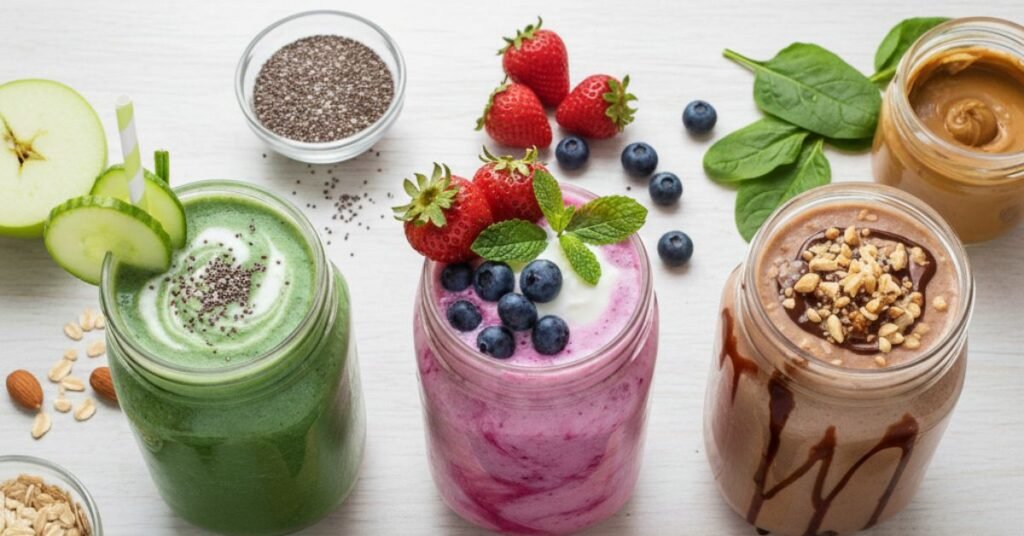
When most people think of a “diet,” they imagine boring salads, tasteless soups, and feeling hungry all the time. But what if I told you that you could drink a creamy, sweet milkshake and still lose weight? It sounds too good to be true, but weight loss shakes are actually one of the most effective tools for shedding pounds. The key is knowing which ingredients to use. A milkshake made with ice cream and sugar will make you gain weight, but a shake made with protein, fiber, and healthy fats becomes a powerful fat-burning fuel. In this guide, I will show you how to make homemade weight loss drinks that taste amazing, keep you full, and help you reach your fitness goals. Why Do Milkshakes Help with Weight Loss? Before we get to the recipes, let’s understand the science. How does drinking something tasty help you lose fat? The Good vs. The Bad Ingredients To make a shake that actually works, you need to choose the right ingredients. Many people make mistakes here. Use this table to choose the best options: Ingredient Swap Table Avoid These (High Calorie/Sugar) Use These Instead (Weight Loss Friendly) Why? Full Cream Milk Almond Milk / Water Almond milk has 80% fewer calories than dairy milk. White Sugar Dates / Honey / Stevia Natural sweeteners give energy without the sugar crash. Ice Cream Frozen Bananas / Greek Yogurt Frozen bananas give a creamy texture like ice cream but with fiber. Chocolate Syrup Unsweetened Cocoa Powder Cocoa boosts mood and metabolism without the added syrup sugar. Canned Fruit Fresh or Frozen Berries Canned fruit sits in sugar syrup; fresh fruit is full of vitamins. 5 Best Low Calorie Milkshake Recipes Here are my top 5 low calorie milkshake recipes. These are designed to target different needs, from energy boosting to detoxing. 1. The Oatmeal Breakfast Filling Shake This is one of the best breakfast smoothie ideas because it keeps you full until lunch. The oats milkshake benefits include high fiber, which is great for digestion. 2. The Green “Fat Burner” Detox If you want fat burning smoothies, you need greens. This drink flushes out toxins and boosts your skin health. 3. Chocolate Peanut Butter Muscle Builder This protein shake for weight loss tastes like a cheat meal but is packed with nutrition. It is perfect for metabolism boosting foods lovers. 4. Berry Blast Antioxidant Shake Berries are low in sugar but high in flavor. This is a refreshing option for hot days. 5. Coffee Kick-Start Shake Skip your sugary latte. This shake gives you caffeine energy plus protein. Nutritional Breakdown (Per Serving) To help you track your diet, here is an estimate of the nutrition in these diet-friendly drinks: Recipe Name Calories Protein Main Benefit Oatmeal Shake ~320 kcal 8g High Fiber & Long-lasting Energy Green Detox ~140 kcal 4g Cleansing & Vitamins Choco-Peanut ~380 kcal 25g Muscle Repair & Satiety Berry Blast ~210 kcal 12g Antioxidants & Skin Health Coffee Kick ~180 kcal 6g Alertness & Metabolism Boost Common Mistakes to Avoid Even with healthy shakes, you can make mistakes that stop your progress. Watch out for these: Final Thoughts Weight loss doesn’t have to be a punishment. By incorporating these low calorie milkshake recipes into your daily routine, you can enjoy sweet, creamy drinks while your body burns fat. Frequently Asked Questions (FAQs) Here are the answers to the most common questions about using milkshakes for weight loss. Q1: Can I replace all my meals with milkshakes? A: No, that is not recommended. You should use a shake as a healthy meal replacement for only one meal per day (like breakfast or lunch). Your body still needs solid food for proper digestion. Q2: Will I gain the weight back if I stop drinking shakes? A: If you go back to eating junk food, yes. But if you use shakes to learn portion control and eat a balanced diet, you will maintain your weight. Q3: Is banana fattening in a milkshake? A: No. A medium banana has about 100 calories. It provides potassium and fiber which helps with bloating. It only becomes “fattening” if you add high-calorie syrups with it. Q4: Can I drink these shakes at night? A: It is better to avoid fruit-heavy shakes at night because of the sugar. If you need a night drink, choose a small protein shake with water or warm turmeric milk. Q5: How fast will I lose weight? A: If you replace one high-calorie meal with a low-calorie shake and do light exercise (like walking), you can expect to lose 0.5kg to 1kg per week safely. Remember, consistency is key. Pick your favorite recipe from the list above, go grocery shopping today, and start your journey tomorrow morning!

The Ultimate Guide to Lemon Balm Drink: Nature’s Secret to Calmness
Weight Loss Drinks

The Ultimate Guide to Lemon Balm Drink: Nature’s Secret to Calmness

In a world that never seems to stop, finding a moment of peace can feel impossible. Many of us reach for coffee to wake up and sugary sodas to get through the afternoon, but these often lead to “crashes” and increased nervousness. If you are looking for a natural way to relax, improve your sleep, and boost your mood, it is time to discover the lemon balm drink. Commonly known as the “Gladdening Herb,” lemon balm has been used for centuries to soothe the soul and heal the body. In this guide, we will dive deep into the world of Melissa officinalis benefits, explore delicious fresh lemon balm recipes, and understand why this should be your new favorite beverage. What exactly is Lemon Balm? Lemon balm is a perennial herb from the mint family. While it looks similar to mint leaves, its scent is distinctly citrusy. Scientifically named Melissa officinalis, it has a long history in traditional medicine, dating back to Ancient Greece and Rome. Unlike many other herbs, lemon balm is incredibly versatile. It can be brewed as a warm tea, mixed into cold summer coolers, or even used as a culinary garnish. Because it is one of the most effective caffeine-free herbal beverages, it provides relaxation without the drowsiness associated with heavy sedatives. Quick Facts About Lemon Balm Feature Description Scientific Name Melissa officinalis Flavor Profile Mild lemon with a hint of mint Key Compounds Rosmarinic acid, flavonoids, and citral Best Used For Anxiety, sleep, and digestion Growing Ease Very easy (grows well in pots or gardens) 10 Incredible Lemon Balm Tea Benefits When you choose a lemon balm drink, you aren’t just drinking water; you are consuming a powerhouse of natural health. Here is a breakdown of the most significant lemon balm tea benefits: Delicious and Fresh Lemon Balm Recipes To get the most out of this herb, you need to know how to prepare it correctly. Whether you want something hot or a refreshing iced lemon balm cooler, these recipes are simple and effective. 1. The Classic Soothing Hot Tea This is the best way to enjoy homegrown herbal tea on a cold evening or right before bed. Ingredients: Instructions: 2. The Summer Iced Lemon Balm Cooler When the sun is out, this iced lemon balm cooler is the perfect healthy alternative to soda. Ingredient Quantity Purpose Fresh Lemon Balm 1/2 Cup Flavor and Relaxation Sparkling Water 1 Liter Refreshment Fresh Ginger 1 Small Slice Digestion Boost Lime Juice 1 Tablespoon Zest and Vitamin C Ice Cubes As needed Chilling Instructions: Comparing Lemon Balm to Other Herbal Teas If you are a fan of herbal drinks, you might wonder how lemon balm compares to others like Chamomile or Peppermint. Herb Primary Benefit Taste Best Time to Drink Lemon Balm Anxiety & Focus Lemony/Minty Anytime (Day or Night) Chamomile Deep Sedation Floral/Apple-like Nighttime Only Peppermint Energy & Digestion Strong Mint Morning/Afternoon Lavender Stress Relief Strong Floral Nighttime Growing Your Own: Homegrown Herbal Tea To truly embody the E-E-A-T principle, we recommend using fresh leaves. Homegrown herbal tea is superior because store-bought tea bags often lose their essential oils during processing. Safety and Precautions: Lemon Balm Side Effects While lemon balm is generally safe for most people, it is important to be aware of potential lemon balm side effects. Conclusion: Embrace the Power of Lemon Balm The lemon balm drink is more than just a trend; it is a time-tested remedy for the modern age. Whether you are sipping a hot mug of tea to wind down or enjoying a cold glass of iced lemon balm cooler on a picnic, you are giving your body a gift from nature. By choosing natural anxiety relief drinks over processed alternatives, you are taking a huge step toward a healthier, more balanced lifestyle. So, go ahead brew a cup, take a deep breath, and let the citrusy aroma of Melissa officinalis wash your worries away. Frequently Asked Questions (FAQs) 1. Can I drink lemon balm every day? Yes, most people can safely enjoy 1 to 3 cups per day. However, it is always a good idea to take a break for a few days after every few weeks of consistent use. 2. Is lemon balm safe for children? In small amounts (like a weak tea), it is often used to help fussy children calm down. However, always consult a pediatrician first. 3. Does lemon balm contain caffeine? No. It is one of the premier caffeine-free herbal beverages, making it safe for people with caffeine sensitivity. 4. Can I use dried leaves instead of fresh? Yes. If using dried leaves, use 1 teaspoon per cup of water. If using fresh leaves, use 1 to 2 tablespoons. 5. How long does it take for lemon balm to work? For anxiety and relaxation, you may feel the effects within 30 to 60 minutes. For long-term benefits like improved memory, it should be consumed regularly for several weeks.

The Ultimate 7-Day Diabetes Meal Plan for Beginners: A Complete Guide to Better Health
meal prep

The Ultimate 7-Day Diabetes Meal Plan for Beginners: A Complete Guide to Better Health

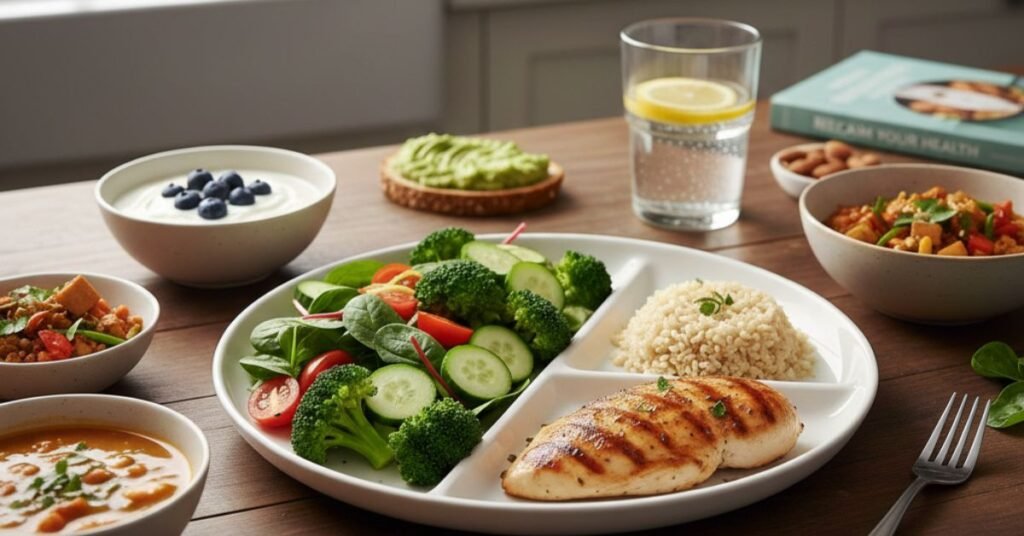
Receiving a diabetes diagnosis can feel like a life-changing event. For many, the first thought is about food: “What can I eat now?” or “Is my favorite food gone forever?” It is natural to feel worried, but here is the good news: managing your health through a 7 day diabetes meal plan for beginners is not about restriction,it’s about balance and smart choices. By focusing on blood sugar management, you can still enjoy delicious, satisfying meals while keeping your energy levels stable. In this guide, we will break down everything a beginner needs to know, from the science of food to a practical shopping list and a full week of meals. 1. The Science of Eating for Diabetes To manage diabetes effectively, we must understand how our body processes what we eat. There are three main concepts every beginner should know: A. Insulin Sensitivity Insulin is like a key that unlocks your cells to let sugar (glucose) in for energy. When you have Type 2 diabetes, your body becomes less sensitive to this key. Eating the right foods helps improve insulin sensitivity, making it easier for your body to keep sugar levels normal. B. Complex Carbohydrates vs. Simple Carbs Not all carbs are bad. C. Low-Glycemic Foods The Glycemic Index (GI) ranks food based on how fast it raises blood sugar. As a beginner, your goal is to choose low-glycemic foods (like leafy greens, beans, and whole grains) most of the time. 2. Portion Control for Diabetes: The Plate Method Before we look at the recipes, let’s talk about how much to eat. You don’t need a scale for portion control for diabetes. Just use your 9-inch dinner plate: 3. The 7-Day Diabetes Meal Plan for Beginners This plan is designed to be simple and uses diabetic-friendly recipes that don’t require hours in the kitchen. Quick Summary Table Day Breakfast Lunch Dinner Day 1 Veggie Omelet Grilled Chicken Salad Baked Fish & Broccoli Day 2 Oats with Cinnamon Lentil Soup (Daal) Stir-fry Tofu & Veggies Day 3 Greek Yogurt & Berries Chickpea Salad Grilled Turkey/Beef Kebabs Day 4 Avocado Toast & Egg Lettuce-wrap Tuna Roasted Chicken & Beans Day 5 Mushroom Scramble Clear Veggie Soup Zucchini Noodles (Zoodles) Day 6 Chia Pudding Whole-wheat Wrap Cauliflower Rice Biryani Day 7 Whole-wheat Pancakes Grilled Fish & Greens Shrimp & Veggie Pasta Detailed Daily Breakdown Day 1: Focus on Protein Day 2: Plant-Based Goodness Day 3: High Fiber Day Day 4: Heart-Healthy Fats Day 5: Low-Carb Comfort Day 6: Creative Swaps Day 7: Weekend Balance 4. Healthy Eating for Diabetics: Your Grocery List To make this plan work, you need a kitchen stocked with the right ingredients. Here is what you should buy: 5. 5 Critical Tips for Beginners 7. Conclusion Following a 7-day diabetes meal plan for beginners is a journey, not a destination. It’s about making progress every day. By choosing complex carbohydrates, focusing on healthy eating for diabetics, and staying active, you are taking charge of your future. 6. Frequently Asked Questions (FAQs) Q: Can I never eat white rice again? A: You can, but in very small amounts. It is better to mix white rice with cauliflower rice or extra vegetables to reduce the overall glycemic load. Q: Is honey better than white sugar for diabetics? A: Not really. While honey has some nutrients, it still causes a fast rise in blood sugar. It is best to avoid all types of added sugars. Q: What is the best snack for a diabetic? A: A handful of raw nuts (almonds or walnuts) or a boiled egg are the best snacks because they provide protein and healthy fats without the sugar spike. Q: How often should I check my sugar while following this plan? A: You should follow your doctor’s advice, but usually checking before and two hours after a meal helps you see how specific foods affect you. Don’t be too hard on yourself if you slip up. Just make your next meal a healthy one! Medical Disclaimer: The information in this blog is for educational purposes only and is not a substitute for professional medical advice. Always consult your doctor or a registered dietitian before starting a new diet, especially if you take insulin or other medications.

Fruits to Avoid with Diabetes: A Complete Guide to Managing Your Sugar
Uncategorized

Fruits to Avoid with Diabetes: A Complete Guide to Managing Your Sugar

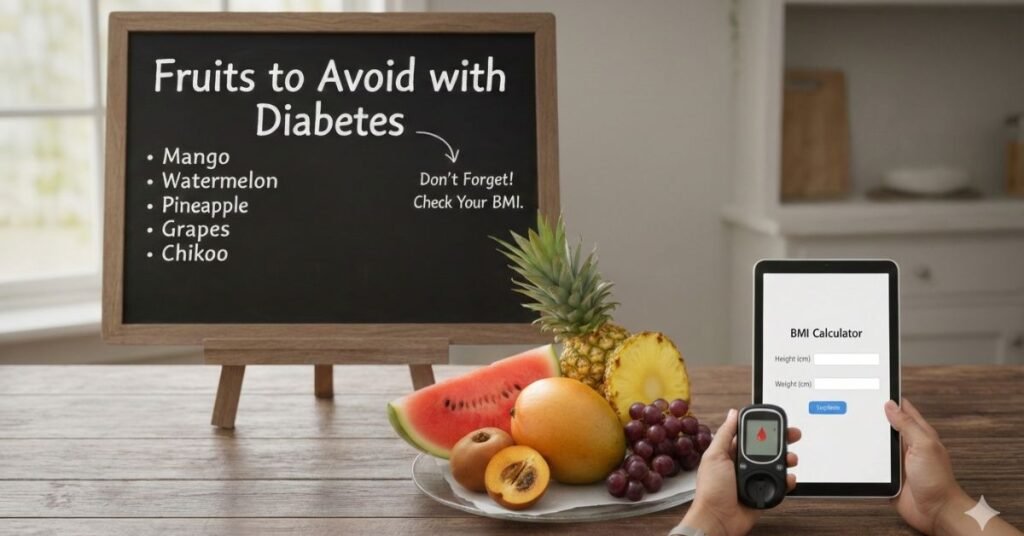
When you are diagnosed with diabetes, the first thing people tell you is, “Stop eating sugar!” Naturally, you might think this only applies to sweets, cakes, and soda. But what about fruits? Fruits are natural, packed with vitamins, and essential for health. However, for a person with diabetes, not all fruits are created equal. Some fruits can cause your blood sugar to spike faster than a candy bar. To manage your health effectively, you need to know which fruits to enjoy and which ones to limit. In this guide, we will look at the high sugar fruits list you should avoid or eat carefully, and how to maintain a balanced diet. ⚖️ Check Your BMI Now 1. Why Does Fruit Affect Blood Sugar? Fruits contain a natural sugar called fructose. While fructose is better than the refined sugar found in processed foods, it is still a carbohydrate. When you eat fruit, your body breaks down these carbs into glucose, which enters your bloodstream. To understand which fruits are safe, we use the Glycemic Index (GI). This scale ranks food from 0 to 100 based on how quickly they raise blood sugar. Quick Comparison: GI Levels in Fruits Fruit Category GI Range Effect on Blood Sugar Examples Low GI 55 or less Slow & Steady Cherries, Berries, Apples Medium GI 56 – 69 Moderate Bananas, Papaya, Figs High GI 70 – 100 Rapid Spike Watermelon, Pineapple 2. The High Sugar Fruits List: What to Avoid or Limit If you want to keep your A1C levels in check, you should be very careful with the following fruits. These are often high in sugar or have a high GI score. 3. Dried Fruits vs. Fresh Fruits Many people think dried fruits like raisins or dates are healthy diabetes-friendly snacks. However, when water is removed from fruit, the sugar becomes highly concentrated. 4. Low Glycemic Index Fruits for Diabetics (The Safe List) You don’t have to give up fruits entirely! You just need to switch to low Glycemic Index fruits for diabetics. These provide fiber, which slows down sugar absorption. Top Picks for Diabetics: 5. Smart Eating Strategies Eating the right fruit is only half the battle. You also need to know how and when to eat it to avoid spikes. The Importance of Timing The best time for diabetics to eat fruit is during the morning or as a mid-day snack. Avoid eating fruit right before bed, as your body won’t have the chance to burn off the glucose, leading to high fasting sugar levels the next morning. Portion Control for Diabetes A “safe” serving of fruit usually contains about 15 grams of carbohydrates. The “Pairing” Trick To prevent a sugar spike, never eat fruit alone. Pair it with a source of protein or healthy fat. For example: 6. Comparison Table: Fruit Servings & Carbs Fruit (Medium Size) Approx. Carbs (g) Recommendation Apple (with skin) 15g Safe / Daily Mango (1 cup) 25g – 28g Avoid or Small Slice Strawberries (1 cup) 11g Highly Recommended Watermelon (1 cup) 12g (High GI) Eat with Caution Guava 9g Highly Recommended 8. Conclusion (Final Thoughts) Managing diabetes is about balance, not deprivation. While you should be cautious with the high sugar fruits list, you can still enjoy the nutritional benefits of nature. By focusing on low Glycemic Index fruits for diabetics, practicing strict portion control for diabetes, and picking the best time for diabetics to eat fruit, you can live a healthy, sweet life. 7. Frequently Asked Questions (FAQs) Q1: Can diabetics eat fruit on an empty stomach? Answer: It is usually not recommended. Eating fruit on an empty stomach can cause a faster sugar spike. It is better to eat it after a meal or with some nuts (protein). Q2: Is fruit juice okay if it has no added sugar? Answer: No. Even “no-added-sugar” juice lacks fiber. Without fiber, the natural sugar (fructose) enters your blood too quickly. Whole fruit is always better. Q3: Which fruit has the lowest sugar? Answer: Lemons, limes, and berries (especially raspberries and strawberries) have the lowest sugar content. Q4: How many servings of fruit can a diabetic have daily? Answer: Most doctors recommend 1 to 2 servings of low-GI fruit per day, depending on your overall carbohydrate limit. Always remember to test your blood sugar two hours after trying a new fruit to see how your body reacts. Every individual is different, and your meter is your best guide!

Best Fruits for Diabetics: A Complete Guide to Managing Blood Sugar Naturally
Recipes

Best Fruits for Diabetics: A Complete Guide to Managing Blood Sugar Naturally

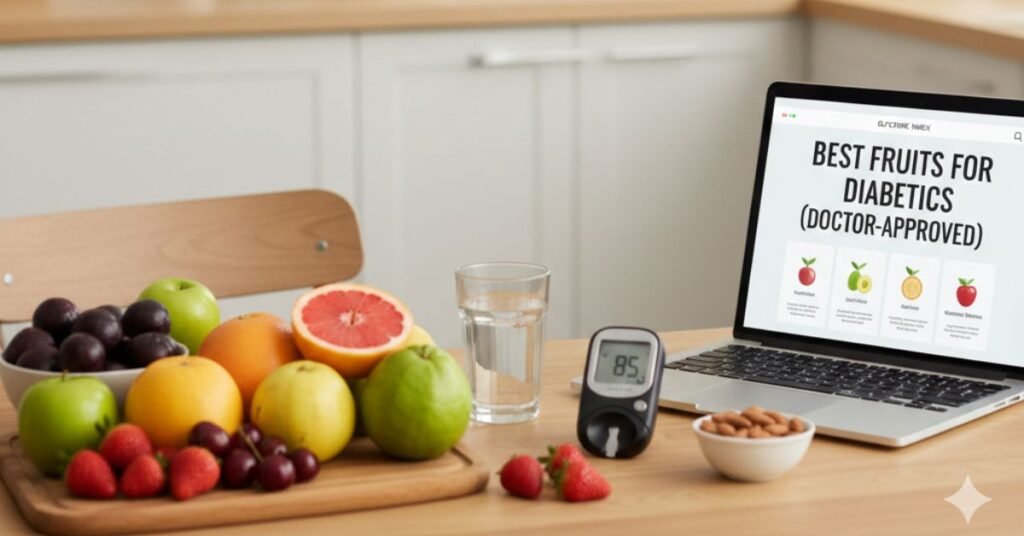
When you are living with diabetes, your relationship with food changes. One of the most common questions people ask is: “Is fruit safe for me?” Because fruits contain natural sugar (fructose), many people mistakenly believe they should be avoided entirely. However, medical science tells a different story. Fruits are packed with vitamins, minerals, and antioxidants that are essential for your body. The secret lies in choosing the best fruits for diabetics—those that provide nutrition without causing dangerous spikes in your glucose levels. In this guide, we will explore how you can enjoy nature’s candy while managing blood sugar naturally. The Science: Understanding the Glycemic Index (GI) Before we list the fruits, we must understand how they affect your body. Not all sugars are created equal. The impact of a fruit on your blood sugar is measured by the Glycemic Index (GI). Another key factor is fiber. Fiber-rich fruits for diabetes are vital because fiber acts as a “speed bump.” It slows down the digestion process, ensuring that the natural sugar doesn’t hit your system all at once. Top 7 Best Fruits for Diabetics Here is a detailed look at the best options for your daily diet. These fruits are generally low in GI and high in nutrients. 1. Berries (Strawberries, Blueberries, Raspberries) Berries are often called a “superfood” for diabetics. They are loaded with antioxidants called anthocyanins, which help improve insulin sensitivity. 2. Apples (The “Skin-On” Rule) Apples are an excellent choice for diabetes-friendly snacks. They contain a specific type of soluble fiber called pectin. 3. Pears Pears are incredibly nutrient-dense. A small pear has about 5.5 grams of fiber, which is quite high compared to other fruits. This makes them great for keeping you full and satisfied. 4. Citrus Fruits (Oranges and Grapefruits) While orange juice is bad for diabetics, the whole orange is great. Citrus fruits contain “hesperidin” and “naringenin,” which are plant compounds that help reduce inflammation and stabilize blood sugar. 5. Guava (The Fiber King) In many regions, Guava is a staple. It has a very low Glycemic Index and is one of the most fiber-rich fruits for diabetes. Some studies even suggest that guava leaf tea and the fruit itself can help lower blood sugar after a meal. 6. Cherries Cherries have one of the lowest GI scores (around 20). They are particularly good at fighting inflammation, which is a common concern for people with Type 2 diabetes. 7. Apricots Apricots are a great source of Vitamin A and potassium. They provide a sweet taste with very few calories, making them a safe addition to your meal plan. Comparison Table: Fruit Nutrition at a Glance Fruit Glycemic Index (GI) Key Benefit Serving Size Cherries 20 High Antioxidants 1 Cup Grapefruit 25 Heart Health 1/2 Fruit Pear 38 High Fiber 1 Medium Apple 39 Pectin (Fiber) 1 Small Orange 43 Vitamin C 1 Medium Strawberry 41 Low Calorie 1.25 Cup Whole Fruits vs Fruit Juice: Why it Matters This is the most important rule of thumb for any diabetic. You might think a glass of fresh orange juice is healthy, but for your blood sugar, it is almost the same as drinking a soda. Verdict: Always choose the “crunch” over the “sip.” 💡 Practical Tips for Smart Fruit Consumption To get the most out of your diet, follow these expert-backed strategies: 1. The Best Time to Eat Fruit for Diabetics Timing is everything. Eating fruit on an empty stomach might cause a faster rise in sugar. The best time to eat fruit for diabetics is usually during the day when you are active. Avoid eating a large bowl of fruit right before bed, as your body won’t have the chance to burn that energy. 2. Smart Pairing (The “Protein Buffer”) Never eat fruit alone. If you pair a piece of fruit with a source of protein or healthy fat, you further slow down sugar absorption. 3. Portion Control Even low glycemic index fruits contain carbohydrates. You should aim for 2 servings of fruit per day. One serving is generally the size of a tennis ball. Fruits to Eat with Caution (The “Limit” List) No fruit is strictly “forbidden,” but some are very high in sugar and should be eaten in very small amounts: Conclusion Managing diabetes does not mean living a life without sweetness. By focusing on low glycemic index fruits and prioritizing fiber-rich fruits for diabetes, you can enjoy a variety of flavors while keeping your levels stable. Remember, the goal is balance. Pair your fruit with protein, watch your portions, and always choose whole fruits vs fruit juice. Frequently Asked Questions (FAQs) Q1. Can I eat fruit if my blood sugar is already high? If your levels are currently spiked, it is better to wait until they stabilize. Focus on protein and vegetables first, then consult your doctor about your fruit intake. Q2. Are dried fruits safe? Usually, no. Dried fruits like raisins or dates are very concentrated. They have much more sugar per gram than fresh fruit. Many brands also add extra sugar during processing. Q3. Is it okay to eat fruit at night? It is better to avoid it. Your metabolism slows down at night. If you need a snack, opt for something higher in protein like a few walnuts or a piece of cheese. Q4. Which fruit has the lowest sugar? Avocados and Raspberries have the lowest sugar content. Avocados are unique because they are mostly healthy fats and very low in sugar. Q5. Should I stop eating mangoes entirely? No, you don’t have to quit mangoes. However, you should treat them as a “dessert” rather than a daily snack. Eat a small piece after a high-fiber meal to minimize the impact. Disclaimer: This information is for educational purposes and does not replace professional medical advice. Every individual’s body reacts differently. Please monitor your blood sugar regularly and consult your healthcare provider or a registered dietitian before making significant changes to your diet.

Sweet Joy:   The Ultimate Guide to Sugar-Free Desserts for Diabetics
Uncategorized

Sweet Joy:   The Ultimate Guide to Sugar-Free Desserts for Diabetics

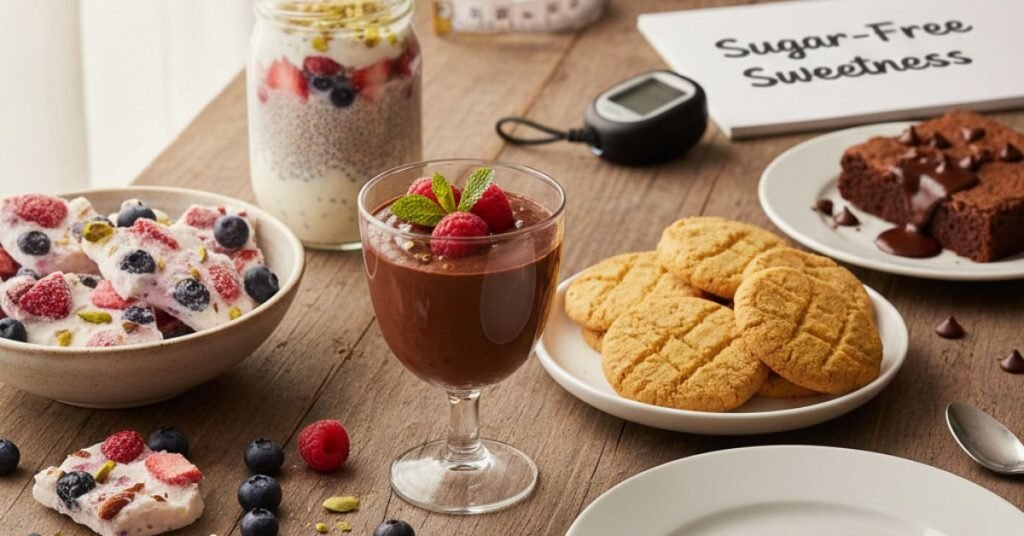
Introduction: Yes, You Can Eat Dessert! When someone hears the word “diabetes,” the first thing they often think is: “I can never eat sweets again.” I have talked to many people who feel sad because they think they have to give up their favorite treats. But here is the good news: having diabetes does not mean you have to say goodbye to dessert forever. In this guide, we are going to explore the world of sugar-free desserts for diabetics. We will learn how to satisfy your sweet tooth without hurting your health. By using the right ingredients and smart tricks, you can enjoy delicious treats that are safe and healthy. This is all about making better choices, not giving up on flavor! ⚖️ Check Your BMI Now Why Does Sugar Matter So Much? To understand how to make better desserts, we first need to understand how our body works. When we eat regular sugar, our body breaks it down into glucose. This glucose goes into our blood to give us energy. For a person without diabetes, the body handles this easily. But for someone with diabetes, their body struggles to keep the blood sugar at a normal level. This is why blood sugar management is the most important goal. If your blood sugar goes too high (a “spike”), it can make you feel tired or thirsty. Over time, these spikes can be bad for your heart and eyes. That is why we look for desserts that taste sweet but don’t cause those dangerous spikes. The Secret Heroes: Natural Sugar Substitutes If we aren’t using white sugar, what are we using? This is where natural sugar substitutes come in. Not all sweeteners are the same. Some are better for baking, while others are better for cold drinks. By using these, you can create diabetic friendly sweets that taste just as good as the “real” thing. Beyond Sugar: Smart Baking Swaps Most people focus only on sugar, but did you know that white flour (Maida) can also raise your blood sugar? White flour is a “simple carb” that acts a lot like sugar in your body. For healthy baking for diabetics, we should swap white flour for something better: When you use these flours, you are making low-carb desserts. These are much safer for your heart and your glucose levels. 3 Easy Recipes You Can Try Today 1. The 5-Minute Chocolate Mousse 2. Berry and Greek Yogurt Bark 3. Almond Flour Peanut Butter Cookies Shopping Checklist: Essential Ingredients Before you start your healthy baking for diabetics, make sure your kitchen has these items: Ingredient Type Best Option Why? Sweetener Stevia or Monk Fruit Zero calories, natural. Flour Almond or Oat Flour High fiber, low carb. Chocolate 70% Dark Chocolate Less sugar, more antioxidants. Milk Unsweetened Almond Milk Low in sugar and calories. Shopping Guide: Don’t Be Fooled! When you go to the grocery store, you will see many boxes that say “Sugar-Free.” But be careful! Some companies use “Hidden Sugars.” Always read the back of the package. Look for words like Maltodextrin, High Fructose Corn Syrup, or Dextrose. These are just fancy names for sugar. If you see them, it might not be the best choice for your blood sugar management. Conclusion: A Sweeter, Healthier Future Managing diabetes is a journey, not a punishment. You can still enjoy the flavors you love. By choosing natural sugar substitutes, using healthy flours, and focusing on low-carb desserts, you are taking control of your health. Remember, baking is about being creative. You are not “giving up” sweets; you are just choosing “better” sweets. FAQs: Common Questions About Diabetic Desserts Q1: Is honey better than white sugar for diabetics? Answer: Not really. While honey is more natural, it still raises blood sugar levels almost as much as regular sugar. It is better to use Stevia or Monk fruit. Q2: Can I eat as much sugar-free dessert as I want? Answer: No. Even low-carb desserts have calories and some carbs. Always enjoy them in small portions (Portion Control). Q3: Are fruits safe for diabetics? Answer: Yes! But some are better than others. Berries (strawberries, blueberries) are great because they are low in sugar and high in fiber. Avoid eating too many grapes or mangoes at once. Q4: Can children with diabetes eat these treats? Answer: Yes, these diabetic-friendly sweets are great for everyone! They are a healthier way for kids to enjoy snacks without a “sugar rush.” Q5: What is the best time to eat a dessert? Answer: It is usually best to eat a small dessert right after a meal that had lots of protein and vegetables. This helps prevent a big blood sugar spike.

15 Delicious Low Calorie Dessert Recipes Under 200 Calories
Recipes

15 Delicious Low Calorie Dessert Recipes Under 200 Calories

Are you trying to lose weight but can’t resist your sweet tooth? You’re not alone! Many people struggle to balance their love for desserts with their health goals. The good news is that you don’t have to give up desserts completely. With the right ingredients and simple techniques, you can enjoy guilt-free treats that support your weight loss journey. In this guide, I’ll share 15 easy low calorie dessert recipes that are under 200 calories per serving. These recipes use natural ingredients, smart substitutions, and proven techniques that actually work. Why Low Calorie Desserts Work for Weight Loss When you’re on a diet, complete restriction often backfires. Research shows that allowing yourself controlled treats helps you stick to your eating plan long-term. Low calorie desserts give you the satisfaction of something sweet without sabotaging your progress. The key is choosing desserts made with whole foods, natural sweeteners, and portion control. Instead of a 500-calorie slice of cake, you can have a 100-calorie chocolate mousse that satisfies your craving just as well. Benefits of Making Your Own Healthy Desserts Quick Reference: Calorie Comparison Table Traditional Dessert Calories Low Calorie Alternative Calories Savings Regular Brownie 450 Greek Yogurt Chocolate Mousse 75 375 cal Store-bought Cookie 250 Banana Oatmeal Cookie 87 163 cal Ice Cream (1 cup) 350 Banana Ice Cream 105 245 cal Cheesecake Slice 500 Chia Seed Pudding 82 418 cal Apple Pie Slice 400 Baked Cinnamon Apple 68 332 cal Best Low Calorie Dessert Recipes Under 100 Calories 1. Greek Yogurt Chocolate Mousse (75 Calories) This creamy dessert tastes rich but contains only 75 calories per serving. Ingredients: Instructions: Why it works: Greek yogurt provides protein that keeps you full, while cocoa powder gives you chocolate flavor without extra calories. 2. Banana Oatmeal Cookies (87 Calories) Ingredients: Instructions: Benefits: No added sugar needed because bananas provide natural sweetness. Oats add fiber that helps digestion. 3. Strawberry Frozen Yogurt Bark (95 Calories) Ingredients: Instructions: 4. Chia Seed Pudding (82 Calories) Ingredients: Instructions: Nutrition boost: Chia seeds contain omega-3 fatty acids and fiber that support heart health. 5. Baked Cinnamon Apples (68 Calories) Ingredients: Instructions: Quick No-Bake Low Calorie Desserts 6. Peanut Butter Energy Bites (92 Calories Each) Ingredients: Instructions: Perfect for: Pre-workout snacks or afternoon energy boost 7. Chocolate Avocado Pudding (125 Calories) Ingredients: Why avocado? The healthy fats in avocado create a creamy texture without heavy cream. 8. Berry Parfait (145 Calories) Layering guide: Low Calorie Desserts for Chocolate Lovers 9. Dark Chocolate Covered Strawberries (115 Calories for 2 pieces) Health tip: Dark chocolate contains antioxidants that may improve heart health. Choose chocolate with at least 70% cacao for maximum benefits. Simple steps: 10. Chocolate Protein Mug Cake (135 Calories) Ingredients: Instructions: Frozen Low Calorie Dessert Ideas Recipe Comparison: Frozen Treats Dessert Name Calories Prep Time Freeze Time Main Ingredient Watermelon Sorbet 78 5 min 4 hours Watermelon Banana Ice Cream 105 5 min Overnight Bananas Coconut Popsicles 88 10 min 4 hours Coconut milk 11. Watermelon Sorbet (78 Calories) Instructions: Benefit: No added sugar needed! 12. Banana Ice Cream (105 Calories) This simple recipe has amazed thousands of people with its ice cream-like texture. Steps: 13. Coconut Popsicles (88 Calories) Ingredients: Fruit-Based Healthy Dessert Recipes 14. Grilled Peaches with Honey (98 Calories) Why grilling works: The heat caramelizes the natural sugars, creating deeper flavors. Method: 15. Mixed Berry Crumble (175 Calories) Filling: Crumble topping: Bake: 350°F for 20 minutes Smart Ingredient Substitutions for Low Calorie Baking Instead Of Use This Calorie Savings Additional Benefits 1 cup white sugar 1/2 cup stevia blend 700 calories No blood sugar spike 1 cup butter 3/4 cup Greek yogurt 1,200 calories Added protein 1 cup all-purpose flour 1 cup almond flour 150 calories More protein & fiber 1 cup heavy cream 1 cup coconut cream 300 calories Healthier fats 1 egg 2 egg whites 40 calories Less cholesterol Detailed Substitution Guide Sugar alternatives: Fat substitutes: Flour options: Tips for Success with Low Calorie Desserts Essential guidelines: Storage recommendations: Common Mistakes to Avoid Top errors people make: Final Thoughts Creating delicious low calorie dessert recipes doesn’t require complicated techniques or expensive ingredients. With simple substitutions and smart choices, you can satisfy your sweet tooth while supporting your health goals. Start with one or two recipes from this list. Experiment with flavors you love. Soon you’ll discover that healthy eating doesn’t mean giving up the foods you enjoy. Frequently Asked Questions Can I eat dessert every day and still lose weight? Yes, as long as your total daily calories remain in a deficit. A 100-150 calorie dessert fits easily into most weight loss plans. Are sugar-free desserts better than low calorie ones? Not always. Some sugar-free products contain unhealthy fats or artificial ingredients. Focus on whole food desserts with natural sweetness from fruits. How long do homemade low calorie desserts last? Most last 3-5 days in the refrigerator. Frozen desserts keep for up to 3 months. Can diabetics eat these desserts? Many of these recipes work for diabetics because they use natural sweeteners and don’t spike blood sugar dramatically. However, always consult your doctor about specific dietary needs. What’s the best time to eat dessert for weight loss? There’s no perfect time, but many people prefer having dessert after lunch rather than late at night to avoid disrupting sleep. Which recipe will you try first? Share your experience and favorite modifications in the comments below.

Healthy Dinner Recipes for Weight Loss: Eat Your Way to a Fitter You
Recipes

Healthy Dinner Recipes for Weight Loss: Eat Your Way to a Fitter You

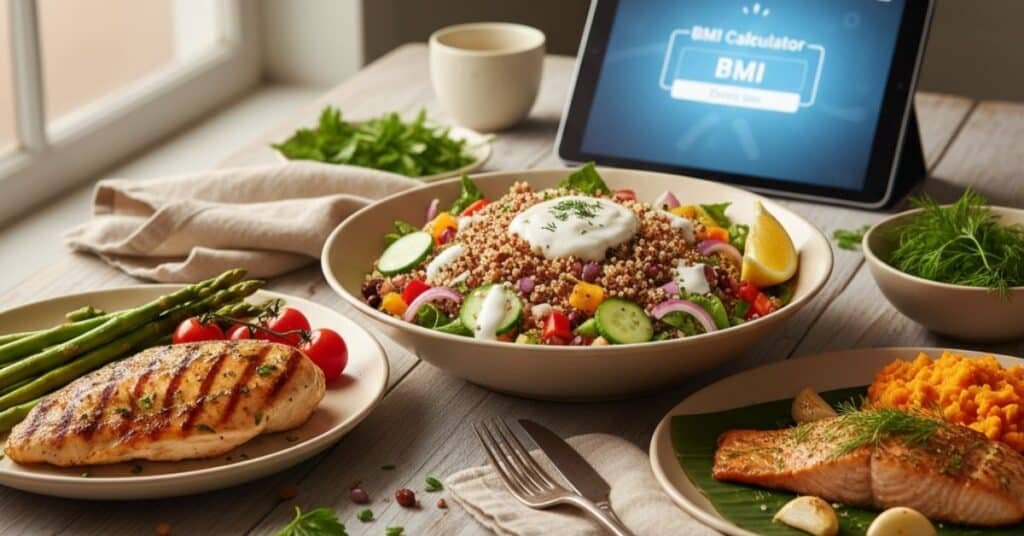
Many people believe that losing weight means going to bed hungry. They think that “dieting” is all about skipping meals or eating bland, tasteless food. However, as health experts often suggest, the secret to sustainable weight loss is not eating less, it is eating smart. In this guide, we will explore delicious low-calorie dinner ideas that are packed with nutrition and flavor. By choosing the right ingredients, you can satisfy your cravings while helping your body burn fat overnight. ⚖️ Check Your BMI Now 1. Why Dinner is Crucial for Weight Loss Your body’s metabolism naturally slows down in the evening. If you consume a heavy, high-carb meal late at night, your body is more likely to store those extra calories as fat rather than burning them for energy. To see real progress, you must focus on high-protein meals for weight loss. Protein keeps you full for longer, reduces late-night cravings, and helps repair muscles while you sleep. Combined with fiber from vegetables, a healthy dinner ensures your digestive system stays active without being overwhelmed. 2. Smart Food Swaps for Better Results Before we dive into the recipes, let’s look at how small changes in your kitchen can lead to big changes on the scale. Use this table as a quick reference: High-Calorie Food Healthy Alternative Why Does It Work? White Rice Cauliflower Rice Cuts carbs by 80% Fried Chicken Grilled Chicken Breast Removes unhealthy saturated fats Sugary Sodas Infused Water / Green Tea Zero calories, boosts metabolism Creamy Pasta Sauce Tomato or Pesto Sauce Lower in fat and sugar Regular Potato Fries Baked Sweet Potato Higher fiber and lower GI 3. Top 5 Healthy Dinner Recipes for Weight Loss Here are five easy-to-make recipes that are perfect for anyone looking for low-carb dinner recipes that actually taste good. A. Lemon Garlic Grilled Chicken This is a staple for anyone focusing on high-protein meals for weight loss. Chicken breast is lean and fills you up without adding unnecessary fat. B. Spicy Chickpea (Chana) Salad For vegetarians, chickpeas are a powerhouse of protein and fiber. C. Baked Fish with Mediterranean Herbs Fish like Salmon or Tilapia are rich in Omega-3 fatty acids, which help reduce inflammation and support weight loss. D. Red Lentil (Masoor Daal) Soup If you want something light and easy on the stomach, a bowl of lentil soup is perfect. It is warm, comforting, and very low in calories. E. Zucchini Noodles (Zoodles) with Garlic and Shrimp If you crave pasta, try “Zoodles.” Use a spiralizer to turn zucchini into noodle shapes. Sauté them with garlic and shrimp for a high-protein, zero-carb meal. 4. Nutritional Overview Understanding the numbers helps you stay on track. Here is the approximate nutritional value per serving for the recipes mentioned above: Recipe Name Approx. Calories Protein (g) Fiber (g) Grilled Chicken 280 kcal 35g 2g Chickpea Salad 210 kcal 12g 8g Baked Fish 250 kcal 25g 0g Lentil Soup 180 kcal 10g 7g Zoodle Pasta 220 kcal 20g 4g 5. Easy Meal Prep for Beginners One of the biggest obstacles to weight loss is a lack of time. Following an easy meal prep for beginners routine can save you from ordering unhealthy takeout. 6. Habits That Support Weight Loss Even the healthiest meal won’t work if your habits are off. Follow these tips to maximize your results: Conclusion Weight loss is a marathon, not a sprint. By incorporating these low-calorie dinner ideas into your daily routine, you are making a long-term commitment to your health. Remember, the goal is to feel energized and nourished, not deprived. Start with one recipe tonight and see how your body responds! Frequently Asked Questions (FAQs) Q: Can I eat carbs at night? Yes, but choose complex carbs like sweet potatoes or quinoa instead of white bread or sugary snacks. Q: Is it okay to skip dinner to lose weight faster? No. Skipping dinner often leads to a drop in blood sugar, making you extremely hungry the next morning, which usually leads to binge eating. Q: What is the best drink to have with dinner? Stick to plain water, sparkling water with lemon, or a cup of warm green tea. Avoid fruit juices or sodas as they are full of hidden sugars.

Scroll to Top