Imagine this daily scenario: It is 6:30 AM. Your alarm rings, and the morning rush begins. You take a quick shower, check a dozen urgent work emails, get dressed, and run out the door to beat the morning traffic. You have back-to-back meetings, project deadlines, and maybe a business lunch.
In a routine like this, who actually has the time to cook a perfectly balanced, healthy breakfast every single morning?
For people with demanding jobs, staying healthy often feels like an impossible task. Traditional diets usually ask you to eat five to six small meals a day, count every single calorie, and carry plastic boxes of food everywhere you go. Busy people simply do not have the time or mental energy for that.
But do not worry. There is a much simpler, highly effective solution: Intermittent Fasting (IF).
What Exactly is Intermittent Fasting?
Let us clear up a common misunderstanding right away. Intermittent Fasting is not a strict “diet.” It is a very simple eating pattern. It does not give you a long list of what you can and cannot eat. Instead, it only tells you when you should eat.
When you practice IF, your day is divided into two distinct parts:
- The Fasting Window: This is the time when you consume zero calories. You are only allowed to drink plain water, black coffee, or plain green tea without sugar or milk.
- The Healthy Eating Window: This is the specific time frame during which you eat all your required meals and daily calories.
By giving your stomach and digestive system a break, your body gets the time it needs to heal, repair cells, and burn stored body fat for energy. It is incredibly easy to follow, and the best part is that you do not need to think about food all day long.
Popular Fasting Methods (Choose Your Style)
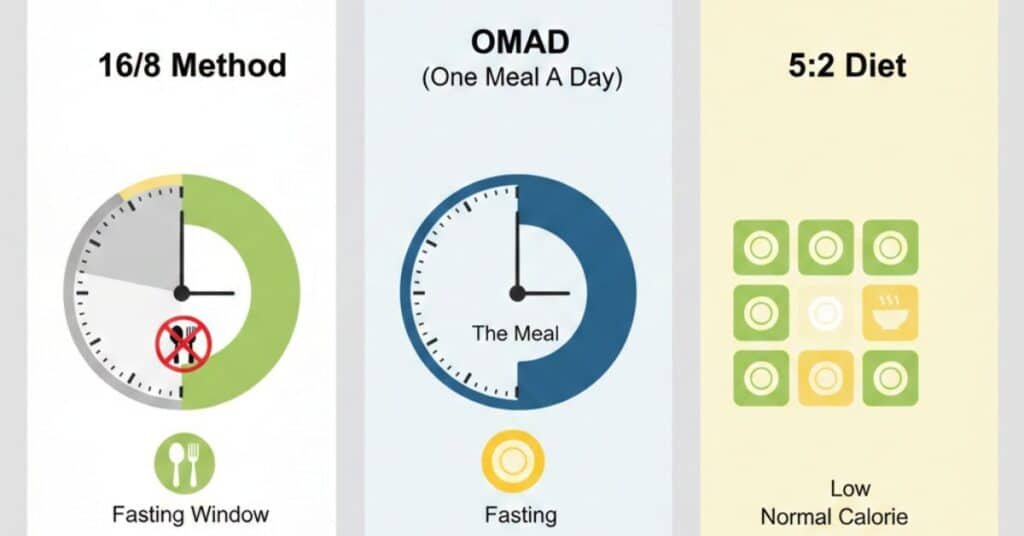
There are a few different ways to practice fasting. You do not have to follow strict rules; you can pick the schedule that best fits your daily office routine.
Here is a simple table to help you choose the right method for your lifestyle:
| Fasting Method | How to Do It | Who is it Best For? |
| 16/8 Method | Fast for 16 hours, eat for 8 hours (e.g., Eat only from 12 PM to 8 PM). | Beginners and people with regular 9-to-5 office jobs. This is the most popular method. |
| OMAD (One Meal A Day) | Fast for 23 hours, eat one large meal in a 1-hour window. | Extremely busy executives who travel often or have back-to-back meetings all day. |
| The 5:2 Method | Eat normally for 5 days. Eat very few calories (around 500) for 2 days. | People who must attend daily business lunches and prefer to fast on their weekends. |
A Simple Daily Routine (Using the 16/8 Method)
Starting intermittent fasting is very easy once you know what a normal day looks like. Here is a step-by-step example of a typical 16/8 day:
- 7:00 AM (Wake Up & Hydrate): Wake up and immediately drink two big glasses of water. Have a cup of black coffee or green tea. Do not add milk, cream, or sugar. The caffeine will give you energy and stop you from feeling hungry.
- 12:30 PM (Break Your Fast): Your fasting window ends. It is time for a healthy lunch. To keep your energy high for the rest of the workday, try doing some low-carb meal prep on Sunday. Bring a chicken salad or boiled eggs from home. Heavy foods like pasta or pizza will make you sleepy at your desk.
- 4:00 PM (Afternoon Snack): If you feel a little hungry before leaving the office, eat an apple, a handful of almonds, or a small cup of Greek yogurt.
- 7:30 PM (Dinner Time): Eat a nice, filling dinner with your family. Make sure you finish eating your meal by 8:00 PM.
- 8:00 PM (Fast Begins): Brush your teeth right after dinner. This sends a signal to your brain that eating time is officially over, which stops late-night snacking.
4 Quick & Easy Recipes for Busy Professionals
When you finally open your healthy eating window, you need meals that are fast to make and highly nutritious. Here are 4 quick recipes that take less than 15 minutes to prepare:
1. The 5-Minute Avocado & Egg Bowl

This is a perfect, high-protein meal to break your fast at the office.
- Ingredients: 2 hard-boiled eggs, 1 half avocado, salt, black pepper, and a squeeze of lemon juice.
- How to make it: Chop the boiled eggs and the avocado into small cubes. Mix them in a bowl. Add a little salt, pepper, and lemon juice. Mix well and eat!
- Why it is great: It is full of healthy fats and protein, which keeps you full for hours during long meetings.
2. Quick Chicken & Quinoa Mason Jar
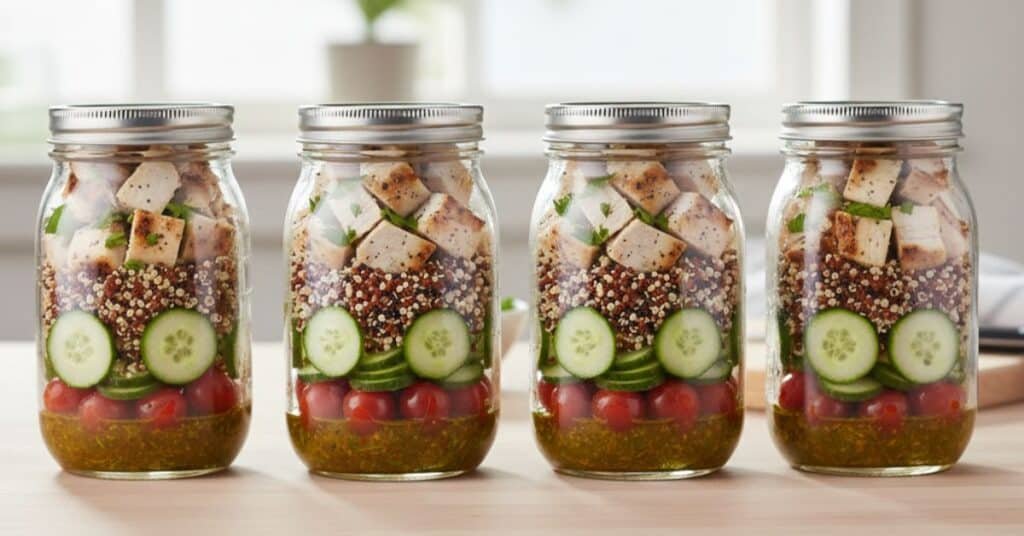
This is the ultimate quick lunch for the office.
- Ingredients: 1 cup cooked quinoa, 1 cup chopped grilled chicken (you can buy pre-cooked chicken), cherry tomatoes, cucumber, and 2 tablespoons of olive oil dressing.
- How to make it: Take a glass jar or a plastic container. Put the dressing at the bottom. Add the tomatoes and cucumber next. Then add the quinoa, and put the chicken on top. When it is lunchtime, just shake the jar and eat.
- Why it is great: It stays fresh in the office fridge and requires zero cooking on a busy Monday.
3. Greek Yogurt & Nut Power Bowl

If you want something sweet but healthy, this is the best option.
- Ingredients: 1 cup plain Greek yogurt, a handful of mixed nuts (almonds, walnuts), 1 tablespoon chia seeds, and half a cup of berries (strawberries or blueberries).
- How to make it: Put the yogurt in a bowl. Drop the berries on top. Sprinkle the mixed nuts and chia seeds over it.
- Why it is great: Greek yogurt has a lot of protein. The nuts give your brain healthy fats to improve your focus.
4. Tuna & Cucumber “Boats”

A super-fast, low-carb meal that requires absolutely no cooking.
- Ingredients: 1 can of tuna (drained), 1 large cucumber, 1 tablespoon of mayonnaise, and some black pepper.
- How to make it: Cut the cucumber in half (lengthwise) and scoop out the seeds with a spoon to make little “boats.” Mix the tuna and mayonnaise in a small bowl. Scoop the tuna mixture into the empty cucumber boats.
- Why it is great: It is crunchy, refreshing, and very low in carbohydrates, preventing any afternoon sluggishness.
What to Eat vs. What to Avoid
To get the best results from fasting, you must eat good quality food. Do not fill your stomach with junk food just because you fasted all morning. Use this simple table as a guide for your grocery shopping:
| Eat More of These (Good Foods) | Avoid These (Bad Foods) |
| Grilled chicken, fish, and eggs | Sugary energy drinks and sodas |
| Green leafy vegetables and salads | White bread and heavy, creamy pasta |
| Nuts, chia seeds, and olive oil | Cakes, sweet cookies, and potato chips |
| Lots of plain, filtered water | Greasy fast food (burgers, fries) |
Quick Tips to Survive Your First Week
If you are starting intermittent fasting for the very first time, the first few days might feel a little difficult. Keep these simple rules in mind to succeed:
- Do Not Overdo the Coffee: Black coffee is great for fasting, but drinking 4 or 5 cups on an empty stomach will make you feel sick and anxious. Try to drink only 1 or 2 cups in the morning.
- Ignore the Office Snacks: Corporate offices are full of free donuts, birthday cakes, and snacks. If someone offers you food during your fasting window, politely say no. You can simply smile and say, “I just had a very large coffee, maybe I will have some later!”
Conclusion
Intermittent fasting is not just a quick trick; it is a powerful lifestyle change. For busy professionals, it removes the daily stress of meal planning, saves precious time in the morning, and provides the clear, sharp mind needed to succeed in a tough career.
Start small. Tomorrow morning, try eating your breakfast just one hour later than usual. Slowly build up your tolerance until you easily reach a 16-hour fast. Your mind, your body, and your career will thank you for it.
Frequently Asked Questions (FAQs)
1. Can I drink anything during the fasting window?
Yes, but only drinks with zero calories. You can drink plain water, sparkling water, black coffee (no sugar, no milk), and plain green or black tea. These drinks will not break your fast and can actually help you feel less hungry during a busy morning.
2. Will I feel too tired to work if I don’t eat breakfast?
Actually, most people feel more energetic. When you aren’t digesting food, your body uses its stored fat for energy. This often leads to better focus and “mental clarity” at the office. If you feel a little tired in the first few days, it is usually because your body is just adjusting to the new routine.
3. What should I do if I have a headache?
Headaches are common in the first week. They usually happen because you are dehydrated or low on salt. Make sure you are drinking plenty of water throughout the day. Adding a tiny pinch of salt to your water can also help balance your electrolytes and stop the headache.
We want to hear from you! What is the hardest part about trying to stay healthy at your busy job? Let us know in the comments below!
Medical Disclaimer: This article is for informational purposes only. Always consult with a doctor or healthcare provider before starting any new diet or fasting routine, especially if you have underlying health conditions or take regular medication.