Starting a fitness journey is exciting, but many people make a big mistake: they focus only on the gym and forget the kitchen. If you want to lose weight and tone your body, your diet is 70% of the work. You need a fat loss nutrition guide that supports your workouts without making you feel weak.
In this guide, we will break down exactly what you should eat, why it works, and how to stay consistent. This plan is designed in easy English so everyone can follow it and get results.
Why Your Diet Matters More Than the Gym
Many people think that if they run for an hour, they can eat anything. Unfortunately, a single burger can have more calories than you burn in two hours of exercise. To lose weight, you must be in a Caloric Deficit. This means you burn more calories than you consume.
However, just eating “less” isn’t enough. If you don’t eat enough protein, your body will burn muscle instead of fat. Our goal is to keep the muscle and lose the fat.
1. Understanding Your Macros
To follow a high protein diet for weight loss, you need to understand the three main building blocks of food:
- Protein: This is the most important part of your meal plan. It helps repair your muscles after a gym session and keeps you feeling full for a long time.
- Complex Carbohydrates: Carbs are not your enemy. They give you the energy to lift weights and run. The key is to choose “complex” carbs like oats and brown rice instead of “simple” carbs like sugar and white bread.
- Healthy Fats: Your body needs fats for brain health and hormones. Focus on natural sources like nuts, seeds, and olive oil.
2. A Detailed 7-Day Gym Meal Plan
This table provides a simple structure for your week. You can mix and match these low calorie gym meals based on what you like.
| Day | Breakfast | Lunch | Snack | Dinner |
| Mon | Oats with Milk & Almonds | Grilled Chicken & Broccoli | 1 Banana | Lentil Soup (Daal) & Salad |
| Tue | 3 Egg White Omelet | Chickpea (Cholay) Salad | Greek Yogurt | Baked Fish & Veggies |
| Wed | Fruit Smoothie with Protein | Brown Rice & Grilled Fish | Handful of Walnuts | Paneer Stir-fry |
| Thu | Boiled Eggs & Whole Wheat Toast | Quinoa & Black Beans | 1 Apple | Chicken Clear Soup |
| Fri | Chia Seed Pudding | Turkey or Lean Beef Wrap | Peanut Butter on Rice Cake | Roasted Cauliflower & Tofu |
| Sat | Vegetable Poha or Upma | Large Mixed Green Salad | Cottage Cheese | Grilled Chicken Breast |
| Sun | Scrambled Eggs with Spinach | Lentils & Small portion of Rice | Orange or Berries | Light Vegetable Soup |
3. Pre-Workout and Post-Workout Nutrition
What you eat before and after the gym determines how much fat you burn and how fast your muscles recover.
Best Pre-Workout Snacks
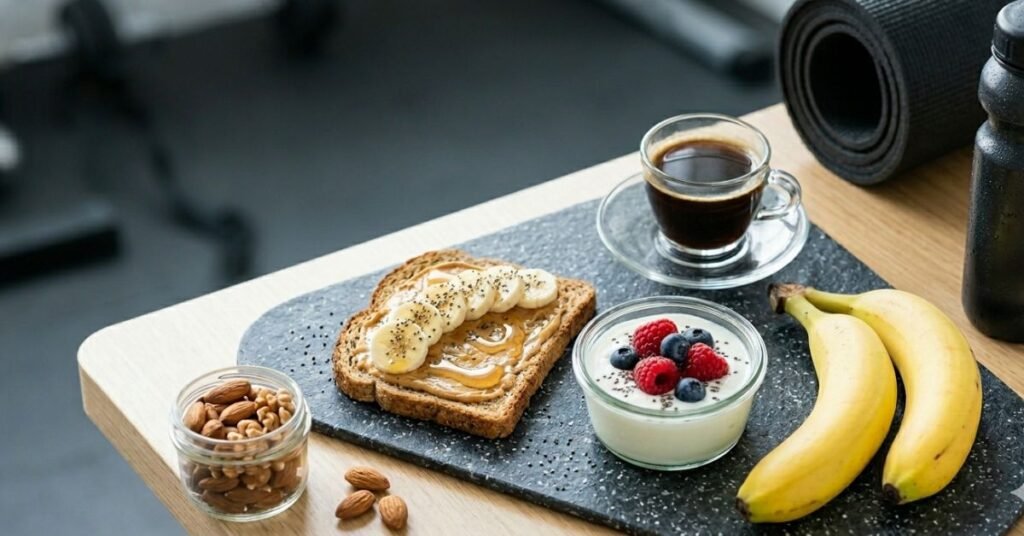
You need quick energy about 30–60 minutes before you train. Good options include:
- A banana (the perfect natural energy boost).
- A slice of whole-grain toast with a little peanut butter.
- A small cup of black coffee (to increase focus and fat burning).
Post-Workout Recovery
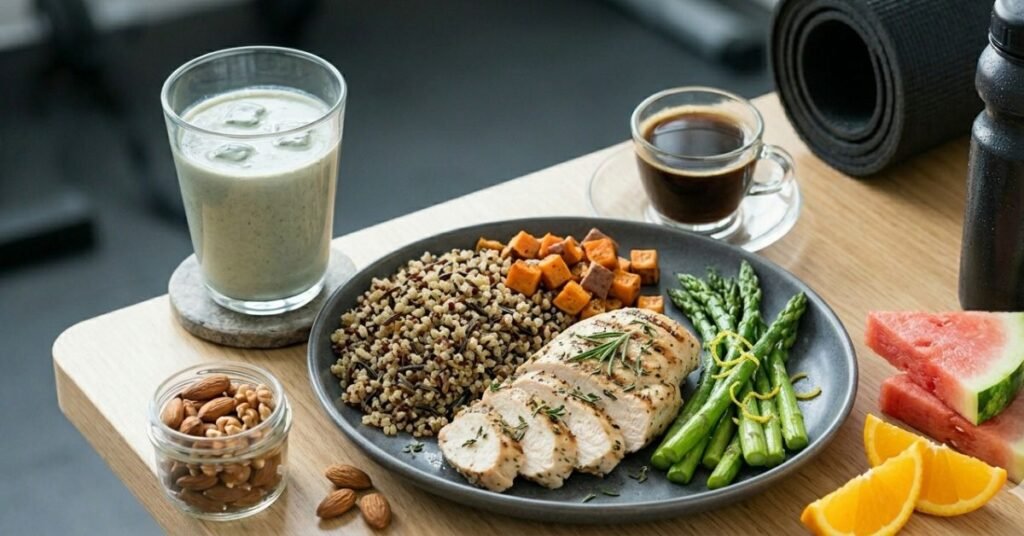
Your muscles are like sponges after a workout. They need nutrients to grow stronger.
- A protein shake or 3 egg whites.
- A bowl of Greek yogurt with berries.
- Chicken and sweet potato.
4. Professional Tips for Success
Following a plan is easy for two days, but staying consistent is the hard part. Here are some professional tips:
- Hydration is Key: Drink 3 to 4 liters of water every day. Sometimes when you feel hungry, your body is actually just thirsty.
- The Power of Sleep: Your body repairs itself while you sleep. If you don’t sleep 7–8 hours, your weight loss will be much slower.
- Stop Drinking Your Calories: Avoid sodas, packaged juices, and sugary teas. Stick to water, green tea, or black coffee.
- Use Smaller Plates: This is a psychological trick. A full small plate makes you feel more satisfied than a half-empty large plate.
5. Meal Prep for Gym Beginners
One of the main reasons people fail their diet is because they are too tired to cook after work. This is where meal prep for gym beginners comes in.
- Bulk Cook Your Protein: Grill 5–6 chicken breasts or boil a large pot of lentils on Sunday.
- Chop Your Veggies: Keep chopped cucumbers, carrots, and bell peppers in containers so you can make a salad in 2 minutes.
- Portion Your Snacks: Put nuts or fruits into small bags so you don’t overeat them.
6. Common Weight Loss Myths
- Myth 1: “Stop eating after 8 PM.” Fact: Your total calories for the day matter more than the time you eat.
- Myth 2: “Carbs make you fat.” Fact: Overeating calories makes you fat. Carbs are necessary for gym energy.
- Myth 3: “Sweating more means more fat loss.” Fact: Sweat is just your body cooling down. It is not a measure of fat being “melted.”
Daily Nutrition Summary Table
| Nutrient | Goal for Weight Loss | Best Sources |
| Protein | 1.2g – 1.5g per kg of body weight | Chicken, Eggs, Fish, Lentils, Paneer |
| Carbohydrates | 30% – 40% of daily calories | Oats, Sweet Potato, Brown Rice, Fruits |
| Fats | 20% – 25% of daily calories | Almonds, Walnuts, Olive Oil, Avocado |
| Fiber | 25g – 30g per day | Leafy Greens, Beans, Whole Grains |
Conclusion
Losing weight is a marathon, not a sprint. By using this gym meal plan for weight loss, you are giving your body the fuel it needs to perform in the gym and the nutrients it needs to recover. Start small, be consistent, and you will see amazing changes in your body and energy levels.
(FAQs)
Q1: Can I lose weight without going to the gym?
Yes, weight loss is mostly about your diet. However, the gym helps you tone your body and keeps your heart healthy.
Q2: Is a “Cheat Meal” okay?
Yes. Having one meal where you eat your favorite food (like pizza or a burger) once a week can help you stay motivated. Just don’t let a “cheat meal” turn into a “cheat weekend.”
Q3: Should I take supplements?
Supplements like Whey protein are helpful if you cannot get enough protein from whole foods, but they are not mandatory. Focus on real food first.
Q4: How much weight can I lose in a month?
A healthy and sustainable rate is 0.5kg to 1kg per week. Losing weight too fast can be dangerous and usually leads to gaining it back quickly.
Q5: What if I feel hungry all the time?
Increase your intake of green vegetables and protein. These foods take longer to digest and keep you full.
Consult your doctor before starting any diet plan.