prepslim.com

Weight Loss & Diet Plans

The Ultimate Meal and Workout Plan for Weight Loss (Female)
Weight Loss & Diet Plans

The Ultimate Meal and Workout Plan for Weight Loss (Female)

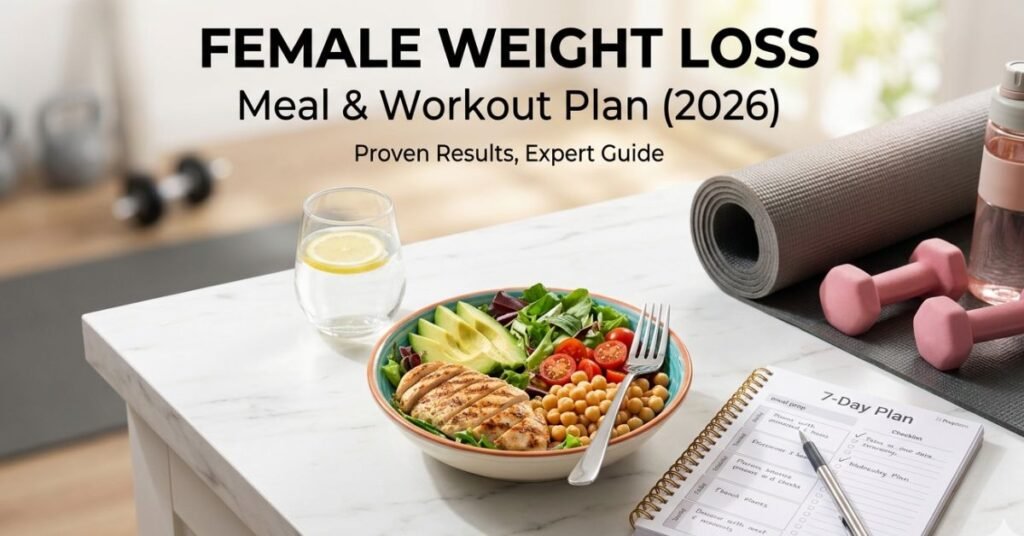
Losing weight is a journey that requires patience, the right food, and a bit of movement. Many women feel overwhelmed by the amount of information online. Should you eat less? Should you run every day? The truth is, the best results come from a balanced meal and workout plan for weight loss females. In this guide, we will break down everything into simple steps. Whether you are a busy mom, a student, or a working professional, this plan is designed to fit your life and help you feel your best. Why Women Need a Unique Approach Women’s bodies are different from men’s. Our hormones, metabolism, and muscle mass require a specific kind of care. For example, women often need more iron and healthy fats for hormonal health. When we talk about a healthy diet for women, it is not about starving yourself. It is about fueling your body so you can burn fat while keeping your energy high. To see real changes, you need a women’s fitness routine that focuses on both burning calories and building lean muscle. The Secret to Success: Nutrition First You might have heard the saying, “Abs are made in the kitchen.” This is true! No matter how hard you exercise, you cannot “out-train” a bad diet. A high protein meal plan is often the most effective way for women to lose weight because protein keeps you full and protects your muscles. Important Eating Habits to Follow: 7-Day Sample Meal Plan This table provides a simple structure. You can swap items based on what you have in your kitchen. Day Breakfast Lunch Snack Dinner Mon 2 Boiled Eggs + 1 Apple Grilled Chicken + Salad 5-10 Almonds Baked Fish + Veggies Tue Oatmeal with Berries Lentil Soup (Dal) + Salad Greek Yogurt Paneer Tikka + Spinach Wed Veggie Omelet Chickpea Salad (Chana) 1 Pear Grilled Chicken + Broccoli Thu Smoothie (Spinach/Banana) Brown Rice + Small bowl Dal Walnuts Roasted Veggies + Tofu Fri Whole Wheat Toast + Egg Tuna Salad or Paneer 1 Orange Lean Meat + Large Salad Sat Greek Yogurt + Honey Quinoa with Vegetables Pumpkin Seeds Chicken Stir-fry Sun Pancake (Oats & Banana) Healthy Homemade Soup 1 Apple Light Veggie Salad Daily Nutrition Breakdown To help you understand the balance, here is a simple nutrition table for a standard weight loss day. Nutrient Daily Goal Why it Matters Calories 1,300 – 1,500 To create a “calorie deficit” for fat loss. Protein 80g – 100g To keep your muscles toned and strong. Fiber 25g – 30g For good digestion and feeling full. Healthy Fats 40g – 50g For glowing skin and healthy hormones. The Workout Plan: Moving Your Body You don’t need to spend hours in the gym. For weight loss for women at home, focus on consistency. A mix of cardio (to burn fat) and strength training (to tone up) is the “magic formula.” Weekly Workout Schedule Day Activity Type Duration Focus Area Monday Brisk Walking / Jogging 30 Mins Heart Health & Fat Burn Tuesday Bodyweight Strength 25 Mins Squats, Lunges, Push-ups Wednesday Active Recovery 20 Mins Yoga or Light Stretching Thursday HIIT (Fast movements) 20 Mins High Calorie Burning Friday Lower Body Focus 30 Mins Legs and Glutes Saturday Outdoor Fun 45 Mins Cycling, Swimming, or Hiking Sunday Rest & Recharge – Relax your muscles Step-by-Step Meal Prep Guide Meal prepping saves you from making bad food choices when you are tired. Follow these steps: The Importance of Lifestyle Factors Weight loss is not just about “eating” and “moving.” Other things matter too: Conclusion Remember, you didn’t gain weight in a day, and you won’t lose it in a day. By following this women’s fitness routine and sticking to a high protein meal plan, you are making a great investment in your future health. Start small, stay positive, and focus on how much better you feel each morning. (FAQs) 1. Can I lose weight without going to the gym? Yes! Weight loss for women at home is very effective. You can use your own body weight (like squats and planks) or follow a YouTube workout video. 2. How much water should I drink daily? Aim for about 2.5 to 3 liters. If you are exercising, you may need a little more. 3. Is it okay to eat carbs at night? Yes, as long as they are “complex carbs” like sweet potatoes or brown rice, and you stay within your daily calorie limit. 4. Why is my weight not moving? Sometimes you lose inches (fat) even if the scale stays the same. This is because you are gaining muscle. Keep going! 5. Can I drink tea or coffee? Yes, but try to avoid sugar and heavy cream. Black coffee or green tea is great for your metabolism.               Disclaimer;Consult your doctor before starting any diet or workout plan.

How to Enjoy a Keto Diet at Cheesecake Factory (Easy 2026 Guide)
Weight Loss & Diet Plans

How to Enjoy a Keto Diet at Cheesecake Factory (Easy 2026 Guide)

Meet Your Nutritionist: Hi, I’m Kiran! As a professional Nutritionist, I believe that food is your greatest tool for performance. Do you love going out to eat with your friends and family? The Cheesecake Factory is a very famous restaurant. It is known all over the world for its huge menu and giant, sweet cakes. But what happens if you are trying to lose weight or stay healthy? You might think that eating there is a bad idea. Can you still eat there while staying on your diet? The answer is a big yes! Here at PrepSlim, my goal is to help you enjoy your life without ruining your hard work. Today, we are going to explore the low-carb Cheesecake Factory menu. You will learn exactly what foods to order and what foods to avoid. Eating keto at restaurants does not have to be scary, confusing, or hard. With a little bit of planning, you can practice healthy eating out, have a great time, and eat a very tasty meal! 1. The Simple Rules for Healthy Eating Out When you follow a keto diet, your main job is to eat very few carbohydrates (called carbs). Carbs are mostly found in bread, pasta, rice, sugar, and potatoes. Instead of carbs, you want to eat healthy fats and good proteins like meat, fish, avocados, and eggs. Here are the top golden rules I always share with my clients when they go to a big restaurant: 2. The Best Keto-Friendly Appetizers Appetizers are the small dishes you eat before your main meal arrives. Many of them at restaurants are deep-fried in thick batter or covered in sweet, sticky sauces. But do not worry, there are some amazing keto-friendly appetizers you can choose to start your meal the right way! [Step-by-Step Image: A close-up, top-down view of Buffalo wings with celery sticks and blue cheese dip on a clean white plate, bright lighting.] Here are the best choices to start your meal: Quick Guide: Appetizer Choices Menu Item Is it Keto? Why? Bone-In Buffalo Wings Yes High protein, high fat, no breading. Fried Macaroni and Cheese No Full of pasta (carbs) and breadcrumbs. Stuffed Mushrooms Yes Low carb vegetables and high fat cheese. Sweet Corn Tamales No Corn is very high in sugar and carbs. 3. Mouth-Watering Main Courses Now, let us talk about the main event! The Cheesecake Factory has a massive menu that looks like a giant book. It can be confusing to read. But if you look closely, you will find plenty of safe and delicious options for your main plate. Main Course Nutrition Estimates Meal Choice Best Side Dish Estimated Net Carbs Lettuce-Wrapped Burger Side Salad (Oil & Vinegar) 5g Grilled Salmon Buttered Asparagus 2g Grilled Rib-eye Steak Fresh Green Beans 4g SkinnyLicious Chicken Broccoli 6g 📊 Calculate Your Macros Now 4. Be Careful with Salads (The Hidden Traps) You might think, “I am on a diet, so I will just order a big salad. That is always safe.” But beware! Sometimes, salads are a hidden trap. Restaurants love to add things that are not keto-friendly to make the salad taste sweeter. When you want to eat a healthy salad, you need to check all the ingredients on the menu. What to Avoid in Salads: Dressings to Avoid: The Safest Salad Choices: 5. Dessert: Can You Actually Eat the Cheesecake? The most famous part of this restaurant is, of course, the dessert. Normally, you absolutely cannot eat cakes or pies on a keto diet. They are packed with cups of white sugar and white flour. But The Cheesecake Factory has a secret weapon for people on diets. They offer a special cake called the “Low-Licious Cheesecake.” It is one of the only true sugar-free desserts on the entire menu. Conclusion You see? You do not have to stay locked inside your home just because you are eating healthy. You can go out to The Cheesecake Factory, have a lot of fun with your friends, and stay right on track with your weight loss goals. The secret is simple: always look for meat, green vegetables, and healthy fats. Do not be afraid to ask the waiter to change your order. You are the customer, and they want you to be happy! Enjoy your delicious protein and veggies, and feel proud of yourself for making smart choices. (FAQs) Here are some common questions people ask me about eating at this restaurant: Q1: Can I eat the brown bread they bring to the table? No. The brown bread is very delicious, but it is full of wheat flour and molasses (sugar). Eating even one piece will give you too many carbs and take you out of ketosis. Q2: Are there any keto-friendly soups at The Cheesecake Factory? Most soups are not safe. Many restaurant soups use flour or cornstarch to make them thick. It is better to stick to a side salad with olive oil instead of ordering soup. Q3: What is the best drink to order on keto? Water is always best. You can also order sparkling water with a slice of fresh lemon or lime. Unsweetened black tea or coffee is also perfectly fine. Do not order diet sodas too often, but one glass is okay if you really want a treat. Q4: How do I know if a sauce has sugar in it? A good rule is to avoid sticky or thick sauces. Teriyaki sauce, BBQ sauce, and sweet chili sauces are packed with sugar. If a meat comes with a sauce, ask the waiter to put the sauce in a small cup on the side, or just ask for plain butter. Q5: Can I eat the avocado egg rolls? No. Even though avocados are amazing for keto, the egg roll wrapper is made of flour and deep-fried. You should avoid anything on the menu that says “crispy,” “breaded,” “crusted,” or “rolls.”

Chili’s Nutrition Guide 2026: What to Eat and What to Avoid
Weight Loss & Diet Plans

Chili’s Nutrition Guide 2026: What to Eat and What to Avoid

Do you love eating out with your family and friends? Going to a restaurant is a lot of fun. The food smells wonderful, and it tastes amazing. But, you might stop and wonder, “Is this food actually good for my body?” When we eat out, it is really hard to know exactly what is inside our food. The chefs use a lot of butter, oil, and salt to make things taste good. As a nutritionist, I look very closely at the Chili’s nutrition menu to help you make smart and healthy choices. You do not ever have to stop going to fun restaurants. You just need to know the right things to pick! In this simple and complete guide, I will show you the absolute best foods to order. We will look at good meals, healthy side dishes, and the best drinks so you can stay healthy and still have a great time. 1. The Best Menu Section: The Guilt-Less Grill Chili’s has a special part of their menu that is called the Guilt-Less Grill. If you want to be healthy, this is the best place to find low calorie meals at Chili’s. Every single meal on this special list has fewer than 600 calories. Why are calories so important for us? Think of calories like gas for a car. Your body needs calories to get the energy to run, play, think, and sleep. But if you put too much gas in the car, it spills over. If you eat too many calories, your body stores the extra energy as fat. Here are the top three choices from the Guilt-Less Grill: My Personal Tip: When I order from this menu, I always ask the waiter for extra steamed vegetables. Vegetables have vitamins that keep you from getting sick, and they make your tummy feel full. 2. Food for Your Special Diet People eat in many different ways. Some people want to build big muscles, and some people want to lose weight. Here is how to find Chili’s healthy options for your own specific diet. Eating Low Carbs (The Keto Diet) Carbohydrates (we call them carbs for short) are found in bread, rice, pasta, and potatoes. Some people eat fewer carbs to stay healthy and burn fat. Following a Keto diet at Chili’s is actually very easy if you know what to do. Here is how you can eat Keto: Watching Your Sugar and Meat (Diabetes & Vegan) If you have diabetes, or if you just want to eat less sugar, you must be very careful. Sweet BBQ sauce and ketchup have a lot of hidden sugar. Also, if you do not eat meat (Vegan or Vegetarian), you can still find good food. 3. The Hidden Dangers: Salt and Sugar Sometimes, bad things hide in our food where we cannot even see them. As a nutritionist, I want to warn you about two big things: salt and sugar. The Problem with Salt (Sodium): Restaurant food often has way too much salt. The science word for salt is sodium. Your body needs a tiny bit of salt to work right, but too much salt is bad for your heart. It makes your heart work too hard to pump your blood. The Problem with Hidden Sugar: You might think sugar is only in chocolate cake and ice cream. But that is not true! Sweet sauces add extra Chili’s calories that your body does not need at all. My Personal Tip: Always ask for your salad dressing or BBQ sauce “on the side.” The waiter will bring it in a tiny cup. Then, you can just dip the tip of your fork in it. This saves you hundreds of calories! 4. Comparing the Meals: Chili’s Nutrition Tables To help you understand, I made two simple charts. The first chart compares main meals. The second chart compares side dishes. This helps you see why some choices are much better than others. Table 1: Main Meals Comparison Meal Name Calories (Energy) Protein (Muscle Builder) Fat (Grams) Carbs (Sugars/Starches) Classic Sirloin Steak (6 oz) 250 38 g 10 g 2 g Margarita Grilled Chicken 550 51 g 14 g 56 g Cajun Shrimp Pasta 1,150 55 g 62 g 95 g Bacon Ranch Chicken Quesadillas 1,690 83 g 114 g 84 g “Want to know exactly how many calories are in your favorite combo? Use our Chili’s Meal Calculator below!” 📊 Calculate Your Macros Now Table 2: Side Dishes Comparison Side Dish Calories Why is it Good or Bad? Steamed Broccoli 40 Best Choice! Full of vitamins and very low in calories. Asparagus with Garlic 60 Great Choice! Healthy green vegetables with good flavor. Homestyle Fries 420 Bad Choice. Cooked in a lot of oil and high in fat. Loaded Mashed Potatoes 350 Bad Choice. Full of heavy butter, cheese, and bacon. 5. Step-by-Step Guide: How to Order Smart Next time you go to Chili’s, do not panic. Just follow these easy steps to make the best choice: Final Thoughts Eating out with your friends and family is a wonderful treat. You can have a great time, laugh, talk, and still stay completely healthy. Use this easy guide the next time you visit Chili’s, and your body will be very happy. (FAQs) Here are some common questions people ask about eating healthy at Chili’s: Remember, you are the boss of your own body. You are in charge of what goes on your plate. Make smart choices, eat your vegetables, and enjoy your delicious food! Disclaimer: Consult your doctor before starting any diet plan.

The Ultimate Low-Calorie McDonald’s Guide: Healthy Eating in 2026
Weight Loss & Diet Plans

The Ultimate Low-Calorie McDonald’s Guide: Healthy Eating in 2026

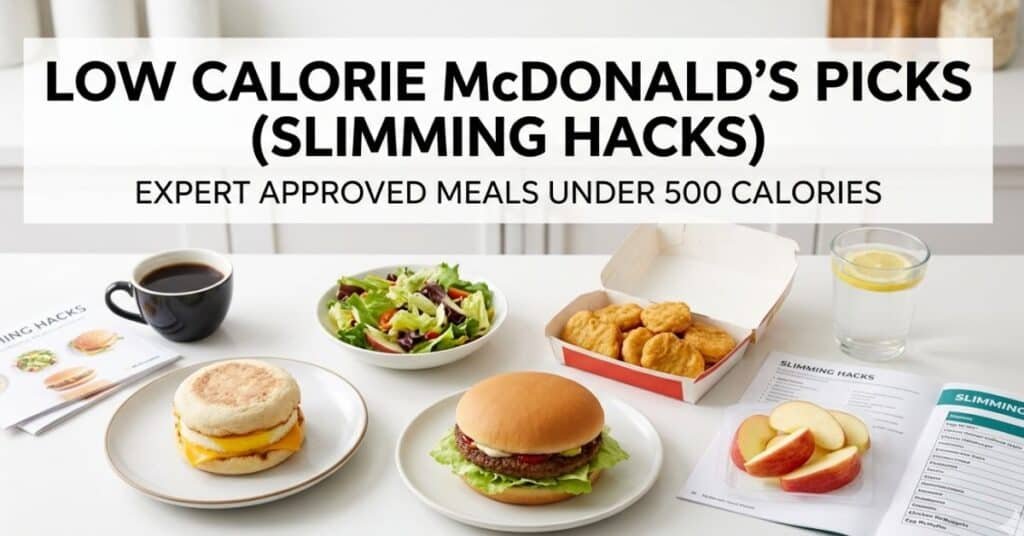
As a professional nutritionist, I often hear people say that fast food is the “enemy” of weight loss. We have been told for years that if we want to stay healthy, we must avoid the drive-thru at all costs. But let’s be realistic: life is busy. Whether you are a parent on a tight schedule, a student studying late, or a professional traveling for work, sometimes McDonald’s is your only option. The good news is that you don’t have to ruin your progress just because you are eating at a fast-food chain. By understanding the menu and making mindful choices, you can easily maintain a calorie deficit while enjoying a meal. In this guide, I will show you how to find the best low calorie fast food options and share professional hacks to keep your health goals on track. Why McDonald’s Can Fit Into Your Weight Loss Plan Weight loss is primarily about energy balance calories in versus calories out. If you consume fewer calories than your body burns, you will lose weight, regardless of where those calories come from. However, as a nutritionist, I focus on more than just numbers; I focus on satiety (feeling full) and nutrition. The challenge with McDonald’s weight loss is not just the calories, but the hidden fats and sugars in sauces and sides. By choosing high-protein items and avoiding liquid calories, you can stay full without overeating. 1. Best Low-Calorie Breakfast Options Breakfast is a crucial time to fuel your body with protein. A healthy McDonald’s breakfast helps stabilize your blood sugar and prevents overeating later in the day. Top Breakfast Picks: 2. Main Menu: Burgers and Sandwiches Under 500 Calories When lunch or dinner time rolls around, you don’t have to settle for just a side salad. There are several sandwiches that fall under 500 calories and still provide plenty of flavor. Recommended Choices: 3. The Professional “Nutritionist Hacks” to Save Calories The biggest mistake people make at McDonald’s is ordering the “Meal Deal” (burger, fries, and a drink). These combos can easily exceed 1,000 calories. Here is how I advise my clients to hack the menu: 4. Full Nutrition Comparison Table To help you make the best decision at the counter, use this table to compare the most popular low-calorie items: Menu Item Calories Protein (g) Total Fat (g) Carbs (g) Apple Slices 15 0 0 4 Hamburger 250 12 9 31 6-Piece Nuggets 250 14 15 15 Cheeseburger 300 15 13 32 Egg McMuffin 310 17 13 30 McDouble 400 22 20 33 McChicken 400 14 21 39 Filet-O-Fish 390 16 19 39 5. High-Protein Meal Combinations If you want a full meal experience while staying on a budget and a diet, try these “Nutritionist Approved” combos: The Lean Lunch (315 Total Calories): The Power Dinner (415 Total Calories): Conclusion: Eating healthy does not mean you have to be perfect 100% of the time. In my professional experience, the most successful weight loss journeys are the ones that allow for flexibility. If you find yourself at McDonald’s, don’t stress. Use the tips in this guide, focus on your protein intake, and keep your portions small. By making these simple adjustments, you can enjoy the convenience of fast food without sacrificing your hard-earned progress. (FAQs) Q: What is the lowest calorie meal at McDonald’s? A: The lowest calorie “main” item is the 4-piece Chicken McNuggets (170 calories) or the Classic Hamburger (250 calories). Pair these with apple slices and water for the lowest total calorie count. Q: Can I eat McDonald’s every day and lose weight? A: Theoretically, yes, if you remain in a calorie deficit. However, it is not recommended for long-term health due to high sodium levels and lack of micronutrients. Balance is key. Q: Are the salads at McDonald’s always healthy? A: Not necessarily. In the past, some salads with crispy chicken and ranch dressing had more calories than a Big Mac! Always check the dressing and protein type. Currently, simple side salads are your best bet. Q: Is the Filet-O-Fish healthy? A: It is a decent source of protein, but it is deep-fried and contains tartar sauce (which is high in fat). It is better than a large burger but not as “light” as a grilled chicken option if available.

5 Ingredient Healthy Recipes: Quick, Easy, and Nutritious Meals
Weight Loss & Diet Plans

5 Ingredient Healthy Recipes: Quick, Easy, and Nutritious Meals

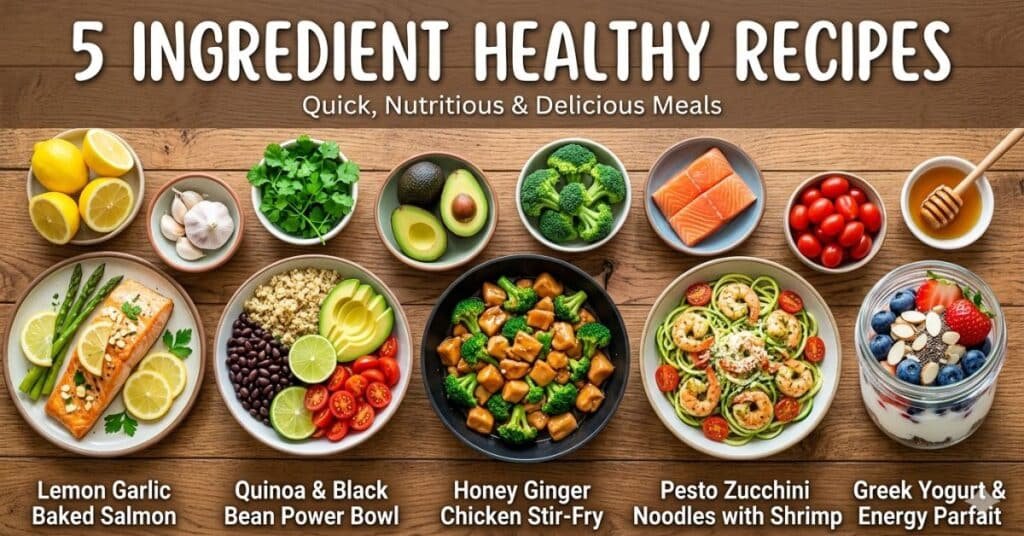
Welcome back to PrepSlim! As a nutritionist and wellness expert, I speak with people every single day who want to eat better but feel overwhelmed by complicated cooking. I completely understand. After a long, busy day, the last thing anyone wants to do is go to the grocery store to buy 20 different items just to make one dinner. That is exactly why I am so passionate about sharing 5 ingredient healthy recipes. You do not need a massive list of groceries to eat well. By focusing on whole, fresh foods, you can create easy healthy meals that nourish your body without keeping you in the kitchen all night. In this comprehensive guide, I am going to share my top five favorite minimal-ingredient recipes. These meals are designed to save you time, keep your grocery budget under control, and support your health goals. Why You Should Try 5-Ingredient Cooking Today If you are used to following long, complex recipes, switching to a simpler method can completely change your routine. Here is why minimalist cooking is so effective: 1. Lemon Garlic Baked Salmon This recipe is an absolute favorite for low-calorie dinner ideas. Salmon is incredibly rich in omega-3 fatty acids, which are fantastic for your brain and heart health. The combination of fresh lemon and garlic gives it a bright, delicious flavor with very little effort. Ingredients: Step-by-Step Instructions: Nutrition Information (Per Serving) Nutrient Amount Calories 320 kcal Protein 34g Carbs 8g Fats 16g 2. Quinoa & Black Bean Power Bowl If you prefer plant-based meals, this power bowl is a must-try. Quinoa is a complete protein, and black beans provide a massive boost of dietary fiber. This combination keeps you feeling full and energetic for hours, making it perfect for healthy meal prep. Ingredients: Step-by-Step Instructions: Nutrition Information (Per Serving) Nutrient Amount Calories 380 kcal Protein 14g Carbs 52g Fats 15g 3. Honey Ginger Chicken Stir-Fry Skip the unhealthy restaurant takeout! This sweet and savory chicken stir-fry comes together in just 15 minutes. It is high in protein, low in carbohydrates, and perfect for feeding a hungry family fast. Ingredients: Step-by-Step Instructions: Nutrition Information (Per Serving) Nutrient Amount Calories 290 kcal Protein 32g Carbs 18g Fats 6g 4. Pesto Zucchini Noodles with Shrimp When you want a dinner that feels fancy but takes almost zero effort, this recipe is the answer. Using zucchini noodles instead of regular pasta is a great way to cut heavy carbohydrates while still eating a comforting meal. Ingredients: Step-by-Step Instructions: Nutrition Information (Per Serving) Nutrient Amount Calories 240 kcal Protein 26g Carbs 12g Fats 10g 5. Greek Yogurt & Berry Energy Parfait Healthy eating is not just about dinner. This 5-ingredient parfait is an excellent breakfast or a highly nutritious snack that tastes like dessert. It is packed with calcium, protein, and antioxidants. Ingredients: Step-by-Step Instructions: Nutrition Information (Per Serving) Nutrient Amount Calories 210 kcal Protein 22g Carbs 20g Fats 6g Final Thoughts Eating a healthy, balanced diet does not require hours of complicated cooking or expensive grocery bills. By focusing on just five high-quality ingredients per meal, you can fuel your body, save your precious time, and actually enjoy the process of cooking again. Frequently Asked Questions (FAQs) Can I use these 5-ingredient recipes for weight loss? Yes, absolutely! Because these meals rely on high-protein and high-fiber foods instead of empty calories and processed oils, they are naturally great for weight management. They keep you full, which prevents unhealthy snacking later in the day. Are these recipes good for meal prep? Most of them are excellent for meal prep! The Quinoa Power Bowl and the Honey Ginger Chicken can be stored in airtight containers in the refrigerator for up to 3-4 days. The Zucchini Noodles and Salmon are best eaten fresh, but you can chop all the ingredients in advance to save time. Can I swap out the proteins in these recipes? Definitely. If you do not like salmon, you can easily use white fish or chicken breast in the first recipe. If you are a vegetarian, you can swap the shrimp in the pesto noodles for chickpeas or firm tofu. The beauty of 5-ingredient cooking is how flexible it is! How can I make sure my food isn’t boring with so few ingredients? The secret is in the cooking method and the staples. Baking, roasting, and searing bring out natural flavors much better than boiling. Also, never underestimate the power of a good pinch of salt, some cracked black pepper, and a squeeze of fresh citrus (like lemon or lime) to make simple food taste incredible. I highly recommend picking just one of these recipes to try this week. Once you see how simple it is, you will want to try them all! If you have any questions or want to share how your recipe turned out, feel free to reach out to us at contact@prepslim.com. We love hearing from you!                      Disclaimer: Consult your doctor before starting any diet plan.

The Ultimate 7-Day Keto Meal Plan for Beginners: A Step-by-Step Guide
Weight Loss & Diet Plans

The Ultimate 7-Day Keto Meal Plan for Beginners: A Step-by-Step Guide

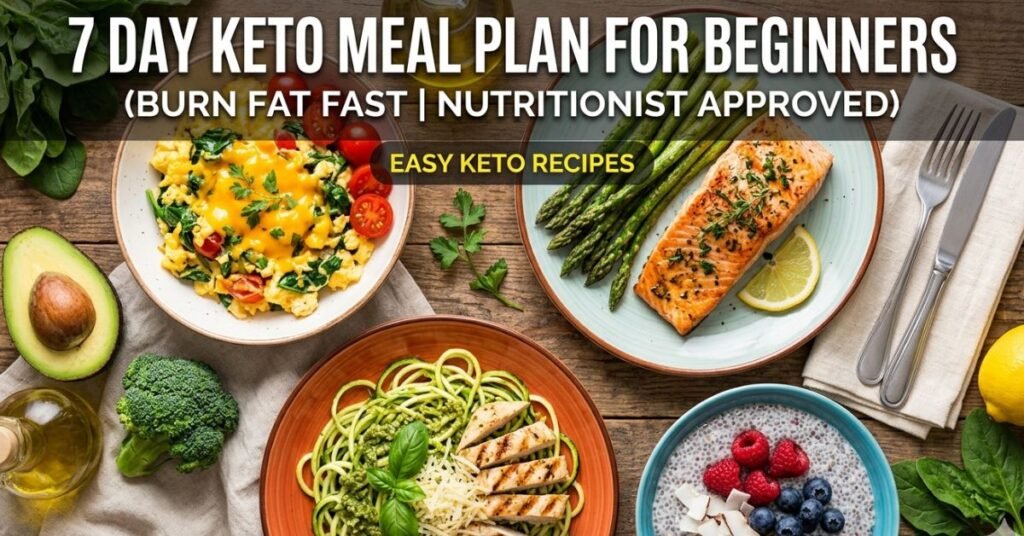
By Kiran | Professional Nutritionist Hi, I’m Kiran! As a professional Nutritionist at prepslim.com, my goal is to help you build healthy lifestyle habits through simple meal prep and functional nutrition. Today, I am sharing a complete, step-by-step guide to help you start your keto journey safely and easily. Starting a new diet can feel overwhelming, especially when you have to figure out what to eat every single day. If you want to try the ketogenic diet for weight loss, you are in the right place. This guide provides a simple, 100% free, and informational 7 Day Keto Meal Plan for Beginners. It is designed to take the stress out of cooking, helping you transition into a fat-burning state smoothly with easy keto recipes. Let’s dive in! What is the Keto Diet? The keto (ketogenic) diet is a high-fat, moderate-protein, and very low-carb diet plan. By eating fewer carbs and more healthy fats, your body stops relying on sugar and starts burning stored fat for energy instead. This natural metabolic state is called ketosis. When you start ketosis, you may experience several amazing benefits: Understanding Your Keto Macros To succeed on this plan, you need to understand your daily food targets, which are known as keto macros. A standard daily breakdown looks like this: 📊 Calculate Your Macros Now A Quick Personal Tip: During your first few days, you might feel a bit tired or sluggish. This is perfectly normal and is often called the “Keto Flu.” Because your body is losing extra water, simply drinking plenty of water with a pinch of pink salt will help you feel much better! Your Essential Keto Shopping List Before you start cooking, you need the right ingredients in your kitchen. Having a reliable keto shopping list is the secret to successful keto meal prep. Here is what you need: Proteins: Healthy Fats & Dairy: Low-Carb Vegetables: The Complete 7-Day Keto Meal Plan Chart Here is your easy-to-follow meal plan for the entire week. I have kept the meals simple, delicious, and easy to prepare. Day Breakfast Lunch Dinner Day 1 Scrambled eggs with spinach cooked in butter Grilled chicken salad with olive oil dressing Baked salmon with roasted asparagus Day 2 Keto Chia pudding made with almond milk Zucchini noodles (Zoodles) with green pesto Beef stir-fry with broccoli (use soy sauce, no sugar) Day 3 2-egg omelet with mushrooms and cheddar cheese Tuna salad lettuce wraps Baked chicken breast stuffed with spinach & feta Day 4 Sliced avocado and 2 boiled eggs Leftover stuffed chicken from Day 3 Low-carb beef burgers (no bun) with a side salad Day 5 Full-fat Greek yogurt with a handful of walnuts Cauliflower fried rice with shrimp Crispy baked chicken thighs with roasted sprouts Day 6 Keto pancakes (made with almond flour) Egg salad served in crunchy celery sticks Keto Taco salad (minced beef, cheese, salsa, sour cream) Day 7 Fried eggs with a side of avocado Grilled fish with a lemon-garlic butter sauce Zucchini lasagna (layered with minced meat and cheese) Step-by-Step Meal Prep Tips for Success To make this 7-day plan work effortlessly, preparation is key. Here are my top tips for saving time in the kitchen: Daily Nutrition Breakdown To give you an idea of what a full day of eating looks like on this plan, here is a sample nutrition table based on Day 1. Nutrient Amount per Day (Approximate) Total Calories 1,500 – 1,600 kcal Fat 120g Protein 85g Net Carbs 18g Note: You can always adjust your portion sizes based on your own body weight, goals, and daily physical activity levels. Final Thoughts Starting a keto lifestyle does not have to be complicated. By following this simple plan, sticking to whole foods, and drinking plenty of water, you will be well on your way to building healthier habits. (FAQs) 1. Can I drink coffee or tea on the keto diet? Yes! Black coffee and plain tea are perfectly fine. Just make sure you do not add regular sugar or regular milk. You can add a splash of heavy cream or unsweetened almond milk instead. 2. What happens if I accidentally eat too many carbs? If you eat too many carbs, your body may temporarily step out of ketosis. Don’t panic or stress about it! Just return to your low-carb meals the very next day, and your body will adjust back. 3. Is the keto diet safe for everyone? While keto is safe and highly effective for many people looking to lose weight, it is not for everyone. If you have underlying medical conditions, it is always best to speak with a professional first. 4. How much weight can I expect to lose in the first 7 days? Many beginners lose between 2 to 5 pounds in their first week. However, keep in mind that a lot of this initial drop is water weight. True fat loss requires consistency over several weeks. If you want more healthy ideas, be sure to check out our latest guide on high-protein Air Fryer Recipes to add even more variety to your weekly dinners! If you have any questions or need further guidance, feel free to reach out to me directly at contact@prepslim.com. I am always happy to help! Disclaimer: The information provided on this blog is purely for educational and informational purposes. Please consult your doctor or a qualified healthcare provider before starting any new diet plan.

How to Eat in a Calorie Deficit: A Simple Guide to Sustainable Weight Loss
Weight Loss & Diet Plans

How to Eat in a Calorie Deficit: A Simple Guide to Sustainable Weight Loss

Hi, I’m Kiran! As a professional Nutritionist, I believe that food is your greatest tool for performance. Over the years, the most common question I get asked is, “How can I lose weight without feeling hungry all the time?” The answer is not a magic pill or a strict, boring diet. The real secret is understanding how to eat in a calorie deficit for weight loss. Today, I am going to share my step-by-step method to help you eat well, feel full, and reach your goals. What Exactly is a Calorie Deficit? Your body burns a certain number of calories every day just to keep you alive, breathing, and moving. Step 1: Find Your Starting Point Before you change your diet, you need to calculate maintenance calories. Here is the easiest way to do it: Calculate My Calories Step 2: Focus on What You Eat (Not Just How Much) Eating less does not mean you have to be hungry. The trick is to choose foods that have high volume but low calories. Here is how to build your daily meals: Smart Food Swaps (Calorie Comparison Table) Making small changes to your daily meals can save you hundreds of calories without sacrificing taste. Here is a simple table to guide you: Everyday Food Calories (Approx.) Healthy Swap Calories (Approx.) Calories Saved Cooking Oil (1 tbsp) 120 kcal Cooking Spray (1 spray) 10 kcal ~110 kcal Whole Milk (1 Cup) 150 kcal Skim Milk (1 Cup) 80 kcal ~70 kcal White Rice (1 Cup) 200 kcal Cauliflower Rice (1 Cup) 25 kcal ~175 kcal Potato Chips (1 Bag) 160 kcal Air-Popped Popcorn (1 Cup) 30 kcal ~130 kcal Regular Soda (1 Can) 140 kcal Lemon Water / Green Tea 0 kcal ~140 kcal Sample 1-Day Nutrition Breakdown Here is a quick look at what a balanced, deficit-friendly day might look like. This is just an example to show how much food you can actually eat! Meal Food Items Protein Carbs Fats Total Calories Breakfast 2 Boiled eggs, 1 slice whole wheat toast, green tea 16g 15g 10g ~215 kcal Lunch Grilled chicken breast (150g), large cucumber & tomato salad 45g 10g 5g ~270 kcal Snack 1 Medium apple, 10 almonds 3g 25g 6g ~160 kcal Dinner Baked fish, 1 cup cooked lentils (daal), side of spinach 40g 40g 8g ~390 kcal Total 104g 90g 29g ~1035 kcal (Note: Adjust portion sizes based on your personal calculated calorie target.) Final Thoughts Reaching your health goals takes time and patience. Do not rush the process by eating too little. Focus on sustainable weight loss by making small, smart choices every single day. Listen to your body, eat foods you actually enjoy, and stay consistent. You’ve got this! (FAQs) 1. Can I lose weight in a calorie deficit without exercising? Yes! Weight loss is primarily driven by your diet. While exercise is amazing for your overall health, heart, and building muscle, creating a calorie deficit through food alone will still result in weight loss. 2. Why am I not losing weight even though I am in a deficit? You might be underestimating how much you are eating. Liquid calories (like oil, juices, and sugar in tea) add up quickly. It is also possible your body is holding onto water weight due to stress, lack of sleep, or a high-sodium meal. 3. Is it safe to eat less than 1,200 calories a day? As a general rule, no. Eating too few calories can slow down your metabolism, cause muscle loss, and leave you feeling tired. Sustainable weight loss is about finding a balance, not starving yourself. 4. Can I still eat my favorite junk food? Absolutely! The beauty of this method is that no food is strictly off-limits. As long as a slice of pizza or a piece of chocolate fits into your daily calorie limit, you will still lose weight. Disclaimer; Consult your doctor before starting any diet plan.

Morning Routine for Hormonal Balance (Energy Restored!)
Weight Loss & Diet Plans

Morning Routine for Hormonal Balance (Energy Restored!)

Do you wake up feeling completely exhausted, even after sleeping for eight hours? Do you immediately reach for your phone, scroll through social media, and then grab a huge cup of coffee just to keep your eyes open? If this sounds like your morning, your hormones might be asking for a break. Our bodies are incredibly smart, and they run on a 24-hour internal clock. The first 60 minutes of your day set the stage for how your hormones will behave until you go to sleep again. When you start your morning with stress and sugar, you force your body into a “fight-or-flight” mode that causes energy crashes, mood swings, and weight gain. But when you start with nourishment and peace, you tell your body it is safe to thrive. My Personal Experience: I used to make the same mistakes. I would wake up feeling groggy, skip breakfast, and drink strong coffee on an empty stomach. I thought it gave me energy, but I was always dealing with afternoon energy crashes, mood swings, and sugar cravings. I felt disconnected from my own body. Once I changed my morning habits and stopped relying on caffeine as a meal replacement, everything shifted. My energy became stable, my mood improved, and I finally felt like myself again. My body was finally “fixed.” In this complete guide, we are going to explore simple, effective steps to help you balance hormones naturally right from the moment you wake up. The Science: Why Mornings Matter for Hormones Before we jump into the routine, let’s quickly talk about why mornings are so crucial. When you wake up, your body releases a hormone called cortisol (the “stress hormone”). This is completely normal,it’s called the Cortisol Awakening Response (CAR), and it is what naturally wakes you up. However, if you immediately stress your body out with bad habits,like rushing, loud alarms, and checking work emails,your cortisol levels shoot up way too high. High cortisol leads to high insulin (the fat-storage hormone), which leads to a massive energy crash later. The goal of a good morning routine is to support this natural process, not fight it. Here is a step-by-step sequenced guide to the best morning habits for hormonal health. Step 1: Hydrate Before You Caffeinate (The Adrenal Fix) After 7 to 8 hours of sleep, your body is dehydrated. Dehydration is a physical stressor that forces your adrenal glands to work harder. Pumping coffee into a dehydrated body only makes this stress worse. Before you even think about coffee or tea, drink a large glass of room-temperature or warm water. Pro Tip: Add a squeeze of fresh lemon and a tiny pinch of Himalayan pink salt. The salt provides trace minerals that nourish your adrenal glands, while the lemon provides a gentle dose of Vitamin C. Implementation: Step 2: Get Natural Sunlight (Setting the Circadian Rhythm) Your body’s internal clock (circadian rhythm) relies heavily on light. When your eyes see sunlight in the morning, it sends a powerful signal to your brain to stop producing melatonin (the sleep hormone) and naturally regulate your cortisol. Getting natural light exposure within the first 30 to 60 minutes of waking up is one of the most powerful things you can do for your hormonal health. It not only wakes you up but also guarantees that you will sleep better that night.  Tips for Sunlight: Step 3: Gentle Movement (Avoiding High Stress) Exercise is wonderful for you, but intense, heavy workouts first thing in the morning aren’t for everyone especially if you are already struggling with hormonal imbalances or chronic fatigue. Intense workouts like High-Intensity Interval Training (HIIT) or heavy weightlifting on an empty stomach can actually cause a massive spike in stress hormones. If you want to reduce cortisol levels gently, opt for low-impact movement in the morning. Best Gentle Morning Movements: Step 4: Eat a Hormone-Balancing Breakfast (The Core) This is perhaps the most important rule: Never skip breakfast if you want to fix your hormones. Fasting or just drinking coffee for breakfast forces your body to run on stress hormones instead of actual fuel. To keep your blood sugar stable and your energy high, you need a hormone-balancing breakfast within 90 minutes of waking up. A perfect hormonal breakfast must include three things: Nutrition Reference Guide: Top Foods for Morning Hormonal Health Here is a quick breakdown of what you should aim to put on your plate: Category Key Nutrient Hormonal Benefit Breakfast Food Sources Proteins Stable Energy & Satiety Prevents sugar cravings and insulin crashes. Organic eggs, Greek yogurt, smoked salmon, hemp seeds. Healthy Fats Hormone Building Blocks Essential for producing reproductive hormones like progesterone. Avocado, walnuts, almonds, olive oil, pasture-raised butter. Fiber Hormonal Detox Promotes a healthy gut to flush out excess estrogen. Flaxseeds, berries (especially raspberries), spinach, chia seeds. Minerals Nervous System Calming Calms the nervous system and helps lower stress. Pumpkin seeds, dark leafy greens, dark chocolate (cacao), Brazil nuts. Your Plate: Step 5: Delay Screen Time for a Mindful Start Finally, let’s talk about mental stress. Waking up and immediately checking your work emails, reading the news, or scrolling through social media forces your brain into a state of panic and comparison. This immediately triggers an emotional stress response, spiking your cortisol before you’ve even brushed your teeth. This “screen stress” is a major contributor to hormonal imbalance. Try to keep your phone on airplane mode or completely out of the bedroom for the first hour of your day. Use this time to drink your lemon water, do your gentle stretches, and eat your breakfast in peace. Protecting your peace in the morning is just as important as the food you eat. Simple Mindful Start Practices: Summary Checklist for Your Morning: To help you apply these steps, use this daily checklist. Start with just 1 or 2 checkmarks and build from there. Conclusion: Consistency is the Key Balancing your hormones does not happen overnight. Hormones act like a slow-moving ship; it takes time to

Understanding the Signs of High Cortisol in Women: A Complete Guide
Weight Loss & Diet Plans

Understanding the Signs of High Cortisol in Women: A Complete Guide

Have you ever felt completely exhausted all day, but the minute your head hits the pillow at night, your brain refuses to shut off? Or maybe you have been eating healthy and exercising regularly, but you just cannot seem to lose that stubborn weight around your waist? I have been there, carefully counting calories and wondering what I was doing wrong. It is incredibly frustrating. But what if the problem is not your diet, but your stress levels? Often, we blame our willpower, but the real culprit might be a silent chemical reaction happening inside us. This is where we need to talk about the signs of high cortisol in women. Cortisol is commonly known as the “stress hormone.” It is produced by your adrenal glands (small organs on top of your kidneys). In normal amounts, cortisol is your friend. It helps you wake up in the morning, reduces inflammation, and gives you a boost of energy to face difficult situations. However, in our fast-paced, modern world, many women are constantly stressed. When stress never stops, cortisol levels stay high, and this is when it starts causing serious problems for your mind and body. In this simple guide, we will explore the common symptoms of elevated cortisol, how it affects your body, and the steps you can take to feel like yourself again. The Physical Signs You Can See in the Mirror When your body produces too much cortisol over a long period, it begins to change how you look and how your body stores fat. Here are the most common visual signs: 1. The Stubborn “Cortisol Belly Fat” One of the most classic signs of high cortisol is sudden weight gain, specifically around your midsection. Unlike normal weight gain that distributes evenly, cortisol tells your body to store fat deep inside your belly (visceral fat). If you are struggling with cortisol belly fat even though your diet has not changed, your stress hormone levels might be to blame. 2. Changes in Your Face (Moon Face) High cortisol can cause your body to hold onto extra water and fat in your face. Women often notice that their face looks puffier, rounder, and more swollen than usual. Doctors often call this a “moon face.” 3. Skin Issues and Purple Stretch Marks A long-term stress hormone imbalance makes your skin thinner and weaker. You might notice that you bruise very easily. Another major sign is the appearance of wide, pink or purple stretch marks (called striae), usually on your stomach, hips, or breasts. You might also experience sudden adult acne, especially along your jawline. 4. Muscle Weakness Have you noticed that your legs and arms feel weaker when you try to lift things or climb stairs? High cortisol actually breaks down muscle tissue to use for quick energy. This often leaves women with thinner arms and legs, but a heavier midsection. The Hidden Internal Symptoms Not all signs of high cortisol are visible to the eye. Some of the most difficult symptoms are the ones you feel inside. 1. The “Tired But Wired” Sleep Cycle This is perhaps the most frustrating symptom. Even though you feel completely drained of energy during the day, your brain suddenly switches on at 10 PM. You might toss and turn, unable to sleep, or you might wake up at 3 AM with a racing heart. Cortisol is supposed to drop at night to let you sleep; if it stays high, your body thinks it is in danger and refuses to rest. 2. Mood Swings and Anxiety Your brain is highly sensitive to hormones. When cortisol is constantly elevated, it messes with your brain chemicals. You might feel anxious for no reason, easily irritated by small things, or experience unexplained sadness and depression. 3. Irregular Menstrual Cycles Your body is smart. If it senses that you are under extreme stress (indicated by high cortisol), it decides that this is not a safe time to have a baby. As a result, it shuts down normal reproductive functions. This can lead to late periods, completely missed periods, or worse PMS symptoms. 4. Constant Cravings for Sugar and Salt Do you find yourself reaching for chips or chocolate when you are stressed? High cortisol demands quick energy, making your brain crave high-calorie, sugary, and salty foods. Step-by-Step: How to Get Tested If you are reading this and thinking, “This sounds exactly like me,” it is important not to self-diagnose. Here is a simple step-by-step guide to finding out for sure: The Cortisol-Balancing Diet Food is medicine. What you eat can either increase your stress hormones or help calm them down. To balance your body, focus on whole foods that reduce inflammation. Here is a simple nutrition table to guide your grocery shopping: Food Category Best Examples to Eat How It Helps Lower Cortisol Magnesium-Rich Foods Spinach, Pumpkin Seeds, Almonds Magnesium naturally relaxes the nervous system and helps improve sleep quality. Healthy Omega-3 Fats Walnuts, Chia Seeds, Salmon Omega-3s reduce inflammation in the body and protect brain health from stress. Vitamin C Powerhouses Oranges, Bell Peppers, Strawberries The adrenal glands need Vitamin C to regulate cortisol production properly. Gut-Healthy Probiotics Yogurt, Kefir, Kimchi A healthy gut lining sends calming signals to the brain, improving mood. Hydration Plain Water, Herbal Chamomile Tea Dehydration causes physical stress in the body, which immediately spikes cortisol. Step-by-Step: How to Lower Cortisol Naturally Medication is sometimes necessary, but lifestyle changes are the most powerful tool you have. Here is a simple, step-by-step morning routine you can start tomorrow to learn how to lower cortisol naturally: Conclusion Living with high cortisol can feel like you are fighting against your own body. The sudden weight gain, the sleepless nights, and the constant anxiety can drain your joy. However, by recognizing the signs early, changing your diet, and taking time to breathe and slow down, you can teach your body that it is safe again. Be patient with yourself. Healing your hormones takes time, but small, daily habits

The Hidden Reason You Can’t Lose Weight: How to Reduce Cortisol Belly Fat Naturally
Weight Loss & Diet Plans

The Hidden Reason You Can’t Lose Weight: How to Reduce Cortisol Belly Fat Naturally

Have you been eating healthy, going to the gym, and trying every popular diet, but that stubborn belly fat just will not go away? You are not alone. Millions of people struggle with this exact problem. I know exactly how frustrating this can be. A few years ago, I was doing high-intensity cardio every single day and eating tiny portions of food. Instead of losing weight, I felt completely exhausted, my sleep was ruined, and my waistline was actually getting bigger. I felt like giving up. It was only after doing some deep research that I realized my problem wasn’t my diet or my workout routine,it was my stress levels. My body was producing too much of a hormone called cortisol. Once I changed my routine to manage my stress, the belly fat finally started to melt away. If you are wondering how to reduce cortisol belly fat naturally, you are in the right place. In this complete guide, we will explore why stress makes you gain weight and exactly what you can do to fix it using simple, everyday habits. Understanding the “Stress Belly” Connection To solve the problem, we first need to understand what is happening inside our bodies. Cortisol is often called the “stress hormone.” It is produced by your adrenal glands. When you are in danger, cortisol gives you a quick burst of energy to either fight or run away (the “fight or flight” response). In the past, humans only felt this stress when running from wild animals. Today, our bodies react the same way to modern problems: work deadlines, traffic jams, financial worries, and lack of sleep. Because we are constantly stressed, our cortisol levels stay high all the time. When your cortisol levels are high, your body thinks it needs to store energy for an emergency. So, it stores fat in your abdominal area. This type of fat, known as visceral fat, wraps around your internal organs and pushes your stomach outward, often creating what people call a stress belly overhang. Watch Out for These Symptoms How do you know if your belly fat is caused by stress? Look out for these common signs of high cortisol: If you have these symptoms, do not panic. Your body is just asking for a break. Here are the natural steps you can take to calm your nervous system and lose fat. Step 1: Change Your Diet to Calm Your Body You cannot starve away a stressed belly. In fact, eating too little will only make your body more stressed! Instead of eating less, you need to eat better. The goal is to eat foods that lower cortisol levels by reducing inflammation and balancing your blood sugar. When your blood sugar drops, your body releases cortisol to bring it back up. By eating balanced meals with protein, healthy fats, and fiber, you keep your blood sugar steady all day. Essential Nutrition Table for Stress Relief Here is a simple table showing some of the best foods you can eat to help your body fight stress: Food Item Benefit for Cortisol & Stress Key Nutrient / Vitamin Dark Chocolate (70%+) Reduces emotional stress and satisfies sweet cravings. Antioxidants & Flavonoids Salmon & Walnuts Lowers inflammation in the body and brain. Omega-3 Fatty Acids Bananas & Avocados Stabilizes blood pressure and blood sugar. Potassium Spinach & Pumpkin Seeds Acts as a natural muscle relaxant for the body. Magnesium Green Tea Promotes a calm, alert state without the jitters of coffee. L-theanine Pro Tip: Try to reduce your caffeine intake. Drinking five cups of coffee a day keeps your body in a constant state of panic. Switch to green tea or herbal teas like chamomile in the afternoon. Step 2: Choose the Right Kind of Movement This is where many people make a big mistake. When we want to lose belly fat, our first thought is to run on a treadmill for an hour or do a super-intense bootcamp class. However, intense exercise actually raises your cortisol levels temporarily. If your body is already dealing with chronic stress, a heavy workout will just add more stress, making your body hold onto fat even tighter. Instead, you need to focus on gentle exercises to reduce belly stress. These movements lower your heart rate, calm your mind, and still burn calories. 1. Daily Brisk Walking Walking outdoors, especially in nature, is one of the best ways to lower stress. Aim for 30 to 45 minutes of walking every day. Do not run, just walk at a comfortable pace. Breathing in fresh air and getting some sunlight will naturally balance your hormones. 2. Restorative Yoga Yoga combines gentle stretching with deep breathing. It tells your brain that you are safe, which signals your body to stop producing cortisol. 3. Strength Training Lifting light weights 2 to 3 times a week is great because it builds muscle without keeping your heart rate too high for too long. More muscle means a faster metabolism, which helps burn off the belly fat. Step 3: Prioritize Deep, Restful Sleep Sleep is the absolute best medicine for high cortisol. When you sleep, your body heals itself and resets its hormone levels for the next day. If you are only getting 5 hours of sleep, your cortisol levels will naturally be much higher the next morning. To improve your sleep, create a relaxing nighttime routine: Step 4: Explore Natural Helpers Sometimes, even with a good diet and sleep, our bodies need a little extra help to reset. There are several safe, natural herbs and vitamins you can take. When looking for supplements to lower cortisol, consider these two highly researched options: Simple Daily Routine to Reset Your Hormones If you are looking for exercises to reduce stress belly, follow this low-intensity circuit: Key Habits to Lower Cortisol (Quick Checklist) Before we dive into the details, here is a quick summary of what you should focus on daily: Comparison: Normal Belly Fat vs. Cortisol Belly Understanding the difference helps

Scroll to Top