Editor’s Note: > “Welcome to my kitchen! I’ve spent months perfecting these soup recipes to ensure they are easy enough for a busy weeknight but delicious enough for a family dinner. Soup has always been my go-to comfort food, and in this article, I’m sharing my personal ‘secret’ techniques to help you master the perfect broth. I hope these recipes bring as much warmth and health to your home as they do to mine.” Kiran
There is something undeniably magical about a simmering pot on the stove. Whether it is the rhythmic bubbling of a broth or the aromatic steam filling the kitchen, soup is more than just a meal,it is a universal language of comfort. In a world of fast food and instant snacks, winter comfort food like a well-crafted soup offers a return to slow, intentional, and healthy eating.
“As a professional nutritionist, I’ve spent years analyzing meal plans, and I can confidently say that soup is one of the most underrated tools for health. Whether you are looking to shed a few pounds, improve your digestion, or simply find comfort on a chilly evening, a well-balanced soup covers all bases. In my kitchen, a pot of simmering broth isn’t just a recipe; it’s a commitment to wellness.”
1. Why Soup is the Ultimate Superfood
Before diving into the recipes, it is essential to understand why soups have been a dietary staple for centuries. Soup allows you to consume a high volume of vegetables and proteins in a form that is easy for the body to digest.
Quick Comparison: Popular Soup Bases
| Soup Type | Primary Benefit | Best For |
| Bone Broth | High in Collagen & Minerals | Joint health and gut healing |
| Vegetable Stock | Low Calorie & High Fiber | Weight loss and detoxification |
| Cream-Based | High Energy & Comfort | Satiety and cold winter nights |
| Clear Broth | Hydration | Recovery from illness (Cold/Flu) |
2. The Classic: Easy Chicken Soup
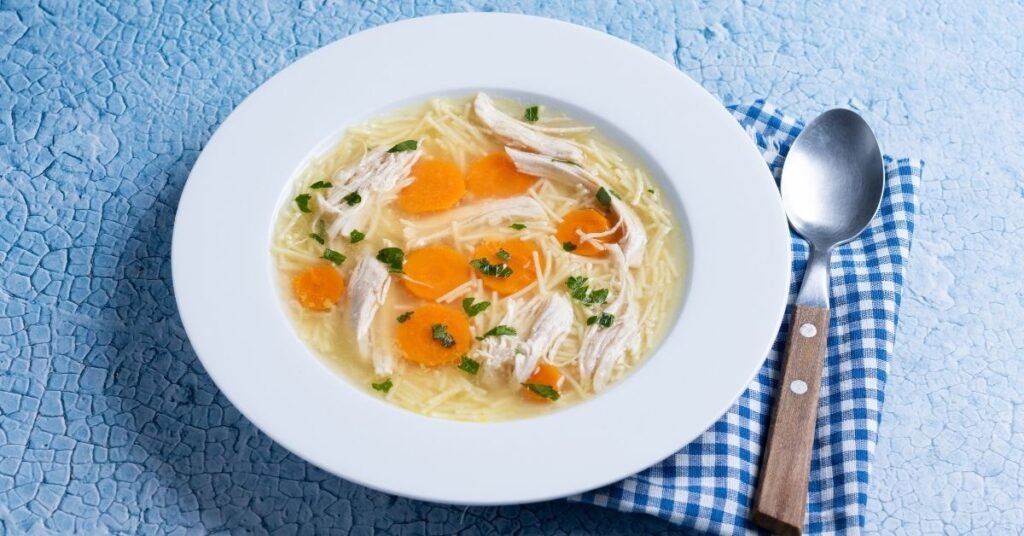
When you are feeling under the weather or simply need a “hug in a bowl,” an easy chicken soup is the gold standard. This recipe focuses on simplicity and high-quality ingredients.
Ingredients Checklist:
- Protein: 1 lb Chicken breast or thighs (bone-in adds more marrow-rich flavor).
- The Trinity: 2 carrots, 2 celery stalks, and 1 medium onion.
- Aromatics: 3 cloves of garlic, 1 inch of ginger (optional for immunity).
- Liquid: 6 cups of high-quality chicken broth or filtered water.
- Seasoning: Sea salt, cracked black pepper, and fresh parsley.
Instructions:
- Sauté the onion, carrots, and celery in a large pot until softened.
- Add the garlic and chicken. Pour in the broth.
- Simmer for 25 minutes until the chicken is tender.
- Remove the chicken, shred it, and return it to the pot.
- Homemade soup for cold symptoms is best served hot with a squeeze of lemon.
3. Hearty & Healthy Vegetable Soup Recipes
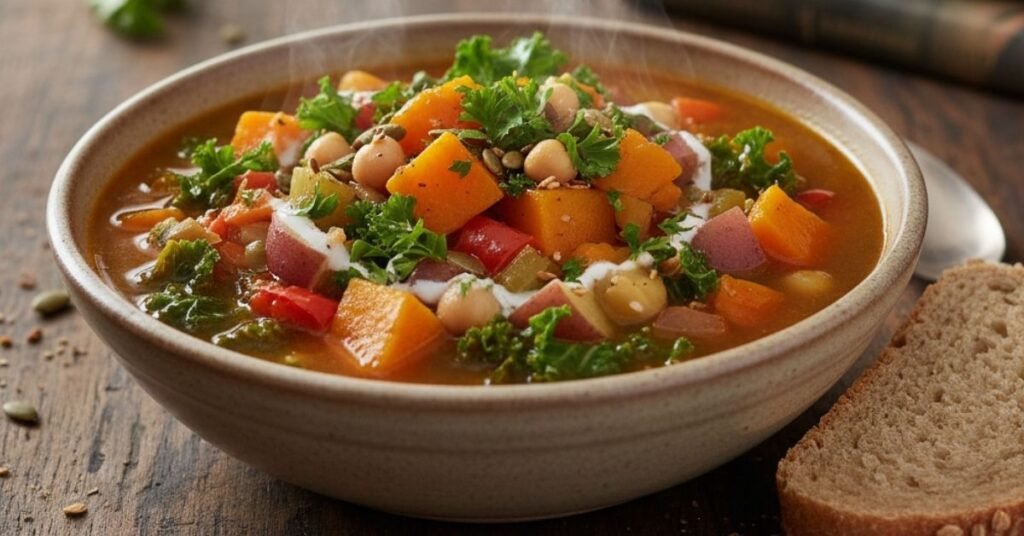
Vegetable soups often get a bad reputation for being “thin.” However, by using the right techniques, you can create a hearty meal that even meat-eaters will crave. Here are some one-pot soup ideas to keep your kitchen clean and your belly full:
Top Vegetables for Richer Flavor:
- Roasted Tomatoes: Adds a deep, smoky sweetness.
- Butternut Squash: Creates a creamy texture without adding dairy.
- Potatoes/Leeks: Provides a starchy thickness and earthy aroma.
- Legumes (Lentils/Beans): Boosts the protein content significantly.
Nutritional Value (Per Serving)
Below is a quick breakdown of the average nutritional content for the recipes mentioned in this guide.
| Soup Type | Calories | Protein | Fiber | Main Benefit |
| Chicken Soup | 210 kcal | 18g | 2g | Muscle Recovery & Immunity |
| Mixed Veggie | 120 kcal | 4g | 6g | Digestion & Weight Loss |
| Lentil (Daal) | 180 kcal | 12g | 8g | Long-lasting Energy |
| Tomato Soup | 150 kcal | 3g | 4g |
4. Pro-Level Secrets: How to Thicken Your Soup
One of the most common questions in soup recipes is how to achieve that perfect “restaurant-style” consistency.
Thickening Methods Comparison Table
| Method | Technique | Best Used In |
| Roux | Flour and butter cooked together | Creamy soups (Chowders) |
| Slurry | Cornstarch mixed with cold water | Clear soups (Corn Soup) |
| Pureeing | Blending a portion of the veggies | Bean or Potato soups |
| Grains | Adding oats, barley, or rice | Broth-based stews |
Pro Nutritionist Tip: If you want to boost the nutrient density of any soup without changing the flavor, blend in half a cup of cooked white beans or red lentils. This adds a creamy texture and a massive hit of plant-based protein and fiber without the need for heavy dairy creams.
5. Troubleshooting: Common Soup Mistakes
Even expert chefs can run into trouble. Here is how to fix common issues:
- Too Salty? Drop in a peeled, halved potato. It will absorb some of the excess salt as it simmers.
- Too Bland? Add “Acid.” A teaspoon of apple cider vinegar or lemon juice brightens the entire dish.
- Too Thin? Simmer with the lid off to reduce the liquid and concentrate the flavors.
- Overcooked Veggies? Always add “soft” vegetables (like spinach or peas) in the last 5 minutes of cooking.
6. Storage and Food Safety
To ensure your homemade soup for cold storage is safe, follow these expert guidelines:
- Cooling: Divide large batches into smaller containers to cool faster before refrigerating.
- Reheating: Only reheat the portion you plan to eat. Repeatedly heating and cooling soup degrades the nutrients.
- Freezing: Most broth-based soups last up to 3 months in the freezer. Avoid freezing soups containing milk or heavy cream as they may separate.
Conclusion
Whether you are seeking winter comfort food to survive the chill or looking for easy chicken soup to heal a loved one, mastering these basics will make you a hero in the kitchen. Remember, soup is an art, not just a recipe—don’t be afraid to taste, adjust, and experiment!
(FAQs)
Q1: What is the secret to a flavorful soup?
The secret is “layering.” Don’t just boil everything at once. Sauté your onions and aromatics first, deglaze the pan with a little liquid to pick up the browned bits, and then add your broth.
Q2: Can I make these soup recipes in a Slow Cooker?
Absolutely. Most one-pot soup ideas are perfect for slow cookers. Simply add all ingredients (except dairy and fresh herbs) and cook on “Low” for 6-8 hours.
Q3: How do I make my soup vegetarian but still “meaty”?
Use “Umami” rich ingredients. Adding soy sauce, nutritional yeast, dried mushrooms, or a parmesan rind to a healthy vegetable soup recipe provides a deep, savory flavor similar to meat.
Q4: Is soup actually good for a cold?
Yes. Scientific studies suggest that chicken soup can inhibit the movement of neutrophils (white blood cells that cause inflammation), effectively reducing upper respiratory cold symptoms.
Q5: Which soup is best for weight loss?
Broth-based vegetable soups are best. They have low energy density but high volume, meaning they fill you up for very few calories.
Author Note;Kiran is a professional nutritionist and the founder of prepslim.com. With years of expertise in meal prepping and health blogging, she is dedicated to helping people achieve their fitness goals through nutrient-dense, science-backed recipes that don’t compromise on flavor.
Disclaimer: The nutritional information provided in this blog is for educational purposes only.
If you enjoyed these recipes, check out my guide on [Healthy Meal Prep for Beginners] to save even more time during the week!