In the fast-paced world we live in, finding a balance between a busy schedule and a healthy lifestyle can feel like an uphill battle. We’ve all been there: hitting the snooze button too many times and eventually grabbing a sugary muffin or a greasy breakfast sandwich on the way to work.
However, there is a simple, science-backed solution that has revolutionized mornings for millions: Overnight Oats. As someone who has spent years perfecting the art of healthy breakfast meal prep, I can confidently say that overnight oats are the most versatile and efficient breakfast option available today.
What exactly are Overnight Oats?
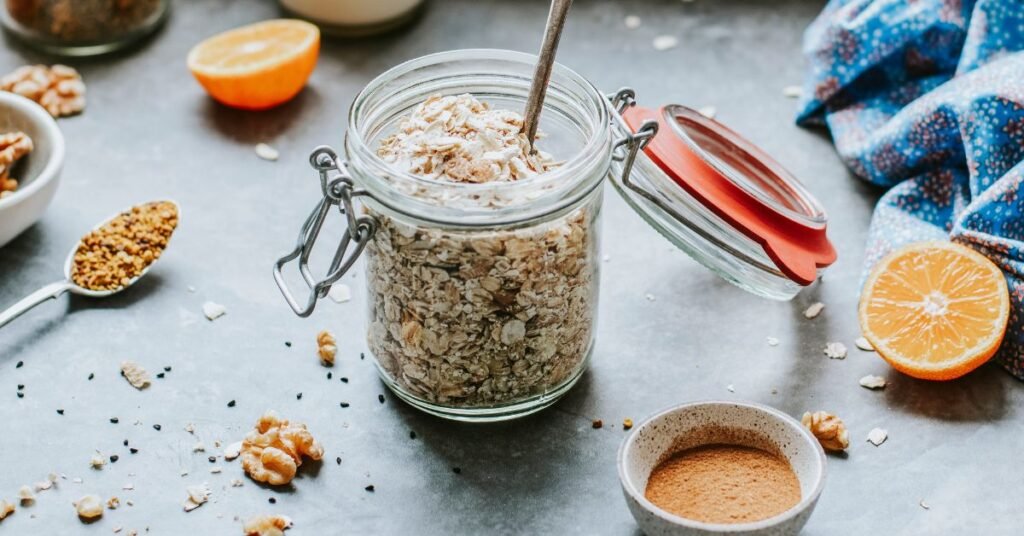
Unlike traditional oatmeal that is simmered on a stovetop or zapped in a microwave, overnight oats are not “cooked” in the traditional sense. Instead, the process involves soaking raw oats in a liquid for several hours.
During this soaking period, the oats undergo a process of hydration. They absorb the liquid, softening into a creamy, pudding-like consistency that is both satisfying and easy to digest. This method preserves the nutritional integrity of the ingredients, as no high heat is applied, making it a favorite for health enthusiasts.
The Core Science: The Perfect Overnight Oats Ratio
The most common mistake beginners make is getting the consistency wrong. Too much liquid results in “oat soup,” while too little leaves the oats chalky and dry. After testing dozens of variations, I have found the “Golden Ratio” that ensures a creamy texture every time.
The standard Overnight oats ratio is:
$$\text{Oats} : \text{Liquid} = 1 : 1$$
Pro Tip: For a thicker, more custard-like consistency, add a tablespoon of chia seeds. Chia seeds absorb up to 10 times their weight in liquid, creating a rich texture while adding a massive boost of Omega-3 fatty acids.
Ingredients: Choosing the Best Components
To create an elite-level breakfast, you must start with the right materials. Not all oats are created equal.
1. The Oats
Best oats for overnight oats are undoubtedly Old-Fashioned Rolled Oats.
- Avoid Instant/Quick Oats: They become too mushy and lose their structure.
- Avoid Steel-Cut Oats: They remain too tough and chewy even after a long soak (unless you cook them slightly first).
2. The Liquid Base
This is where you can cater to dietary needs. If you are looking for Vegan overnight oats recipes, you can use:
- Almond Milk (Low calorie, nutty flavor)
- Oat Milk (Extra creamy)
- Coconut Milk (Rich and tropical)
- Soy Milk (High protein)
3. Add-ins for Texture and Health
- Chia Seeds: Essential for thickness.
- Greek Yogurt: Adds a tangy flavor and a massive protein punch.
- Sweeteners: Use natural options like honey, maple syrup, or mashed bananas.
Step-by-Step Instructions
- Combine: In a glass jar (16oz Mason jars work best), add 1/2 cup of rolled oats and 1/2 cup of your chosen milk.
- Enhance: Add 1 tablespoon of chia seeds and 1 teaspoon of sweetener.
- Mix: Stir thoroughly to ensure no clumps of chia seeds are left at the bottom.
- Seal and Soak: Close the lid and refrigerate for at least 6 hours, though 8–12 hours is ideal.
- Topping Time: In the morning, give it a quick stir. If it’s too thick, add a splash of milk. Top with fresh berries, nuts, or seeds.
Easy Overnight Oats for Weight Loss
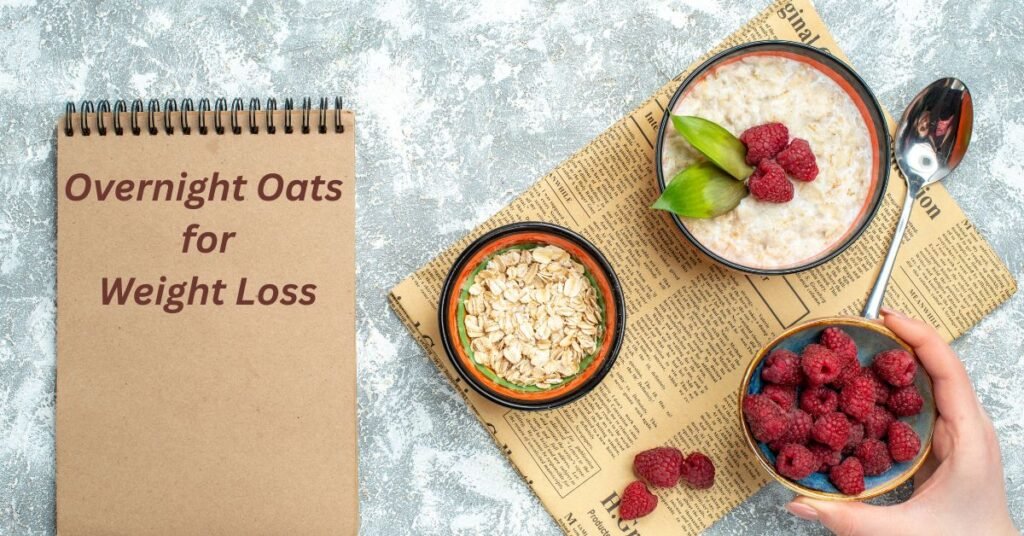
If your goal is shedding pounds, overnight oats are your secret weapon. Because they are a “resistant starch,” they digest more slowly than cooked oats, which helps in maintaining stable blood sugar levels.
Strategies for Weight Loss:
- Skip the Sugar: Use cinnamon or vanilla extract for flavor instead of sugar.
- Protein is Key: Stir in a scoop of protein powder to keep you full until lunch.
- Watch the Toppings: Nuts are healthy, but they are calorie-dense. Stick to a small handful.
Flavor Variations: Never Get Bored
One of the reasons people fail at healthy breakfast meal prep is boredom. Use this table to rotate your flavors throughout the week:
Popular Flavor Combinations
| Flavor Profile | Key Ingredients to Add | Best For |
| PB & J | 1 tbsp Peanut Butter + 1/4 cup Smashed Berries | Kids & Athletes |
| Apple Pie | 1/2 Grated Apple + 1/2 tsp Cinnamon | Cozy Mornings |
| Tropical | 1/4 cup Mango + 1 tbsp Coconut Flakes | Summer Days |
| Choco-Berry | 1 tsp Cocoa Powder + Fresh Strawberries | Dessert Lovers |
| Protein Power | 1 scoop Whey/Plant Protein + Sliced Almonds | Post-Workout |
Storage and Safety
As an expert in meal prepping, I highly recommend following these safety guidelines to ensure your food stays fresh and nutritious:
- Fridge Life: Overnight oats stay fresh in the refrigerator for up to 5 days. This makes it easy to prep your entire work week on a Sunday evening.
- Jar Choice: Always use glass containers. Plastic can sometimes retain odors or leach chemicals if used repeatedly for long-term soaking.
- Heat it up? While designed to be eaten cold, you can microwave them for 30–60 seconds if you prefer a warm meal in the winter.
Conclusion
The overnight oats recipe is more than just a food trend; it is a practical, nutritious, and delicious way to reclaim your mornings. By mastering the overnight oats ratio and experimenting with vegan overnight oats recipes, you can create a breakfast that fuels your body and satisfies your taste buds.
Frequently Asked Questions (FAQs)
Q: Can I use water instead of milk?
A: Yes, but the result will be much less creamy and flavorful. If using water, I recommend adding a dollop of yogurt to compensate for the texture.
Q: Are overnight oats gluten-free?
A: Oats are naturally gluten-free, but they are often processed in facilities that handle wheat. If you have Celiac disease, ensure the label explicitly states “Certified Gluten-Free.”
Q: Do I have to use chia seeds?
A: No, but without them, the oats will be more “liquid-heavy.” Flax seeds are a good alternative.