
By Kiran | Professional Nutritionist
Hi, friends! I am Kiran, a professional nutritionist. On my website, prepslim.com, I love helping people find easy ways to stay healthy, eat good food, and feel amazing every single day.
Today, we are talking about something very simple that anyone can do: walking! Every week, my clients ask me the same big question: “how many miles should I walk a day?”
Walking is one of the best exercises in the world. It does not cost any money, you do not need a gym membership, and you can do it right outside your front door. I personally love going for a walk every evening after dinner. It helps me step away from my laptop, get some fresh air, and digest my food.
But how far do you actually need to go? Is there a perfect number for everyone? In this long guide, we will look at the science, change steps into miles, look at some healthy recipes, and find the perfect daily walking distance just for you!
The Big 10,000 Steps Myth: Where Did It Come From?
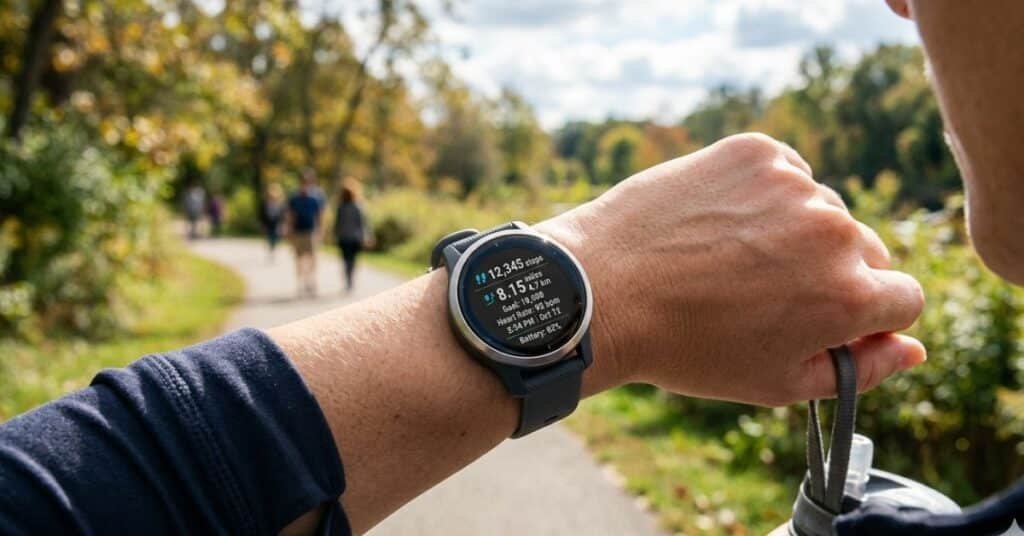
If you have a smartphone or a fitness band, you have probably seen a message telling you to walk 10,000 steps every day. People think this is a magical scientific rule. But guess what? It is not!
A long time ago, in 1965, a company in Japan made a clock that counted steps. They called it Manpo-kei, which translates to “10,000-steps meter.” They chose that name just because it sounded good and was easy to remember for advertising. It was not based on medical research!
Modern doctors and researchers have tested this. They found out that while 10,000 steps (which is about 5 miles) is a great goal, you can still get super healthy by doing less. If you are constantly stressing about how many steps a day you are hitting, stop worrying! Walking even a little bit more than you do right now can change your life.
Finding Your Perfect Goal: Miles per Day Table
Your daily walking goal depends entirely on what you want to achieve. A teenager who wants to play sports needs a different goal than someone who wants to protect their heart.
Look at this simple table below to find your specific walking goal:
Daily Walking Goals by Target
| Your Main Goal | Recommended Miles Per Day | How Long It Takes | Why It Helps You |
| Just to Stay Healthy | 1.5 to 3 Miles | 30 to 45 minutes | Keeps your joints moving and keeps your mood happy. |
| Walking for Weight Loss | 3 to 5 Miles | 60 to 90 minutes | Burns extra calories and helps melt body fat. |
| Strong Heart Health | 2 to 3 Miles (Fast Walk) | 40 to 60 minutes | Lowers your blood pressure and clears your arteries. |
| Beginner / Just Starting | 0.5 to 1 Mile | 10 to 20 minutes | Wakes up your muscles without causing any pain. |
Steps to Miles Conversion: How to Calculate Your Walk
Most phones count your movement in steps, not miles. This makes it hard to know exactly how far you walked.
An average person takes about 2,000 to 2,500 steps to finish 1 mile. If you take big steps, your number might be smaller. If you take short steps, your number will be higher.
Use this easy steps to miles conversion table to understand your fitness tracker data at a single glance:
Easy Steps to Miles Conversion Table
| Steps on Your Phone | Total Distance in Miles | Time Needed (Average Speed) |
| 2,000 Steps | 1 Mile | 15 to 20 Minutes |
| 4,000 Steps | 2 Miles | 30 to 40 Minutes |
| 6,000 Steps | 3 Miles | 45 to 60 Minutes |
| 8,000 Steps | 4 Miles | 60 to 80 Minutes |
| 10,000 Steps | 5 Miles | 75 to 100 Minutes |
| 12,000 Steps | 6 Miles | 90 to 120 Minutes |
The Incredible Benefits of Daily Walking
Why should you care about walking? Because the benefits of daily walking affect your entire body from head to toe. Here is a list of amazing things that happen when you walk every day:
- It Makes Your Brain Happy: When you walk, your brain creates happy chemicals called endorphins. These chemicals wash away feelings of sadness, worry, and stress.
- It Helps Your Tummy: Walking after you eat helps your stomach process food much faster. It stops bloating and keeps your blood sugar from spiking too high.
- It Gives You Strong Bones: Walking is a weight-bearing exercise. This means your bones have to carry your weight, which makes them denser and harder to break.
- It Burns Fat: If you are walking for weight loss, you are burning stored energy. Walking 1 mile can burn around 80 to 100 calories!
- It Helps You Sleep Like a Baby: People who walk in the fresh air during the day fall asleep much faster at night and don’t wake up as often.
Kiran’s Personal Nutritionist Tip
“Do not worry about being fast when you start. Consistency is the secret sauce! Walking 2 miles every single day is 10 times better for your metabolism than walking 7 miles only on Sundays. Make it a daily habit, just like brushing your teeth.”
Fueling Your Body: The Nutrition Connection
As a professional nutritionist, I always tell my clients at prepslim.com: “You cannot out-walk a bad diet!”
If you walk 4 miles but then eat a giant box of greasy donuts, you will not lose weight, and you will feel very tired. Your body is like a car. If you give it cheap, dirty fuel, it will not run well. If you give it clean, healthy food, you will feel like you have superpowers during your walk!
3 Healthy Recipes for Walkers
To help you get the best results from your daily walking routine, here are 3 super simple, healthy recipes that you can cook at home. They will give you energy and help your muscles recover.
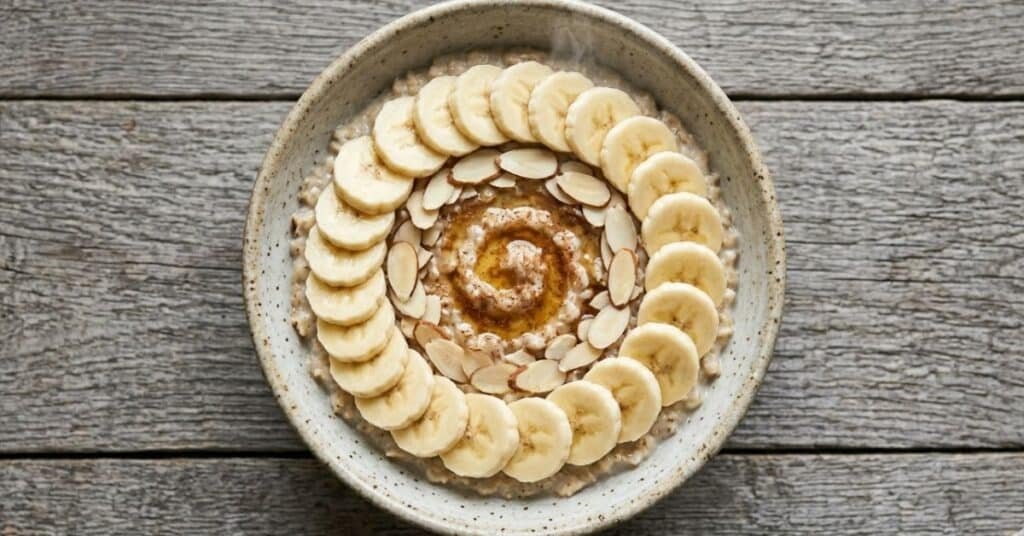
Recipe 1: Pre-Walk Energy Banana Oatmeal Bowl
This is the perfect breakfast to eat about 45 minutes before you go for a long walk. It gives your body clean carbs for energy.
Ingredients:
- 0.5 cup of rolled oats
- 1 cup of low-fat milk (or water)
- 1 ripe banana (sliced)
- 1 teaspoon of honey
- A pinch of cinnamon powder
Step-by-Step Instructions:
- Step 1: Put the oats and milk into a small pot on the stove. Turn the heat to medium.
- Step 2: Stir the oats gently for 5 to 7 minutes until the mixture gets thick and creamy.
- Step 3: Pour the hot oatmeal into a clean cereal bowl.
- Step 4: Arrange the banana slices nicely on top, drizzle the honey, and sprinkle the cinnamon.
Oatmeal Nutrition Facts
| Calories | Protein | Healthy Carbs | Fat |
| 290 | 8 grams | 54 grams | 4 grams |
Recipe 2: Post-Walk High-Protein Boiled Egg Salad
Eat this after your walk. Protein helps fix the tiny muscles in your legs so they grow stronger.

Ingredients:
- 2 hard-boiled eggs (chopped into pieces)
- 1 cup of chopped cucumbers
- 0.5 cup of sweet red tomatoes (diced)
- 1 tablespoon of plain Greek yogurt (used as a healthy dressing instead of mayo)
- A squeeze of fresh lemon juice, a pinch of salt, and black pepper
Step-by-Step Instructions:
- Step 1: Boil two eggs in water for 9 minutes, peel them, and chop them up safely.
- Step 2: Toss the chopped cucumbers and tomatoes into a medium salad bowl.
- Step 3: Add the chopped boiled eggs to the bowl with the vegetables.
- Step 4: Spoon in the Greek yogurt, squeeze the lemon juice, and add your salt and pepper. Stir everything together gently with a spoon.
Egg Salad Nutrition Facts
| Calories | Protein | Healthy Carbs | Fat |
| 210 | 15 grams | 7 grams | 11 grams |
Recipe 3: Afternoon Walk Recovery Green Smoothie
If you like walking in the afternoon or evening, drink this refreshing smoothie afterwards to hydrate your body and stop hunger cravings.

Ingredients:
- 1 cup of fresh spinach leaves (washed well)
- 0.5 green apple (chopped)
- 0.5 cup of cold water or coconut water
- 0.5 cup of plain Greek yogurt
- 3 ice cubes
Step-by-Step Instructions:
- Step 1: Put the clean spinach leaves and green apple slices into your kitchen blender.
- Step 2: Add the Greek yogurt and pour the cold water or coconut water over the top.
- Step 3: Drop in the ice cubes to make it nice and chilly.
- Step 4: Secure the blender lid tightly and blend on high speed for 60 seconds until the green liquid is completely smooth with no leaf chunks left. Pour into a tall glass and enjoy!
Smoothie Nutrition Facts
| Calories | Protein | Healthy Carbs | Fat |
| 160 | 12 grams | 22 grams | 2 grams |
How to Increase Your Distance Safely (Step-by-Step)
If you do not walk very much right now, please do not go outside and try to walk 5 miles today! Your muscles, knees, and ankles are not ready yet, and you might hurt yourself. Follow my easy step-by-step guide to build up your stamina safely:
- Week 1 (Find Your Baseline): Walk normally for three days and check your phone tracker. If your average is 2,000 steps (1 mile), that is your starting baseline.
- Week 2 (The 10% Rule): Add just 1,000 extra steps to your daily routine. You can do this by walking around your house while talking on the phone or taking a quick 10-minute walk after lunch.
- Week 3 (Pick Up the Speed): Do not just walk slowly like you are shopping. Stand up straight, swing your arms back and forth, and walk briskly like you are late for a school bus!
- Week 4 (Check Your Goals): Keep adding a little bit of distance every week until you hit your ideal milestone (like 3 miles for weight loss).
Conclusion: Get Your Shoes On!
So, how many miles should I walk a day? The final answer is: walk as much as your body allows, and try to reach the specific goal that matches what you want for your health.
If you are a complete beginner, start with just 1 mile a day. If your goal is weight loss, slowly build your way up to 3 or 5 miles a day. Combine this movement with clean, high-protein foods, drink plenty of fresh water, and stay consistent. Your body will thank you!
Now, put on your favorite pair of sneakers, open your front door, step outside, and start walking toward a healthier you today!
(FAQs)
1. Can I lose weight just by walking?
Yes, absolutely! Walking burns calories. If you walk 3 to 5 miles a day and eat clean, healthy food (like the recipes listed above), your body will use its stored fat for energy, and you will lose weight.
2. Is it better to walk fast or walk far?
Both are good, but they do different things. Walking far (long distance) burns more total calories. Walking fast (brisk pace) makes your heart pump faster, which makes your cardiovascular system super strong. Try to do a mix of both!
3. How many miles is 10,000 steps?
For most average adults, 10,000 steps is equal to about 5 miles (or 8 kilometers). It takes an average person about 1 hour and 30 minutes to walk this entire distance without stopping.
4. What happens if I walk every day for a month?
Your body will feel completely different! Your legs will feel tighter and stronger, your breathing will be easier when climbing stairs, you will feel less stressed out, and you will probably lose a few pounds of body fat.
5. Should I walk before breakfast or after dinner?
Both times have great benefits! Walking before breakfast on an empty stomach can help burn fat faster. Walking after dinner is excellent for lowering your blood sugar levels and helping your stomach digest your evening meal perfectly. Pick the time that fits your life best
Disclaimer: Consult your doctor before starting any diet plan or starting a new, heavy exercise routine.