Editor’s Note
Editor’s Note: This article has been clinically reviewed and updated for 2026 to ensure all nutritional data, macro metrics, and dietary protocols align with the latest evidence-based guidelines in metabolic health and preventative nutrition.
Welcome to the ultimate guide on one of the most versatile and refreshing dishes in the world: The Cucumber Salad. As a professional nutritionist, I believe that healthy eating doesn’t have to be complicated. A simple cucumber can be transformed into a culinary masterpiece that supports your health, keeps you hydrated, and tastes incredible.
In this 1200-word guide, we will explore the science of cucumbers, how to keep them crunchy, and five unique recipes from around the world.
Why This Blog is Different
Most recipes online leave you with a soggy, watery mess. Based on my professional experience in nutrition and food prep, I will teach you the “Salting Technique” and the nutritional value behind every bite. This isn’t just a recipe; it’s a masterclass in healthy meal prep.
Why Cucumber Salads are a Nutritionist’s Ultimate Weight Loss Weapon
When it comes to sustainable weight loss and healthy meal prepping, the humble cucumber is an absolute superstar. Cucumbers are roughly 95% water, meaning they provide incredible cellular hydration while being exceptionally low in caloric density. This allows you to eat a massive, satisfying volume of food without overloading your daily calorie budget.
But eating plain cucumber slices can get boring quickly. That is why modifying your cucumber salads with diverse culinary profiles, like the Mediterranean zest, German creaminess, or Asian spice, is the ultimate hack to stick to your wellness goals. By swapping heavy, store-bought dressings for nutrient-dense, whole-food alternatives, we can transform a simple side dish into a metabolism-boosting, gut-healthy powerhouse. Let’s dive into these 5 macro-friendly variations that will keep your meal prep exciting!
1. The Nutritional Power of Cucumbers
Before we dive into the recipes, let’s look at why you should eat more cucumbers.
Key Health Benefits:
- Hydration: Cucumbers are 95% water, making them perfect for hot days.
- Weight Management: Extremely low in calories but high in volume, helping you feel full.
- Bone Health: Rich in Vitamin K, which helps in calcium absorption.
- Antioxidants: Contains flavonoids and tannins that fight inflammation.
Nutrition Comparison Table
| Ingredient (100g) | Calories | Fiber | Water Content | Main Vitamin |
| English Cucumber | 15 kcal | 0.5g | 95% | Vitamin K |
| Tomato | 18 kcal | 1.2g | 94% | Vitamin C |
| Feta Cheese | 264 kcal | 0g | 55% | Vitamin B12 |
| Greek Yogurt | 59 kcal | 0g | 80% | Calcium |
2. My Professional Tip: The “Anti-Soggy” Secret
Personal Tip: Whenever I prepare a salad for a blog or a client, I never skip the “Sweating Process.” Cucumbers hold a lot of water. If you slice them and immediately add dressing, the salt in the dressing will pull the water out, making your salad soup-like.
The Fix: Slice your cucumbers, sprinkle a teaspoon of salt, let them sit in a colander for 15 minutes, then pat them dry with a clean cloth. This ensures your salad stays crunchy for hours!
3. Five Global Cucumber Salad Recipes
Recipe 1: The Classic Mediterranean (The Crowd Pleaser)
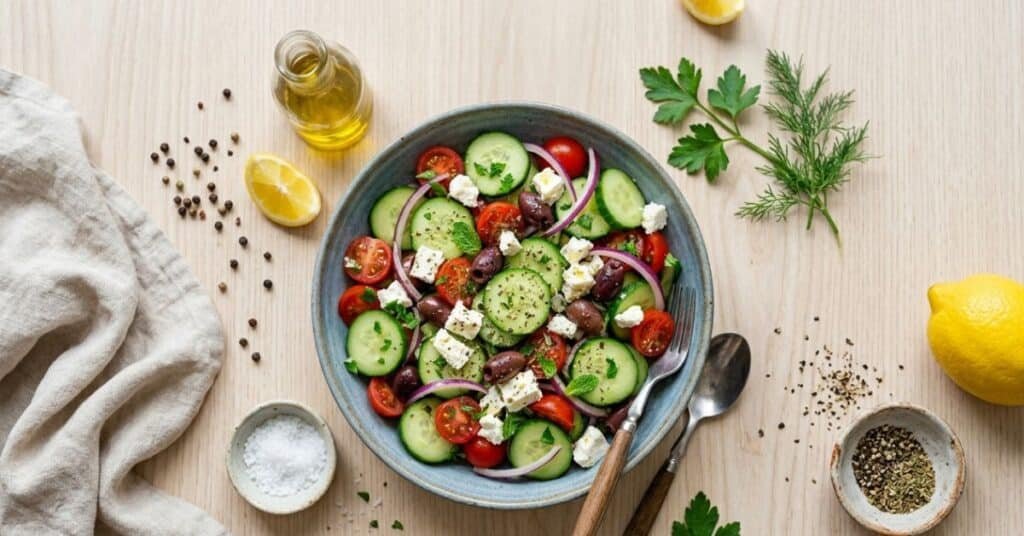
This is the gold standard for healthy side dishes.
- Ingredients: Cucumbers, cherry tomatoes, red onion, Kalamata olives, and Feta cheese.
- Dressing: Lemon juice, extra virgin olive oil, and dried oregano.
- Best For: Pairing with grilled chicken or fish.
Recipe 2: Creamy German Gurkensalat (The Comfort Food)
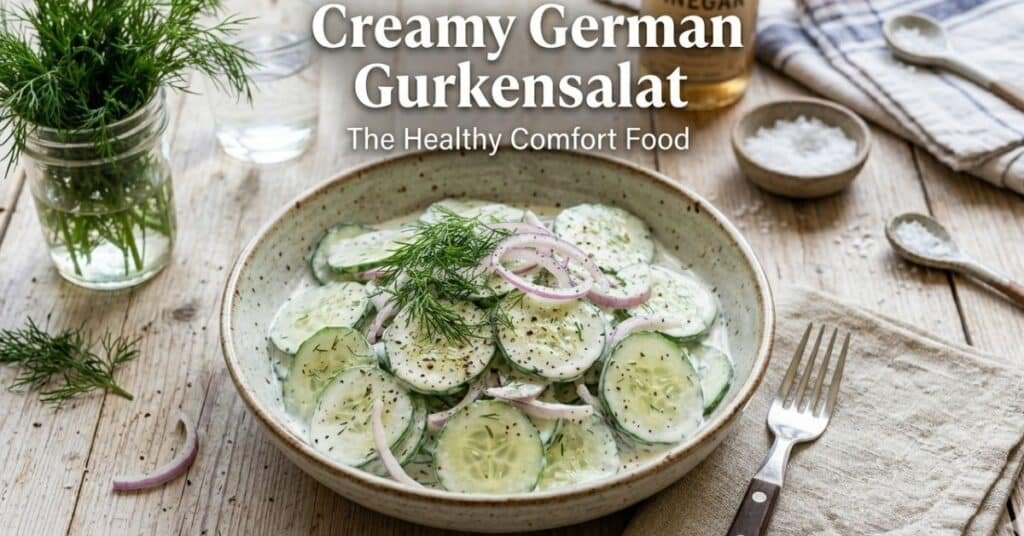
A traditional recipe that feels indulgent but stays light.
- Ingredients: Thinly sliced cucumbers and white onions.
- Dressing: Greek yogurt (a healthy swap for sour cream), fresh dill, a splash of white vinegar, and a pinch of black pepper.
- Nutrition Note: The dill acts as a natural digestive aid.
Recipe 3: Spicy Asian “Smashed” Salad (The Flavor Bomb)
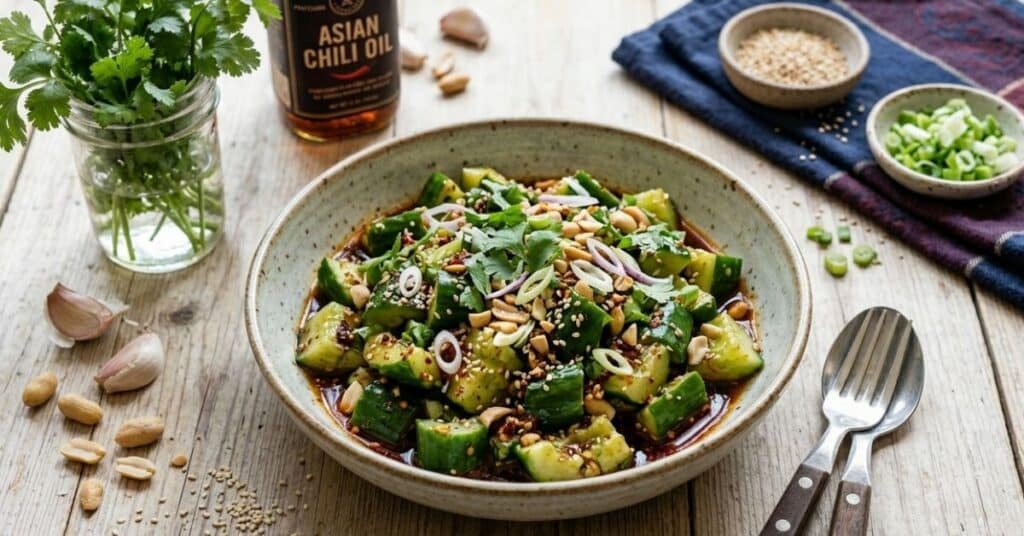
By “smashing” the cucumbers with a knife, you create crags and nooks that hold the dressing better.
- Ingredients: Smashed cucumbers, minced garlic, and cilantro.
- Dressing: Soy sauce, rice vinegar, sesame oil, honey, and chili flakes.
- Best For: Lovers of bold, spicy, and tangy flavors.
Recipe 4: The Mexican Street Style (Zesty & Fresh)
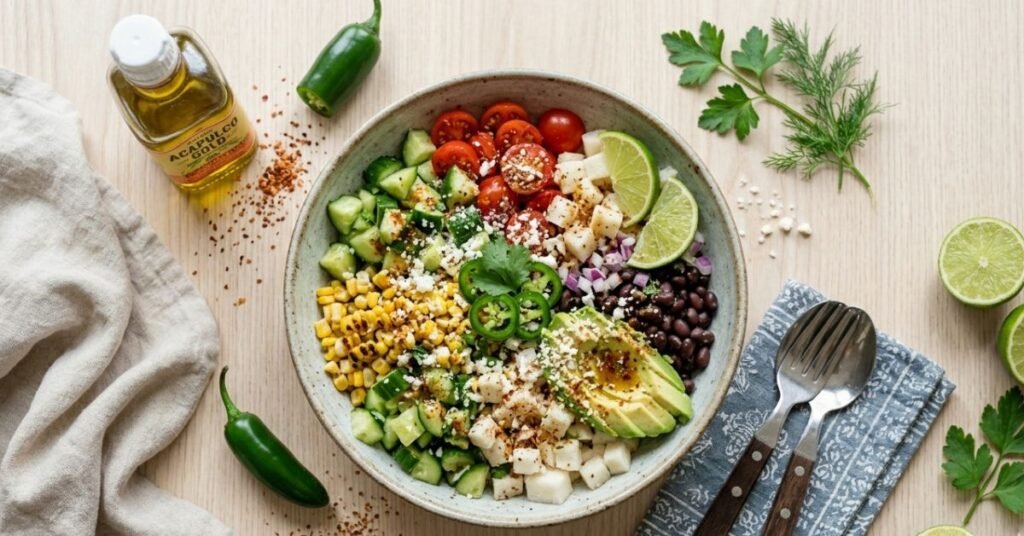
Inspired by “Elotes,” this is a refreshing take on street food.
- Ingredients: Cubed cucumbers, corn, and jalapeños.
- Dressing: Lime juice, a dash of Tajin (chili-lime seasoning), and a sprinkle of Cotija cheese or mild white cheese.
- Best For: Summer BBQs and taco nights.
Recipe 5: The “Green Goddess” Detox Salad
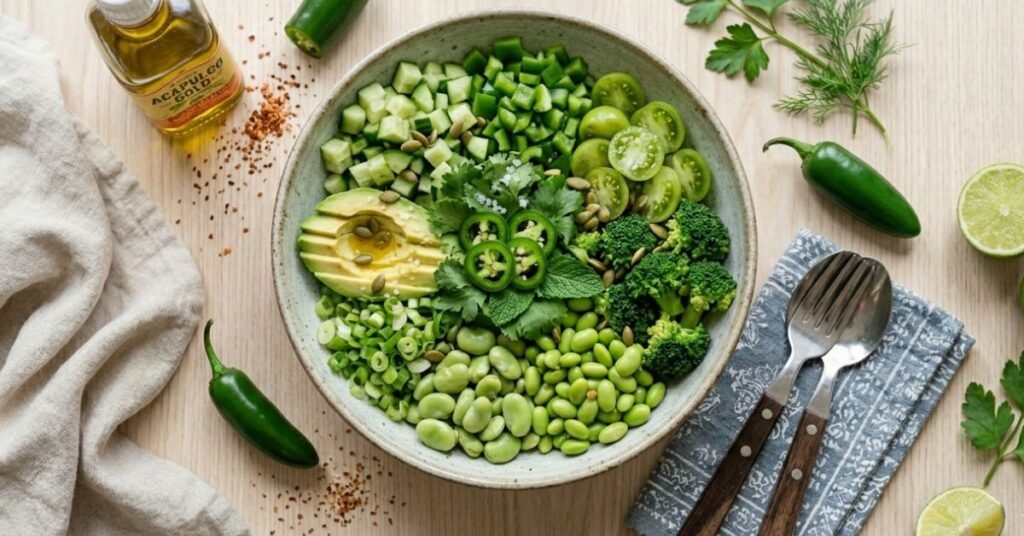
A powerhouse of green nutrients.
- Ingredients: Cucumbers, avocado, green bell peppers, and pumpkin seeds.
- Dressing: Blended spinach, lemon, garlic, and olive oil.
- Best For: Anyone looking to boost their fiber intake and healthy fats.
How to Store Your Cucumber Salads for Meal Prep
Because cucumbers have such a high water content, storing them can sometimes result in a soggy salad. To keep your salads crisp and fresh for 2–3 days in the fridge, follow these professional meal-prep storage rules:
- Keep Dressings Separate: For the Mediterranean, Asian, and Mexican variations, store the chopped vegetables in an airtight container and keep the mixed dressing in a small glass jar. Toss them together just 5 minutes before eating.
- The Yogurt Exception: The Creamy German Gurkensalat actually tastes better as it marinates, so you can store it fully dressed. However, ensure you use a tight lid, as the onions and dill can leave a strong aroma in your fridge.
- Glass Over Plastic: Always store your salads in glass containers (like mason jars or glass meal prep bowls). Glass keeps the ingredients colder and preserves the crisp texture much better than plastic.
4. How to Choose the Best Cucumbers
Not all cucumbers are created equal. To ensure your blog readers get the best results, suggest these types:
- English Cucumbers: Long and thin-skinned. No peeling required!
- Persian Cucumbers: Small and extra crunchy. My personal favorite.
- Kirby Cucumbers: Usually used for pickling, but great if you like a very thick crunch.
5. Storage and Meal Prep Tips
- Separate the Dressing: If you are making this for work the next day, keep the dressing in a small separate container.
- Glass Jars: Store your chopped vegetables in glass mason jars to keep them fresher for longer than plastic.
- Avoid Freezing: Never freeze cucumber salad; the texture will be ruined.
Conclusion
Building a healthy cucumber salad is an art that combines nutrition with flavor. Whether you choose the spicy Asian style or the creamy German version, you are fueling your body with hydration and vitamins. Remember to use my “salting tip” to ensure your salad stays professional and crunchy!
(FAQs)
Q1: Do I need to peel the cucumbers before making these salads?
A: If you are using English or Persian cucumbers, there is no need to peel them! Their skins are thin, tender, and packed with vitamins and insoluble fiber. However, if you are using standard wax-coated slicing cucumbers, it is best to peel them or score them with a fork.
Q2: Can I use regular yogurt instead of Greek yogurt for the German salad?
A: I highly recommend sticking to plain Greek yogurt. Regular yogurt is much thinner and contains more liquid, which will make your salad watery. Greek yogurt provides that rich, mayonnaise-like creaminess while giving you a solid protein boost.
Q3: How long do these salads stay fresh in the fridge?
A: When stored properly in airtight glass containers, these salads will stay perfectly crisp and delicious for up to 3 days.
Meet the Author
Kiran, Professional Nutritionist
Kiran is a certified professional nutritionist and the founder of PrepSlim. With a deep passion for clinical nutrition and metabolic health, she specializes in creating practical, macro-balanced, and sustainable meal-prep protocols that bridge the gap between delicious food and optimal wellness. Through her digital platform, Kiran has designed interactive health tools and authored extensive resources to empower thousands of readers to take control of their nutritional journeys through whole-food education.